
Using a self-service laundromat in St. Petersburg can be a practical option when you need to wash large loads, clean bulky items, handle several baskets...
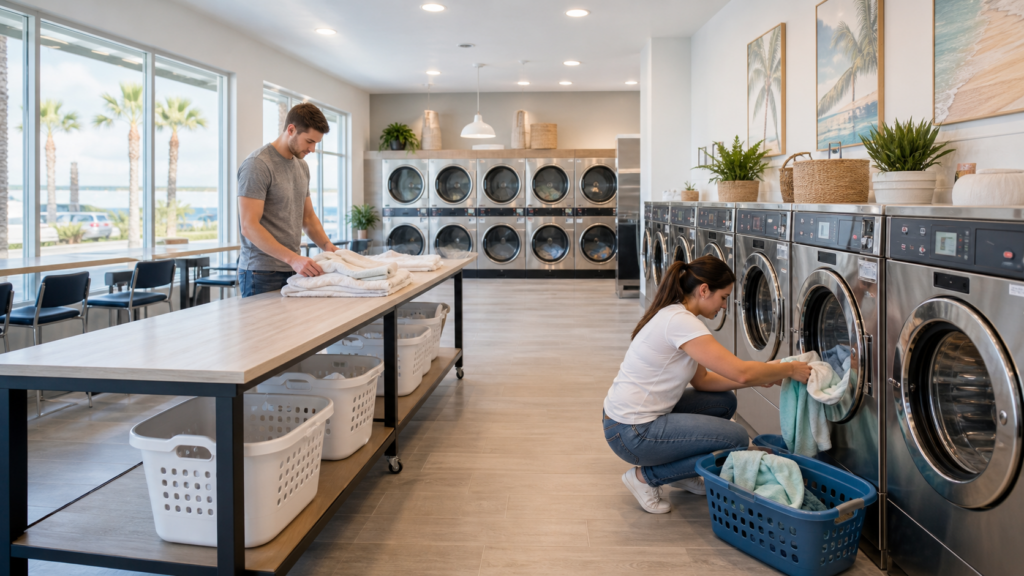
Using a self-service laundromat in St. Petersburg can be a practical option when you need to wash large loads, clean bulky items, handle several baskets at once, or simply avoid waiting for a home washing machine to finish one small cycle at a time. Modern laundromats are designed to make routine laundry easier by providing commercial washers, large-capacity dryers, folding areas, and a simple process that gives customers control over how they wash and dry their clothes.
Laundry is one of those household jobs that never really disappears. Clothes, towels, bedding, work uniforms, sportswear, and everyday fabrics quickly build up. When laundry starts taking too much time at home, using a self-service facility can help you finish several loads in one visit.
For residents, students, renters, travelers, and busy families in St. Petersburg, understanding how laundromats work can make the experience faster and less stressful. A little preparation can also help protect clothing, reduce wasted time, and make every laundry trip more efficient.
What Is a Self-Service Laundromat?
A self-service laundromat is a laundry facility where customers operate washers and dryers themselves.
Instead of leaving clothes with an attendant, you choose a machine, load your laundry, add the appropriate detergent, select a cycle, and start the machine. After washing, you transfer the clothes to a dryer or take items home for air drying.
Most self-service laundromats are designed for convenience.
They commonly provide:
- Commercial washing machines
- Large-capacity washers
- Commercial tumble dryers
- Folding tables
- Laundry carts
- Seating areas
- Change or payment systems
- Detergent vending options
- Trash bins
- Space for sorting clothing
The exact setup can vary, but the goal remains the same: give customers access to equipment that can handle everyday laundry efficiently.
Why People Use Self-Service Laundromats
People visit laundromats for many different reasons.
Some do not have washers or dryers at home. Others have household machines but need more capacity. A family with several loads of laundry may prefer to use multiple machines simultaneously rather than spend an entire day washing clothes one load at a time.
Washing Multiple Loads at Once
One of the main advantages of a laundromat is access to several machines.
At home, you may need to wait for one cycle to finish before beginning another. In a laundromat, you can often place several loads into separate machines at the same time.
This can significantly shorten the total laundry process.
Handling Large Items
Household washing machines may struggle with bulky items.
Examples include:
- Comforters
- Blankets
- Large towels
- Mattress covers
- Certain pet bedding
- Heavy sheets
Large commercial washers can provide more drum space, allowing bulky laundry to move more freely during the wash cycle.
Always check the item’s care label before washing it.
Managing Laundry Without Home Equipment
Apartment residents, temporary renters, students, or people whose home appliance is unavailable may need a reliable place to wash clothing.
A self-service laundromat provides access without requiring ownership of a washing machine or dryer.
How a Self-Service Laundromat Works
If you have never used a laundromat before, the process is usually straightforward.
A little preparation before arriving can make the experience easier.
Step 1: Sort Your Laundry
Sorting before leaving home can save time.
Separate clothing based on factors such as:
- Whites
- Light colors
- Dark colors
- Delicate fabrics
- Towels
- Bedding
- Heavily soiled items
You should also read clothing care labels.
Some fabrics require cold water, gentle cycles, air drying, or special treatment.
Step 2: Choose the Right Washer
Select a washer based on the size of your load.
Avoid forcing too many clothes into one machine simply to reduce the number of loads.
Overloading may prevent clothes from moving freely and can lead to less effective washing.
A larger machine may be more appropriate for thick towels, bedding, or several baskets of clothing.
Step 3: Add Laundry Products
Follow the washer instructions and detergent directions.
Depending on the machine, laundry products may include:
- Liquid detergent
- Powder detergent
- Laundry pods
- Fabric softener
- Bleach when appropriate
Never assume that using more detergent will make clothes cleaner.
Too much detergent can create excess residue and may require additional rinsing.
Step 4: Select the Wash Cycle
Choose the cycle based on the fabric and level of soil.
Common options may include:
- Cold wash
- Warm wash
- Hot wash
- Normal cycle
- Delicate cycle
- Heavy-duty cycle
Again, the clothing care label should guide your decision.
Step 5: Start the Machine
Once your laundry and detergent are ready, complete the required payment and start the cycle.
Stay aware of your machine’s estimated finishing time so you can move clothing promptly when washing is complete.
Step 6: Transfer Laundry to a Dryer
After washing, check the care labels before placing everything into a dryer.
Some items should not be tumble dried.
Move suitable clothing into a dryer and select an appropriate heat setting.
Step 7: Fold and Pack Your Laundry
Folding clothing while it is still warm can reduce wrinkles.
Use the folding tables rather than placing clean clothes on the floor, chairs, or other unsuitable surfaces.
Pack everything into a clean basket or laundry bag before leaving.
Benefits of Using a Self-Service Laundromat in St. Petersburg
Choosing a self-service laundromat in St. Petersburg can offer several practical benefits depending on your household and schedule.
Access to Commercial Machines
Commercial laundry machines are designed for repeated use and often come in multiple capacities.
This allows customers to select a washer or dryer that matches the amount of laundry they have.
For larger households, this flexibility can be especially useful.
Faster Laundry Through Multiple Machines
Using multiple washers can make a major difference.
Imagine having four separate loads at home. If each wash cycle takes nearly an hour, completing the entire process can take several hours before drying is even considered.
At a laundromat, you may be able to run those loads simultaneously.
The same idea applies to drying.
More Space for Bulky Laundry
Large washers can be useful for bedding and similar household textiles.
Bulky items need room to move through the water and detergent during the wash process.
Trying to squeeze an oversized comforter into a small household washer may result in uneven cleaning.
Control Over Your Own Laundry
Self-service facilities allow you to decide:
- How you sort clothes
- Which machine you use
- Which detergent you prefer
- What temperature you select
- How long you dry clothing
- How you fold and organize everything
Some customers prefer this level of control rather than handing laundry to someone else.
Who Can Benefit From a Laundromat?
Self-service laundromats are useful for many different types of customers.
Apartment Residents
Not every apartment includes an in-unit washer and dryer.
A nearby laundromat can provide a practical alternative.
Large Families
Families can produce several loads of laundry every week.
Access to multiple machines can make the process more manageable.
Students
Students may have limited access to laundry equipment, especially in shared housing.
A self-service facility can provide more flexibility.
Travelers
Visitors staying in St. Petersburg for an extended period may need to wash clothes during their trip.
Hotels or vacation rentals may not always include convenient laundry facilities.
People With Broken Home Appliances
A washing machine or dryer can fail unexpectedly.
A laundromat can serve as a temporary option until the appliance is repaired or replaced.
People Washing Large Loads
Even households with fully working laundry rooms may occasionally need commercial machines for large blankets, towels, or accumulated laundry.
How to Prepare Before Visiting a Laundromat
Preparation can reduce the amount of time you spend sorting and searching for supplies.
Sort Clothes at Home
Pre-sorting means you can place each load directly into the correct washer when you arrive.
Consider using separate bags or baskets for different loads.
Check Every Pocket
Before washing clothes, inspect pockets carefully.
Remove:
- Receipts
- Coins
- Pens
- Tissues
- Keys
- Earbuds
- Lip balm
- Small toys
A forgotten tissue can leave lint across an entire load, while pens may cause stains.
Close Zippers and Secure Clothing
Zippers can catch on delicate fabrics.
Secure loose straps and fasteners where appropriate.
Turn certain printed garments inside out to help reduce friction against the printed surface.
Bring Your Preferred Detergent
Some laundromats may offer detergent for purchase, but bringing your own gives you control over the product you use.
This may be especially important if your household uses fragrance-free or sensitive-skin detergent.
Bring Clean Laundry Bags
Do not put freshly washed clothing back into a dirty bag.
Have a separate clean basket or bag ready for finished laundry.
How to Choose the Right Washing Machine Size
Choosing the right washer capacity can improve results.
A washer needs space for water, detergent, and fabric movement.
If the drum is packed completely full, the laundry may not wash evenly.
For small everyday loads, a standard-size machine may be enough.
Larger machines can be better for:
- Several sets of sheets
- Thick towels
- Blankets
- Large family loads
- Bulky clothing
Do not choose machine size based only on the goal of using fewer washers.
Choose based on how much room the laundry needs.
Understanding Wash Temperatures
Water temperature can affect both cleaning and fabric care.
Cold Water
Cold water is commonly used for:
- Dark colors
- Bright clothing
- Delicate materials
- Items that may shrink
- Everyday lightly soiled clothes
It can also help reduce color fading.
Warm Water
Warm water may work well for many regular household loads.
It offers a balance between cleaning and fabric protection for suitable materials.
Hot Water
Hot water may be appropriate for certain durable fabrics and heavily soiled items, but it is not suitable for everything.
Some materials can shrink, fade, or become damaged.
Always check fabric care instructions.
How to Use Laundromat Dryers Correctly
Drying may appear simple, but incorrect heat can damage clothing.
Separate Heavy and Lightweight Fabrics
Heavy towels take longer to dry than lightweight shirts.
Drying them together can result in smaller items becoming overdried while heavier items remain damp.
Avoid Overloading the Dryer
Clothing needs space to tumble.
A tightly packed dryer may take longer because hot air cannot move effectively around the fabrics.
Choose Heat Based on Fabric
High heat is not always best.
Different fabrics may require low, medium, or higher drying temperatures.
Check care labels before selecting a setting.
Remove Clothes When Dry
Leaving clothing under heat longer than needed may contribute to shrinkage, wear, or wrinkles.
Check your laundry periodically if the machine allows it.
How to Save Time at a Laundromat
A well-planned visit can be surprisingly efficient.
Arrive With Laundry Already Sorted
This is one of the easiest ways to reduce wasted time.
Use Multiple Machines When Appropriate
If machines are available and your loads are properly separated, running them simultaneously can shorten your visit.
Set a Timer
Use your phone to track wash and dry cycles.
This helps prevent clothing from sitting in completed machines.
Fold Before Leaving
Folding at the laundromat may save work later.
Clothes are often easier to fold neatly while still warm from the dryer.
Keep Laundry Supplies Together
Create a small laundry kit containing:
- Detergent
- Stain treatment
- Dryer sheets if used
- Laundry bags
- A small change pouch if necessary
Keeping everything together makes future trips easier.
Laundromat Etiquette Everyone Should Follow
Shared laundry facilities work better when customers respect each other.
Do Not Leave Finished Loads in Machines
Other customers may be waiting.
Return before your cycle finishes whenever possible.
Clean Up After Yourself
Throw away detergent packaging, lint, and other waste.
Leave folding areas ready for the next person.
Avoid Taking Too Much Folding Space
If the laundromat is busy, use only the space you need.
Supervise Children
Laundry machines, carts, doors, and floors are not play equipment.
Children should remain supervised throughout the visit.
Respect Other Customers’ Laundry
Do not handle another person’s clothing unless facility rules clearly require it and there is no reasonable alternative.
Laundry Tips for St. Petersburg’s Warm Climate
St. Petersburg has a warm, humid climate for much of the year, which can influence everyday laundry habits.
Damp towels, sportswear, swimwear, and other wet fabrics should not remain piled inside closed bags for long periods.
Moisture combined with warmth can cause unpleasant odors.
Allow damp items to dry when possible before storing them in a laundry basket.
Wash wet or sweaty clothing promptly, particularly after:
- Beach trips
- Exercise
- Outdoor work
- Swimming
- Sports
- Hot-weather activities
Proper drying is equally important.
Make sure items are completely dry before folding and storing them in drawers or closets.
Washing Beach Towels and Swimwear
Living near coastal areas often means dealing with sand, towels, and swimwear.
Shake Out Sand First
Remove as much sand as possible before putting beach items into a washer.
Excess sand does not belong in laundry equipment.
Check Swimwear Care Labels
Many swimsuits contain elastic materials that can be sensitive to heat.
A gentle wash and air drying may be more suitable depending on the garment.
Wash Towels Separately When Needed
Thick beach towels can produce lint and take longer to dry than lightweight clothing.
Separating them may improve drying efficiency.
How to Handle Stains Before Washing
Washing does not automatically remove every stain.
Treating stains before the wash cycle can improve your chances of removing them.
Act Quickly
Fresh stains are often easier to address than stains that have remained in fabric for days.
Identify the Stain
Different stains may require different treatment.
Common examples include:
- Coffee
- Food
- Grease
- Grass
- Makeup
- Mud
- Sweat
Avoid Excessive Rubbing
Aggressive rubbing can spread some stains or damage fabric fibers.
Blotting and appropriate pre-treatment may work better.
Check Before Drying
Heat from a dryer can make some stains more difficult to remove.
Inspect stained clothing after washing before placing it in the dryer.
Caring for Delicate Clothes
Not every garment should go into a standard wash cycle.
Check labels on:
- Wool
- Silk
- Lace
- Structured garments
- Decorated clothing
- Delicate synthetic fabrics
Some items may require hand washing or professional cleaning instead.
A self-service laundromat is useful, but it does not mean every textile belongs in a commercial machine.
Washing Bedding at a Laundromat
Bedding is one of the most common reasons people choose larger laundry machines.
Before washing, check care labels on:
- Comforters
- Quilts
- Mattress pads
- Pillow covers
- Blankets
- Duvet covers
Large items should have enough room to move.
After washing, make sure thick bedding dries completely.
Moisture may remain inside filling even when the surface feels dry.
Keeping White Clothes Looking Fresh
White fabrics can become dull when washed incorrectly.
Separate whites from dark and strongly colored clothing.
Use the correct detergent amount and suitable water temperature based on the care label.
Do not overload the washer.
Adequate rinsing and fabric movement can help prevent residue from remaining on clothes.
Protecting Dark Clothing
Dark clothes may fade over repeated washes.
Helpful habits include:
- Turning garments inside out
- Using cold water where suitable
- Choosing an appropriate cycle
- Avoiding unnecessary high dryer heat
- Removing clothing when dry
These small steps can help reduce wear.
How Often Should You Do Laundry?
There is no universal laundry schedule.
Frequency depends on household size, clothing habits, activity level, and storage space.
Some people prefer one weekly laundry day.
Others wash smaller loads several times per week.
Items such as underwear, socks, workout clothes, towels, bedding, and everyday clothing may all follow different schedules.
The most practical routine is one that prevents laundry from becoming unmanageable.
What to Look for in a Self-Service Laundromat
Not every facility offers the same experience.
When choosing a laundromat, consider practical factors.
Cleanliness
A laundry facility should appear clean and maintained.
Look at:
- Washer drums
- Dryer interiors
- Folding tables
- Floors
- Carts
- Seating areas
Machine Variety
Different machine sizes can make laundry easier.
A good range allows customers to handle both small and bulky loads.
Clear Instructions
Machines should be easy to understand.
Clear cycle and payment instructions help first-time customers avoid mistakes.
Folding Space
Enough clean folding space makes the final part of the process easier.
Convenient Location
A nearby laundromat can reduce travel time, especially if laundry is part of your regular routine.
Comfortable Environment
Good lighting, organized equipment, seating, and a clean interior can make longer visits more pleasant.
Making Laundry Day More Efficient for Families
Families often generate the largest laundry volume.
Creating a routine can simplify the process.
Consider assigning separate baskets for:
- Adults
- Children
- Towels
- Bedding
- Delicates
Sort loads before arriving.
While machines run, prepare empty clean baskets for finished clothing.
When folding, organize clothes by family member.
This reduces sorting again when you return home.
Self-Service Laundry for Busy Professionals
Busy schedules can make household tasks difficult.
A laundromat can help professionals handle several loads during one dedicated block of time.
While the machines operate, you may be able to read, organize your week, answer non-sensitive messages, or simply relax.
The main benefit is combining multiple loads into one laundry session instead of repeatedly returning to a home machine throughout the day.
Avoiding Common Laundromat Mistakes
Several simple mistakes can affect results.
Using Too Much Detergent
More soap does not necessarily mean cleaner clothes.
Follow product directions.
Mixing Everything Together
Combining whites, darks, delicates, and heavy towels can cause problems.
Sort properly before washing.
Overloading Machines
Leave enough room for clothes to move.
Ignoring Care Labels
Care instructions exist to protect fabric.
Using Excessive Heat
High heat can damage or shrink certain items.
Forgetting Laundry
Track cycle times and return promptly.
Putting Stained Clothes Straight Into the Dryer
Check whether stains disappeared first.
Is a Self-Service Laundromat Right for You?
A self-service facility may be a good fit if you value flexibility and control.
It can be especially useful when:
- You do not own laundry equipment
- Your home washer is unavailable
- You have several loads to complete
- You need larger machines
- You want to wash bulky household items
- You prefer managing your own detergent and cycles
- You need to finish laundry within a shorter period
The best approach depends on your personal routine.
For occasional use, a laundromat may solve a specific problem.
For regular users, it can become part of a simple weekly household routine.
Conclusion
A self-service laundromat in St. Petersburg can make everyday laundry more manageable by giving customers access to multiple washers, commercial dryers, larger machines, and convenient folding space. The best results come from preparing before you arrive, sorting clothing properly, choosing the correct machine size, following care labels, using the right amount of detergent, and selecting suitable wash and drying settings. Whether you are handling weekly family laundry, bulky bedding, beach towels, travel clothing, or several loads at once, a well-organized laundromat visit can save time and reduce the stress of laundry day while keeping you in full control of the process.
Frequently Asked Questions
What is a self-service laundromat?
A self-service laundromat is a facility where customers use commercial washing machines and dryers themselves instead of leaving clothing with a laundry attendant.
How do I use a self-service laundromat in St. Petersburg?
Sort your clothes, select an appropriately sized washer, add detergent, choose the correct cycle, complete the required payment, wash your clothes, transfer suitable items to a dryer, and fold them before leaving.
Can I wash comforters at a laundromat?
Many laundromats have larger washers suitable for bulky bedding. Always check your comforter’s care label and choose a machine large enough for the item to move freely.
Should I bring my own detergent to a laundromat?
You can bring your preferred detergent. This is useful if you use a specific fragrance, formula, or product designed for sensitive skin.
How can I finish laundry faster at a laundromat?
Sort clothes before arriving and use multiple available machines for separate loads when appropriate. Setting a timer for each cycle can also help reduce delays.
Can I wash beach towels at a self-service laundromat?
Yes, if the towels are machine washable. Shake out excess sand before washing and consider drying thick towels separately from lightweight clothing.
How full should a laundromat washing machine be?
Avoid packing the drum tightly. Clothing needs enough space to move during the cycle so water and detergent can circulate effectively.
What should I look for when choosing a self-service laundromat in St. Petersburg?
Look for cleanliness, suitable machine sizes, clear instructions, convenient payment options, adequate folding space, a comfortable environment, and a location that works well with your routine.