
When someone you care about is recovering from surgery, illness, an injury, or a medical procedure, choosing the right gift can be challenging. Recovery Gift Baskets offer...
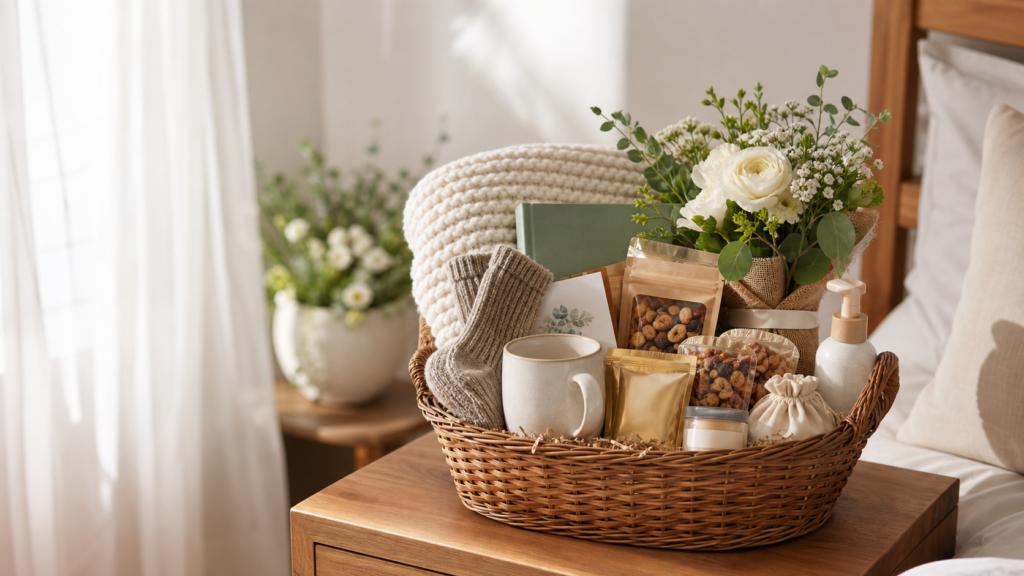
When someone you care about is recovering from surgery, illness, an injury, or a medical procedure, choosing the right gift can be challenging. Recovery Gift Baskets offer a practical way to combine comfort, entertainment, personal care, and a meaningful message in one thoughtful package. Rather than sending a single item that may not suit the recipient, a carefully planned basket can address several aspects of the recovery experience. The best choices consider the person’s health situation, preferences, dietary requirements, mobility, and medical guidance while providing a genuine reminder that someone is thinking about them.
A recovery period can look very different from one person to another. Some people need significant rest at home, while others may gradually return to normal activities. This is why personalization matters more than filling a basket with as many products as possible.
A well chosen recovery care package should be useful, appropriate, easy to enjoy, and sensitive to the recipient’s circumstances. This guide explains what to include, what to avoid, and how to create a thoughtful recovery basket without making assumptions about someone’s health or healing timeline.
What Are Recovery Gift Baskets?
Recovery gift baskets are curated collections of items intended to provide comfort, convenience, entertainment, or encouragement to someone recovering from an illness, injury, surgery, or medical treatment.
They may include cozy essentials, books, puzzles, approved snacks, personal care products, practical household items, and a handwritten message. Some baskets focus primarily on relaxation, while others are designed around activities that can help someone pass the time during periods of rest.
Unlike a traditional gift hamper created mainly around food or treats, a recovery basket can serve several purposes. It can provide useful supplies while also showing the recipient that friends, relatives, colleagues, or neighbors are thinking about them.
A gift basket should complement someone’s recovery environment rather than attempt to influence their medical treatment. Products marketed with medical or healing claims deserve particular caution unless they have been recommended by the person’s qualified healthcare professional.
Why Recovery Gift Baskets Make Thoughtful Gifts
An effective recovery gift provides something the recipient can actually use. During recovery, ordinary activities such as shopping, cooking, traveling, or finding entertainment may temporarily become less convenient.
A care basket allows multiple useful gifts to be delivered together.
Recovery Gift Baskets Can Combine Comfort and Practicality
Comfort products are popular additions because recovery often involves spending additional time resting at home. A soft blanket, comfortable socks, an eye mask, or a supportive pillow may make that environment more pleasant.
Practical gifts can be equally valuable. Depending on the situation, a long charging cable, reusable water bottle, notebook, tissues, or easy access entertainment can reduce small inconveniences.
Before buying anything related to mobility, wound care, pain management, nutrition, or other clinical needs, however, it is better to confirm what is appropriate.
They Can Be Personalized to the Recipient
Personalization transforms a generic assortment into a meaningful present.
Think about the person’s favorite hobbies, entertainment, flavors, colors, and everyday routines. Someone who enjoys reading might appreciate a novel or magazine. A puzzle enthusiast may enjoy crosswords or Sudoku. Someone who spends time watching movies might value a streaming service gift card.
The goal is not necessarily to spend more. It is to choose items that reflect what the person genuinely enjoys.
Choosing Recovery Gift Baskets for Different Situations
The contents should reflect the recipient’s circumstances without making assumptions about what recovery should involve.
Someone recovering at home might appreciate entertainment and convenience items. A person in a hospital or rehabilitation facility may have limited storage space or rules governing flowers, food, electrical devices, and other products.
When uncertain, ask the recipient, caregiver, or facility about restrictions before arranging delivery.
7 Recovery Gift Baskets Ideas for Meaningful Support
There is no universal formula for the perfect recovery hamper. These seven themes provide a useful starting point and can be adapted to the recipient.
1. Comfort Focused Recovery Basket
A comfort basket works well when someone expects to spend additional time resting. Choose products that are simple to use and unlikely to interfere with medical instructions.
Possible additions include:
• A soft throw or lightweight blanket
• Comfortable socks
• An eye mask
• A comfortable robe
• Unscented tissues
• A book or magazine
• A personal note
Consider the person’s environment before choosing bulky items. Hospital rooms, for example, may have limited space.
Fragrance is another consideration. Strongly scented candles, sprays, lotions, and other products can be unpleasant for people experiencing nausea, headaches, respiratory sensitivity, or increased sensitivity to smells. Unscented alternatives are often a safer gift choice when preferences are unknown.
2. Entertainment and Boredom Buster Basket
Recovery can involve extended periods when usual activities are temporarily unavailable. Entertainment can provide a welcome change of focus.
Consider including novels, magazines, coloring books, puzzle books, playing cards, or a journal. Digital gift cards for audiobooks, ebooks, games, music, or streaming services can also be convenient because they do not add clutter.
Choose entertainment that matches the recipient’s interests. A demanding book may not appeal to someone who is tired or having difficulty concentrating, while short stories, podcasts, audiobooks, or light puzzles might be easier to enjoy.
A compact phone or tablet stand can also make hands free viewing more comfortable when appropriate.
3. Food and Snack Care Basket
Food baskets are popular, but they require more consideration than many other recovery gifts.
Medical conditions, medications, allergies, swallowing difficulties, nausea, post surgery instructions, and prescribed diets can affect what someone can safely eat or drink. Do not assume that foods traditionally associated with wellness are suitable for everyone.
If you know the person’s dietary requirements, consider individually packaged favorites that comply with those requirements. Depending on their preferences and medical guidance, suitable options might include crackers, snacks, tea, coffee, or other familiar products.
When you do not know what is appropriate, a grocery delivery gift card can provide more flexibility. It lets the recipient or caregiver choose foods that fit current needs.
Avoid presenting supplements, herbal preparations, or specialty foods as medical treatments. Supplements and herbs can interact with medicines or be inappropriate for certain health conditions.
4. Personal Care Recovery Basket
A basic personal care basket can provide useful everyday products, particularly for someone staying away from home.
Potential additions include:
• Lip balm
• Gentle hand cream
• Unscented moisturizer
• A hairbrush or comb
• Facial tissues
• Comfortable hair accessories
• Basic toiletries
• A small toiletry bag
Products should be chosen according to the recipient’s preferences and circumstances. Strong fragrances and unfamiliar skincare ingredients may be better avoided, particularly if the person has sensitive skin.
Items intended for wounds, scars, incisions, or medical devices should not be included unless specifically requested or medically appropriate. Clinical care should follow instructions from the person’s healthcare team.
5. Reading and Relaxation Basket
For someone who loves books, a reading themed basket can provide hours of accessible entertainment.
Include a paperback, magazine, bookmark, reading light, notebook, and perhaps a gift card for additional books. Audiobook access can be especially useful for someone who does not feel like holding or focusing on a physical book.
When choosing titles, consider the person’s usual taste rather than automatically selecting books about illness or personal improvement. Recovery does not need to become the subject of every activity.
Humor, mysteries, biographies, romance, history, science fiction, and other familiar genres can provide a sense of normality and enjoyment.
6. Practical Home Recovery Basket
Some of the most appreciated gifts are ordinary items that make life easier.
A practical basket could contain a long phone charging cable, water bottle, notebook, pen, tissues, device stand, gift cards, or other frequently used products.
Meal delivery, grocery delivery, housekeeping, pet care, transportation, or childcare support can sometimes be more valuable than physical gifts. The suitability of these services depends on the person and your relationship with them.
Specific offers may also be easier to accept than vague promises of assistance. For example, arranging an approved grocery delivery can remove a task from the recipient’s schedule without creating more belongings.
7. Personalized Encouragement Basket
A personalized basket puts the relationship with the recipient at the center of the gift.
Include photographs, handwritten messages, drawings from family members, favorite treats where appropriate, hobby supplies, or small items connected to shared memories.
A personal message does not need to offer medical advice or insist that the recipient remain positive. Simple expressions of affection, friendship, encouragement, and availability are often enough.
Try to avoid predicting when the person will feel better. Recovery timelines differ, and certain conditions do not follow a predictable path.
What Should You Put in Recovery Gift Baskets?
Start with the person rather than a standard product list.
The most appropriate basket often combines a few categories: comfort, practical help, entertainment, and something personal. Selecting fewer high quality and relevant items is generally preferable to adding filler products simply to make a basket look full.
Essential Recovery Gift Baskets Items to Consider
Useful options can include comfortable accessories, books, puzzle activities, personal care products, practical technology accessories, and flexible gift cards.
A handwritten card adds a personal element regardless of the basket’s budget. It also gives the sender an opportunity to communicate support without turning the gift itself into a statement about illness.
Think about accessibility as well. Packaging that is difficult to open can be inconvenient for someone with reduced strength or movement. Large, heavy containers can also be troublesome for recipients with lifting restrictions.
How to Personalize Recovery Gift Baskets Safely
Consider what you already know about the recipient, including allergies, food preferences, hobbies, sensitivities, living arrangements, and current location.
If necessary, discreetly check important restrictions with the recipient or someone close to them. It is better to confirm dietary or facility requirements than to send something unusable.
For hospital delivery, confirm the patient’s location and the hospital’s gift policy. Some medical units restrict flowers, plants, balloons, outside food, or other products for safety or infection control reasons.
What Not to Include in a Recovery Care Package
Good intentions do not make every wellness product appropriate.
Be cautious with medication, supplements, herbal remedies, products making unverified therapeutic claims, or anything intended for wound treatment. Even common over the counter products may be unsuitable because of allergies, drug interactions, medical conditions, or clinician instructions.
Strong fragrances may also be problematic. Candles and flames can present safety issues and may be prohibited in hospitals and other facilities.
Foods should not be selected without considering allergies and dietary restrictions. Sugar free, gluten free, low sodium, or other specialty labels do not automatically make a food appropriate for a particular medical condition.
Humorous gifts require judgment as well. Jokes about surgery, illness, disability, or recovery may work within some close relationships, but they can feel insensitive in others.
Recovery Gift Baskets After Surgery
Post surgery gifts should prioritize convenience and entertainment rather than promises of faster healing.
A patient’s discharge instructions may specify restrictions involving food, bathing, movement, wound care, medication, or activity. A gift basket should never contradict those instructions.
Books, audiobooks, entertainment subscriptions, comfortable items, approved snacks, and delivery service gift cards can be useful choices. For a close friend or relative, practical assistance with everyday responsibilities may be especially meaningful.
How Recovery Gift Baskets Can Support Someone After Surgery
Gift baskets provide social and practical support rather than medical treatment. They can make time at home more comfortable and give the recipient activities or useful products during recovery.
If you want to provide something intended to address a specific symptom or physical need, ask the recipient or caregiver what their healthcare professional has recommended.
This distinction helps keep a compassionate gift helpful without introducing unnecessary health risks.
Recovery Gift Baskets for Men and Women
Recovery gifts do not need to be divided rigidly according to gender. Personal interests provide a much better guide.
For any recipient, consider favorite books, games, sports, hobbies, snacks, personal care products, entertainment, or useful technology accessories.
Colors and packaging can also reflect individual taste rather than conventional assumptions. A minimalist box might suit one recipient, while another may enjoy bright colors and decorative wrapping.
Age, lifestyle, personality, health restrictions, and interests generally provide more useful information than gender alone when building a personalized care package.
Recovery Gift Baskets for Friends, Family, and Coworkers
Your relationship with the recipient can help determine the contents and tone of the gift.
For close friends or family members, personal photographs, favorite foods, inside references, hobby products, and specific offers of practical help can feel natural.
Coworker recovery gifts generally benefit from a little more neutrality. A team might contribute to a basket containing a card, book, general entertainment gift card, approved treats, or another broadly useful item.
Respect privacy when a colleague is recovering from a health issue. Unless the individual has chosen to share details, there is no need to mention their diagnosis or treatment in a group gift.
How Much Should You Spend on a Recovery Basket?
There is no required amount.
A useful basket can be created on a modest budget with a book, personal note, comfortable item, and favorite snack. Larger budgets might include premium products, several entertainment options, or gift cards for groceries and services.
Relevance matters more than basket size. An expensive hamper full of unsuitable products offers less value than a small collection chosen around the recipient’s actual needs.
For group gifts, combining contributions can make practical services or flexible gift cards affordable without requiring any individual to spend heavily.
How to Make Recovery Gift Baskets Feel More Personal
Presentation can make a simple basket feel intentional.
Choose a reusable container such as a storage basket, tote, or gift box rather than an oversized package. Arrange the most useful products where they are easy to reach and avoid excessive packaging.
Include a card explaining that there is no pressure to respond immediately. Someone recovering may not have the energy to answer messages or thank every person individually.
Adding one item tied directly to your relationship can make the package memorable. A favorite photograph, familiar book, shared joke where appropriate, or small hobby item often carries more meaning than generic decorative products.
Creating Recovery Gift Baskets for Long Recovery Periods
For a longer recovery, consider gifts that remain useful beyond the first few days.
Books, subscriptions, games, creative supplies, digital entertainment, and flexible delivery credits can provide options over time. Rather than sending everything at once, close friends or relatives may choose to provide occasional support based on changing needs.
Remember that needs can change throughout recovery. What is useful immediately after a procedure may be different from what is useful several weeks later.
A Simple Recovery Gift Baskets Checklist
Before sending the gift, check whether each item is suitable for the recipient, easy to use, and permitted at their location.
Consider food allergies, dietary restrictions, fragrance sensitivities, mobility limitations, hospital rules, packaging accessibility, and personal preferences. Remove products with questionable medical claims and confirm any item that could conflict with treatment instructions.
Finally, make sure the recipient can identify the sender. A short, thoughtful card completes the gift and provides context for the package.
Frequently Asked Questions
What are the best Recovery Gift Baskets?
The best Recovery Gift Baskets are personalized around the recipient’s preferences and current needs, combining useful comfort items, entertainment, practical products, and a thoughtful message.
What should I put in a recovery gift basket after surgery?
Consider books, puzzles, comfortable accessories, personal care basics, entertainment gift cards, and approved food. Avoid medical products or foods that conflict with post surgery instructions.
Can I send a recovery gift basket to a hospital?
Often, yes, but hospital policies vary by facility and unit. Confirm delivery procedures and restrictions on food, flowers, plants, balloons, fragrances, and other products before ordering.
Are food baskets appropriate for someone recovering?
They can be, provided you know the person’s allergies, dietary restrictions, preferences, and relevant medical guidance. A grocery or meal delivery gift card provides greater flexibility when you are unsure.
How can I make Recovery Gift Baskets more personal?
Include products connected to the recipient’s hobbies, favorite entertainment, preferred foods where appropriate, photographs, shared memories, and a handwritten message.
What should I avoid putting in a recovery gift basket?
Avoid unrequested medication, supplements, medical products, strong fragrances, unsuitable foods, and products making unsupported healing claims. Always consider individual and facility restrictions.
Conclusion
Recovery Gift Baskets can be meaningful because they combine practical support with a personal expression of care. The most successful basket is not necessarily the largest or most expensive one, but the one designed around the recipient’s interests, environment, and current needs. Choose comfortable and useful items, respect medical and dietary restrictions, and avoid unsupported health claims. A thoughtful selection paired with a sincere personal message can make a recovery package both useful and memorable.