
Few footwear categories balance practicality and personal style as effectively as women’s boots. From polished ankle styles worn to the office to weather conscious designs made...
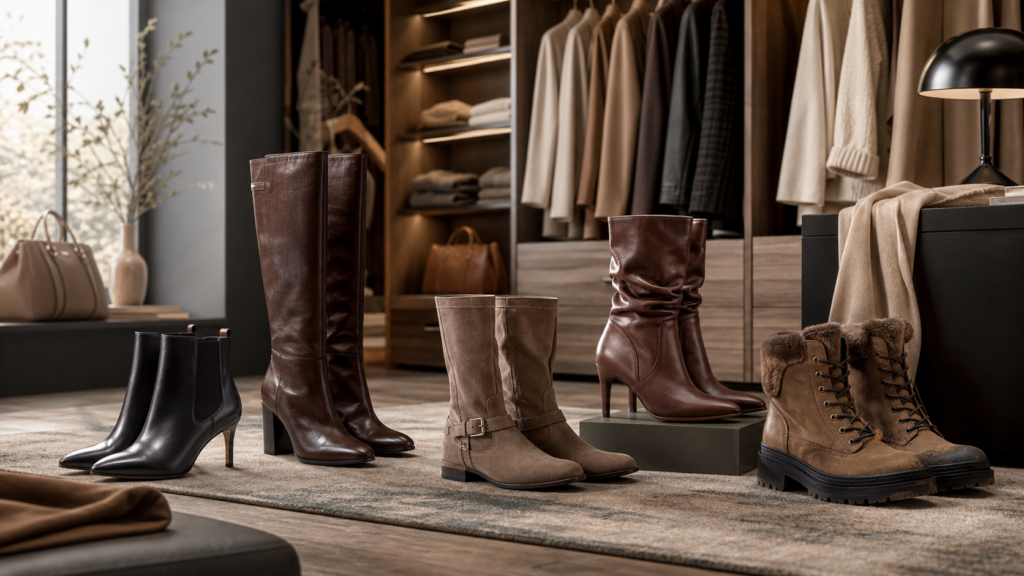
Few footwear categories balance practicality and personal style as effectively as women’s boots. From polished ankle styles worn to the office to weather conscious designs made for outdoor routines, boots can serve very different purposes depending on their construction, material, heel, and fit. A versatile wardrobe does not require a boot for every possible outfit. Instead, understanding how different designs function across work, travel, weekends, social occasions, and seasonal conditions can help women select footwear that genuinely suits their lifestyles.
The right boots are ultimately determined by context. A pair that works beautifully for a dinner may not provide the support required for a day of sightseeing, while an outdoor boot designed for wet conditions may feel out of place with formal clothing.
That distinction matters when shopping. Looking beyond trends and considering comfort, materials, construction, versatility, and intended use can lead to better footwear choices.
Why Women’s Boots Work Across Different Lifestyles
Boots cover a remarkably broad range of designs. Ankle boots can be streamlined enough for professional clothing, while flat knee high styles can complement casual autumn and winter wardrobes. Heeled silhouettes can create a dressier appearance, and purpose built outdoor designs can provide protection in demanding weather.
This variety means boots are not associated with a single lifestyle.
They can suit commuters who need dependable everyday footwear, professionals building polished outfits, travelers prioritizing versatility, and people who spend significant time outdoors. Choosing between them requires balancing appearance with how the footwear will actually be used.
The Versatility of Women’s Boots
Versatility depends on more than color.
The height of the shaft affects both appearance and coverage. Heel shape influences stability and styling. Toe shape can change the overall character of a boot, while materials affect maintenance and suitability for different conditions.
Neutral black and brown boots are traditionally easy to coordinate, but colors such as burgundy, tan, cream, gray, and dark green can also work across multiple outfits.
A simple silhouette with restrained detailing will often transition between more settings than a highly embellished or trend specific design.
How Lifestyle Should Influence Boot Selection
Start with the activities that occupy most of your week.
Someone who walks between public transport and an office may value cushioning, traction, and a moderate heel. Someone who drives frequently may prioritize flexibility around the ankle. Travelers can benefit from boots that work with several outfits and remain comfortable during extended wear.
Climate also plays an important role. Rain, snow, heat, and cold each create different requirements.
Choosing Women’s Boots Based on Daily Routine
Think about distance walked, surfaces encountered, dress expectations, weather, and how long the boots will typically be worn.
Trying footwear toward the end of the day can sometimes be useful because feet may swell during normal daily activity. Wear the type of socks you expect to use regularly and walk around sufficiently to assess heel movement, toe space, and pressure points.
Sizing conventions differ between manufacturers, so measurements and brand specific size guidance can be more reliable than relying solely on a familiar size number.
9 Women’s Boots Styles for Different Lifestyles and Occasions
Understanding common boot categories makes it easier to match footwear to real world situations. Each of the following styles offers a different balance of practicality and aesthetics.
1. Ankle Boots for Everyday Versatility
Ankle boots are among the easiest styles to integrate into an existing wardrobe.
Their relatively short shaft works with jeans, tailored trousers, skirts, and dresses. Simple leather or leather alternative designs can look polished, while suede or textured finishes often create a more relaxed impression.
For frequent wear, consider a low or block heel and a sole that provides appropriate grip. Side zippers can make dressing easier, while elastic panels are characteristic of Chelsea inspired boots.
An understated ankle boot can move from a casual morning to a smart casual evening without requiring a footwear change.
2. Chelsea Boots for Fast Paced Daily Life
Chelsea boots are recognizable by their ankle height and elastic side panels. Their slip on construction makes them particularly practical for people who want footwear that is quick to put on and remove.
Minimal Chelsea boots can complement jeans, straight leg trousers, knitwear, and some workwear.
Chunkier soles create a more casual or contemporary appearance, while slim profiles tend to look more refined. Neither approach is universally better; the appropriate choice depends on wardrobe and intended use.
For wet conditions, shoppers should check the specific boot’s materials, seams, and manufacturer care instructions rather than assuming every leather or synthetic Chelsea boot is waterproof.
3. Knee High Women’s Boots for Polished Styling
Knee high boots offer additional leg coverage and have a distinctive visual presence.
Flat versions can work well with everyday autumn and winter outfits, while moderate heels may suit professional or social settings depending on workplace expectations and the rest of the outfit.
They coordinate particularly well with midi skirts, dresses, and fitted trousers where the cut allows.
Fit around the calf is important. Product measurements may include shaft height and circumference, and some manufacturers offer wider or narrower calf options. Checking these specifications can reduce discomfort and improve how the boot sits on the leg.
4. Heeled Boots for Professional and Evening Occasions
Heeled boots range from modest block heels to considerably higher designs.
For an office, a streamlined ankle or knee high boot with a manageable heel can create a polished look alongside tailored clothing. Dressier heeled boots may transition to dinners, celebrations, or evening events.
Heel shape affects the experience of wearing the shoe. A broad block heel generally offers a larger contact area with the ground than a narrow stiletto, although overall comfort and stability depend on the complete shoe design and individual wearer.
Anyone expecting substantial walking or prolonged standing should consider those demands before choosing heel height.
5. Flat Boots for Active Everyday Schedules
Flat boots are useful for lifestyles involving regular walking or long periods on the feet, but a flat appearance alone does not guarantee comfort.
Look at the complete construction, including cushioning, flexibility, fit, arch support where needed, and outsole grip. Individual foot needs vary considerably.
Flat ankle boots can pair with casual and smart casual clothing, while taller riding inspired silhouettes offer additional coverage.
A clean, understated design can make flat boots particularly versatile for commuting, errands, informal workplaces, and weekend activities.
6. Outdoor Boots for Practical Lifestyles
Hiking and outdoor boots belong to a more specialized category because their technical function is often more important than fashion versatility.
Depending on their intended environment, outdoor footwear may incorporate tread designed for particular terrain, reinforced areas, supportive construction, insulation, or water resistant and waterproof technologies.
The product specification matters. Terms such as water resistant and waterproof should not automatically be treated as interchangeable.
Fit is equally important for outdoor activity. The correct boot should accommodate appropriate socks while avoiding excessive movement that could contribute to friction.
For demanding hikes or specialized environments, select footwear designed for the specific activity rather than relying on an ordinary fashion boot with a rugged appearance.
7. Weather Ready Women’s Boots for Rain and Cold
Climate can turn footwear selection into a practical decision.
Rain boots typically use materials and construction intended to prevent water penetration under specified conditions. Winter boots may prioritize insulation, coverage, outsole design, or a combination of those characteristics.
However, no single boot feature makes footwear suitable for every type of winter weather. Ice, deep snow, slush, and cold dry conditions can present different challenges.
Always review the manufacturer’s stated performance and care guidance. Waterproof materials can also have different breathability characteristics, which may affect comfort.
A weather appropriate pair can complement everyday clothes while providing functionality that conventional fashion footwear may lack.
8. Western Inspired Boots for Casual Statement Dressing
Western influenced boots have moved in and out of mainstream fashion for decades, but their roots extend beyond seasonal trends.
Distinctive toe shapes, angled heels, decorative stitching, and shaped shafts can give these boots a recognizable identity. Depending on the design, they can accompany denim, dresses, skirts, and relaxed tailoring.
Subtle versions may integrate easily into everyday wardrobes, while ornate designs naturally become the focus of an outfit.
When purchasing Western style boots primarily for fashion, distinguish them from purpose specific riding or work footwear, which may need particular safety or performance characteristics.
9. Dress Boots for Special Occasions
Special occasions can call for footwear that feels more elevated than an everyday pair.
Dress boots often use streamlined silhouettes, refined materials, slender soles, elegant heels, or restrained decorative details. They may work particularly well when colder weather makes open or low cut footwear less appealing.
Ankle and knee high versions can accompany dresses, skirts, suits, and tailored trousers depending on the event.
Consider the venue as well as the dress code. Uneven outdoor surfaces, long periods of standing, stairs, and dancing can make stability and comfort especially important.
Women’s Boots for Professional and Office Lifestyles
Workplace footwear varies considerably according to industry, employer, location, and dress code.
In a traditional professional environment, streamlined leather or similar boots in understated colors can complement tailored trousers, skirts, and dresses. Ankle and knee high silhouettes are common choices.
Creative and casual workplaces may allow chunkier soles, Western influences, bolder colors, or more relaxed styling.
Styling Women’s Boots for Work
Visual balance helps boots feel integrated into professional clothing.
A simple ankle boot under straight or wider trousers creates an uninterrupted silhouette. Knee high boots can pair neatly with appropriate midi skirts and dresses, particularly during cooler seasons.
Pay attention to condition as well. Clean uppers, maintained heels, and tidy soles can make footwear look considerably more polished.
When Professional Women’s Boots Need Practical Features
A commute can create requirements that the office itself does not.
People walking through wet streets or using public transport may need more traction and weather protection than someone traveling directly by car. Some professionals therefore commute in practical footwear and change at work.
Where occupational safety rules apply, fashion boots should not replace required protective footwear. Employees in industrial, construction, healthcare, food service, and other specialized environments should follow relevant workplace requirements.
Women’s Boots for Weekend and Casual Wear
Weekend footwear often benefits from flexibility because a single day can include errands, lunch, shopping, and social activities.
Chelsea boots, ankle boots, flat knee high designs, and selected outdoor inspired styles can all work, depending on conditions and personal style.
Denim remains an obvious companion to casual boots, but it is far from the only option. Leggings, casual trousers, knitted dresses, long skirts, and relaxed tailoring can create equally practical combinations.
Texture can make casual outfits more interesting. Suede, grainy leather, smooth finishes, and textile panels offer different visual effects even when the boot shape remains simple.
Women’s Boots for Travel
Travel footwear needs to handle more variables than many everyday shoes.
You may encounter airports, stations, long walking days, changing temperatures, unfamiliar terrain, and several outfit requirements within one trip. For this reason, versatility and proven comfort are valuable.
Avoid making an unworn pair your primary footwear for a walking intensive trip. Wearing boots beforehand provides an opportunity to identify fit problems and determine whether they suit extended use.
Features to Consider in Travel Women’s Boots
Weight matters when luggage is limited. Bulky boots can consume significant suitcase space, so travelers sometimes choose to wear their largest footwear during transit.
Consider ease of removal if your journey is likely to require frequent footwear changes. Also think about outsole grip, fastening systems, weather suitability, and compatibility with your planned clothing.
For trips involving serious hiking, snow, or other demanding conditions, prioritize technically suitable footwear over packing convenience.
Matching Women’s Boots to Different Outfits
Proportion is one of the most useful concepts when combining boots with clothing.
Ankle boots can sit beneath trousers or create contrast with skirts and dresses. Knee high boots cover more of the leg and therefore have a stronger influence on overall silhouette. Over the knee styles make an even more pronounced visual statement.
There is no single rule about which boot height works with each garment. Hem length, trouser width, boot opening, heel height, color, and individual proportions all affect the final result.
Women’s Boots With Jeans and Trousers
Straight and wide leg trousers often fall naturally over ankle boots, provided the hem and boot shape work together.
Slim trousers can sometimes be worn inside taller boots where there is sufficient room. Avoid forcing excess fabric into a tight shaft, since bunching may be uncomfortable and distort the intended shape.
Cropped trousers can intentionally reveal the ankle section of a boot, creating a contemporary break between clothing and footwear.
Women’s Boots With Dresses and Skirts
Boots can extend the seasonal usefulness of dresses and skirts.
Ankle boots create visible separation between the shoe and hem, while knee high boots can reduce exposed leg in cooler conditions. Tights and hosiery offer another way to adjust warmth and visual continuity.
For evening clothing, sleek materials and refined shapes generally create a dressier impression than heavy lug soles, although personal and event style ultimately determine what works.
Materials and Construction Matter
Appearance is only one aspect of footwear quality.
Leather, suede, synthetic materials, rubber, and textiles all have different properties. Even within a material category, performance varies according to quality, finishing, lining, seams, and overall construction.
Leather may change in appearance and soften through wear, while suede generally requires particular attention around moisture and staining. Synthetic materials vary widely and should be assessed according to their stated characteristics rather than treated as one uniform category.
Always follow the manufacturer’s cleaning and care instructions.
Understanding Soles, Heels, and Traction
Outsole pattern and material can influence grip, but performance depends on the surface and conditions. No everyday boot should be assumed to prevent slipping in all environments.
Heel height affects posture and how weight is distributed through the shoe, while heel width can influence stability.
For frequent walking, judge the entire shoe rather than focusing on a single specification. Fit, flexibility, cushioning, sole design, weight, and individual foot characteristics all contribute to comfort.
Finding the Right Fit in Women’s Boots
Good fit should be assessed across the entire boot.
The toe area needs enough room for the foot without excessive sliding. The heel should feel appropriately secure, although the expected degree of movement varies according to boot construction. Taller boots also need adequate room through the calf and shaft.
Boots should not depend on significant pain during a supposed breaking in period to become wearable. Some materials can soften or conform with use, but major sizing problems are unlikely to disappear.
People with persistent foot pain, injuries, diabetes related foot concerns, or other medical needs may benefit from individualized advice from an appropriate healthcare professional.
Building a Versatile Women’s Boots Collection
A practical footwear wardrobe can be relatively small.
Someone with a professional lifestyle might begin with a neutral ankle boot and a polished knee high pair. A person who walks frequently may get more use from a flat everyday style and weather appropriate footwear.
Rather than buying several similar pairs, consider filling functional gaps. Ask where you wear boots, how often you walk, what weather you experience, and which clothing you already own.
This approach can reduce impulse purchases while making each pair more useful.
Quality should also be evaluated in relation to expected frequency of wear. Construction, materials, repairability, and care requirements are worth considering when a boot is intended for repeated long term use.
Frequently Asked Questions
Which women’s boots are the most versatile?
Simple ankle or Chelsea boots in a color that complements your wardrobe are highly versatile, working with trousers, jeans, skirts, dresses, and many smart casual outfits.
What women’s boots are suitable for work?
Streamlined ankle boots, Chelsea boots, and knee high designs can suit many workplaces. Choose according to your employer’s dress code, comfort needs, commute, and job requirements.
Which women’s boots are good for travel?
Travel boots should suit the destination and be comfortable for the amount of expected walking. Lightweight ankle or Chelsea styles can be versatile for city trips, while demanding terrain requires appropriate technical footwear.
Can women’s boots be worn to special occasions?
Yes. Refined ankle boots and elegant knee high or heeled boots can complement occasion wear, particularly in cooler weather. Match the design to the venue and dress code.
How should women’s boots fit?
They should provide adequate toe room, appropriate heel security, and comfortable width without painful pressure. Taller boots should also fit comfortably around the calf and leg.
How can I make women’s boots last longer?
Follow the manufacturer’s care instructions, clean materials appropriately, allow wet footwear to dry correctly, and store boots in a way that helps maintain their shape.
Conclusion
Women’s boots can adapt to professional, casual, travel, outdoor, and special occasion wardrobes because the category offers such a wide range of silhouettes and functions. Choosing well means considering lifestyle, climate, fit, materials, comfort, and the situations in which a pair will actually be worn. Rather than following trends alone, focus on styles that complement your existing wardrobe and practical needs. The result is footwear that can remain useful across different outfits, seasons, and occasions.