
An engagement ring is both a piece of jewelry and a daily symbol of commitment, which is why choosing one can feel exciting—and stressful. You...
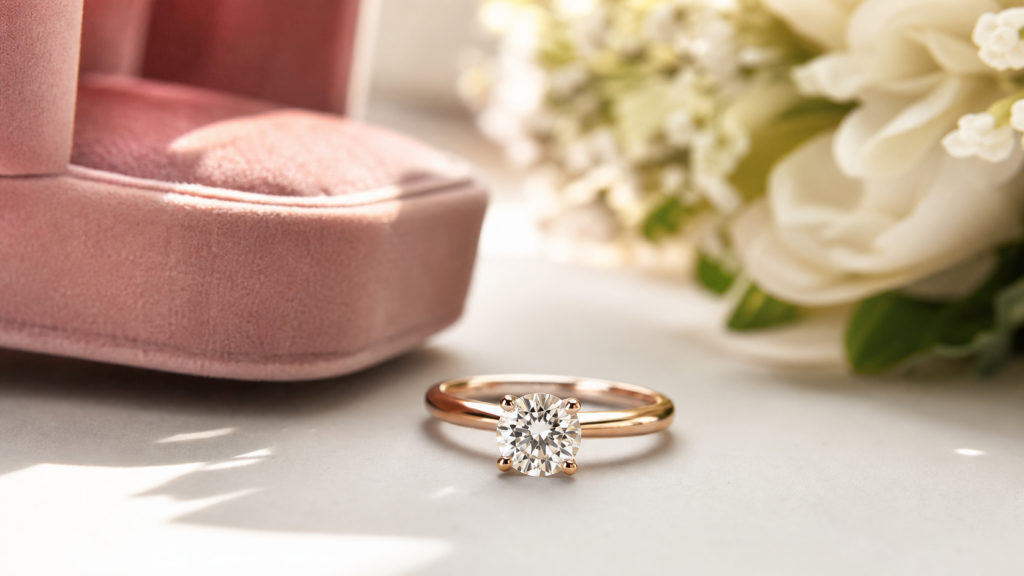
An engagement ring is both a piece of jewelry and a daily symbol of commitment, which is why choosing one can feel exciting—and stressful. You want it to look beautiful, fit comfortably, last for years, and match the wearer’s style without blowing your budget or making avoidable mistakes.
This guide breaks the process into clear steps. You’ll learn the most popular ring styles, how to compare diamonds and alternative stones, what settings and metals mean for durability, how to get sizing right, and what to check before you buy.
Start With the Most Important Question: How Will It Be Worn?
Before you think about carats or sparkle, think about lifestyle. The “best” ring is the one that fits real life.
Consider these daily factors:
- Does the wearer work with their hands (healthcare, fitness, trades, childcare)?
- Do they wear gloves often?
- Do they prefer minimal jewelry or bold statement pieces?
- Do they want to stack the ring with a wedding band?
- Are they sensitive to metals or have skin allergies?
If the ring must handle daily wear, choose a durable stone, a secure setting, and a practical profile (how high the stone sits).
Engagement Ring Styles: The Main Design Categories
Ring style is the overall look and structure. Choosing the style early helps narrow everything else.
Solitaire
A single center stone with a simple band.
Why people love it:
- Timeless and easy to match with bands
- Lets the stone stand out
- Works with many settings (prong, bezel)
Good for:
- Minimal style
- Classic looks
- Maximum versatility
Halo
A center stone surrounded by smaller stones.
Why it’s popular:
- Adds sparkle and visual size
- Can protect the center stone edges (depending on design)
Things to watch:
- More small stones means more maintenance over time
- Cleaning can take a bit more effort
Three-stone
A center stone with two side stones.
What it does well:
- Balanced look with strong presence
- Side stones can change the shape and style dramatically
Common side stone choices:
- Tapered baguettes (clean, modern)
- Round stones (more sparkle)
- Pear side stones (soft, elegant)
Pavé or micro-pavé band
Small stones set along the band.
Benefits:
- High sparkle from every angle
- Luxurious look even with a smaller center stone
Tradeoffs:
- Small stones can loosen over time with heavy wear
- Requires careful craftsmanship and routine checks
Vintage-inspired
Details like milgrain edges, filigree, engraving, and antique-style settings.
Best for:
- Romantic, detailed looks
- People who want something unique but still classic
Modern minimal / contemporary
Clean lines, wider bands, geometric shapes, and smooth settings.
Best for:
- Understated style
- Sleek, architectural design preferences
Choosing the Center Stone: Diamond and Popular Alternatives
The center stone drives the ring’s look and cost. The “right” stone depends on sparkle preference, durability needs, and budget.
Diamond (natural or lab-grown)
Diamonds are popular because they are very hard and handle daily wear well.
Key choice: natural vs lab-grown
- Natural diamonds form in the earth.
- Lab-grown diamonds are created in controlled environments and are also real diamonds.
How to decide:
- If you prioritize rarity and tradition, you may lean natural.
- If you prioritize value and size-for-budget, you may prefer lab-grown.
Moissanite
Moissanite is a diamond alternative known for strong sparkle and good durability.
Why people choose it:
- Bright, fiery sparkle
- Often offers more size for the budget
- Holds up well to daily wear
What to know:
- It has a different sparkle pattern than diamond, which some people love and others notice immediately.
Sapphire (including colored sapphire)
Sapphire is a durable gemstone and a popular non-diamond engagement stone.
Benefits:
- Excellent durability for everyday wear
- Available in many colors (blue, green, yellow, pink, white)
What to watch:
- Color and clarity vary widely
- Some stones show color zoning (bands of color)
Ruby and emerald
These can look stunning but require more thought.
- Ruby can be durable enough for daily wear if well set.
- Emerald is softer and can chip more easily, so it often suits careful wearers or protective settings.
If you choose a softer stone, setting choice becomes even more important.
Diamond Basics: How to Compare Without Getting Overwhelmed
Many buyers hear about the “4Cs” and then get stuck. You can keep it simple by prioritizing what matters visually.
Cut (top priority for sparkle)
Cut quality influences brilliance more than most people realize. If sparkle matters, prioritize cut even if it means compromising slightly on other categories.
Color (appearance preference)
Color grades describe how colorless a diamond looks. Many people prefer a balanced choice that looks bright without paying extra for the highest grades.
Tip: Metal color affects perceived color
- White metals (platinum/white gold) can make warm diamonds look warmer.
- Yellow/rose gold can make slight warmth look intentional and elegant.
Clarity (avoid visible flaws, not perfect grades)
Clarity matters most when inclusions are visible to the naked eye. Many diamonds look clean without being “perfect.”
Practical approach:
- Aim for “eye-clean” instead of chasing the highest clarity on paper.
Carat (size)
Carat is weight, not visible size alone. Two diamonds with the same carat can look different depending on shape and how they’re cut.
If you want a larger look:
- Consider shapes that face up larger (like oval)
- Choose a slightly thinner band or a halo (if desired)
- Focus on proportions that maximize spread
Stone Shapes: How Shape Changes the Look
Shape is one of the most personal choices. It impacts style, perceived size, and sometimes durability.
Popular options:
- Round: classic, bright sparkle, versatile
- Oval: elegant and often looks larger than its carat weight
- Cushion: soft corners, romantic, can look vintage
- Princess: sharp corners, modern, needs corner protection
- Emerald cut: long facets, “hall of mirrors” look, shows clarity more
- Pear: distinctive, flattering on the hand, needs secure tip protection
- Marquise: elongated and dramatic, can look larger, may snag if set high
If you don’t know the wearer’s preference, round, oval, and cushion tend to be safe starting points.
Settings: The Part That Protects the Stone
A setting is how the stone is held in place. It affects both appearance and durability.
Prong setting
Most common setting style.
Pros:
- Maximizes light and sparkle
- Classic look
- Many design variations
Cons:
- Prongs can snag if not well finished
- Needs periodic checks to ensure prongs stay tight
Bezel setting
Metal surrounds the stone’s edge.
Pros:
- Very secure and protective
- Smooth profile, less snagging
- Great for active lifestyles
Cons:
- Slightly less light from the sides (depends on design)
Cathedral setting
The band rises up to support the stone.
Pros:
- Elegant profile
- Adds strength and presence
Cons:
- Can sit higher and catch more easily if not designed thoughtfully
Tension-style setting
Stone appears “held” by pressure.
Pros:
- Modern and striking look
Cons:
- Requires precise engineering and is less forgiving
- Not ideal for frequent resizing
Metal Choices: Durability, Color, and Maintenance
Metal choice affects comfort, color, price, and long-term wear.
Platinum
- Naturally white, dense, and durable
- Develops a patina over time (some love it, some polish it)
Great for:
- Long-term wear
- Secure stone holding
White gold
- Popular bright look
- Often plated to maintain whiteness
What to know:
- May need re-plating over time depending on wear
Yellow gold
- Classic, warm tone
- Hides small scratches well
Great for:
- Vintage or timeless looks
- People who like warm jewelry tones
Rose gold
- Soft pink tone, modern-romantic style
- Often durable depending on alloy mix
Great for:
- Warm skin tones or unique styling
- Pairing with certain stone colors
Band width and thickness matter
Even with the same metal, a very thin band can wear faster, especially for daily use. If durability is a priority, don’t go too delicate.
Comfort and Practical Fit: What People Notice After the Proposal
A ring can look perfect but feel annoying every day if comfort is ignored.
Low vs high profile
- Low-profile rings snag less and feel more secure.
- High-profile rings can look dramatic but may catch on clothing.
Comfort-fit bands
A comfort-fit band has a slightly rounded interior that can feel smoother, especially on wider bands.
Matching with a wedding band
If the wearer plans to stack:
- Check if the engagement ring allows a band to sit flush
- Consider a contour band if the setting sits low
Budgeting: How to Spend Smart Without Regret
There’s no single “correct” amount to spend. The best budget is the one that protects your finances and still gets a ring you’re proud to give.
Focus on value choices:
- Prioritize cut quality for sparkle
- Choose “eye-clean” clarity instead of chasing top grades
- Consider lab-grown diamond or moissanite for size-for-budget
- Choose a secure, well-made setting rather than a fragile design
Also plan for “hidden” costs:
- Resizing
- Taxes/fees
- Insurance (optional but common)
- Future maintenance (cleaning, prong checks)
Getting the Right Ring Size (Without Ruining the Surprise)
Sizing mistakes are common, and they’re fixable, but it’s better to get close.
Practical sizing methods:
- Borrow a ring they already wear on the correct finger (if possible)
- Ask a trusted friend or family member
- Use a temporary “proposal ring” and size afterward
- Choose a setting that can be resized easily (some designs are harder)
Important note:
- Fingers change size with temperature and time of day.
- Wider bands often feel tighter than thin bands.
If you’re between sizes, many people choose slightly larger and resize down for comfort.
Buying Online vs In-Store: How to Decide
Both can be great. The best choice depends on how confident you feel evaluating quality and how much support you want.
Buying online can work well if you:
- Know the style and stone shape you want
- Want more selection and easy comparisons
- Have a clear return and resizing policy to rely on
Checklist before buying online:
- Clear photos and videos of the exact ring/stone
- Written specs and what’s included
- Return window and conditions
- Warranty and maintenance terms
- Resizing policy and timeline
Buying in-store can be ideal if you:
- Want to see sparkle and size in person
- Prefer guided help and immediate answers
- Want hands-on sizing and try-ons
Good in-store habits:
- Compare multiple shapes in similar size
- View the stone in different lighting (bright and soft)
- Ask how the ring is built (prongs, thickness, stone security)
Custom Engagement Rings: When Custom Is Worth It
Custom can be a great option if you want a specific look or have a unique stone in mind.
Custom is often worth it when:
- The wearer has a very specific taste
- You want a unique setting or mixed metals
- You need a special fit (flush band, low profile, comfort needs)
To keep custom manageable:
- Bring reference photos
- Decide what must be included vs what is flexible
- Approve a final design before production
- Confirm timelines (custom takes longer)
Care and Maintenance: Keep the Ring Looking New
A well-made engagement ring still needs routine care.
At-home care
- Clean gently with mild soap and warm water (when appropriate)
- Use a soft brush to remove oils and buildup
- Rinse and dry with a soft cloth
What to avoid
- Harsh chemicals (some cleaners can damage certain stones or metals)
- Wearing the ring during heavy lifting or impact activities
- Sleeping in the ring if it snags or has delicate details
Professional maintenance
Many people schedule periodic checks to:
- Ensure prongs are secure
- Tighten any loose stones
- Polish and restore shine if desired
If the ring includes many small stones, routine checks matter even more.
Ethical and Practical Considerations Many Couples Discuss
Today, many couples want the ring choice to align with their values.
Common considerations include:
- Natural vs lab-grown diamond preference
- Recycled metal options
- Vintage or pre-owned rings
- Responsible sourcing policies (varies by seller)
There’s no single “right” answer—just what fits your priorities and comfort level.
A Simple Step-by-Step Engagement Ring Buying Plan
If you want a clear plan, use this:
- Confirm style direction (solitaire, halo, vintage, modern)
- Choose stone type (diamond, lab diamond, moissanite, sapphire)
- Choose shape (round, oval, cushion, etc.)
- Pick setting style (prong, bezel, cathedral) based on lifestyle
- Pick metal color and band thickness
- Set budget with room for resizing and maintenance
- Confirm ring size (or plan proposal sizing)
- Review return/resizing/warranty details before purchase
- Inspect the ring and keep documentation for future service
This keeps you focused and reduces impulse decisions.
Conclusion
An engagement ring is easiest to choose when you start with real life: the wearer’s style, daily routine, and comfort needs. From there, pick a durable stone, a secure setting, and a metal that fits the look you want. Focus on practical value—sparkle, craftsmanship, and fit—over chasing perfect numbers on paper. With a clear plan and a few smart checks before buying, you can choose a ring that looks beautiful now and still feels right years from today.
6. FAQs
How do I choose the right engagement ring style?
Start by observing what jewelry the wearer already likes (simple, vintage, bold). Then match it to a practical setting that fits their lifestyle and comfort needs.
What is the most durable stone for an engagement ring?
Diamonds are among the most durable for daily wear. Moissanite and sapphire are also strong options for an engagement ring worn every day.
Is a bezel setting good for an engagement ring?
Yes. A bezel setting can be a great engagement ring choice for active lifestyles because it protects the stone edge and reduces snagging.
How do I know the correct engagement ring size?
Borrow an existing ring, ask a trusted friend or family member, or propose with a temporary ring and resize afterward. Remember fingers can change size with temperature.
Should I buy an engagement ring online or in-store?
Online can offer more selection and easier comparisons, while in-store helps you see sparkle and size in person. Either can work if return and resizing policies are clear.
How often should an engagement ring be checked or cleaned?
Many people clean at home occasionally and schedule periodic checks to confirm prongs and stones are secure. Frequency depends on how often the ring is worn and its design.
What’s the difference between a solitaire and a halo engagement ring?
A solitaire features one center stone for a clean, classic look. A halo surrounds the center stone with smaller stones for extra sparkle and a larger visual presence.