
window films are thin, layered sheets applied to glass to improve comfort, privacy, safety, and energy performance. You can use them on home windows, office...
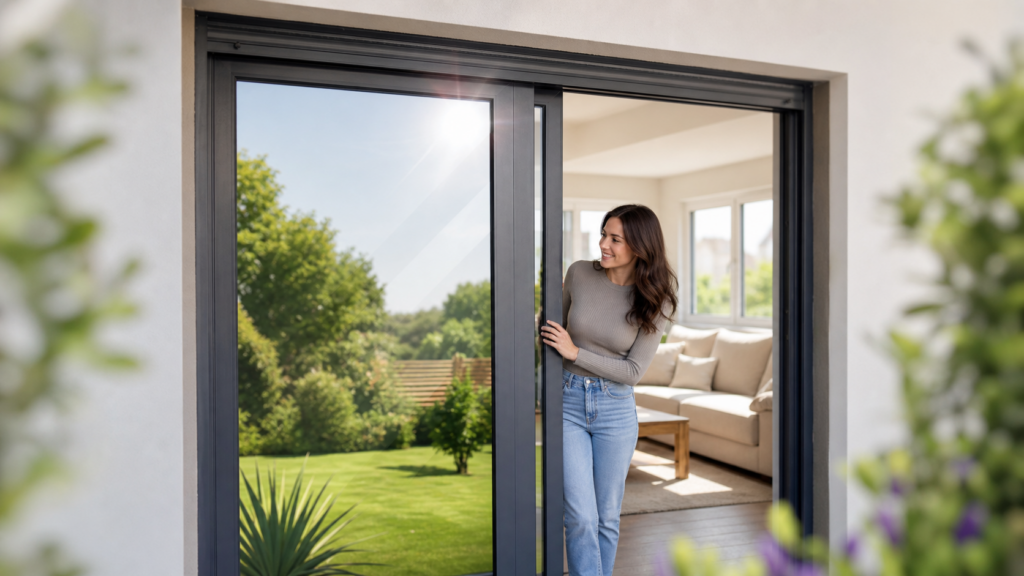
window films are thin, layered sheets applied to glass to improve comfort, privacy, safety, and energy performance. You can use them on home windows, office partitions, storefronts, and even vehicle glass (with different rules). The right film can reduce heat and glare, block UV rays that fade furniture, add daytime privacy, or help hold shattered glass together in an accident.
But not all films do the same job. Some are made for solar control, others for privacy or security, and many “one-size-fits-all” choices disappoint because they don’t match the real problem you’re trying to solve. This guide walks you through the main types, how they work, what they cost, and how to choose a film that performs well for years.
What Window Films Do (In Simple Terms)
Window film changes how sunlight and heat move through glass. Depending on the film, it can:
- Reduce solar heat gain so rooms feel cooler
- Cut glare on screens and TV
- Block UV light that fades floors, rugs, furniture, and artwork
- Add privacy by limiting visibility into a room
- Improve safety by helping broken glass stay together
- Upgrade appearance with decorative patterns or frosted looks
You don’t need to replace the window to get many of these benefits. Film is often a faster, cheaper upgrade—especially for buildings with large glass areas.
The Main Types of Window Films (And When to Use Each)
Solar control (heat reduction) films
Solar films are designed to reduce heat from the sun and improve comfort.
Best for:
- Hot rooms with strong sun exposure
- West- and south-facing windows (in many climates)
- Offices with big glass walls
- Rooms where the AC runs constantly
What you’ll notice:
- Cooler glass surface
- Less “hot spot” feeling near windows
- Reduced glare
Tradeoff:
- Some films slightly darken the glass (depending on visible light transmission)
UV-blocking films
Many films block UV, but some emphasize UV protection while staying very clear.
Best for:
- Protecting furniture, art, and flooring from fading
- Homes that want minimal change to window appearance
- Retail displays where product fading is a concern
Important note:
UV film helps reduce fading, but fading can still happen over time because heat and visible light also contribute. Film reduces the damage; it doesn’t make fading impossible.
Privacy films
Privacy films are built to limit visibility through the glass.
Common styles:
- Frosted/etched look: great for bathrooms and office partitions
- One-way (reflective) film: strong daytime privacy when it’s brighter outside
- Patterned decorative film: adds style while blocking direct views
Reality check:
“One-way” privacy typically works best in the daytime. At night, if your lights are on inside, people may see in unless you use curtains or choose a different privacy solution.
Safety and security films
These films are thicker and designed to improve glass retention.
Best for:
- Ground-floor windows
- Glass doors and sidelights
- Storefronts
- Schools and offices that want added protection
What they do:
- Help hold shards together if glass breaks
- Make forced entry slower and louder (glass is harder to push through)
Security film does not make glass unbreakable. It reduces risk and buys time.
Anti-glare films
Anti-glare films reduce harsh light without making the room too dark.
Best for:
- Home offices
- Conference rooms
- Rooms with large TVs or monitors near windows
If glare is your #1 problem, prioritize glare reduction specs rather than choosing purely by “darkness.”
Decorative films
Decorative films are mainly for looks and privacy, often used on interior glass.
Best for:
- Bathrooms
- Office meeting rooms
- Glass partitions
- Entry doors with glass panels
They can also support branding and style without permanent etching.
Key Performance Specs to Understand Before You Buy
You don’t need to become an engineer, but a few terms help you compare films correctly.
Visible Light Transmission (VLT)
VLT describes how much visible light passes through the window. Lower VLT means a darker look.
- Higher VLT: brighter room, more natural light
- Lower VLT: more glare reduction and privacy, but darker interior
If you love bright rooms, don’t choose a very low VLT just to reduce heat. Consider modern ceramic films that reduce heat with less darkening.
Heat rejection / solar control numbers
Brands describe heat performance in different ways. In practice, focus on what you want most:
- “I want the room cooler” (heat reduction)
- “I want less glare on screens” (glare reduction)
- “I want to protect furniture” (UV reduction)
Ask the installer or product listing which window orientation and climate the film is best for.
Interior vs exterior installation
Most residential films are installed on the interior side of glass. Exterior films exist and can be helpful when interior installation is difficult, but they face more weather wear.
If you’re not sure, ask what installation method is recommended for your window type.
Benefits of Window Films for Homes
Lower cooling costs and more comfort
Solar films can reduce heat entering a room. That can:
- Reduce how often your AC runs
- Make hot rooms usable again
- Improve comfort near windows
You’ll often feel the comfort benefit before you notice the bill difference.
UV protection for interiors
UV-blocking window films help protect:
- Hardwood floors
- Upholstery and curtains
- Artwork and framed photos
- Retail products near windows
Better privacy without major remodeling
Privacy film can solve common issues fast:
- Bathroom windows that need frosting
- Front door glass where you want light but not visibility
- Street-facing windows where people can see in
Reduced glare for work and entertainment
If you work from home, glare reduction can be a quality-of-life upgrade. It also helps with:
- Video calls
- Reading and studying
- TV viewing during daylight hours
Benefits of Window Films for Offices and Commercial Spaces
Improved employee comfort and productivity
Glare and heat near windows can create constant discomfort. Film can stabilize room conditions and reduce complaints.
Cleaner look and more consistent branding
Decorative or frosted films can:
- Add privacy to meeting rooms
- Create a premium glass-partition look
- Define spaces without building walls
Security and safety upgrades
Safety and security films support:
- Glass retention in accidents
- Reduced break-in risk
- Lower hazard risk from shattered glass
Where Window Films Work Best (And Where They Don’t)
Great candidates
- Large glass areas with strong sun exposure
- Older buildings with clear glass and high heat gain
- Rooms with electronics near windows
- Bathrooms and entry doors that need privacy
- Glass partitions in offices
Situations that need extra caution
- Double-pane windows: Some films can increase thermal stress if mismatched. Choose films designed for your window type.
- Very old or damaged glass: Weak seals or existing cracks can worsen.
- Tint expectations: Some people want a dark look; others want near-clear. Choose based on the room’s purpose.
If you’re unsure, professional guidance helps because the wrong film on the wrong glass can lead to premature seal failure in some cases.
DIY vs Professional Installation
You can install some window films yourself, especially small decorative or privacy films. But larger solar or security films are harder to do well.
When DIY makes sense
- Small windows (bathroom, sidelights)
- Decorative/frosted films
- You have patience for cleaning and careful trimming
- You can accept minor imperfections
When pro install is usually worth it
- Large panes or tall windows
- Solar control films where clean edges matter
- Security films that require precise anchoring methods
- Commercial projects with many windows
- You want a warranty and consistent finish
A professional installer usually delivers:
- Cleaner final look (fewer bubbles, less dust)
- Faster completion
- Better edge work and alignment
- Product and labor warranties (varies)
Cost: What Affects the Price of Window Films?
Pricing varies widely, but the main cost drivers are consistent.
Main factors that change cost
- Film type (decorative vs solar vs security)
- Film thickness (security is typically thicker)
- Window size and quantity
- Window access (height, ladders, obstacles)
- Complexity (divided panes, curved glass)
- Removal of old film (adds labor)
Budget planning tip
When comparing quotes, ask what’s included:
- Film removal (if needed)
- Cleaning and prep
- Warranty terms
- Any exclusions (skylights, high windows, special glass types)
How to Choose the Right Window Film for Your Goal
Start with the problem, then match the film.
If your room is too hot
Choose a solar control film. Prioritize heat reduction and a VLT that still feels comfortable indoors.
If your main problem is glare on screens
Choose anti-glare or solar film with strong glare reduction. Consider a moderate tint rather than the darkest option.
If you need daytime privacy
Choose reflective privacy film, but remember it works best when it’s brighter outside than inside.
If you need 24/7 privacy (bathrooms, meeting rooms)
Choose frosted or decorative film. It provides privacy day and night because it blocks visibility, not just reflections.
If you want safety and breakage protection
Choose safety/security film. For high-risk areas, ask about anchoring systems and edges (how the film is secured to the frame matters).
Installation Basics (What the Process Typically Looks Like)
Even if you hire a pro, it helps to know the steps.
1) Glass cleaning and prep
Installers clean the glass intensely. Any dust or residue can become a visible bubble.
2) Measuring and cutting
Film is cut to size, often with a small margin for clean edges.
3) Application with slip solution
The installer sprays a solution on the glass so the film can slide into place.
4) Squeegee and edge work
They push out water and air, then seal edges.
5) Curing time
Film needs time to dry and cure. Some haze or small water pockets can appear early and typically improve as it cures.
Care and Maintenance: Keep Window Films Looking New
Most window films are easy to maintain, but cleaning mistakes can shorten lifespan.
Cleaning best practices
- Wait for full curing before cleaning (ask your installer for timing)
- Use soft cloths or non-abrasive sponges
- Avoid harsh scrapers and abrasive pads
- Choose gentle cleaners (avoid strong ammonia unless the film is rated safe for it)
Preventing edge damage
- Don’t pick at corners
- Be careful with blinds and metal edges that rub the film
- Avoid pressure washing film edges on exterior installs
Common Problems (And How to Avoid Them)
Bubbles and “silvering”
Small bubbles right after install can be normal during curing. Persistent bubbles often come from:
- Dust on glass
- Poor squeegee technique
- Low-quality film or old adhesive
Prevention:
- Use clean prep, quality film, and careful installation.
Film peeling at edges
Edge peel usually happens from:
- Moisture intrusion
- Poor edge sealing
- Physical rubbing (blinds, frequent contact)
Prevention:
- Keep edges clean, avoid rubbing, and use pro install for large panes.
Too dark indoors
This happens when people choose a film based only on exterior look.
Prevention:
- Test a sample or choose higher VLT if you value daylight.
Privacy film not private at night
Reflective film can lose privacy when interior lights are bright.
Prevention:
- Use frosted film for true privacy or pair reflective film with curtains at night.
Special Note: Window Films for Cars (Tint Laws and Practical Choices)
Many people use the term window films to include automotive tint. Car tint can be great for heat and glare, but it comes with legal and safety requirements.
Key points to consider:
- Local rules often limit how dark front windows can be.
- Windshield tint is usually restricted to a top strip or specific clear films.
- Visibility and night driving matter. Extremely dark tint can reduce safety.
- Quality matters because cheap tint can turn purple or bubble over time.
If you want heat reduction without going too dark, ask about ceramic-style films designed for high heat control with higher visibility.
How to Decide Quickly (A Simple Checklist)
Use this checklist to pick the right direction:
- What is the main goal: heat, glare, privacy, safety, or style?
- Is privacy needed during the day only or day and night?
- Do you want the glass to look darker or stay mostly clear?
- Are the windows double-pane or special coated glass?
- Is the window area large and hard to install without flaws?
- Do you need a warranty and pro finish?
Answering these makes it much easier to choose the right film type and installation method.
Conclusion
Window films are one of the most practical upgrades you can make to glass because they solve real problems—heat, glare, UV damage, privacy, and safety—without replacing the window. The best results come from matching the film to your goal, understanding basic specs like light transmission, and choosing professional installation for large or high-performance projects. If you start with the problem you want to fix and pick a film designed for your glass type and environment, you’ll get a cleaner look, better comfort, and long-term value.
6. FAQs
What are window films used for?
Window films are used to reduce heat, block UV rays, cut glare, add privacy, improve safety by holding glass together, and upgrade the look of windows.
Do window films really reduce heat in a room?
Yes, solar-control window films can reduce the amount of solar heat entering through glass, which can make rooms feel noticeably cooler and more comfortable.
Can window films provide privacy at night?
Some do, some don’t. Frosted and decorative window films provide day-and-night privacy. Reflective “one-way” films usually provide the best privacy during the day.
Are window films safe for double-pane windows?
Many are, but you must choose films compatible with your window type. The wrong film can increase thermal stress on some insulated glass units, so verify compatibility before installing.
How long do window films last?
Lifespan depends on film quality, sun exposure, and installation. With proper care, many films last for years, especially when installed correctly and cleaned gently.
Can I install window films myself?
You can DIY small decorative or privacy films if you’re careful with cleaning and alignment. For large windows, solar films, or security films, professional installation usually looks better and lasts longer.
Do window films damage windows when removed?
When removed properly, most window films come off without damaging glass. Old film can leave adhesive residue, which may require extra cleaning during removal.