
If you’re researching neurotoxin treatments in Murray, you’re likely looking for a way to soften expression lines, prevent deeper wrinkles, or manage a concern like...
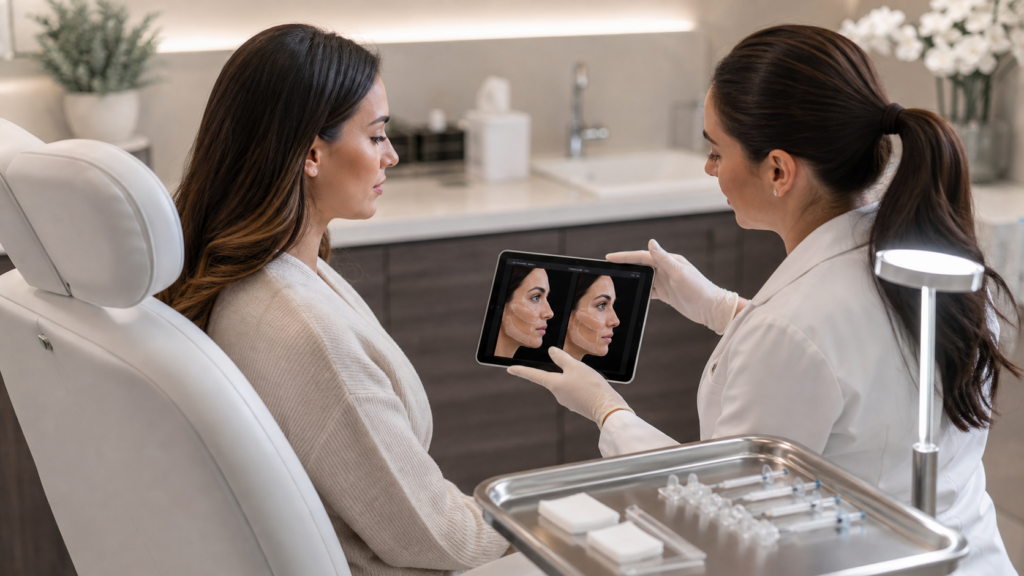
If you’re researching neurotoxin treatments in Murray, you’re likely looking for a way to soften expression lines, prevent deeper wrinkles, or manage a concern like jaw clenching or excessive sweating—while keeping results natural and your risk low. Neurotoxin injections are common in aesthetics, but the experience and outcome depend heavily on the injector’s skill, your facial anatomy, and having a plan that fits your goals.
This guide explains what neurotoxin treatments are, the most common areas treated, how long results typically last, what affects pricing, what to expect at your appointment, and how to choose a qualified provider in Murray without falling for hype.
What Neurotoxin Treatments Are (In Plain English)
“Neurotoxin” in aesthetics usually refers to botulinum toxin type A products used in tiny, controlled doses to relax specific muscles. When targeted correctly, relaxing a muscle can reduce the appearance of dynamic wrinkles—lines formed by repeated facial expressions like frowning or squinting.
Neurotoxin treatments are often used for:
- Forehead lines
- Frown lines (“11s” between the brows)
- Crow’s feet (outer eye lines)
- Brow shaping (subtle brow lift in some cases)
- Chin dimpling
- Neck banding (in select cases)
- Jaw tension from clenching (masseter area)
- Excessive sweating (hyperhidrosis) in areas like underarms
Neurotoxin isn’t the same as dermal filler. Fillers add volume or structure, while neurotoxins reduce muscle movement to soften expression-related lines.
Who Is a Good Candidate for Neurotoxin Treatments?
Many adults consider neurotoxin for either prevention or correction. You may be a good candidate if you:
- Notice lines that appear when you make expressions (smile, squint, frown)
- Want to reduce a “tired” or “angry” look caused by strong muscle movement
- Prefer gradual, subtle changes rather than dramatic shifts
- Want a treatment with no surgery and minimal downtime
You may need extra caution or a different plan if you:
- Are pregnant or breastfeeding (many providers postpone treatment)
- Have certain neuromuscular conditions (your provider will screen)
- Have an active skin infection at the injection site
- Are taking medications or supplements that increase bruising (your clinician can advise)
A reputable clinic will do a health and medication review before treating.
Common Areas for Neurotoxin Treatments (And What Each One Does)
Results depend on anatomy and dosing strategy, but here’s what people typically seek.
Frown lines (glabellar lines / “11s”)
Goal: Soften the vertical lines between the eyebrows and reduce the intensity of frowning muscle activity.
Why it’s popular: This area can strongly influence facial expression—relaxing it can make the face look calmer.
Forehead lines
Goal: Soften horizontal forehead lines while maintaining natural expression.
Important nuance: Forehead treatment is often balanced with frown-line treatment to avoid unwanted brow changes.
Crow’s feet
Goal: Reduce outer-eye crinkling when smiling and soften the look of “tight” squinting muscles.
Common preference: Many people want this area softened but not frozen so their smile still looks like them.
Brow shaping (subtle brow lift)
Goal: A mild lift can sometimes be achieved by relaxing specific muscles that pull the brow down.
Key point: “Lift” is subtle and should be planned conservatively.
Bunny lines (nose wrinkles)
Goal: Reduce lines that form on the sides of the nose when smiling or scrunching.
Tip: This is usually a small-dose area.
Chin dimpling
Goal: Smooth a pebbled or dimpled chin appearance caused by muscle contraction.
Jaw clenching / masseter area
Goal: Reduce clenching tension and sometimes slim the lower face over time (results vary).
Important: This should be done thoughtfully—over-relaxing can affect chewing comfort or facial balance for some people.
Underarm sweating (hyperhidrosis)
Goal: Reduce sweating by blocking nerve signals to sweat glands in the treated area.
Note: This is often discussed as a quality-of-life treatment; results and duration vary by individual.
What Results Look Like: Timeline and Longevity
Neurotoxin results are not instant, and that’s normal.
Typical timeline
- Day 1–2: You may feel normal; some people notice mild tenderness or small bumps at injection points that settle quickly.
- Days 3–7: Early changes begin for many people.
- Days 10–14: Often the “full” result window where the treatment has settled.
- Weeks 6–10: Many people feel they are at peak consistency.
- Around 3–4 months: Results often start gradually fading for many patients (some last longer, some shorter).
Your longevity depends on dose, metabolism, muscle strength, and how expressive you are.
“Natural” vs “Frozen”: How to Communicate Your Preference
One of the most important parts of successful neurotoxin is alignment on the look you want.
A natural plan often means:
- Keeping some movement
- Using conservative dosing
- Choosing fewer areas at first
- Adjusting over time based on how you respond
If you’ve never had neurotoxin before, many providers recommend starting conservatively, then refining at follow-ups.
What a Good Consultation in Murray Should Include
A quality consultation should feel structured, not rushed.
Expect:
- Discussion of your goals (what bothers you, what you want to keep)
- Facial movement assessment (raising brows, frowning, smiling)
- Review of medical history, allergies, and current medications
- Explanation of options and expected changes
- A realistic discussion of limitations and risks
- A plan for follow-up and what to do if you’re not happy
You should leave knowing which areas will be treated and why.
Neurotoxin Options: What “Different Brands” Usually Means
Many clinics offer more than one botulinum toxin type A product. While the underlying mechanism is similar, products can differ in:
- Onset timing (how quickly you notice changes)
- How the result “feels” (subjective)
- Diffusion/spread characteristics (injector-managed)
- Pricing and unit measurement differences
The best product for you depends on your anatomy, goals, and your injector’s experience with that product—not just what’s trending.
How Much Do Neurotoxin Treatments in Murray Cost?
Pricing varies by clinic, injector credentialing, and treatment plan complexity. Most practices price in one of these ways:
Per unit pricing
You pay for the number of units used.
Good for: customized dosing and transparency.
Per area pricing
You pay a flat fee for an area (forehead, frown lines, crow’s feet).
Good for: predictable budgeting, but you should confirm what’s included (dose range, touch-up policy).
What affects the total cost
- Number of areas treated
- Muscle strength and baseline movement
- Desired level of movement (some want very minimal movement)
- Injector experience and time spent on assessment
- Whether follow-up adjustments are included
Instead of looking for the lowest number, compare what the plan includes and whether it matches your goals.
How to Choose a Provider for Neurotoxin Treatments in Murray
Because results are technique-dependent, provider choice matters as much as product choice.
Look for clinical credibility and experience
Ask:
- Who performs the injections (and what are their credentials)?
- How long have they been injecting neurotoxin?
- Do they do facial assessment and individualized dosing?
You want someone who treats facial balance as a system, not a checklist.
Ask to see before/after examples that match your goal
If you want subtle results, ask for subtle examples. If you want stronger smoothing, ask for that style. The “best injector” is often the one whose aesthetic matches yours.
Pay attention to how they talk about risk
A good provider explains:
- Common side effects (temporary redness, swelling, bruising)
- Less common but important risks (asymmetry, droop, headache, unwanted heaviness)
- What to do if something feels off
If you hear guaranteed outcomes or “no risk,” that’s a red flag.
Avoid “one size fits all” dosing
Faces are different. The best results come from customized placement and dosing.
Evaluate the clinic’s process and hygiene
The environment should feel medical and professional:
- Clean treatment rooms
- Proper sharps disposal
- Clear post-care instructions
- Documented consent and medical intake
What to Expect on Treatment Day
A typical appointment is straightforward.
Before injections
- Photos may be taken for your chart (common)
- The provider marks or maps areas based on your movement
- Skin is cleaned thoroughly
- Treatment plan is confirmed again
During injections
- You’ll feel quick pinches; most people tolerate it well
- The appointment is often relatively short, but quality providers still take time to assess and place precisely
After injections
You may have:
- Tiny bumps that settle
- Mild redness
- Occasional bruising (varies by person)
Most people return to normal activities right away, but follow your provider’s aftercare instructions.
Aftercare: Simple Steps That Protect Your Result
Aftercare advice varies, so follow your clinic’s instructions. Common guidance may include:
- Avoid rubbing or massaging treated areas for a period of time
- Keep skincare gentle the rest of the day
- Skip strenuous exercise for a short window if advised
- Avoid lying flat immediately after if your provider recommends waiting
- Call the clinic if you notice unexpected changes
If you have an important event, schedule treatment with enough time for results to settle—often about two weeks is a safer buffer.
Side Effects and Risks (What to Know Without Fear-Mongering)
Most side effects are mild and temporary, but it’s still important to understand possibilities.
Common, usually mild effects
- Temporary redness or swelling at injection points
- Minor tenderness
- Bruising
- Mild headache
Less common but important effects
- Eyelid or brow droop
- Uneven results or asymmetry
- A heavy feeling in the forehead
- Dry eye or watery eye (depending on placement and anatomy)
Most concerns can be managed, but they’re best prevented with careful dosing and placement—and by choosing an experienced injector.
Neurotoxin vs Other Treatments: When Something Else Might Be Better
Neurotoxin is excellent for expression lines, but it won’t solve everything.
You may need a different or combined approach if you have:
- Deep static lines that remain even when the face is relaxed
- Volume loss in cheeks or under eyes (often a different treatment category)
- Sun damage or texture concerns (often addressed with resurfacing or skincare plans)
- Skin laxity concerns that require other strategies
A strong provider will tell you when neurotoxin is not the best tool for your goal.
How Often Should You Get Treated?
Many people maintain results by treating every few months, but frequency varies.
A practical approach:
- Start with your first treatment
- Evaluate your results at the 2-week mark
- Track how long you like the look before it fades
- Build a schedule that fits your budget and preference for movement
Some people prefer consistent maintenance; others prefer occasional treatment for specific seasons or events.
Preparing for Your Appointment (Quick Checklist)
To get the most out of your visit for neurotoxin treatments in Murray:
- Know your main goal (1–2 areas you care about most)
- Bring a list of medications and supplements
- Mention if you bruise easily
- Avoid planning your appointment right before a major event
- Arrive with clean skin if possible (or be ready to remove makeup)
If you’ve had neurotoxin before, share:
- What you liked and didn’t like
- How long it lasted for you
- Any side effects you experienced
That history helps your injector tailor the plan.
Conclusion
Choosing neurotoxin treatments in Murray is easiest when you focus on provider skill, a customized plan, and realistic expectations—not just price or trend-driven claims. Neurotoxin can soften expression lines and support a refreshed look when placed thoughtfully and conservatively. Start with a clear goal, choose an injector who explains risk and aftercare clearly, and give your results time to settle before judging the outcome. With a good plan and safe technique, many people find neurotoxin treatments a reliable, low-downtime option for aesthetic and functional concerns.
6. FAQs
What are neurotoxin treatments in Murray commonly used for?
Neurotoxin treatments in Murray are commonly used to soften frown lines, forehead lines, and crow’s feet, and sometimes for concerns like jaw clenching or excessive sweating.
How long do neurotoxin results usually last?
Many people notice results for around 3–4 months, though it can be shorter or longer depending on metabolism, muscle strength, and dose.
How soon will I see results after neurotoxin injections?
Early changes often appear within a few days, with fuller results commonly seen around 10–14 days after treatment.
How do I choose the right provider for neurotoxin treatments in Murray?
Look for a qualified injector who performs a detailed facial assessment, explains risks and realistic outcomes, and customizes dosing rather than using a one-size plan.
Are neurotoxin treatments painful?
Most people describe the discomfort as mild and brief, like quick pinches. If you’re concerned, ask your provider about comfort options.
What are common side effects of neurotoxin treatments?
Common side effects include temporary redness, swelling, or bruising. Less common risks include asymmetry or drooping, which is why injector experience matters.
Can I combine neurotoxin with other treatments?
Often yes. Many people combine neurotoxin with skincare, resurfacing treatments, or other aesthetic plans depending on goals. A consultation can clarify what fits your situation.