
Treatment resistant depression is a form of major depressive disorder that does not respond adequately to at least two antidepressant medications taken at the right...

Treatment resistant depression is a form of major depressive disorder that does not respond adequately to at least two antidepressant medications taken at the right dose for the right duration. It affects a significant share of people with depression, and virtual psychiatric care is making treatment for the condition accessible to communities that need it most. For rural Georgia, virtual psychiatric care brings board certified psychiatrists and advanced options directly to patients at home.

When depression does not improve after trying the standard treatments, the experience can feel hopeless, but help exists. Treatment resistant depression is a specific, well studied condition, and it is far more common than most people realize. Virtual psychiatric care is transforming how treatment resistant depression is treated, especially in rural communities where psychiatrists are scarce.
This guide explains what treatment resistant depression is, why it happens, how it is diagnosed, the treatment options for treatment resistant depression, and the ten benefits of virtual psychiatric care for treatment resistant depression, with a focus on rural Georgia.
What Is Treatment Resistant Depression?
Treatment resistant depression, often called TRD, is a form of major depressive disorder that does not adequately respond to at least two antidepressant medications taken at appropriate doses and durations. This definition matters, because the condition is not simply depression that feels severe or lasts a long time, it is depression that has failed to respond to genuine treatment trials.
The clinical definition of treatment resistant depression requires that the medications were adequate, meaning the right dose for long enough, typically six to eight weeks at a therapeutic dose. Before making the diagnosis, clinicians rule out what is called pseudo resistance, where the lack of response came from a dose that was too low, a course that was too short, or poor adherence, rather than from the biology of the condition itself.
The condition affects a meaningful share of people with depression. Estimates vary, with research suggesting that roughly 20 to 31 percent of people with major depressive disorder develop it, depending on the study and definition. The landmark STAR*D trial, which tracked treatment sequences, found that many patients do not achieve remission even after multiple trials, which is why this condition has become a major focus of psychiatric research and treatment.
Why Treatment Resistant Depression Happens
Understanding why it happens helps patients understand that it is not their fault, and that the condition is biological, not a personal failure.
Most antidepressants work on serotonin and noradrenaline pathways in the brain. For some people, the condition involves a brain that responds differently to these pathways, which means the usual medications do not produce relief. This is a biological distinction, and it explains why the condition can persist despite the best efforts of patients and doctors.
The condition is also associated with several factors that can complicate recovery. People with the condition may have co occurring conditions, such as anxiety disorders, chronic medical problems, or substance use, and these can interfere with treatment response. Other factors, including genetics, stress, and the duration of the depression, can also play a role.
None of this means recovery is impossible. Advances in psychiatric medicine have created new treatment options, and many people with the condition do improve with the right combination of treatments, delivered by the right team, which is why seeking specialized care is so important.
Signs and Symptoms of Treatment Resistant Depression
The symptoms of treatment resistant depression are the same symptoms people associate with depression, but they persist despite treatment, which is the defining pattern of the condition.
People with the condition often experience persistent sadness or low mood, loss of interest in activities once enjoyed, fatigue and low energy, difficulty concentrating, feelings of hopelessness, sleep disturbances, changes in appetite, and social withdrawal. When these symptoms continue after adequate treatment, the condition may be present.
The impact goes beyond the symptoms themselves. Research shows the condition is associated with higher rates of suicidal thinking, more chronic courses, and more frequent hospitalizations than depression that responds to treatment. It also carries a heavy personal and economic burden, because it affects work, relationships, and quality of life.
If these symptoms sound familiar and treatment has not helped, an evaluation for the condition is a reasonable next step. Identifying it early opens the door to different and more advanced treatment options, and that is the first step toward improvement.
How Treatment Resistant Depression Is Diagnosed
Diagnosing the condition requires a careful, comprehensive evaluation, and a proper diagnosis is the foundation of effective treatment.
A psychiatric evaluation for the condition typically includes a review of previous antidepressant medications, an assessment of symptom severity and duration, an evaluation for co occurring conditions, a review of medical history and current medications, and identification of factors that may affect treatment response. This evaluation helps determine whether the condition is present and which next steps are most appropriate.
The evaluation also confirms whether the previous medication trials were adequate. If a medication was never taken at a therapeutic dose or for a sufficient duration, the depression may not truly be resistant, and a simpler adjustment could help. Ruling out pseudo resistance is a key part of the diagnosis.
Because the evaluation is detailed, it benefits from a psychiatrist with experience in complex depression. A board certified psychiatrist can sort through years of treatment history, identify what has and has not been tried, and design a plan that is specific to the patient, which is the standard of care for treatment resistant depression.
Treatment Options for Treatment Resistant Depression
Treatment resistant depression is no longer a dead end, because modern psychiatry offers several evidence based options, and a plan often combines more than one.
Medication adjustment and augmentation. Psychiatrists may adjust doses, switch classes, or add medications that work through different mechanisms. Augmentation strategies are common and can produce meaningful improvement.
Spravato therapy. Spravato, or esketamine, is an FDA approved nasal spray specifically indicated for adults with treatment resistant depression. Unlike traditional antidepressants that primarily affect serotonin pathways, Spravato works through glutamate pathways involved in mood regulation and neural connectivity, and it is administered in a monitored clinical setting under medical supervision. For eligible patients, Spravato is one of the most significant advances in treatment resistant depression care in recent years.
Transcranial magnetic stimulation. TMS uses magnetic pulses to stimulate brain regions involved in mood, and it is an evidence based option that does not require medication.
Electroconvulsive therapy. ECT remains one of the most effective treatments for the severe form of the condition, and modern ECT is performed safely under anesthesia with strong evidence of benefit.
Psychotherapy. Therapy, including cognitive behavioral therapy, supports medication and other treatments by addressing thought patterns, behavior, and coping skills.
Lifestyle and support. Sleep, activity, nutrition, and social connection support every treatment plan, and psychiatrists often coordinate these with the clinical treatments.
The right plan depends on the individual, and it is developed through the comprehensive evaluation and adjusted over time based on response.
The 10 Benefits of Virtual Psychiatric Care for Treatment Resistant Depression
Virtual psychiatric care is changing how the condition is treated, and for rural communities, the benefits of virtual psychiatric care are especially meaningful.
1. Access to Specialists for Treatment Resistant Depression
The first benefit of virtual psychiatric care is access. Board certified psychiatrists who specialize in the condition are rare in rural areas, and virtual psychiatric care brings those specialists to patients through secure video, which means care no longer depends on geography.
2. No Long Drives for Treatment Resistant Depression Care
Travel is a major barrier in rural Georgia, where specialty care can be hours away. Virtual psychiatric care removes the drive, so patients can attend appointments from home, and this convenience makes consistent care possible.
3. Shorter Wait Times for Treatment Resistant Depression Treatment
Because virtual psychiatric care reaches more patients more efficiently, wait times can be shorter than the weeks or months common in rural areas, and faster access matters, because delay prolongs suffering.
4. Consistent Continuity of Care for Treatment Resistant Depression
The condition often requires ongoing monitoring and adjustment, and virtual psychiatric care supports continuity by making follow up appointments easy to keep. Consistent care is essential, and virtual visits help patients stay engaged.

5. Reduced Stigma Around Treatment Resistant Depression Care
In small communities, visiting a psychiatric office can feel visible, and stigma can keep people from seeking care. Virtual psychiatric care offers privacy, because patients attend appointments from home, which makes it easier to reach out.
6. Flexibility for Work and Family With Treatment Resistant Depression
Virtual psychiatric care fits into busy lives, and patients can schedule appointments around work and caregiving without travel time. This flexibility improves attendance and engagement in treatment.
7. Access to Advanced Options for Treatment Resistant Depression
Advanced treatments, such as esketamine and TMS, require coordination with experienced psychiatrists, and virtual psychiatric care connects patients to teams that can evaluate and manage these options.
8. Better Monitoring Between Treatment Resistant Depression Visits
Virtual psychiatric care enables more frequent check ins, and psychiatrists can monitor symptoms, side effects, and response more closely, which allows faster adjustments and better outcomes.
9. Family Involvement in Treatment Resistant Depression Care
With virtual psychiatric care, family members can more easily participate in discussions when appropriate, and family support is valuable, because recovery benefits from a strong support network.
10. Equivalent Effectiveness for Treatment Resistant Depression
Research shows that telehealth can be as effective as in person care for many mental health conditions, including depression, and for this condition, virtual psychiatric care delivers the same clinical evaluation and treatment planning with far fewer barriers.

Treatment Resistant Depression and Virtual Care in Rural Georgia
The benefits of virtual psychiatric care are especially important in rural Georgia, where the need is greatest and the access gap is widest.
More than 60 percent of rural Americans live in areas with mental health provider shortages, and over 150 million Americans live in federally designated Mental Health Professional Shortage Areas. Rural Georgia faces a triple burden, with fewer behavioral health providers per capita, greater distances to specialty care, and limited local options, and Georgia has ranked near the bottom nationally for mental health care access.
For someone with the condition in rural Georgia, the practical result of these shortages is often long waits, long drives, or no access at all. Virtual psychiatric care directly addresses this gap, because it does not require a local specialist, and a patient in a rural county can see a board certified psychiatrist who understands the condition without leaving home.
The growing availability of telehealth in Georgia, supported by expanded coverage policies and better broadband access, means virtual psychiatric care is becoming a realistic option for more rural residents, and this matters because the condition cannot wait for the access gap to close.
What to Look for in a Provider for Treatment Resistant Depression
Choosing the right provider is one of the most important decisions a patient can make, and there are specific things to look for in care.
Board certified psychiatric expertise. The condition is complex, and a provider should have board certified psychiatrists with experience treating complex depression and this condition specifically.
Comprehensive evaluation. The provider should perform a thorough evaluation, including review of past medications, symptoms, co occurring conditions, and medical history, because a complete assessment is the foundation of care.
Advanced treatment options. The provider should offer or coordinate advanced options, such as esketamine therapy, TMS, or other evidence based interventions, because these options are often the path forward.
Personalized treatment planning. Care should be individualized, with medication management, therapy coordination, and adjustments based on response, because no two cases are the same.
Virtual and in person options. The provider should offer virtual psychiatric care, and in person appointments where needed, because flexibility supports access and continuity.
Compassionate, patient centered care. Treatment resistant depression is exhausting, and a provider should offer supportive, hopeful, patient centered care throughout treatment resistant depression treatment.
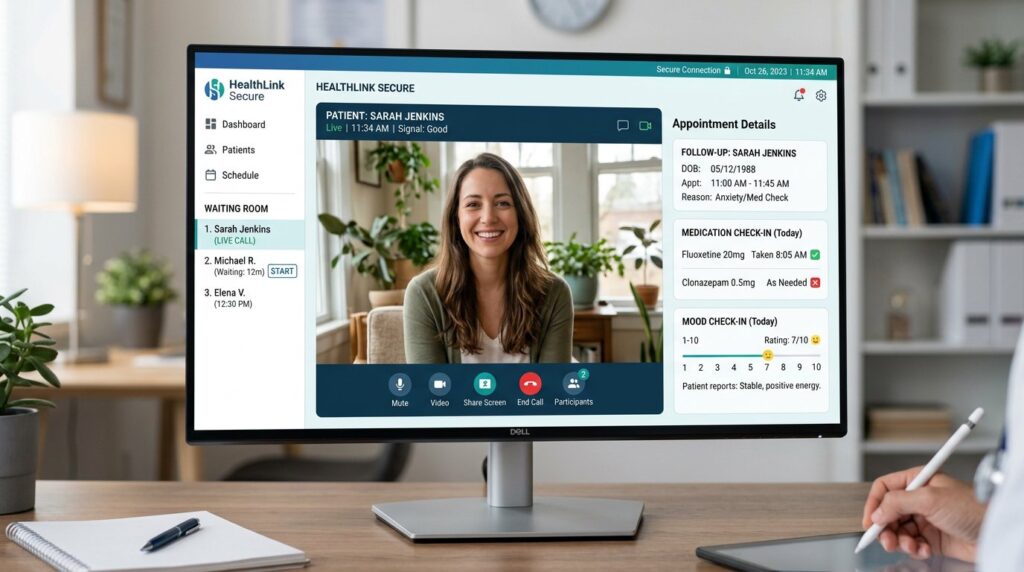
Virtual Care and the Provider
For patients in Savannah, Coastal Georgia, and rural communities across the region, providers like Salt Meadow Psychiatry offer specialized care. Led by Dr. Daniel Perry, MD, MPH, the practice helps adults who continue to experience depressive symptoms despite trying traditional antidepressant medications, and it provides comprehensive psychiatric evaluations, medication management, and advanced therapies such as Spravato for eligible patients.
Salt Meadow Psychiatry offers both in person and virtual appointments, which makes care accessible to patients in Savannah, Pooler, Richmond Hill, Wilmington Island, Garden City, Tybee Island, Skidaway Island, and surrounding Coastal Georgia communities, and this mix of virtual and in person care is exactly what patients in rural and semi rural areas need.
Virtual psychiatric care is a growing and evidence based way to close the access gap, and for patients who have felt stuck, an evaluation through a virtual appointment is a practical, hopeful first step.
When to Consider an Evaluation for Treatment Resistant Depression
Many people live with treatment resistant depression for years without realizing that a different kind of care exists, and knowing when to seek an evaluation for treatment resistant depression is an important step.
You may benefit from an evaluation for treatment resistant depression if you have tried two or more antidepressants without significant improvement, if you continue experiencing symptoms despite treatment, if you feel stuck in an ongoing cycle of depression, if you are seeking alternatives to traditional antidepressant therapy, or if you want to explore advanced treatment options under psychiatric supervision.
An evaluation for treatment resistant depression is not a judgment on your effort or your history. It is simply a careful review of what has been tried, what has helped, and what has not, and it opens the door to treatments that are designed specifically for treatment resistant depression. Because treatment resistant depression responds to a different set of interventions, the evaluation is often the turning point, and many patients report that the evaluation for treatment resistant depression was the first time their experience was fully understood.
If any of these situations sounds familiar, an evaluation for treatment resistant depression is a reasonable and hopeful next step, and virtual psychiatric care makes it easier than ever to take it.
Living with treatment resistant depression can feel discouraging, especially when multiple treatments have not provided meaningful relief, and it is important to remember that treatment resistant depression is not a reflection of personal strength or willpower. The goal of treatment resistant depression care is to help patients explore evidence based treatment options, develop personalized care plans, and regain hope for long term emotional wellness, and treatment resistant depression specialists are trained to keep trying until the right combination is found.
Frequently Asked Questions
These are the questions patients ask most about treatment resistant depression and virtual psychiatric care.
- What is treatment resistant depression? Treatment resistant depression is depression that has not improved adequately after at least two adequate trials of antidepressant medications at the right dose and duration.
- How common is treatment resistant depression? Treatment resistant depression affects roughly 20 to 31 percent of people with major depressive disorder, depending on the study and definition used.
- Is treatment resistant depression permanent? No, many people with treatment resistant depression experience meaningful improvement through advanced treatment options and personalized psychiatric care.
- What treatments are available for treatment resistant depression? Treatment options for treatment resistant depression include medication adjustment, esketamine therapy, TMS, ECT, psychotherapy, and coordinated support.
- Is virtual psychiatric care effective for treatment resistant depression? Yes, research shows telehealth can be as effective as in person care for depression, and virtual psychiatric care improves access to treatment resistant depression specialists.
- How does virtual psychiatric care help rural patients? Virtual psychiatric care removes travel and wait time barriers, which makes treatment resistant depression care accessible in rural areas with provider shortages.
- Do I need a referral for treatment resistant depression care? Referral requirements vary, so check with the provider and your insurance, but many psychiatric practices accept patients directly for treatment resistant depression evaluation.
- How do I know if I have treatment resistant depression? A comprehensive psychiatric evaluation reviews your treatment history and symptoms to determine whether treatment resistant depression is present.
Conclusion
Treatment resistant depression is a real, well studied condition that affects a significant share of people with depression, and it is not a personal failure or a dead end. The definition of treatment resistant depression, the biology behind it, and the modern treatment options for treatment resistant depression all point to the same message, which is that specialized care can help.
Virtual psychiatric care is transforming treatment resistant depression treatment by bringing board certified psychiatrists, advanced options, and consistent follow up directly to patients, and for rural Georgia, where providers are scarce and distances are long, virtual psychiatric care for treatment resistant depression removes the barriers that keep people from getting help.
The ten benefits of virtual psychiatric care, from access and shorter waits to privacy, continuity, and equivalent effectiveness, make treatment resistant depression care more reachable than ever, and providers offering both virtual and in person appointments, like Salt Meadow Psychiatry, give patients the flexibility they need. If depression has persisted despite treatment, an evaluation for treatment resistant depression is a hopeful, practical next step, and this guide gives you the understanding to take it, because treatment resistant depression care is available, effective, and closer than it has ever been.
—
IMPORTANT MEDICAL DISCLAIMER
This article is for general informational purposes only and does not constitute medical advice, diagnosis, or treatment. Treatment resistant depression is a serious medical condition, and anyone experiencing symptoms should consult a qualified healthcare professional. If you are in crisis or having thoughts of self harm, call 988 or go to your nearest emergency department. Treatment options for treatment resistant depression, including esketamine and other advanced therapies, have specific eligibility criteria, risks, and requirements, and decisions should be made with a licensed psychiatrist. Information in this article reflects published clinical guidance and provider information as of 2026 and may change.