
Finding ants in a kitchen, hearing movement inside a wall, or discovering evidence of termites can quickly turn into a frustrating property problem. Effective Pest...
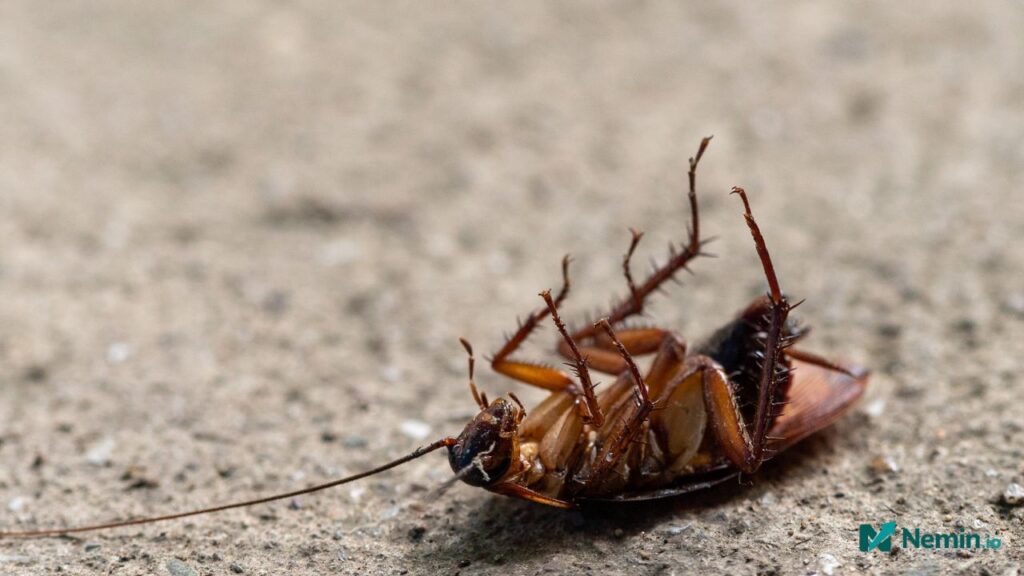
Finding ants in a kitchen, hearing movement inside a wall, or discovering evidence of termites can quickly turn into a frustrating property problem. Effective Pest Control begins by identifying the pest correctly, understanding why it is present, removing accessible food, water, shelter, and entry points where practical, and then choosing a treatment appropriate to the species and level of activity.
Pest Control is most reliable when prevention, monitoring, sanitation, exclusion, and targeted treatment work together. Spraying an unidentified insect or repeatedly setting traps without addressing the source may provide temporary results while leaving the conditions behind the infestation unchanged. When pesticides, structural damage, stinging insects, difficult infestations, or health concerns are involved, an appropriately licensed pest professional can provide safer, species-specific guidance.
What Is Pest Control?
Pest Control is the process of preventing, monitoring, managing, or eliminating organisms that create health, property, food, comfort, or operational problems in a particular environment.
In homes, common concerns include ants, cockroaches, rodents, termites, flies, mosquitoes, bed bugs, fleas, ticks, spiders, and other locally occurring pests.
The correct Pest Control strategy depends on the species. Termites cannot be managed using the same methods as mice, and bed bug treatment requires a different approach from ordinary ant management.
Why Pest Control Requires Correct Identification
Correct identification should generally happen before treatment.
Closely related pests can behave differently, nest in different locations, feed on different materials, and respond differently to control techniques.
For example, seeing a trail of ants confirms the presence of ants but does not by itself identify the species or locate the colony.
Professional Pest Control technicians may use appearance, behavior, damage patterns, droppings, nesting evidence, monitoring devices, or other signs to support identification.
Common Household Pest Control Concerns
| Pest | Common signs | Main management focus |
|---|---|---|
| Ants | Trails and recurring indoor activity | Food sources, entry points and species-specific treatment |
| Cockroaches | Live insects, droppings and egg cases | Sanitation, monitoring and targeted control |
| Mice | Droppings, gnaw marks and noises | Exclusion, food control and trapping |
| Rats | Droppings, burrows and damage | Exclusion, sanitation and targeted control |
| Termites | Wood damage or swarmers | Professional identification and structural treatment |
| Bed bugs | Bites, spotting and live insects | Inspection and integrated treatment |
| Fleas | Biting and pet activity | Host, environment and life-cycle management |
| Mosquitoes | Adult activity near people | Water management and targeted control |
| Flies | Repeated indoor activity | Source removal and exclusion |
| Wasps | Nest activity and stinging insects | Risk assessment and suitable nest management |
The signs can overlap with other problems, so evidence should be interpreted carefully.
Integrated Pest Control Starts With Prevention
Modern pest management often follows integrated pest management principles.
Integrated pest management, commonly called IPM, emphasizes prevention, monitoring, correct identification, appropriate thresholds, and targeted interventions rather than depending automatically on routine pesticide application.
Remove Pest Food Sources
Many pests enter buildings because they can find reliable food.
Store dry foods appropriately, clean crumbs and grease, manage pet food, close waste containers, and address spills promptly.
Pest Control becomes more difficult when pests have continuous access to alternative food.
Reduce Water Sources
Leaking plumbing, condensation, standing water, clogged drainage, and wet building materials can support pest activity.
Repairing moisture problems can improve Pest Control while also helping protect the building from other forms of deterioration.
Reduce Shelter and Clutter
Cardboard, stored materials, dense vegetation, debris, and undisturbed spaces can provide hiding locations.
Reducing unnecessary clutter improves inspection access and makes pest evidence easier to detect.
Pest Control Through Building Exclusion
Exclusion means preventing pests from entering a structure.
This is particularly valuable for rodents, insects, and other pests that repeatedly enter from outdoors.
Inspect External Entry Points
Look around doors, windows, utility penetrations, vents, foundations, roof interfaces, and other openings.
The appropriate sealing method depends on the building and pest.
A material suitable for a minor insect gap may not resist rodents.
Maintain Doors and Screens
Damaged screens, poorly fitting doors, and worn weather stripping can provide easy access.
Routine building maintenance is therefore an important part of Pest Control.
Do Not Seal Active Wildlife Inside a Structure
When larger wildlife or certain nesting pests are involved, improper exclusion can trap animals indoors or separate dependent young from adults.
Use appropriate wildlife professionals and comply with local wildlife laws.
Pest Control for Ants
Ants are among the most common household pests, but there are many species with different nesting and feeding habits.
A treatment appropriate for one species may perform poorly against another.
Find the Source of Ant Activity
Observe where trails appear and what attracts the insects.
Food, moisture, plants, exterior nesting sites, and structural gaps can all contribute.
Cleaning the visible trail can remove immediate activity but does not necessarily address the colony.
Baits Can Be Useful for Some Ant Problems
Ant baits are designed to allow foraging workers to take active material back toward the colony.
Product choice and placement should follow the label.
Spraying directly around bait placements can sometimes interfere with bait acceptance depending on products and species.
Persistent Ant Activity Needs Better Identification
If repeated household measures fail, a professional Pest Control inspection may determine whether the problem involves a species or nesting location requiring another strategy.
Pest Control for Cockroaches
Cockroaches can contaminate food and surfaces and are associated with allergens. Some species adapt particularly well to indoor environments.
Effective management usually requires more than killing visible insects.
Improve Sanitation and Monitoring
Clean grease and food debris, manage waste, store food properly, repair leaks, and reduce clutter.
Sticky monitoring traps can help identify activity patterns and locations.
Target Harborages
Cockroaches often shelter in narrow cracks near food, warmth, and moisture.
Pest Control treatments can therefore focus on appropriate harborages rather than indiscriminately spraying broad surfaces.
Avoid Foggers as an Automatic Solution
Total-release foggers can present risks and may not effectively reach pest harborages in some situations.
Use pesticide products only according to their approved labels and consider professional guidance for substantial infestations.
Rodent Pest Control
Mice and rats can contaminate food, damage materials, and gnaw building components.
Successful rodent Pest Control typically combines exclusion, sanitation, monitoring, and appropriately selected population-control methods.
Look for Rodent Evidence
Signs can include droppings, gnawing, rub marks, nesting material, burrows, odors, and sounds.
Dropping size and location may provide clues but should be interpreted carefully.
Seal Rodent Entry Points
Inspect the building systematically and repair openings using materials appropriate to the structure and pest.
Do not rely entirely on expanding foam where rodents can easily chew through an installation.
Rodent Pest Control Priorities
| Priority | Purpose |
|---|---|
| Inspection | Locate activity and entry points |
| Exclusion | Reduce new rodents entering |
| Sanitation | Remove accessible food and water |
| Trapping | Manage indoor populations |
| Monitoring | Identify remaining activity |
| Building repair | Address damaged access points |
| Follow-up | Confirm control has worked |
Rodenticides require particular care because they can pose risks to people, pets, and non-target wildlife when misused.
Termite Pest Control
Termites can damage structural wood and other cellulose-containing materials.
Because infestations may remain concealed, professional inspection is often valuable when termite evidence is suspected.
Know Common Termite Warning Signs
Possible signs can include swarmers, discarded wings, mud tubes associated with some termite species, damaged wood, or other localized evidence.
Not every damaged piece of wood indicates termites.
Carpenter ants, beetles, moisture, fungi, and physical deterioration can create different forms of damage.
Professional Termite Pest Control Options
Treatment approaches depend on termite species, building design, extent of activity, climate, and local regulations.
Methods can include soil-related treatments, baiting systems, localized treatments, wood treatments, or other professional strategies where appropriate.
Structural Damage May Need Separate Repair
Eliminating termite activity does not restore damaged structural components.
A qualified construction or engineering professional may need to evaluate significant structural damage.
Bed Bug Pest Control
Bed bugs can be challenging because they hide in narrow spaces and can spread through belongings.
Their presence is not reliable evidence of poor housekeeping.
Confirm the Pest First
Skin reactions alone cannot conclusively diagnose bed bugs.
Inspect sleeping and resting areas for live insects, shed skins, spotting, or other evidence.
Professional identification can prevent unnecessary treatment.
Integrated Bed Bug Pest Control
Management can involve careful inspection, laundering or heat treatment of suitable items, vacuuming, encasements, monitoring, and professional insecticide or heat treatments depending on circumstances.
Products should be used only where legally permitted and according to labels.
Do Not Move Infested Items Carelessly
Moving furniture or belongings through a home can potentially spread bed bugs.
Seek appropriate guidance before relocating suspect items.
Pest Control for Fleas
Flea problems often involve pets and the indoor environment simultaneously.
Treating only one part of the cycle can allow activity to continue.
Coordinate Pet and Property Treatment
Veterinary advice is appropriate for flea prevention and treatment on animals.
Products intended for home surfaces should never be applied directly to pets unless specifically labeled and approved for that use.
Vacuuming Can Support Pest Control
Regular vacuuming can help remove some life stages and debris from carpets and furnishings.
Dispose of collected material appropriately.
Mosquito Pest Control
Mosquito management begins with understanding breeding sites.
Many species develop in standing or slow-moving water.
Remove Unnecessary Standing Water
Containers, blocked gutters, neglected water features, tires, and other objects can collect water.
Managing these sources can reduce local breeding opportunities.
Use Personal Protection
Appropriate repellents, window screens, clothing, and other public health recommendations can reduce mosquito exposure.
Local mosquito-borne disease risks vary, so follow regional health authority guidance.
Pest Control for Wasps and Stinging Insects
Stinging insects can create higher risk for people with severe allergies.
Nest location and species should guide the response.
Avoid Disturbing Active Nests
Attempting to strike, burn, flood, or seal a nest without understanding its structure can increase sting risk.
Nests inside building cavities are particularly unsuitable for improvised treatment.
Know When Professional Pest Control Is Appropriate
Consider professional assistance when nests are large, difficult to reach, located near frequently used areas, or present substantial sting risk.
Anyone experiencing symptoms of a severe allergic reaction requires urgent medical attention.
Pest Control and Pesticide Safety
Pesticides can be useful tools, but they are designed to affect biological organisms and must be used responsibly.
The product label provides legally important directions in many jurisdictions.
Read the Entire Label
Follow requirements relating to application location, amount, personal protection, storage, re-entry, ventilation, and target pest.
Using more product than instructed does not necessarily improve control and can increase exposure.
Protect Children and Pets
Store pesticide products securely in original containers.
Keep children and pets away from treated locations for the period specified by the product instructions.
Never Mix Pest Control Chemicals Without Authorization
Combining products can create dangerous exposures or reduce effectiveness.
Use only combinations explicitly permitted under applicable labeling and professional guidance.
When DIY Pest Control Makes Sense
Minor pest activity may sometimes be manageable with sanitation, exclusion, monitoring, and appropriately labeled consumer products.
The key is correct identification and safe application.
Suitable DIY Situations
A small number of occasional ants entering around a door can be fundamentally different from widespread cockroach activity or evidence of structural termites.
Assess severity before deciding how to respond.
Stop When DIY Pest Control Is Not Working
Repeated treatment without improvement can expose occupants unnecessarily and increase costs.
Persistent activity indicates that identification, access points, nesting locations, or treatment strategy may need professional reassessment.
When to Hire Professional Pest Control
Professional help can be particularly useful when the pest presents substantial health or structural risk, when the infestation is extensive, or when specialized products and equipment are required.
Situations That May Need Professional Help
These can include:
• Suspected termites
• Extensive bed bug activity
• Persistent cockroach infestations
• Large rodent populations
• Difficult stinging insect nests
• Pests in commercial food environments
• Repeated infestations despite prevention
• Pest activity involving complex structures
• Situations involving sensitive occupants
The need depends on specific circumstances.
Choosing a Pest Control Company
Not every service provider offers the same expertise.
Choose according to the pest problem, licensing requirements, methods, insurance, reputation, and treatment plan.
Verify Pest Control Licensing
Pest Control licensing and certification requirements vary by jurisdiction.
Use official state, provincial, or national resources where available to verify credentials.
Ask What Treatment Is Proposed
A professional should be able to explain the pest, evidence found, recommended method, preparation requirements, safety considerations, and expected follow-up.
Be cautious of guarantees that ignore species, building conditions, or reinfestation risks.
Pest Control Company Comparison
| Factor | What to verify |
|---|---|
| Licensing | Current credentials where required |
| Identification | Pest has been properly identified |
| Inspection | Property was assessed adequately |
| Treatment | Method matches the pest |
| Safety | Occupant precautions are explained |
| Follow-up | Return visits are defined |
| Warranty | Terms and exclusions are written |
| Insurance | Appropriate coverage is maintained |
| Pricing | Scope and recurring charges are clear |
| Documentation | Treatment records are provided |
A low initial price does not necessarily provide the lowest total cost.
Understanding Pest Control Costs
Pest Control pricing varies considerably.
Cost depends on pest species, infestation severity, property size, treatment method, number of visits, equipment, products, location, access, and ongoing monitoring requirements.
One Time Versus Recurring Pest Control
A localized issue may need a limited treatment, while properties with recurring pest pressure can benefit from monitoring and preventive service.
Recurring contracts should clearly describe frequency, included pests, exclusions, follow-up, and cancellation terms.
Compare Scope Before Price
One company may quote a single treatment while another includes inspection, exclusion, monitoring, and several return visits.
Compare equivalent services.
Pest Control for Rental Properties
Landlord and tenant responsibilities depend on local law, lease terms, infestation cause, and property conditions.
Avoid assuming one party is always responsible.
Report Problems Early
Tenants should report pest concerns according to applicable lease and property procedures.
Delaying can allow some infestations to become more difficult to manage.
Document Property Conditions
Inspection records, maintenance requests, photographs, and treatment documentation can help clarify how a pest problem developed and what actions were taken.
Pest Control for Businesses
Commercial environments can face additional concerns involving customers, food safety, inventory, reputation, auditing, and regulatory requirements.
Restaurants, warehouses, healthcare facilities, hotels, offices, and manufacturing plants have different pest risks.
Create a Documented Program
Commercial Pest Control can include monitoring maps, service records, corrective actions, trend analysis, sanitation recommendations, and employee reporting.
Documentation can be particularly important in regulated operations.
Train Employees to Report Evidence
Employees should know how to recognize and report droppings, damaged packaging, live pests, unusual odors, or structural gaps.
Early reporting can make Pest Control interventions more targeted.
Seasonal Pest Control
Pest activity can change throughout the year based on temperature, rainfall, breeding cycles, food availability, and building conditions.
The pattern varies by region and species.
Inspect Before Seasonal Peaks
Preventive building maintenance can be easier before pests become established indoors.
Check screens, weather stripping, exterior openings, drainage, vegetation, and storage practices regularly.
Avoid Calendar Based Treatment Without Need
Routine preventive service can be appropriate in some settings, but pesticide use should still have a reason.
Integrated Pest Control emphasizes monitoring and risk rather than unnecessary treatment simply because a calendar date has arrived.
How Pest Control Protects Food
Pests can contaminate food through direct contact, droppings, hair, microorganisms, or damaged packaging.
Food storage is therefore a major part of prevention.
Store Food Correctly
Use intact containers appropriate for the food and environment.
Clean spills quickly and rotate inventory.
Inspect Incoming Products
Some pests enter buildings through deliveries.
Commercial operations should have receiving procedures appropriate to their risk.
Common Pest Control Mistakes
Treating before identifying the pest is one of the most common mistakes.
Another is focusing entirely on chemicals while ignoring food, water, moisture, clutter, or structural entry points.
Using excessive pesticide, combining incompatible products, moving infested furniture carelessly, and ignoring label requirements can create additional problems.
Pest Control is more effective when interventions target the pest’s biology and environment.
Building a Long Term Pest Control Plan
A long-term plan combines prevention with monitoring.
Inspect the property regularly, correct moisture problems, maintain the building envelope, store food appropriately, and respond to evidence early.
Keep Pest Control Records
Records can include:
• Pest identified
• Location
• Date observed
• Monitoring results
• Entry points
• Treatment performed
• Products used by professionals
• Repairs completed
• Follow-up findings
This information can reveal recurring patterns.
Review Why Pests Returned
Reinfestation does not always mean a pesticide failed.
New pests may enter through unresolved openings, arrive in deliveries, migrate from adjacent properties, or find continuing food and water.
Understanding the source is essential to sustainable Pest Control.
FAQ’s
What is Pest Control?
Pest Control is the prevention and management of unwanted pests through identification, sanitation, exclusion, monitoring, physical controls, and appropriately targeted treatments.
How often should Pest Control be performed?
There is no universal schedule. Frequency depends on pest pressure, property conditions, climate, previous infestations, business requirements, and the monitoring program.
Is professional Pest Control safe around children and pets?
Treatments should follow product labels and professional safety instructions. Tell the technician about children, pets, pregnancy, or other relevant concerns before treatment.
Can Pest Control eliminate termites?
Appropriate professional termite treatments can manage active infestations, but the method depends on termite species, property construction, extent of activity, and local conditions.
Does Pest Control work for bed bugs?
Integrated professional and household measures can manage bed bug infestations, although multiple steps or visits may be necessary depending on severity and treatment method.
What is the best way to prevent Pest Control problems?
Keep food secured, repair moisture issues, reduce clutter, maintain screens and doors, seal suitable entry points, monitor for evidence, and address developing problems promptly.
Conclusion
Pest Control is most effective when it addresses why pests are present instead of focusing only on the insects or rodents currently visible. Correct identification, sanitation, moisture management, exclusion, monitoring, and targeted treatment create a more durable strategy than repeatedly applying products without understanding the infestation.
A strong Pest Control plan should also match the level of risk. Minor problems may respond to straightforward preventive measures, while termites, bed bugs, persistent rodents, stinging insects, and commercial infestations can justify professional attention. When chemical treatment is necessary, following approved labels and qualified guidance helps protect people, pets, property, and the surrounding environment.