
Skin does two jobs at once. It protects the body from everything outside it, and it presents a version of us to everyone we meet....
Skin does two jobs at once. It protects the body from everything outside it, and it presents a version of us to everyone we meet. Those two jobs are easy to confuse, which is why so many people cannot say whether what bothers them about their skin is a health matter or simply an appearance matter. For anyone weighing that question in Tullahoma, TN, the distinction is worth getting right. It decides who you should speak to, what you should expect to spend, and how patient you need to be with the outcome.
Knowing When Your Skin Needs More Than a Routine
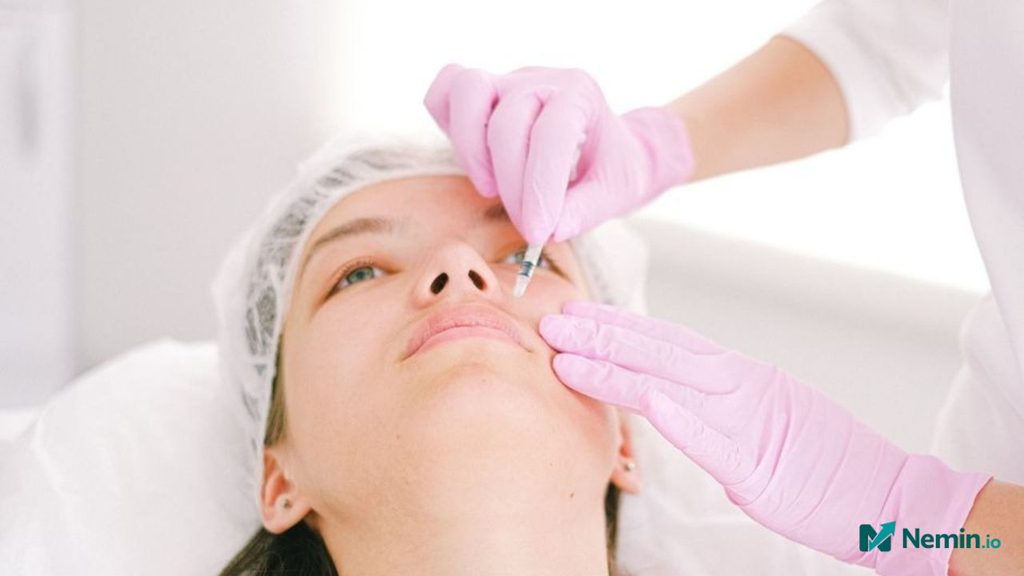
Plenty of people reach a stage where something about their face has changed without anything actually going wrong. A dermal filler often enters the conversation at that point, since the flattened cheeks, deeper creases, and hollow shadows that prompt the question come from fat and supporting tissue thinning over the years, not from any illness. Injectable volume treatments were built for that exact situation, rebuilding softness and easing lines without curing a condition. If you are also considering a dermal filler in Tullahoma, TN, get in touch with a renowned professional who can assess your features honestly before anything is scheduled. The right provider will tell you plainly whether the treatment suits what you are hoping to change.
What It Means for Skin to Be Healthy
Healthy skin is less about flawless appearance than about function. It holds moisture well, recovers quickly from small cuts and scrapes, and keeps irritants and bacteria on the outside where they belong. It does not sting when you wash it, flake constantly, or stay red long after an irritation has passed. Texture can be uneven, and tone can vary without anything being wrong. A face with freckles, visible pores, and a few lines can be in excellent condition, while smooth, even skin can still be struggling underneath. The measure is how well the barrier works, not how closely it matches an image.
How Appearance Goals Differ From Medical Needs
A cosmetic concern is something you would like to change about how you look. A medical concern is something that affects how the skin works or signals a problem elsewhere in the body. The difference matters because the two follow different paths. Medical issues need diagnosis, and often treatment that continues until the cause is under control. Appearance goals are chosen, not prescribed. Nobody is required to address them, and nothing goes wrong if they are left alone. They sit in the same place as choosing a haircut or a new pair of glasses, which makes them personal rather than urgent.
Why the Line Between the Two Is Often Blurred
Marketing blurs the line constantly. Products and services borrow medical language to describe purely cosmetic results, and the words that follow, such as repair, restore, and correct, suggest a problem that needs solving. Age adds to the confusion, because the changes that come with it are normal but can feel like decline. Some genuine conditions also carry a visible cost, which pulls them into both categories at once. Acne is uncomfortable and can scar, so it is medical, but it also shapes how people feel about being seen. Holding both truths at the same time is perfectly reasonable.
Signs That Point Toward a Medical Issue
A few things deserve a doctor rather than a mirror. A mole that changes shape, color, or size should always be checked. So should a sore that refuses to heal, a rash that spreads or keeps returning, and sudden sensitivity to products you have used for years. Persistent itching, unexplained bruising, and skin changes that arrive alongside fatigue or weight change are worth raising with a physician as well. None of these are cosmetic questions. They belong in a medical appointment, and the appearance of the skin is secondary to finding out what is causing them.
Daily Habits That Support the Skin Barrier
The basics matter more than most people expect. Daily sun protection does more to preserve skin over time than almost anything else available. Gentle cleansing, rather than aggressive scrubbing, keeps the barrier intact. Sleep gives the body the window it uses to repair tissue, and steady hydration supports that work. Overuse is the common mistake. Too many active products layered together can leave skin irritated and reactive, which then gets mistaken for a condition that needs correcting. A short routine followed consistently usually outperforms a long one followed unevenly.
Questions Worth Asking Before Any Treatment
Before committing to anything, it helps to know what you are actually buying. Ask whether the result is temporary or lasting, and how long it typically holds. Ask who is performing the service, what training they hold, and what happens if the outcome is not what you hoped for. Ask whether maintenance will be needed, and at what interval. A reputable provider will answer plainly and will say when something is unnecessary. Anyone who avoids those questions, or who frames a cosmetic choice as something you urgently need, is worth stepping away from.
Building a Long-Term Approach
Skin changes across a lifetime, and no single decision settles it permanently. The most sensible approach treats health as the foundation and appearance as a separate choice placed on top of it. Protect the barrier, watch for changes that signal something medical, and handle those promptly. Beyond that, decide what you want to change because it matters to you, not because someone suggested it should. People who keep those two tracks separate tend to make calmer decisions, spend less on things that do not help, and feel better about the face looking back at them. What works at thirty will not always be the right call at fifty, and that is reason enough to revisit the plan every few years rather than settling on one for good. Treated that way, skin care stops being a race against time and becomes something closer to ordinary maintenance.