
Selling across multiple channels sounds straightforward until the operational reality sets in. A brand running an online store, a retail wholesale account, and maybe a...
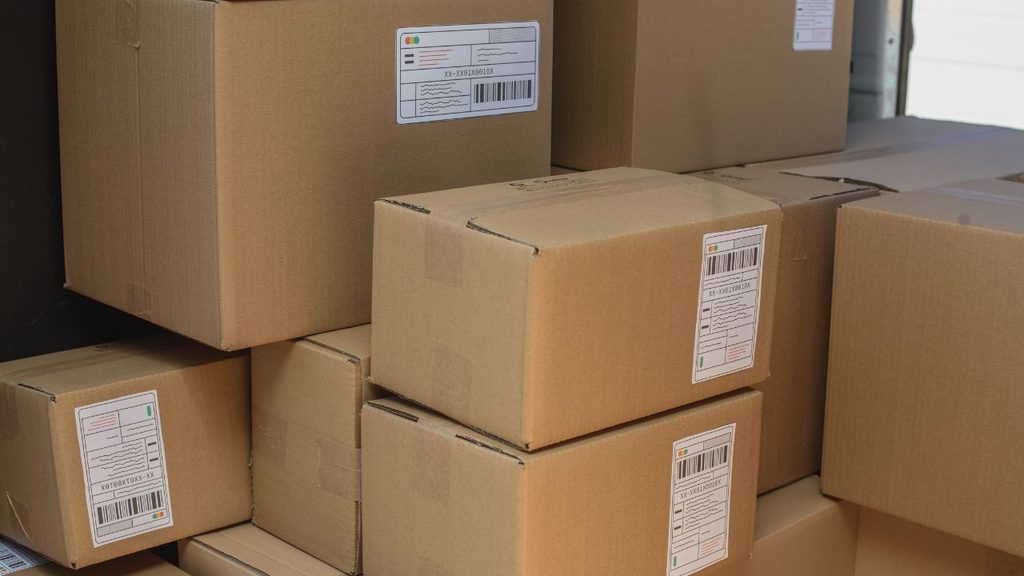
Selling across multiple channels sounds straightforward until the operational reality sets in. A brand running an online store, a retail wholesale account, and maybe a marketplace listing on the side quickly discovers that each channel has its own order formats, packaging expectations, and shipping requirements. Fulfillment providers built for a single sales channel often struggle once a brand’s order mix becomes more complex. This article offers a practical checklist for evaluating whether a third-party logistics provider can genuinely support multi-channel operations, rather than simply claiming to.
Why Multi-Channel Fulfillment Demands More Than Basic Warehousing
A provider that handles ecommerce orders well does not automatically handle retail or wholesale orders with the same competence. Retail buyers often require compliance with specific routing guides, chargeback-sensitive labeling standards, and delivery windows tied to store receiving schedules. Marketplace orders come with their own platform rules around packaging and delivery confirmation. Direct-to-consumer orders prioritize speed and unboxing experience above almost everything else.
When a fulfillment partner treats every order the same way regardless of channel, mistakes tend to follow. A pallet shipped to a big-box retailer without the correct labeling can trigger a chargeback that erases the margin on an entire order. A marketplace shipment that misses a delivery confirmation deadline can hurt account standing on the platform itself. Evaluating a provider’s multi-channel capability means looking past general warehousing competence and checking whether the systems and staff actually understand how each channel operates differently.
Ecommerce Platform Integration and Order Accuracy
The first practical test involves how cleanly a provider connects with the platforms a brand already uses. Shopify, WooCommerce, Amazon, and other marketplaces each generate orders differently, and a fulfillment partner that requires manual order entry or delayed batch uploads introduces unnecessary lag between purchase and shipment.
When assessing Selery Fulfillment or another provider, brands should examine how its integrations pass order and inventory data between the storefront and warehouse, including whether exceptions require manual reconciliation and how quickly staff can identify a failed update. When evaluating this piece, brands should ask specific questions rather than accepting a general claim of integration. How quickly does an order placed online appear in the warehouse system? What happens when inventory syncing fails or falls out of date? Does the provider offer real-time visibility into order status, or does that information lag by a day or more? These details separate providers with genuine platform integration from those offering a loosely connected workaround.
Handling Retail and Wholesale Orders Without Costly Errors
Retail fulfillment introduces a layer of complexity that pure ecommerce operations rarely face. Big-box retailers and regional chains typically issue routing guides specifying exact label placement, carton marking, palletization standards, and delivery appointment windows. Missing any of these details can result in a chargeback, a rejected shipment, or damage to the retail relationship itself.
A fulfillment partner capable of supporting this channel needs staff trained specifically on EDI compliance and retail-specific documentation, along with warehouse processes built to catch labeling errors before a shipment leaves the building. This is one area where working with an experienced provider matters most, since retail compliance mistakes are expensive and often difficult to reverse once a shipment has already left the warehouse. Brands should ask potential partners directly about their chargeback rates and their familiarity with the specific retailers they plan to work with.
Kitting and Assembly Capabilities
Many multi-channel brands need more than simple pick-and-pack service. Subscription boxes, promotional bundles, and retail-ready multipacks all require kitting, meaning individual items get assembled into a single sellable unit before shipping. This service varies significantly between providers. Some handle basic bundling well but struggle with more complex assembly involving multiple components, custom inserts, or products from different suppliers arriving on different schedules.
When evaluating kitting capability, it helps to ask how a provider manages component inventory separately from finished kit inventory, and how quickly they can turn around a new kitting project once components arrive. A provider with dedicated kitting staff and clear component tracking tends to produce more consistent results than one treating kitting as an occasional side task layered onto standard fulfillment work.
Shipping Strategy Across Multiple Sales Channels
Shipping needs differ sharply depending on the channel. Direct-to-consumer orders generally prioritize speed and cost efficiency for single-item parcels. Wholesale orders often ship via freight in larger quantities with different documentation requirements. Marketplace orders may need to meet specific delivery windows tied to platform performance metrics.
A checklist for evaluating shipping capability across channels should include a few consistent questions:
- Does the provider have negotiated rates across multiple carriers, or does it rely on a single carrier relationship
- Can the provider handle both small parcel and freight shipments without routing everything through a third party
- How does the provider manage shipping exceptions, such as address corrections or delivery failures, across different channels
- Does the provider offer visibility into shipping costs by channel, making it easier to evaluate margin by sales channel
Providers that can answer these questions with specific, detailed processes generally demonstrate more genuine multi-channel readiness than those offering vague reassurances about broad carrier access.
Returns Processing That Adapts to Channel-Specific Rules
Returns policies rarely stay consistent across channels, and a fulfillment partner needs to accommodate that variation rather than applying a single returns process universally. Marketplace returns often follow platform-mandated timelines and refund rules. Retail returns may involve entirely different logistics, sometimes bypassing the original fulfillment center altogether. Direct-to-consumer returns tend to carry the highest customer experience expectations, since a slow or confusing return process can damage brand loyalty directly.
A provider capable of managing multi-channel returns needs separate workflows for inspecting, restocking, and reporting on returns by channel, along with the flexibility to apply different grading standards depending on where an item is headed back into inventory. Brands evaluating this capability should ask how quickly returned inventory becomes sellable again and whether the provider tracks return reasons in a way that feeds back into demand planning.
Final Analysis
Evaluating a 3PL for multi-channel capability requires looking well beyond general fulfillment competence. Ecommerce integration, retail compliance, kitting flexibility, shipping strategy, and channel-specific returns handling each represent a distinct operational challenge, and a provider strong in one area is not automatically strong in the others. Brands running multiple sales channels benefit from asking specific, detailed questions in each of these areas rather than accepting broad assurances, since the gap between a provider that merely supports multiple channels and one that genuinely excels across all of them tends to show up quickly once real order volume starts flowing through the system.