
Large cleanup projects can quickly become overwhelming when unwanted materials begin piling up. Whether you are renovating a kitchen, replacing a roof, clearing an estate,...
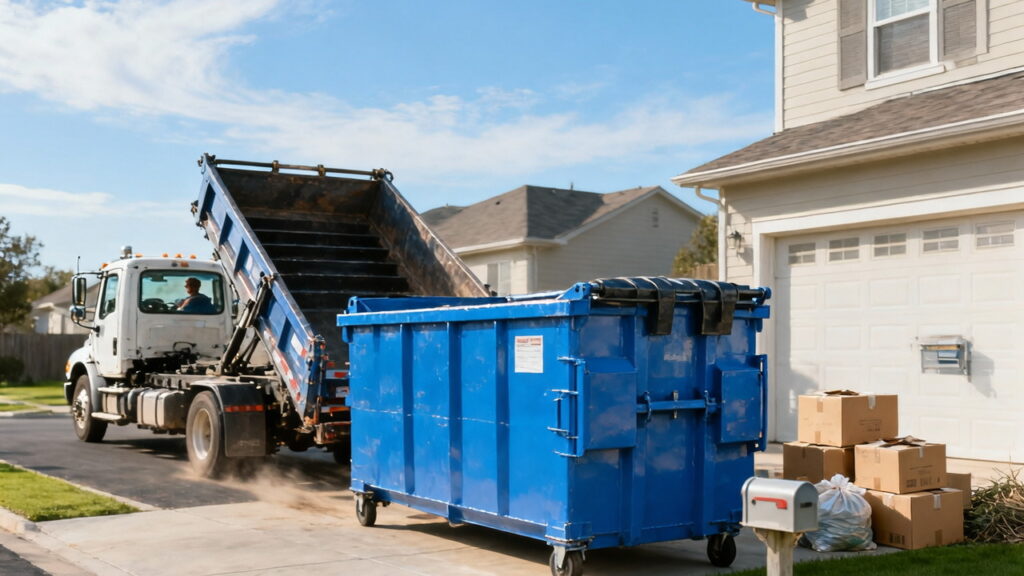
Large cleanup projects can quickly become overwhelming when unwanted materials begin piling up. Whether you are renovating a kitchen, replacing a roof, clearing an estate, or managing construction debris, ordinary household trash collection may not provide enough space. Choosing to Rent a Dumpster gives you a convenient way to collect significant amounts of waste in one location while keeping your project organized.
However, dumpster rental involves more than ordering a large container. Size selection, weight restrictions, placement requirements, rental periods, and disposal rules can all affect the final cost and overall experience. Understanding how dumpster rentals work helps homeowners, contractors, and business owners choose the right service, avoid preventable charges, and manage waste responsibly.
What Does It Mean to Rent a Dumpster?
To rent a dumpster means to hire a waste container from a rental company for a specified period. The company typically delivers the container to an approved location, allows the customer to fill it with permitted materials, and collects it for transportation to an appropriate disposal or processing facility.
Dumpster rental is commonly used for residential renovations, construction projects, property cleanouts, landscaping work, and commercial waste management.
When you rent a dumpster, you generally pay for access to a container, transportation, an agreed rental period, and a specified amount of waste disposal.
The exact services included depend on the rental agreement.
Some companies provide flat-rate packages, while others use pricing structures that vary according to container size, waste weight, location, and disposal requirements.
A dumpster rental can simplify cleanup by reducing the number of individual trips to a landfill or transfer station.
However, not every material can be placed inside the container, and certain projects require separate waste handling arrangements.
Why Renting a Dumpster Makes Cleanup Easier
Waste management is an important part of almost every renovation, demolition, or large property cleanup.
Without a suitable disposal plan, debris can obstruct work areas, create trip hazards, and delay project progress.
Choosing to rent a dumpster allows waste to be collected in a designated location.
Convenient Waste Collection
One of the main advantages of dumpster rental is convenience.
Instead of storing debris in multiple piles or transporting small loads in a personal vehicle, you can place approved materials into a single container.
When you rent a dumpster, the rental provider typically handles delivery and collection.
This can reduce the amount of transportation planning required during a project.
Better Project Organization
Construction materials and unwanted belongings can occupy substantial space.
A properly positioned dumpster creates a designated disposal area.
Contractors can remove debris as work progresses rather than allowing materials to accumulate.
Rent a dumpster early enough to coordinate delivery with the project schedule, but avoid keeping the container longer than necessary.
Good planning can help maintain clear access routes and a more organized worksite.
Flexible Options for Different Projects
Dumpster rental companies commonly offer containers in several sizes.
Smaller units may suit household cleanouts, while larger containers can accommodate substantial renovation debris.
When you rent a dumpster, choosing the correct size is important because oversized and undersized containers can both create unnecessary costs.
Weight restrictions also matter.
A smaller container filled with heavy concrete can exceed its permitted weight even when it is not physically full.
Different Types of Dumpsters Available for Rent
Not every dumpster serves the same purpose.
Before you rent a dumpster, understand the main container types and their intended applications.
Roll-Off Dumpsters
Roll-off dumpsters are commonly used for temporary residential and construction projects.
These containers are delivered by specialized trucks and placed on suitable surfaces.
They often have an open top and a rear door that allows easier loading of bulky materials.
Roll-off dumpsters are popular for remodeling, demolition, roofing, and estate cleanouts.
When you rent a dumpster for a short-term project, a roll-off container is often the most practical option.
However, delivery access and surface conditions must be suitable for the truck and container.
Front-Load Dumpsters
Front-load dumpsters are generally used for recurring commercial waste collection.
They are commonly found behind restaurants, retail stores, apartment buildings, and office properties.
These containers are designed for collection by compatible garbage trucks.
Businesses may rent a dumpster under an ongoing service agreement rather than a short-term rental.
Collection frequency depends on waste volume and the service contract.
Rear-Load Dumpsters
Rear-load dumpsters are another option for certain commercial waste services.
They are designed to work with compatible collection vehicles and may be suitable for locations with particular access requirements.
A business planning to rent a dumpster for recurring service should ask which container style fits the property.
The provider can evaluate collection access, enclosure dimensions, and expected waste volume.
Specialized Waste Containers
Some projects require containers dedicated to particular materials.
Examples include clean concrete, asphalt, soil, metal, or recyclable construction materials.
When you rent a dumpster for a specialized waste stream, the rental company may require that materials remain separated.
Dedicated containers can support recycling or alternative processing where facilities are available.
However, local acceptance rules and disposal options vary.
How to Choose the Right Dumpster Size
Dumpster sizes are commonly described by volume in cubic yards.
One cubic yard equals 27 cubic feet.
The advertised size describes the container’s approximate capacity, not the weight of material it can safely carry.
Before you rent a dumpster, consider both the amount and type of debris.
10-Yard Dumpster
A 10-yard dumpster provides approximately 10 cubic yards of capacity.
It is commonly used for smaller cleanouts, limited remodeling projects, and certain heavy-material applications.
A homeowner may rent a dumpster of this size when clearing a garage or removing debris from a relatively small renovation.
However, the suitability depends on material volume and permitted weight.
15-Yard Dumpster
A 15-yard dumpster offers more capacity than a 10-yard container without requiring the space of a larger unit.
It may be useful for medium-sized home improvement projects.
Some rental companies do not offer this size, so availability depends on the provider.
If you rent a dumpster for a bathroom renovation or moderate cleanout, a 15-yard option may be worth comparing.
20-Yard Dumpster
A 20-yard dumpster is a common choice for residential renovation and cleanup projects.
It may accommodate flooring materials, drywall, furniture, and general construction debris.
Many homeowners rent a dumpster in this size category because it provides a balance between capacity and placement requirements.
However, heavy materials can reach the weight allowance before the container is full.
The rental company should explain applicable restrictions.
30-Yard Dumpster
A 30-yard dumpster provides substantial capacity for larger projects.
It may be suitable for extensive home renovations, construction work, and major property cleanouts.
Before you rent a dumpster this large, confirm that the delivery location has enough space.
Truck access, overhead clearance, and surface conditions must also be considered.
40-Yard Dumpster
A 40-yard dumpster is commonly associated with major construction and demolition projects.
Its large capacity can accommodate significant volumes of relatively bulky waste.
However, it is not automatically appropriate for very heavy debris.
If you rent a dumpster for concrete, masonry, or soil, the provider may recommend a smaller container with a different weight allowance.
How Much Does It Cost to Rent a Dumpster?
The cost to rent a dumpster depends on several factors.
These include container size, location, rental duration, waste type, included weight, and disposal charges.
There is no universal rental price that applies to every city or project.
Local landfill fees and transportation distances can significantly influence pricing.
Dumpster Size and Rental Pricing
Larger containers often cost more because they require greater transportation capacity and can accommodate more waste.
However, price does not always increase proportionally with volume.
A customer who needs two small containers may pay more than someone who rents one larger container.
Before you rent a dumpster, compare the total package price rather than the container size alone.
Weight Allowances
Many dumpster rental agreements include a specified weight allowance.
If the collected debris exceeds that allowance, additional disposal charges may apply.
This is especially important for roofing shingles, concrete, soil, and masonry.
When you rent a dumpster, ask how overweight fees are calculated.
Some providers charge according to the additional weight recorded at the disposal facility.
Rental Duration
Dumpster rental periods vary by provider.
Some companies offer short-term rentals, while others include a set number of days in the base price.
Additional daily or weekly charges may apply if the container is kept longer.
Rent a dumpster for a period that realistically matches your cleanup schedule.
If the project may be delayed, ask about extension policies before booking.
Delivery and Pickup Charges
Some rental quotes include delivery and collection.
Others list transportation charges separately.
A low advertised price may not reflect the complete cost.
When you rent a dumpster, request a written explanation of all standard charges.
Clarify whether fuel surcharges, environmental fees, taxes, or administrative fees apply.
Disposal and Processing Costs
Different waste materials may be subject to different disposal charges.
For example, clean recyclable materials may be handled differently from mixed construction debris.
Certain items may require special processing.
Before you rent a dumpster, explain what you intend to discard.
This helps the provider recommend the appropriate container and pricing arrangement.
7 Smart Tips to Rent a Dumpster Without Extra Costs
Dumpster rental becomes easier when the project is planned carefully.
The following seven tips can help homeowners and contractors avoid common problems.
1. Estimate Your Waste Volume
Begin by identifying the materials that will be removed.
Consider furniture, drywall, flooring, packaging, roofing materials, and other debris.
When you rent a dumpster, an accurate waste estimate helps prevent ordering a container that is too small.
However, volume estimates are not exact.
A rental provider may be able to recommend a suitable size based on similar projects.
2. Consider Debris Weight
Heavy materials require special attention.
Concrete, dirt, roofing shingles, and brick can reach transportation weight limits quickly.
Before you rent a dumpster, identify whether the load will contain dense materials.
The rental company may recommend a dedicated heavy-debris container.
Do not assume that a large dumpster can be filled completely with concrete.
3. Confirm the Rental Period
Project schedules can change because of weather, contractor availability, or unexpected repairs.
When you rent a dumpster, ask how long the container can remain on-site.
Understand extension fees and collection procedures.
A realistic schedule can reduce unnecessary rental charges.
4. Choose a Suitable Placement Area
A flat, stable, accessible surface is important for dumpster delivery.
Driveways are commonly used, but not every driveway is suitable.
When you rent a dumpster, discuss surface conditions, slope, clearance, and possible damage risks.
Some providers recommend protective boards beneath container contact points.
However, boards do not guarantee that a driveway will remain undamaged.
5. Understand Prohibited Materials
Dumpster rental agreements commonly restrict certain waste.
Hazardous chemicals, liquid paints, fuels, batteries, and other regulated materials may require separate disposal.
Before you rent a dumpster, request the company’s accepted-material list.
Do not rely on assumptions about what can be discarded.
6. Compare Complete Quotes
Ask several local providers for written pricing information.
Compare container size, included weight, rental duration, delivery, pickup, and extra charges.
When you rent a dumpster, the lowest advertised price may not represent the best overall value.
A transparent quote helps reduce billing surprises.
7. Arrange Pickup Before the Project Ends
Once the dumpster is full or the cleanup is complete, contact the provider to schedule collection.
Do not wait until the final day if pickup requires advance notice.
When you rent a dumpster, understanding the collection process helps prevent delays.
Make sure the container remains accessible to the delivery truck.
What Can You Put in a Rental Dumpster?
Accepted materials vary according to the provider, container type, and local disposal regulations.
However, many general-purpose dumpsters accept common household and construction debris.
Commonly Accepted Materials
Depending on the service agreement, accepted items may include:
- Household furniture and general nonhazardous junk.
- Untreated lumber and certain wood products.
- Drywall and other approved remodeling materials.
- Flooring, carpet, and suitable underlayment.
- Cardboard and packaging materials.
- Certain roofing materials.
- Yard debris where permitted.
- Nonhazardous construction and demolition waste.
Before you rent a dumpster, confirm whether each material is accepted.
Some companies require separate containers for yard waste, roofing shingles, or recyclable materials.
Materials That May Be Restricted
Many providers restrict hazardous or difficult-to-process waste.
Examples may include:
- Gasoline, oils, solvents, and flammable liquids.
- Certain paints, adhesives, and chemicals.
- Automotive and rechargeable batteries.
- Medical waste and infectious materials.
- Asbestos-containing materials.
- Certain electronic devices.
- Tires and refrigerant-containing appliances.
- Pressurized cylinders and propane tanks.
These restrictions are not identical everywhere.
Some materials may be accepted for an additional fee or through a specialized disposal service.
When you rent a dumpster, ask about exceptions and required handling procedures.
Do You Need a Permit to Rent a Dumpster?
Permit requirements depend on where the dumpster will be placed.
A container positioned entirely on private property may not require a street-use permit in some jurisdictions.
However, local regulations can still apply.
If you rent a dumpster for placement on a public street, sidewalk, or other public right-of-way, a permit may be required.
Dumpster Placement on Private Property
Driveways and private construction areas are common placement locations.
Before you rent a dumpster, confirm property access and any applicable homeowner association requirements.
The delivery truck must have sufficient room to maneuver safely.
Overhead wires, trees, carports, and narrow entrances can create problems.
Dumpster Placement on Public Streets
Public street placement may require municipal approval.
Some locations regulate container dimensions, visibility, reflectors, traffic clearance, and permitted rental duration.
When you rent a dumpster for street placement, ask the rental provider whether it assists with permits.
However, responsibility for obtaining approval should be confirmed in writing.
Homeowner Association Rules
Certain residential communities regulate temporary containers.
Restrictions may concern placement, appearance, permitted hours, and duration.
Before you rent a dumpster, review applicable community rules.
Obtaining approval in advance can help prevent disputes or unexpected removal requests.
How Dumpster Delivery and Pickup Work
Understanding the rental process makes it easier to prepare the property.
Most temporary dumpster rentals follow a straightforward sequence.
Requesting a Quote
Contact the rental company and describe the project.
Provide the approximate waste type, expected volume, delivery address, and desired rental dates.
When you rent a dumpster, accurate information helps the company recommend a suitable container.
Ask for a written quote explaining the total pricing structure.
Preparing the Delivery Area
Clear vehicles, equipment, and obstacles from the intended placement area.
Confirm that the surface is stable and accessible.
Before you rent a dumpster, discuss any concerns about driveway damage or limited clearance.
Do not assume that a delivery truck can enter every residential driveway.
Dumpster Delivery
The provider delivers the container using a compatible truck.
The driver positions it according to the agreed placement instructions, subject to safety and access conditions.
When you rent a dumpster, someone may need to be available to confirm placement.
Company procedures vary.
Filling the Container
Load permitted debris while keeping the weight distributed reasonably evenly.
Do not exceed the marked fill line.
When you rent a dumpster, the provider may refuse collection if materials extend above the container or create transportation hazards.
Never enter a dumpster containing unstable debris.
Scheduling Collection
Contact the provider when the container is ready.
Make sure access remains clear.
The driver collects the dumpster and transports the contents to an appropriate facility.
If you rent a dumpster and exceed the agreed weight allowance, additional charges may be assessed after disposal weights are confirmed.
Rent a Dumpster for Home Renovation Projects
Renovations frequently produce more debris than homeowners expect.
Old cabinets, flooring, drywall, trim, and packaging can accumulate quickly.
Choosing to rent a dumpster provides a dedicated disposal area throughout the project.
Kitchen Remodeling
Kitchen renovations may involve removing cabinets, countertops, flooring, and wall materials.
Some items are bulky, while others are heavy.
Before you rent a dumpster, estimate the volume of demolition debris and identify materials requiring separate disposal.
Appliances containing refrigerants may need special handling.
Bathroom Renovation
Bathroom remodeling can generate tile, drywall, flooring, fixtures, and cabinetry.
Ceramic tile and mortar are relatively heavy.
When you rent a dumpster for bathroom demolition, explain the expected material mix.
Weight restrictions may influence the recommended container size.
Flooring Replacement
Removing flooring can produce substantial waste.
Carpet, laminate, hardwood, and tile vary in weight and volume.
Rent a dumpster that accommodates the specific flooring material.
For older buildings, potentially hazardous materials such as asbestos-containing flooring should be assessed before disturbance.
Whole-Home Remodeling
Major renovations often require larger dumpsters or multiple container exchanges.
Waste may include a combination of wood, drywall, insulation, flooring, and fixtures.
When you rent a dumpster for a large remodeling project, coordinate delivery and pickup with demolition stages.
This helps maintain worksite access.
Rent a Dumpster for Roofing Projects
Roof replacement can generate substantial amounts of concentrated, heavy debris.
Asphalt shingles, underlayment, flashing, and damaged decking may need disposal.
However, roofing materials can reach weight limits quickly.
When you rent a dumpster for roof removal, provide the approximate roof size, number of existing roofing layers, and material type.
The rental company can help estimate whether a standard or heavy-debris container is appropriate.
Roofing Shingle Weight Considerations
Shingle weight varies by product type and roof construction.
Multiple existing layers can significantly increase the amount of waste.
Rent a dumpster based on expected weight as well as volume.
A container that looks only partially full may already be near its allowable load.
Protecting the Property
Roofing projects can involve nails, sharp flashing, and falling debris.
The dumpster should be placed where it supports safe material handling without blocking emergency access.
Before you rent a dumpster, coordinate placement with the roofing contractor.
The roofing team should follow appropriate fall-protection and debris-handling procedures.
Rent a Dumpster for Estate and Property Cleanouts
Estate cleanouts often involve sorting belongings, donating usable items, and disposing of unwanted materials.
These projects can be emotionally and logistically demanding.
A dumpster can simplify the disposal portion.
However, not every item should go directly into the container.
Sort Items Before Disposal
Separate valuables, documents, reusable furniture, recyclable materials, and general waste.
When you rent a dumpster, organizing items before loading can reduce unnecessary disposal.
Consider donating functional belongings where appropriate services are available.
Plan for Bulky Furniture
Sofas, mattresses, cabinets, and other large items occupy significant volume.
Some rental companies restrict mattresses or charge additional handling fees.
Before you rent a dumpster, confirm whether bulky furniture is accepted.
Disassembling certain items may help use the available space more efficiently.
Rent a Dumpster for Construction and Demolition
Construction projects produce waste throughout multiple stages.
These materials may include wood, packaging, drywall, metal, concrete, and other debris.
Contractors often rent a dumpster to maintain a designated waste collection area.
However, waste segregation and load planning are important.
Construction Debris Management
A construction dumpster should be placed where workers can access it safely.
The placement should not block equipment routes, exits, or emergency access.
When you rent a dumpster for construction, consider the expected waste stream during each project phase.
Multiple containers may be appropriate when different materials require separate handling.
Concrete and Masonry Disposal
Concrete, brick, and masonry are dense materials.
A large dumpster filled with these materials may exceed transportation weight limits.
Before you rent a dumpster for concrete, ask about dedicated containers and maximum fill levels.
Clean concrete may be recyclable through specialized facilities.
Availability depends on local processing options.
Demolition Waste Safety
Demolition can expose workers to sharp materials, unstable debris, and hazardous substances.
A dumpster is not a substitute for safe demolition practices.
When you rent a dumpster for demolition, verify that waste handling follows applicable regulations.
Potentially hazardous materials should be identified before disturbance.
Residential vs Commercial Dumpster Rental
Residential and commercial dumpster services differ in duration, collection frequency, and container design.
Residential Dumpster Rental
Residential rentals are commonly temporary.
Homeowners rent a dumpster for cleanouts, renovations, roofing, landscaping, and similar projects.
Roll-off containers are frequently used.
The rental period may last several days or longer depending on the provider.
Commercial Dumpster Rental
Businesses may require ongoing waste collection.
Restaurants, offices, retail stores, and apartment communities often use front-load or rear-load dumpsters.
When businesses rent a dumpster, service agreements may include scheduled pickups.
The best arrangement depends on waste volume, available space, and collection requirements.
Temporary Construction Rentals
Construction companies may use temporary roll-off containers across multiple project phases.
The provider may exchange a full dumpster for an empty one.
When contractors rent a dumpster, coordinating exchanges helps avoid work interruptions.
However, additional hauls can increase the total project cost.
How to Load a Dumpster Correctly
Proper loading helps use available capacity while keeping the container suitable for transportation.
Distribute Weight Evenly
Place heavy items carefully and avoid concentrating excessive weight in one corner.
When you rent a dumpster, the container must remain within transportation and equipment limits.
Uneven loading can create handling difficulties.
Keep Materials Below the Fill Line
Most roll-off containers have a maximum fill level.
Debris extending above the rim can create hazards during transport.
When you rent a dumpster, exceeding the fill line may result in rejected pickup or additional charges.
Follow the provider’s loading instructions.
Avoid Hazardous Materials
Do not conceal restricted waste beneath ordinary debris.
Improper disposal may create environmental risks and legal consequences.
Before you rent a dumpster, confirm where prohibited materials can be taken.
Local household hazardous waste programs may provide appropriate disposal options.
Use the Rear Door Safely
Many roll-off containers have a rear door for loading.
Follow the provider’s instructions for opening and securing it.
Do not stand near unsecured doors or unstable debris.
When you rent a dumpster, safe loading practices protect workers, residents, and collection personnel.
Common Dumpster Rental Mistakes to Avoid
Several mistakes can make dumpster rental more expensive or inconvenient.
Choosing the Wrong Container Size
An undersized dumpster may require additional pickups or another rental.
An unnecessarily large container may cost more than required.
Rent a dumpster based on estimated debris volume and weight.
Ask the rental provider for guidance when uncertain.
Ignoring Weight Restrictions
A dumpster can exceed its weight allowance before reaching the top.
This is common with heavy construction materials.
When you rent a dumpster, clarify the included weight and any overage charges.
Failing to Confirm Placement Requirements
Limited truck access, unstable surfaces, and overhead obstacles can delay delivery.
Before you rent a dumpster, review the placement area carefully.
Provide accurate access information to the rental company.
Mixing Restricted Materials
Certain items cannot be disposed of with ordinary debris.
Adding prohibited materials may result in additional charges or rejected loads.
When you rent a dumpster, keep the accepted-material list available throughout the project.
Keeping the Dumpster Too Long
Unnecessary rental extensions can increase costs.
Schedule delivery around the period when most waste will be generated.
Rent a dumpster only for the time needed, while allowing reasonable flexibility for project delays.
Dumpster Rental and Environmental Responsibility
Responsible waste disposal involves more than removing unwanted materials from a property.
Different waste streams may be recycled, recovered, treated, or sent to landfill depending on available facilities.
When you rent a dumpster, ask how the provider handles collected materials.
Construction Material Recycling
Some construction materials can be recycled.
Examples may include clean concrete, certain metals, cardboard, and untreated wood.
However, recycling opportunities vary by location and material condition.
When you rent a dumpster for recyclable debris, ask whether separation is required.
Mixed waste can be more difficult to process.
Responsible Hazardous Waste Disposal
Household hazardous waste should be handled through appropriate programs.
Paints, chemicals, fuels, batteries, and similar products may have special disposal requirements.
Rent a dumpster only for materials permitted under the service agreement.
Local environmental agencies can provide information about approved disposal facilities.
Reducing Unnecessary Waste
Before discarding usable materials, consider whether they can be reused, donated, or sold.
Construction projects may also benefit from ordering materials carefully to reduce leftovers.
When you rent a dumpster, waste prevention can reduce the amount of disposal capacity required.
This may support both environmental and cost-management goals.
How to Choose a Reliable Dumpster Rental Company
A dependable rental company should provide clear pricing, suitable equipment, and reliable communication.
Check Local Availability
Dumpster delivery areas vary.
Confirm that the provider serves your address.
When you rent a dumpster, ask whether delivery distance affects pricing.
Some companies charge additional transportation fees outside their standard service area.
Review Customer Feedback
Customer reviews may provide information about punctuality, pricing transparency, and service quality.
However, individual reviews should be considered alongside other evidence.
Before you rent a dumpster, compare company information and service terms.
Confirm Pricing Details
Request a written quote identifying the container size, rental period, included weight, delivery, pickup, and additional fees.
A company should explain its pricing structure clearly.
When you rent a dumpster, avoid relying only on an advertised starting price.
Ask About Scheduling
Confirm delivery availability and pickup notice requirements.
Some providers offer flexible scheduling, while others require advance booking.
Rent a dumpster early enough to accommodate project needs.
For major renovations, scheduling waste removal before demolition begins can help maintain organization.
Questions to Ask Before You Rent a Dumpster
A short conversation with the rental provider can prevent misunderstandings.
Consider asking:
- Which dumpster size is appropriate for my project?
- What waste materials are accepted?
- How much weight is included in the rental price?
- What happens if the load exceeds the weight allowance?
- How long can I keep the container?
- Are delivery and pickup included?
- Will the dumpster fit on my driveway?
- Do I need a placement permit?
- Are there additional charges for specific items?
- How much notice is required for collection?
When you rent a dumpster, obtaining these answers in writing makes it easier to compare providers and understand your responsibilities.
How to Prepare for Dumpster Delivery
Preparation helps the delivery process proceed efficiently.
Begin by selecting an accessible location with sufficient space.
Measure the available area if necessary.
When you rent a dumpster, the container itself is only part of the space requirement.
The delivery truck also needs room to approach, unload, and leave safely.
Move vehicles and other obstacles before delivery.
Check for overhead wires, tree branches, and low structures.
Inform the rental company about steep driveways, narrow entrances, or unusual surface conditions.
If the dumpster will be placed near a building, ensure it does not block doors, walkways, or emergency access.
A well-prepared site can reduce delivery delays and placement problems.
FAQ’s
1. How much does it cost to Rent a Dumpster?
Dumpster rental costs depend on container size, location, rental period, waste weight, and disposal fees. Request a written quote for accurate pricing.
2. What size dumpster should I rent for a home renovation?
A 10-, 15-, or 20-yard dumpster may suit smaller projects, while larger renovations can require 30- or 40-yard containers. Waste weight also matters.
3. Do I need a permit to Rent a Dumpster?
A permit may be required when placing a dumpster on a public street or sidewalk. Private-property placement rules vary by jurisdiction.
4. How long can I keep a rental dumpster?
Rental periods depend on the provider and agreement. Some companies offer short-term packages, while others allow extensions for additional fees.
5. What items cannot go in a rental dumpster?
Common restrictions include hazardous chemicals, fuels, batteries, certain electronics, tires, and refrigerant-containing appliances. Confirm local rules with the provider.
6. Can I Rent a Dumpster for concrete or roofing shingles?
Yes, many companies accept these materials, but heavy debris may require dedicated containers or special weight limits. Confirm requirements before booking.
Conclusion
Choosing to rent a dumpster can make home renovations, construction projects, estate cleanouts, and other large cleanup tasks more manageable. The key is selecting an appropriate container, understanding weight restrictions, confirming accepted materials, and planning delivery around the project schedule. Clear rental terms help prevent unexpected costs and unnecessary delays.
Whether you need a small container for household debris or a larger roll-off dumpster for construction waste, comparing providers and preparing the site can improve the experience. When you rent a dumpster with a clear disposal plan, you can keep the work area organized, manage waste responsibly, and focus on completing your project efficiently.