
A heat pump is one of the most versatile systems in a modern home, providing both heating and cooling from a single piece of equipment....
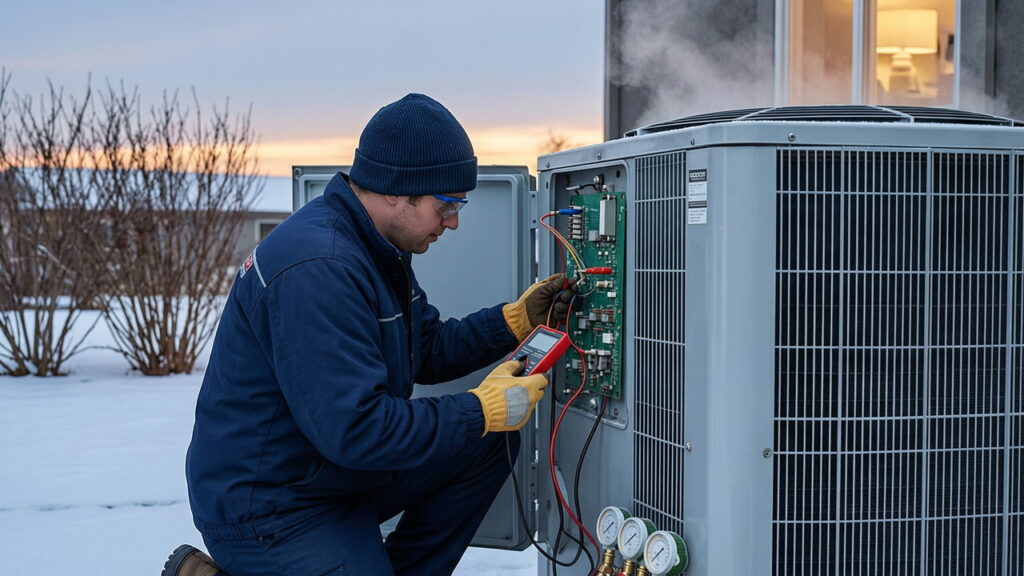
A heat pump is one of the most versatile systems in a modern home, providing both heating and cooling from a single piece of equipment. When it stops working properly, comfort can drop quickly, and small faults can grow into expensive failures. Timely Heat pump repair helps restore reliable performance, protect major components, and keep energy use under control throughout the year.
Not every unusual sound or icy coil means something is broken, however. Heat pumps behave differently from furnaces and conventional air conditioners, so understanding normal operation helps homeowners avoid unnecessary service calls. This guide explains common problems, safe troubleshooting steps, repair costs, and how to decide when professional help or replacement makes more sense.
What Is Heat Pump Repair?
Heat pump repair is the process of diagnosing and correcting faults that prevent a heat pump from heating or cooling a building safely and efficiently. It can involve electrical components, refrigerant circuits, airflow, controls, drainage, or mechanical parts such as fans and compressors. Repairs range from replacing a failed capacitor to locating and sealing a refrigerant leak.
Unlike routine maintenance, which focuses on cleaning and inspection, heat pump repair responds to a specific malfunction. A qualified HVAC technician typically confirms the symptom, tests the relevant components, and identifies the underlying cause before replacing parts. This diagnostic approach matters because many different faults can produce the same complaint, such as weak heating or warm air in cooling mode.
How a Heat Pump Works
A heat pump moves heat rather than generating it through combustion. In cooling mode, it absorbs heat from indoor air and releases it outdoors, much like an air conditioner. In heating mode, a reversing valve changes the direction of refrigerant flow so the system extracts heat from outdoor air, or from the ground in geothermal systems, and delivers it indoors.
Key components include the compressor, indoor and outdoor coils, reversing valve, expansion device, fans, and control board. Many ducted systems also have auxiliary electric resistance heat that assists during very cold weather or defrost cycles. Because these parts work together, a fault in one area often affects overall performance, which is why accurate diagnosis is the foundation of effective heat pump repair.
Normal Heat Pump Behavior That Does Not Need Repair
Some heat pump behaviors surprise homeowners but are completely normal. Recognizing them can prevent unnecessary heat pump repair calls and help you focus on genuine warning signs.
Defrost Cycles in Winter
In heating mode during cold, damp weather, frost can form on the outdoor coil. The system periodically switches into a defrost cycle to melt it, which may produce a whooshing sound, a brief pause in the outdoor fan, and visible steam rising from the unit. A light frost that clears regularly is expected, while a thick block of ice that never melts suggests a problem.
Longer Run Times and Warm Rather Than Hot Air
Heat pumps often run for longer periods than furnaces because they deliver heat more gradually. Air from the supply vents may feel warm instead of hot, especially in colder weather, even when the system is working correctly. As outdoor temperatures fall, many heat pumps lose some heating capacity, and auxiliary heat may come on to help maintain the thermostat setting.
Auxiliary and Emergency Heat Indicators
An auxiliary heat message on the thermostat usually means backup heat is assisting the heat pump, which can happen during defrost or very cold periods. Emergency heat is different because it is a manual setting that runs only the backup heat source. It is useful when the heat pump itself has failed, but relying on electric resistance heat for long periods typically raises energy costs.
Warning Signs You Need Heat Pump Repair
Genuine faults usually show up as persistent changes in comfort, sound, or energy use. Paying attention to these signs allows you to arrange heat pump repair before a minor issue causes secondary damage.
- The system runs but cannot reach the thermostat setting in heating or cooling mode.
- Thick ice covers the outdoor coil for hours and does not clear after defrost.
- Grinding, screeching, banging, or loud buzzing comes from the indoor or outdoor unit.
- The unit turns on and off rapidly, a pattern known as short cycling.
- The circuit breaker trips repeatedly when the heat pump starts.
- Water pools around the indoor unit or air handler.
- Auxiliary or emergency heat runs constantly in mild weather.
- Energy bills rise sharply without changes in weather, rates, or household use.
Burning smells, smoke, or scorching near electrical components require immediate action. Turn the system off at the thermostat and the outdoor disconnect if it is safe to do so, then contact a qualified heat pump repair technician or emergency services depending on the severity.
8 Common Heat Pump Problems and How They Are Repaired
Many heat pump repair calls trace back to a relatively small group of faults. The eight problems below cover issues technicians commonly encounter, along with how each is typically diagnosed and corrected.
1. Thermostat and Control Problems
Incorrect settings, dead batteries, loose wiring, or a failing thermostat can make a working heat pump appear broken. A thermostat set to the wrong mode, or one not configured for heat pump operation, may call for the wrong equipment or fail to energize the reversing valve correctly. Smart thermostats installed without proper heat pump configuration are a common source of confusion.
Heat pump repair in this area often involves verifying thermostat settings, checking low-voltage wiring, and testing control signals at the indoor and outdoor units. If the control board itself has failed, the technician may replace it with a compatible part specified by the manufacturer.
2. Restricted Airflow
Dirty filters, blocked return grilles, closed supply vents, and contaminated coils restrict airflow through the system. Poor airflow reduces heating and cooling capacity, can cause the indoor coil to freeze in cooling mode, and may trigger high-pressure safety shutdowns in heating mode. These symptoms are easily mistaken for refrigerant problems.
This type of heat pump repair may be as simple as replacing a filter, or it may require coil cleaning, blower inspection, or duct corrections. A good technician evaluates airflow before recommending refrigerant work, because adding refrigerant to a system with an airflow restriction does not solve the real issue and can create new ones.
3. Ice Buildup and Defrost Failures
Persistent ice on the outdoor coil usually points to a defrost control problem, low refrigerant charge, a failed outdoor fan motor, or poor drainage around the unit. Defrost systems rely on sensors and a control board to decide when to start and end each cycle, and a failed sensor can prevent the unit from defrosting at all.
Heat pump repair for icing begins with identifying the cause rather than simply melting the ice. Homeowners should never chip ice from the coil with tools, since the fins and tubing are easily damaged. If water from a roof or gutter drips onto the unit, redirecting it can prevent recurring ice formation.
4. Reversing Valve Malfunctions
The reversing valve allows a heat pump to switch between heating and cooling. When it sticks or its solenoid coil fails, the system may heat when it should cool, cool when it should heat, or remain stuck in one mode. Before condemning the valve, technicians usually check the thermostat signal and solenoid, since those parts are simpler and less expensive to replace.
Replacing the valve body is a more involved heat pump repair because it requires recovering refrigerant, brazing new connections, pressure testing, evacuating the system, and recharging it. This work must be performed by a properly certified technician.
5. Capacitor and Contactor Failures
Capacitors provide the electrical boost that helps compressors and fan motors start and run, while the contactor acts as a switch that sends power to the outdoor unit. A weak capacitor can cause humming without startup, slow fan rotation, or repeated tripping, and a pitted or stuck contactor may prevent the outdoor unit from starting or stopping correctly.
These are among the more common and relatively affordable heat pump repairs. However, capacitors can store a dangerous electrical charge even after power is disconnected, so testing and replacement should be left to trained professionals who follow proper discharge procedures.
6. Refrigerant Leaks
A heat pump operates with a sealed refrigerant circuit, so refrigerant is not consumed during normal operation. Low charge generally means a leak somewhere in the coils, fittings, valves, or line set. Symptoms can include reduced capacity, unusual icing, longer run times, and sometimes a hissing sound or oily residue near connections.
Proper heat pump repair locates the leak, repairs or replaces the leaking component, and then evacuates and recharges the system to the manufacturer’s specification. In the United States, technicians who service stationary equipment containing refrigerant must hold EPA Section 608 certification, and knowingly venting refrigerant is prohibited. Repeated top-offs without fixing the leak waste money and undermine reliability.
7. Fan and Blower Motor Problems
The outdoor fan moves air across the outdoor coil, while the indoor blower circulates air through the ducts or indoor unit. Worn bearings, failed motors, damaged blades, and weak capacitors can stop either fan or cause loud noises. When the outdoor fan stops, system pressures can rise quickly, and safety controls may shut the equipment down.
Heat pump repair for fan issues usually involves testing the motor, capacitor, and control signals, then replacing the faulty part. Many modern systems use variable-speed blower motors with electronic modules, so diagnosis often requires manufacturer-specific procedures.
8. Drainage and Water Leaks
In cooling mode, the indoor coil removes moisture from the air, which drains through a condensate pan and line. A clogged drain, cracked pan, failed condensate pump, or poorly sloped pipe can cause water to overflow into ceilings, closets, or floors. Some systems include a float switch that shuts down cooling when water backs up, which homeowners may mistake for a major failure.
Clearing the drain line and confirming proper slope often resolves the issue. If water has already damaged nearby materials, prompt drying helps reduce the risk of mold growth, and the drainage fault should be corrected so the heat pump repair addresses the cause rather than only the symptom.
Safe Troubleshooting Before Calling for Heat Pump Repair
A few simple checks can sometimes restore operation or provide useful information for a technician. These steps involve only user-level controls and do not require opening equipment panels.
- Confirm the thermostat is set to the correct mode and temperature, and replace its batteries if applicable.
- Inspect the air filter and replace it if it is dirty or clogged.
- Make sure supply vents and return grilles are open and unobstructed.
- Check the electrical panel for a tripped breaker and reset it only once.
- Look at the outdoor unit for debris, snow, or heavy ice blocking airflow.
- Check for standing water that may have triggered a condensate overflow switch.
If a breaker trips again after one reset, do not keep resetting it. Repeated tripping signals an electrical fault, failing component, or short circuit that requires professional heat pump repair. Noting when the problem began, any error codes, and unusual sounds can shorten diagnosis time.
Repairs Homeowners Should Not Attempt
Opening electrical compartments, replacing capacitors, handling refrigerant, brazing lines, and replacing compressors all carry serious risks. High voltage, stored electrical energy, pressurized refrigerant, and hot surfaces can cause injury, and improper work can damage expensive components or affect warranty coverage. For these tasks, professional heat pump repair is the safe and responsible choice.
What Happens During a Professional Heat Pump Repair Visit
Understanding the service process helps you evaluate the work and ask informed questions. While procedures vary, most professional heat pump repair visits follow a similar sequence.
Diagnosis and Testing
The technician gathers information about the symptoms, inspects the indoor and outdoor units, and checks controls, electrical components, airflow, and refrigerant-side conditions as needed. Tools may include multimeters, temperature probes, pressure gauges, and leak detection equipment. Many modern systems also store fault codes that point toward specific components.
Explaining Findings and Providing an Estimate
A trustworthy technician explains what failed, why it failed, and what options are available before starting significant work. A written estimate should identify parts, labor, and any related work needed to prevent the problem from recurring. If several issues are present, ask which repairs are urgent and which can be scheduled later.
Completing and Verifying the Repair
After the heat pump repair, the technician should operate the system and confirm that the original complaint has been resolved. Verification may include checking temperatures, electrical readings, and defrost operation where conditions allow. Keep the invoice, since it documents service history for warranty claims and future diagnosis.
How Much Does Heat Pump Repair Cost?
Heat pump repair costs vary widely depending on the failed component, system type, refrigerant, accessibility, location, and timing. Because labor rates and parts prices differ by region and change over time, a site-specific written estimate is the only reliable way to know what a particular repair will cost.
The table below compares common heat pump repair jobs by the work involved and their general cost level relative to one another. It is a planning guide rather than a price list.
| Repair Type | Typical Work Involved | Relative Cost Level |
|---|---|---|
| Thermostat or settings correction | Configuration, wiring checks, or thermostat replacement | Lower |
| Capacitor or contactor replacement | Electrical testing and part replacement | Lower |
| Condensate drain repair | Clearing lines, replacing pumps or float switches | Lower to moderate |
| Fan or blower motor replacement | Motor testing and replacement, sometimes with a control module | Moderate |
| Defrost sensor or control board | Control diagnosis and replacement | Moderate |
| Refrigerant leak repair | Leak search, component repair, evacuation, and recharge | Moderate to high |
| Reversing valve replacement | Refrigerant recovery, brazing, testing, and recharge | High |
| Compressor replacement | Major refrigerant-circuit work and extensive labor | Highest |
Factors That Raise or Lower Repair Costs
Emergency, weekend, and holiday service often carries higher rates. Equipment in attics, crawl spaces, or rooftop locations requires more labor, and ductless or geothermal systems may involve specialized parts. Older systems using R-22 can be especially costly to repair because new production and import of that refrigerant ended in the United States in 2020, leaving only recovered, reclaimed, or stockpiled supplies.
Warranty coverage can significantly reduce parts costs, although labor is often billed separately unless an extended labor warranty applies. Comparing estimates from qualified contractors helps, but make sure each quote describes the same scope of heat pump repair before comparing prices.
Heat Pump Repair for Different System Types
Different heat pump designs share core principles, but their components and common faults vary. Knowing your system type helps you choose a technician with the right experience.
Ducted Air-Source Systems
Ducted air-source heat pumps are the most familiar type, with an outdoor unit connected to an indoor air handler and ductwork. Heat pump repair on these systems often involves outdoor electrical parts, defrost controls, blower motors, and airflow problems. Leaky or undersized ducts can cause comfort complaints that look like equipment failure.
Ductless Mini-Split Systems
Ductless systems connect one outdoor unit to one or more wall, ceiling, or floor-mounted indoor heads. Common heat pump repair issues include clogged indoor filters, condensate drainage problems, communication errors between units, and sensor failures. Many mini-splits display error codes, but interpreting them correctly usually requires the manufacturer’s service documentation.
Geothermal Heat Pumps
Geothermal, or ground-source, heat pumps exchange heat with the earth through buried or submerged loops. Their indoor equipment resembles other heat pumps, but loop flow, circulating pumps, and antifreeze solutions add specialized considerations. Heat pump repair for geothermal systems should be handled by contractors experienced with ground-source equipment.
Should You Repair or Replace Your Heat Pump?
Not every failure justifies replacing the entire system, and not every system is worth repairing. The right choice depends on the age and condition of the equipment, the cost and nature of the heat pump repair, efficiency, refrigerant type, and your comfort needs.
When Heat Pump Repair Makes Sense
- The system is relatively young and has a good service history.
- The failed part is a minor or moderately priced component.
- The equipment still heats and cools the home effectively.
- Warranty coverage applies to major parts.
When Replacement May Be the Better Choice
- The compressor or several major components have failed on an older system.
- The system uses R-22 and needs refrigerant-circuit work.
- Repairs are becoming frequent and costs are accumulating.
- Comfort problems persist because the system is undersized, oversized, or poorly matched.
Newer heat pumps, including cold-climate models, may offer better efficiency and low-temperature performance than older equipment. New residential systems in the United States are also transitioning to lower global warming potential refrigerants under EPA rules, while R-410A remains available for servicing existing equipment. Rebates or incentives may help offset replacement costs, but programs change, so verify current availability with utilities and official government sources.
Heat Pump Repair in Cold Weather
Winter breakdowns deserve special attention because a heating failure can affect safety as well as comfort. If the heat pump stops producing heat, switching to emergency heat can keep the home warm temporarily while you arrange heat pump repair, provided the backup system works. Expect higher energy use while emergency heat runs.
Keep snow and ice clear around the outdoor unit and make sure it sits high enough for meltwater to drain away during defrost. Do not wrap the unit in tarps or plastic during the heating season, since it needs unrestricted airflow to operate. Persistent heavy icing, loud noises during defrost, or no heat at all should be evaluated by a professional.
Common Heat Pump Repair Myths
Misconceptions can lead homeowners to ignore real problems or pay for unnecessary work. Clearing up a few common myths makes heat pump repair decisions easier.
A Heat Pump That Struggles in Winter Is Always Broken
Heat pump capacity naturally declines as outdoor temperatures drop, and auxiliary heat is designed to supplement it. Cold-climate models perform better at low temperatures, but they still depend on proper sizing and installation. A heat pump repair visit makes sense when the system cannot maintain comfort in conditions it previously handled, or when backup heat runs constantly in mild weather.
Closing Vents Lowers Energy Bills
Closing too many supply registers in a ducted system can raise static pressure, reduce airflow, and contribute to coil freezing or overheating. Instead of saving money, it may create conditions that lead to heat pump repair. Zoning should be designed by a professional rather than improvised by shutting vents.
Any Replacement Part Works Just as Well
Generic parts can be appropriate when they match the original specifications, but mismatched capacitors, motors, or control boards can shorten component life or affect safety. Quality heat pump repair uses parts rated for the specific equipment, whether manufacturer-supplied or properly matched equivalents.
How to Choose a Reliable Heat Pump Repair Technician
The quality of heat pump repair depends heavily on the skill and honesty of the technician. Heat pumps involve refrigeration, electrical controls, and defrost logic that differ from furnaces, so relevant experience matters.
Credentials and Insurance
Verify that the contractor holds any licenses required in your state or locality and carries appropriate liability and workers’ compensation insurance. Technicians performing refrigerant work in the United States should hold EPA Section 608 certification. Additional training, such as NATE certification or manufacturer programs, can indicate a commitment to professional development, although no credential guarantees a perfect outcome.
Diagnostic Transparency
Choose a technician who explains findings clearly and shows supporting evidence such as test readings or damaged parts. Be cautious of anyone who recommends adding refrigerant without looking for a leak or pushes full replacement without a clear diagnosis. For major expenses like compressor replacement, a second opinion is reasonable.
Pricing and Warranty Terms
Ask whether the company charges a diagnostic fee, a flat rate, or hourly labor, and whether the diagnostic fee is credited toward the repair. Request details about warranties on both parts and workmanship. Clear written terms reduce misunderstandings after the heat pump repair is completed.
Preventing Future Heat Pump Repairs
Not every failure can be prevented, but consistent maintenance reduces avoidable stress on components and helps reveal developing problems early. U.S. Department of Energy guidance emphasizes regular filter care, keeping outdoor coils clean and unobstructed, and periodic professional servicing for heat pumps.
- Inspect filters monthly and replace them as needed.
- Maintain the manufacturer’s recommended clearance around the outdoor unit.
- Remove leaves, grass clippings, and snow from around the unit.
- Keep supply vents and return grilles unobstructed.
- Watch for unusual sounds, icing patterns, or changes in performance.
- Schedule professional maintenance according to manufacturer guidance, since heat pumps often operate year-round.
Professional maintenance typically includes electrical checks, coil inspection, airflow evaluation, defrost testing, and drain cleaning. Catching a weak capacitor or clogged drain during a planned visit is usually far less disruptive than an emergency heat pump repair during a heat wave or cold snap.
FAQ’s
1. What are the most common reasons for heat pump repair?
Common causes include thermostat issues, dirty filters, capacitor failures, defrost problems, refrigerant leaks, fan motor faults, and reversing valve malfunctions.
2. Is it normal for a heat pump to have frost or ice?
Light frost that clears during defrost cycles is normal in winter. Thick ice that remains for hours suggests the unit needs professional inspection.
3. How much does heat pump repair cost?
Costs depend on the failed part, labor, refrigerant type, access, and location. Capacitor replacements usually cost far less than compressor or reversing valve repairs.
4. Can I do heat pump repair myself?
You can check the thermostat, filter, breaker, and outdoor debris. Electrical, refrigerant, and internal component repairs should be handled by qualified technicians.
5. When should I replace my heat pump instead of repairing it?
Replacement may make sense when an older system needs a compressor, uses R-22 refrigerant, or requires frequent and costly repairs.
6. Why does my heat pump blow cool air in heating mode?
Air may feel only mildly warm during normal operation or defrost. Persistently cool air can indicate reversing valve, refrigerant, or control problems needing heat pump repair.
Conclusion
Heat pump repair is most effective when it starts with accurate diagnosis rather than guesswork. Understanding normal behavior such as defrost cycles and auxiliary heat helps you recognize real warning signs, while simple checks of filters, thermostats, and breakers can sometimes resolve problems quickly. For electrical faults, refrigerant leaks, and major components, a qualified technician offers the safest path back to reliable comfort.
Whether you need a minor fix or are weighing repair against replacement, clear estimates and an honest look at the system’s age, refrigerant, and condition will guide better decisions. Combined with regular maintenance, timely heat pump repair keeps your home comfortable in every season and protects one of its most valuable mechanical systems.