
A dependable heating system is essential when outdoor temperatures fall and indoor comfort becomes a priority. However, furnaces, heat pumps, boilers, and other heating equipment...
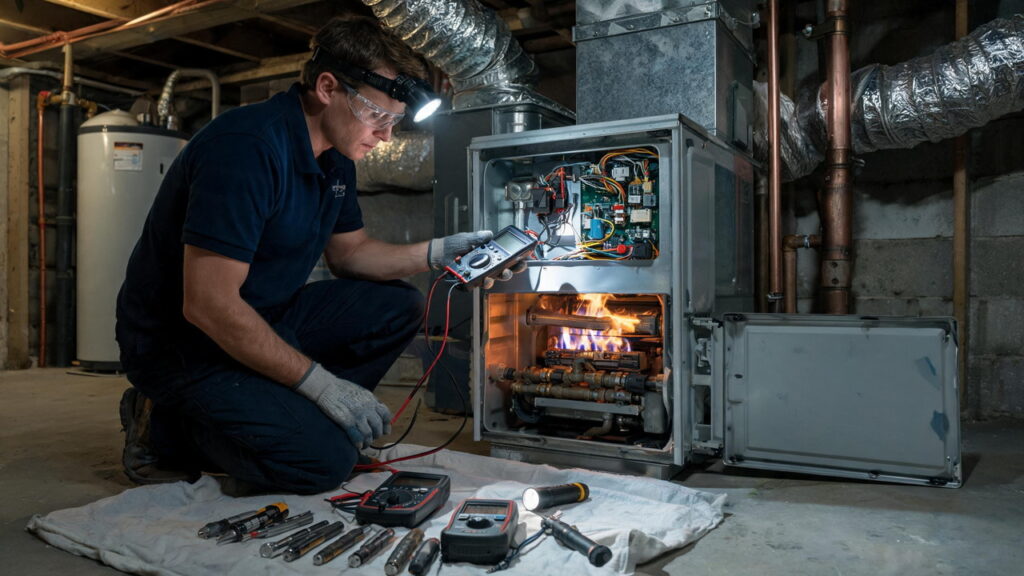
A dependable heating system is essential when outdoor temperatures fall and indoor comfort becomes a priority. However, furnaces, heat pumps, boilers, and other heating equipment can develop problems that reduce performance or stop heating altogether. Timely Heating Repair helps identify mechanical faults, electrical problems, airflow restrictions, and safety concerns before they create larger disruptions.
Understanding common heating problems can also help homeowners distinguish simple operating issues from situations requiring professional service. From thermostat settings and dirty filters to ignition failures and unusual noises, knowing what to check and when to call a technician makes heating repair decisions easier, safer, and more cost-effective.
What Is Heating Repair?
Heating repair is the process of diagnosing and correcting problems that prevent a heating system from operating safely and effectively. It includes repairing mechanical components, electrical controls, fuel-burning equipment, airflow systems, and other parts responsible for delivering heat.
Professional heating repair services commonly cover gas furnaces, electric furnaces, heat pumps, boilers, and certain other residential heating systems.
The specific repair process depends on the equipment type, age, condition, and symptoms.
A technician may need to inspect electrical connections, test safety controls, evaluate airflow, examine combustion components, or diagnose problems with water circulation.
Heating repair differs from routine maintenance because it addresses an existing malfunction rather than simply checking equipment condition.
However, maintenance and repair are closely connected. Regular servicing can reveal developing problems before they cause complete heating failure.
Why Heating Repair Is Important
A malfunctioning heating system can affect indoor comfort, energy consumption, and household safety.
Some faults simply reduce heating performance. Others can involve overheating, electrical hazards, gas leaks, or unsafe combustion.
Prompt heating repair helps restore appropriate operation and reduce the risk of additional equipment damage.
However, not every heating problem requires an expensive component replacement.
A qualified technician should identify the underlying cause before recommending repairs.
Accurate diagnosis is especially important because several different failures can produce similar symptoms.
For example, weak airflow may result from a clogged filter, blower malfunction, duct restriction, or control problem.
Common Heating Systems That Require Repair
Different residential heating systems use different methods to produce or transfer heat.
Understanding the equipment in your home helps you recognize which heating repair services may be necessary.
Gas Furnaces
Gas furnaces burn natural gas or propane to produce heat.
A heat exchanger transfers combustion heat to indoor air, which a blower distributes through ductwork.
Heating repair on gas furnaces may involve ignition systems, flame sensors, gas valves, blower motors, limit switches, or control boards.
Combustion equipment requires special safety considerations.
A cracked heat exchanger, blocked vent, or gas leak can create serious hazards and requires qualified professional evaluation.
Electric Furnaces
Electric furnaces use resistance heating elements to warm indoor air.
They typically include electrical controls, heating elements, contactors, sequencers, and blower components.
Heating repair may involve diagnosing faulty heating elements, electrical connections, or control problems.
Although electric furnaces do not produce combustion gases, they still contain potentially hazardous high-voltage components.
Homeowners should not attempt internal electrical repairs without appropriate qualifications.
Heat Pumps
Heat pumps transfer heat between indoor and outdoor environments.
Many systems provide both heating and cooling.
Heating repair for heat pumps may involve refrigerant systems, compressors, reversing valves, sensors, fans, and defrost controls.
Heat pumps operate differently from conventional furnaces.
For example, a heat pump may temporarily enter a defrost cycle during cold weather.
Understanding normal operation helps avoid unnecessary repair calls.
Boilers and Hydronic Heating
Boilers heat water or produce steam for distribution through radiators, baseboard units, or radiant floor systems.
Heating repair may involve circulation pumps, expansion tanks, valves, thermostats, pressure controls, or combustion components.
Boiler systems can contain hot water or steam under pressure.
Repairs involving pressurized components or fuel-burning equipment should be performed by qualified professionals.
7 Common Heating Problems and Their Solutions
Heating failures can develop for many reasons.
The following seven problems are frequently encountered during residential heating repair visits.
1. Thermostat Problems
The thermostat controls when the heating system operates.
Incorrect settings, depleted batteries, wiring defects, or control failures may prevent the equipment from responding correctly.
Before scheduling heating repair, confirm that the thermostat is set to heating mode and the desired temperature is above the current room temperature.
If the thermostat uses replaceable batteries, check them according to the manufacturer’s instructions.
Persistent problems may require professional testing.
A technician can determine whether the thermostat, control wiring, or heating equipment is responsible.
2. Dirty Air Filters
Forced-air heating systems rely on suitable airflow.
Over time, filters collect dust and other particles.
A heavily loaded filter can restrict airflow and contribute to overheating or reduced heating performance.
Regular filter inspection is an important way to reduce avoidable heating repair problems.
However, the replacement interval depends on filter type, household conditions, and equipment operation.
Follow manufacturer recommendations rather than assuming every filter must be replaced on the same schedule.
3. Ignition or Pilot Light Failure
Gas furnaces use ignition systems to start combustion.
Older equipment may use a standing pilot light, while many modern furnaces use electronic ignition.
Ignition problems can result from faulty components, control failures, or fuel supply issues.
Heating repair should involve professional diagnosis rather than repeated attempts to force the system to ignite.
If you smell gas, leave the affected area and contact the gas utility or emergency services from a safe location.
Do not operate electrical switches or create ignition sources near a suspected gas leak.
4. Blower Motor Problems
The blower motor moves heated air through the duct system.
If the motor fails or operates incorrectly, the furnace may produce heat without distributing it effectively.
Heating repair may involve checking the motor, capacitor, control module, wiring, or related components.
Unusual grinding or squealing sounds can sometimes indicate mechanical deterioration.
However, noise alone does not identify the exact failure.
Professional inspection is necessary to determine the appropriate repair.
5. Short Cycling
Short cycling occurs when a heating system starts and stops more frequently than expected.
Possible causes include airflow restrictions, thermostat problems, overheating, control faults, or equipment sizing issues.
Heating repair begins with identifying why the equipment is shutting down.
Repeated cycling can increase component wear and interfere with comfort.
However, some modern variable-capacity systems operate differently from older single-stage equipment.
A technician should evaluate the system according to its design.
6. Uneven Heating
Some rooms may feel warmer or colder than others.
Possible causes include blocked registers, duct leakage, airflow imbalance, insulation differences, and heating equipment problems.
Heating repair may address mechanical or control faults contributing to uneven temperatures.
However, not every comfort problem originates inside the furnace.
Duct modifications, air sealing, or insulation improvements may be necessary.
A proper assessment should consider the complete heating system and building conditions.
7. Unusual Furnace Noises
Heating systems produce normal operating sounds.
However, loud banging, grinding, rattling, or repeated clicking can indicate developing problems.
Heating repair may involve inspecting motors, burners, ductwork, or other components.
A brief expansion sound from metal ductwork may be normal.
Persistent or worsening noises deserve attention, particularly when accompanied by reduced performance or unusual odors.
Warning Signs That You Need Professional Heating Repair
Some heating problems are obvious, while others develop gradually.
Recognizing warning signs helps homeowners arrange service before a complete breakdown occurs.
No Heat From the System
If the thermostat calls for heat but the equipment does not respond, several causes are possible.
The problem may involve power supply, controls, safety switches, ignition, or another component.
Heating repair should begin with basic checks and proceed to professional diagnosis when necessary.
Weak Airflow
Low airflow can prevent heated air from reaching occupied rooms.
A clogged filter, blower problem, or duct restriction may be responsible.
Heating repair may restore airflow when a mechanical defect is present.
However, poorly designed ductwork may require more extensive improvements.
Burning Smells
Some heating systems produce a temporary dusty odor when first started after a long period of inactivity.
However, persistent burning smells, smoke, or scorching odors can indicate serious problems.
Turn the system off when safe and contact a professional.
Heating repair involving suspected electrical overheating should not be delayed.
Frequent Breaker Trips
Repeated breaker trips can indicate electrical faults or excessive current draw.
Do not continue resetting the breaker.
Heating repair should include qualified electrical diagnosis.
Installing a larger breaker without evaluating the circuit can create serious hazards.
Unexpected Energy Bills
Higher heating costs can result from colder weather, utility rate changes, increased use, or equipment inefficiency.
Heating repair may be appropriate when higher bills coincide with abnormal operation.
However, energy bills alone cannot establish that a heating system is defective.
A technician should evaluate actual equipment performance.
Safe Troubleshooting Before Calling for Heating Repair
Some basic checks are suitable for homeowners.
These steps can sometimes resolve minor operating issues or help identify useful information for a technician.
Check Thermostat Settings
Verify that the thermostat is set to heat.
Confirm that the desired temperature is higher than the current indoor temperature.
If the thermostat has a schedule, review it for unexpected changes.
Heating repair may not be necessary when the problem is caused by an incorrect setting.
Inspect the Air Filter
Check the filter according to the manufacturer’s instructions.
Replace it if it is excessively dirty.
A clean filter supports suitable airflow.
However, filter replacement will not correct every heating problem.
Check the Circuit Breaker
Look for a tripped breaker serving the heating equipment.
If appropriate and safe, reset it once.
If it trips again, stop and arrange professional heating repair.
Repeated resets can expose equipment to additional problems.
Check Accessible Vents
Make sure supply registers and return grilles are not blocked by furniture or stored items.
Restricted airflow can contribute to comfort problems.
Heating repair may still be needed if airflow remains weak after obvious obstructions are removed.
Review Error Codes
Some furnaces and heat pumps display diagnostic codes.
Homeowners can record visible error messages without opening unsafe equipment compartments.
Provide this information when arranging heating repair.
Error codes can help technicians narrow the investigation, but they do not always identify the exact failed component.
What Happens During a Professional Heating Repair Visit?
Professional service should follow an organized diagnostic process.
A qualified technician begins by understanding the symptoms and identifying relevant safety concerns.
Initial Inspection
The technician may review thermostat operation, equipment condition, and recent performance problems.
Heating repair assessments can include checking accessible electrical components, airflow, and safety devices.
For fuel-burning systems, combustion and venting conditions may require evaluation.
The exact inspection depends on the equipment type.
Diagnostic Testing
Technicians use appropriate instruments to investigate operating problems.
These may include multimeters, temperature probes, pressure instruments, and combustion analyzers.
Heating repair should be based on test findings rather than assumptions.
For example, replacing an ignition component without checking control signals may not solve the problem.
Repair Recommendations
After diagnosing the issue, the technician should explain the findings.
A written estimate should identify necessary parts, labor, and relevant additional work.
Heating repair recommendations should distinguish urgent safety problems from optional improvements.
Homeowners should have an opportunity to ask questions before authorizing significant repairs.
Final Testing
After completing the repair, the technician should verify system operation.
This may include checking heating output, airflow, electrical performance, and applicable safety controls.
Heating repair is not complete simply because the equipment turns on.
The original problem should be addressed, and the system should operate within appropriate specifications.
How Much Does Heating Repair Cost?
Heating repair costs vary significantly.
The final price depends on the system type, failed component, labor requirements, equipment accessibility, and geographic location.
A simple thermostat replacement is different from repairing a heat exchanger, compressor, or major boiler component.
Because prices vary, a written estimate is more useful than a universal repair figure.
Factors That Affect Heating Repair Costs
Several variables influence pricing.
Equipment type: Furnaces, heat pumps, and boilers require different components and expertise.
Problem complexity: Intermittent faults may require more diagnostic time.
Replacement parts: Specialized or manufacturer-specific parts can increase costs.
Labor rates: Service pricing varies by region and contractor.
Emergency scheduling: After-hours and holiday calls may include additional charges.
Equipment accessibility: Attic, crawl-space, or rooftop installations can require additional labor.
Warranty coverage: Parts may be covered while labor remains separately chargeable.
Heating repair estimates should explain what is included and identify any potential additional costs.
Is Emergency Heating Repair More Expensive?
Emergency service may cost more because it requires technicians to work outside normal business hours.
However, pricing practices vary.
Some heating repair companies charge separate emergency service fees.
Others provide fixed pricing for certain services.
Ask about diagnostic charges, labor, parts, and additional fees before authorizing work.
Emergency Heating Repair and Safety
A complete heating failure during freezing weather can create significant problems.
Indoor temperatures may fall, and plumbing systems may become vulnerable to freezing.
However, some heating emergencies involve immediate life-safety hazards.
Gas Leaks
If you smell gas or suspect a leak, leave the building immediately.
Do not operate switches, appliances, phones, or anything that could create a spark while inside the affected area.
Contact the gas utility or emergency services from a safe location.
Heating repair should begin only after the situation has been made safe.
Carbon Monoxide Risks
Fuel-burning heating equipment can produce carbon monoxide when combustion or venting problems occur.
Carbon monoxide is colorless and odorless.
Symptoms of exposure may include headache, dizziness, nausea, weakness, and confusion.
Install carbon monoxide alarms according to local requirements and manufacturer instructions.
If an alarm sounds, follow its emergency instructions and contact emergency services.
Heating repair involving suspected carbon monoxide hazards requires qualified professional evaluation.
Electrical Hazards
Smoke, sparks, repeated breaker trips, or burning odors may indicate electrical danger.
Turn off the equipment if it is safe to do so.
Do not open electrical panels or attempt internal repairs.
Professional heating repair is necessary when electrical components may be damaged.
Heating Repair vs Heating Maintenance
Heating repair and maintenance serve different purposes.
Maintenance focuses on routine inspections, cleaning, testing, and adjustments.
Heating repair addresses existing failures or abnormal operation.
Both are important for dependable heating.
Preventive Maintenance
Routine servicing may include filter checks, electrical inspections, burner evaluation, airflow testing, and safety control checks.
The appropriate maintenance tasks depend on the heating system.
Regular maintenance can identify certain developing problems before they cause a breakdown.
However, it cannot eliminate every future repair.
Corrective Repairs
Heating repair is necessary when a component fails or the system operates incorrectly.
Examples include replacing a defective blower motor, repairing control wiring, or correcting an ignition problem.
Repairs should address the underlying fault.
Simply restarting equipment without identifying the cause may provide only temporary relief.
Heating Repair for Gas Furnaces
Gas furnace repairs require particular attention to combustion safety.
The system must deliver heat while keeping combustion gases separated from indoor air.
Flame Sensor Problems
A flame sensor helps the furnace control system verify that combustion is occurring.
A contaminated or defective sensor may cause the burner to shut down shortly after ignition.
Heating repair may involve inspecting, cleaning, or replacing the sensor according to manufacturer procedures.
However, similar symptoms can result from other ignition or control problems.
Heat Exchanger Concerns
The heat exchanger separates combustion gases from circulating indoor air.
Damage can create serious safety concerns.
Heating repair involving a suspected heat exchanger defect requires qualified assessment.
A technician should evaluate the actual condition rather than relying on unsupported claims.
Replacement of the heat exchanger or furnace may be necessary when significant damage is confirmed.
Venting Problems
Gas furnaces require appropriate combustion air and exhaust venting.
Blocked or damaged vent systems can affect safe operation.
Heating repair may involve correcting venting defects.
Homeowners should not modify combustion venting without professional guidance.
Heating Repair for Electric Furnaces
Electric furnaces use resistance heating elements and electrical controls.
Their problems often differ from gas furnace failures.
Failed Heating Elements
A damaged heating element can reduce heating capacity.
Professional heating repair involves testing the element and related electrical components.
The technician should verify that the replacement part is compatible with the equipment.
Sequencer and Relay Problems
Electric furnaces may use sequencers or relays to control heating stages.
A failed component can prevent certain elements from operating.
Heating repair requires appropriate electrical testing.
High-voltage components should not be handled by unqualified homeowners.
Blower and Airflow Issues
Electric furnaces still depend on proper airflow.
A blower malfunction can cause overheating or poor heat distribution.
Heating repair may involve the motor, controls, filters, or duct system.
Correct diagnosis is essential.
Heating Repair for Heat Pumps
Heat pumps can experience mechanical, electrical, and refrigeration-related problems.
Their operation changes with outdoor conditions.
Defrost System Problems
Outdoor coils can accumulate frost during cold, damp weather.
Heat pumps periodically enter defrost cycles to remove it.
Heating repair may be needed when ice accumulates excessively or fails to clear.
Possible causes include faulty sensors, control problems, or other operating defects.
Reversing Valve Issues
The reversing valve allows many heat pumps to switch between heating and cooling.
If it fails, the equipment may remain in one operating mode.
Heating repair may involve testing control signals or replacing the valve.
Valve replacement requires specialized refrigerant handling.
Refrigerant Leaks
Refrigerant is not normally consumed during operation.
A system that repeatedly requires refrigerant may have a leak.
Heating repair should include locating and addressing the leak.
In the United States, covered refrigerant handling activities are subject to EPA Section 608 requirements.
Heating Repair for Boilers
Boilers use water or steam to distribute heat.
Their components and safety requirements differ from forced-air equipment.
Circulation Problems
Hydronic systems rely on pumps and suitable water flow.
A failed circulator or blocked component can reduce heating in affected zones.
Heating repair may involve testing pumps, valves, controls, and system conditions.
Pressure Problems
Boilers operate within specified pressure limits.
Abnormal pressure can indicate problems with expansion tanks, fill valves, or other components.
Heating repair involving pressure systems should be performed by qualified technicians.
Do not open pressurized equipment or bypass safety devices.
Leaks and Corrosion
Water leaks can damage surrounding materials and affect boiler operation.
Heating repair should identify the source of leakage.
Corrosion or deteriorated components may require replacement.
Repeatedly adding water without correcting a leak can create further system problems.
Heating Repair and Energy Efficiency
A heating system that operates incorrectly may consume unnecessary energy.
However, efficiency depends on more than component condition.
Building insulation, thermostat settings, ductwork, and equipment sizing also influence performance.
Airflow and Heating Performance
Restricted airflow can affect forced-air systems.
Heating repair may restore performance when dirty components or mechanical defects cause the restriction.
However, poor duct design may require additional work.
Thermostat Optimization
Programmable thermostats can help manage heating schedules.
Heating repair may include correcting control problems.
However, replacing a working thermostat does not automatically produce significant energy savings.
Results depend on how the system is operated.
Duct Leakage
Leaky ducts can allow conditioned air to escape into unconditioned spaces.
Heating repair may involve evaluating related airflow problems.
Duct sealing and insulation improvements can support efficiency when appropriate.
The U.S. Department of Energy provides educational guidance on heating systems and home energy efficiency.
Choosing a Reliable Heating Repair Company
Selecting the right HVAC contractor is important for safety and repair quality.
A dependable provider should explain its findings and recommend appropriate work.
Verify Licensing and Insurance
Heating repair licensing requirements vary by jurisdiction.
Ask whether the contractor holds the credentials required for the work.
Appropriate insurance coverage is also important.
Check Relevant Experience
Different heating systems require different expertise.
A technician experienced with gas furnaces may not specialize in geothermal heat pumps or complex boiler installations.
Choose a heating repair provider familiar with your equipment.
Request Clear Estimates
Ask for a written explanation of the problem and proposed repair.
The estimate should identify parts, labor, and relevant fees.
Heating repair pricing should be transparent before major work begins.
Review Warranties
Ask whether replacement parts and workmanship are covered.
Manufacturer warranties may have separate conditions.
Heating repair documentation can be useful for future service and warranty discussions.
Heating Repair or Replacement
At some point, replacing an aging heating system may be more practical than repairing it.
The decision should consider equipment condition, repair costs, efficiency, and expected future reliability.
When Repair Makes Sense
Heating repair may be appropriate when the system is relatively young and the fault is limited.
Minor component failures can often be corrected without replacing the equipment.
Warranty coverage may also influence the decision.
When Replacement May Be Better
Replacement may deserve consideration when major components fail or repairs become frequent.
Older equipment may also operate less efficiently than properly selected modern systems.
However, age alone does not establish that replacement is necessary.
A qualified contractor should evaluate the system and explain available options.
Preventing Future Heating Repairs
Preventive care can reduce avoidable problems.
However, even well-maintained systems can experience unexpected failures.
Replace Filters as Needed
Inspect filters regularly and replace them according to manufacturer guidance.
Suitable airflow supports system performance.
Keep Vents Clear
Avoid blocking supply registers and return grilles.
Heating systems need adequate airflow.
Schedule Professional Maintenance
Arrange servicing according to the equipment manufacturer’s recommendations.
Professional inspections may identify deteriorating components or unsafe conditions.
Respond to Warning Signs
Do not ignore unusual noises, odors, repeated shutdowns, or declining performance.
Timely heating repair can prevent certain problems from becoming more disruptive.
Maintain Safety Alarms
Homes with fuel-burning appliances should have appropriate carbon monoxide alarms.
Smoke alarms should also be installed and maintained according to applicable requirements.
These devices provide important warnings but do not replace professional heating system inspections.
FAQ’s
1. What are the most common Heating Repair problems?
Common problems include faulty thermostats, dirty filters, ignition failures, blower motor issues, short cycling, airflow restrictions, and electrical faults.
2. How much does professional Heating Repair cost?
Costs depend on the heating system, failed component, labor, location, and service timing. A written diagnostic estimate provides the most accurate pricing.
3. Can I perform Heating Repair myself?
Homeowners can check thermostat settings, filters, vents, and circuit breakers. Electrical, gas, combustion, and internal mechanical repairs require qualified professionals.
4. When should I call for emergency Heating Repair?
Seek immediate help for suspected gas leaks, carbon monoxide alarms, smoke, burning odors, or dangerous electrical problems. Complete heating failure during severe cold may also require urgent service.
5. How long does Heating Repair take?
Simple repairs may be completed during one service visit, while complex problems or unavailable parts can require additional time.
6. Is it better to repair or replace an old heating system?
The decision depends on equipment condition, repair cost, efficiency, age, and reliability. A qualified HVAC technician can help compare available options.
Conclusion
Heating repair is an important part of maintaining a safe, comfortable, and reliable home during colder weather. Recognizing warning signs, performing basic troubleshooting, and arranging professional service when necessary can help address problems before they cause major disruptions. Accurate diagnosis is especially important because heating systems involve electrical, mechanical, and sometimes combustion-related hazards.
Whether your home uses a gas furnace, electric furnace, heat pump, or boiler, choosing qualified heating repair services helps ensure that faults are addressed appropriately. Combined with regular maintenance and sensible operating habits, timely repairs can support dependable heating performance and help homeowners make informed decisions about long-term equipment care.