
Managing waste during a renovation, construction project, or major property cleanout can become challenging without a reliable disposal plan. Piles of unwanted furniture, damaged flooring,...
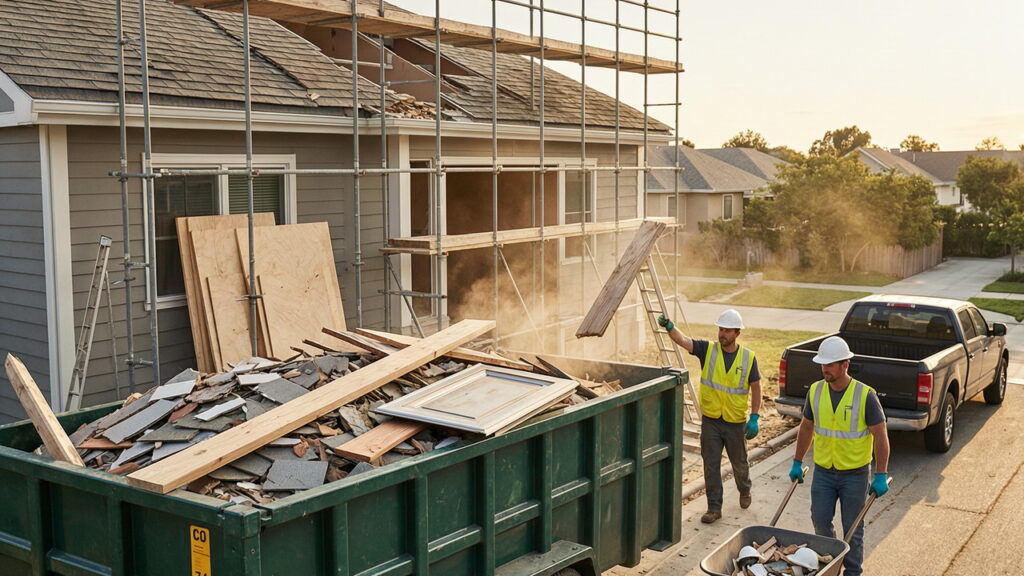
Managing waste during a renovation, construction project, or major property cleanout can become challenging without a reliable disposal plan. Piles of unwanted furniture, damaged flooring, demolition debris, and other materials quickly occupy valuable space. A professional Dumpster rental service offers a practical solution by providing a dedicated container for collecting and removing substantial amounts of waste.
However, choosing the right container involves more than selecting the largest available dumpster. Rental prices, container dimensions, weight allowances, prohibited materials, delivery access, and local permit requirements can influence the experience. Understanding these details helps homeowners, contractors, and businesses arrange efficient waste removal while avoiding preventable charges and unnecessary project delays.
What Is Dumpster Rental?
It is a temporary or ongoing waste management service that provides a large container for collecting unwanted materials. A rental company delivers the container to an approved location, allows customers to load permitted debris, and collects the container when the rental period ends or it reaches capacity.
Dumpster rental services are commonly used for residential cleanouts, home remodeling, construction projects, commercial waste collection, roofing replacement, and landscaping work.
The service typically includes container delivery, an agreed rental period, transportation, and disposal or processing of collected waste. However, specific inclusions depend on the provider and rental agreement.
Some dumpster rental companies charge a flat rate for a defined package, while others calculate costs using container size, rental duration, debris weight, and disposal charges.
Understanding these differences is essential when comparing providers.
How Does Dumpster Rental Work?
The dumpster rental process generally begins when a customer contacts a waste management company and describes the project.
The provider recommends a suitable container based on estimated debris volume, material type, and delivery conditions. After confirming the price and schedule, the company delivers the dumpster to the designated location.
Customers place accepted materials inside the container while following weight restrictions and loading requirements.
Once the project is complete, the dumpster rental provider collects the container and transports the waste to an appropriate disposal, recycling, or processing facility.
Additional charges may apply when the load exceeds agreed weight limits, contains restricted materials, or requires an extended rental period.
Why Dumpster Rental Is Useful for Large Cleanup Projects
Large cleanup projects often produce more waste than standard household collection services can accommodate.
Without a suitable disposal system, debris can interfere with construction activities, block access routes, and create avoidable safety hazards.
Dumpster rental provides a centralized location for collecting unwanted materials throughout the project.
Convenient Waste Collection
One of the biggest advantages of dumpster is having a dedicated container available when debris is generated.
Instead of transporting multiple loads in a personal vehicle, customers can place approved waste into the container as work progresses.
This arrangement can reduce the time spent coordinating individual disposal trips.
However, convenience depends on selecting the correct container and following the rental company’s material restrictions.
Better Organization and Worksite Safety
A cluttered project area can create trip hazards and obstruct equipment movement.
Dumpster rental helps establish a designated waste collection point.
Contractors can remove construction debris from active work areas instead of allowing it to accumulate.
The container should be positioned where workers can access it without blocking emergency exits, pedestrian routes, or essential equipment.
Proper placement supports a cleaner and more organized work environment.
Flexible Rental Options
Different cleanup projects require different waste capacities.
Dumpster rental providers commonly offer several container sizes and rental durations.
A small residential cleanout may need a compact container, while extensive demolition can require larger dumpsters or multiple exchanges.
Choosing a rental arrangement that matches the project helps avoid paying for unnecessary capacity.
Different Types of Dumpster Rental Services
Not every dumpster is designed for the same waste collection method.
Understanding the available options helps customers choose an appropriate service.
Roll-Off Dumpster Rental
Roll-off dumpsters are commonly used for temporary waste removal.
These large containers are delivered using specialized trucks and placed on suitable surfaces.
Many roll-off containers have open tops and rear doors that make loading bulky materials easier.
Roll-off dumpster rental is particularly useful for construction projects, home renovations, roofing work, and property cleanouts.
However, the delivery truck needs sufficient access to position and retrieve the container safely.
Front-Load Dumpster Rental
Front-load dumpsters are commonly used for ongoing commercial waste collection.
Businesses such as restaurants, offices, retail stores, and apartment complexes may use these containers under recurring service agreements.
They are designed for collection by compatible waste trucks.
Front-load dumpster rental usually involves scheduled pickups rather than a single collection after a temporary project.
The appropriate size and collection frequency depend on business waste volume.
Rear-Load Dumpster Rental
Rear-load dumpsters are another option for certain commercial properties.
These containers are designed for collection by vehicles equipped with compatible loading systems.
They may be suitable for locations with particular access or enclosure requirements.
A dumpster rental company can recommend the correct configuration after evaluating the property.
Specialized Material Dumpsters
Some waste materials require dedicated containers.
Examples include clean concrete, asphalt, soil, metal, and certain recyclable construction materials.
Specialized dumpster rental may be appropriate when a facility accepts separated materials for recycling or processing.
Customers should confirm material requirements before loading.
Mixing incompatible debris can result in additional charges or rejected loads.
Understanding Dumpster Rental Sizes
Dumpster sizes are generally measured in cubic yards.
One cubic yard equals 27 cubic feet, representing the container’s approximate volume rather than its permitted weight.
The correct dumpster rental size depends on the amount of debris, its density, and the available placement area.
10-Yard Dumpster Rental
A 10-yard dumpster offers approximately 10 cubic yards of capacity.
It is commonly suitable for smaller renovation projects, garage cleanouts, and limited demolition work.
Because of its relatively compact dimensions, this dumpster rental option may fit properties where larger containers are impractical.
However, dimensions vary by provider.
A 10-yard dumpster may also be appropriate for certain heavy materials when the rental company specifically permits them.
15-Yard Dumpster Rental
A 15-yard dumpster offers more space than a 10-yard container without requiring the capacity of a larger unit.
It may be useful for medium-sized home improvement projects and property cleanouts.
Not every dumpster rental company offers this size.
Customers should confirm availability and compare its cost with nearby container sizes.
20-Yard Dumpster Rental
A 20-yard dumpster is a common option for residential remodeling and larger cleanouts.
It may accommodate removed cabinets, drywall, flooring, and other approved materials.
This dumpster rental size often provides a useful balance between capacity and driveway placement requirements.
However, dense materials can reach the weight allowance before the container is full.
Customers should discuss heavy debris with the rental provider.
30-Yard Dumpster Rental
A 30-yard dumpster is commonly used for larger renovations, substantial cleanouts, and construction activities.
Its greater capacity allows customers to collect significant volumes of debris.
Before booking this dumpster rental size, confirm that the property provides enough delivery and retrieval space.
Overhead wires, low tree branches, and narrow driveways can affect placement.
40-Yard Dumpster Rental
A 40-yard dumpster offers substantial capacity for large construction and demolition projects.
It is often used when significant volumes of bulky waste are expected.
However, this dumpster rental option is not necessarily appropriate for dense materials such as concrete or soil.
Weight restrictions may require a smaller dedicated container.
Why Container Dimensions Matter
Two dumpsters advertised with the same capacity can have different physical dimensions.
One may be longer and lower, while another is shorter and taller.
For this on a narrow driveway, these differences can affect accessibility.
Ask for the actual length, width, and height before confirming delivery.
How Much Does Dumpster Rental Cost?
Dumpster rental costs vary according to location, container size, waste type, rental duration, and disposal fees.
There is no universal price that applies to every project.
Local transportation distances, landfill charges, and waste processing requirements can also influence the final amount.
A reliable dumpster rental company should explain its pricing structure before accepting a booking.
Container Size
Larger dumpsters often cost more to transport and dispose of than smaller containers.
However, pricing does not always increase proportionally with capacity.
For some projects, renting one larger container may cost less than arranging multiple smaller collections.
Dumpster rental estimates should reflect the total expected waste volume.
Included Weight Allowance
Many rental packages include a specified amount of disposal weight.
Additional charges may apply when the collected waste exceeds that limit.
Heavy materials such as concrete, roofing shingles, brick, and soil can increase the total weight substantially.
Before confirming dumpster rental, ask how overweight charges are calculated.
Rental Duration
Some providers include a fixed rental period in the quoted price.
Others charge according to the number of days or weeks the container remains on-site.
A delayed renovation may require an extension.
Dumpster rental customers should clarify extension fees and pickup notice requirements before booking.
Delivery and Collection Fees
Delivery and pickup may be included in the advertised rental price.
However, some companies charge separately for transportation, fuel, or additional collections.
A complete dumpster rental quote should clearly identify these charges.
Customers should avoid comparing prices that cover different services.
Waste Disposal Fees
Disposal facilities may charge different rates for different materials.
Mixed construction debris, clean concrete, yard waste, and general household waste may have different handling requirements.
These companies incorporate these costs into their pricing structures.
Accurately describing the waste before booking can help avoid unexpected charges.
7 Practical Tips for Choosing the Best Dumpster Rental
Planning ahead can make dumpster rental simpler and more cost-effective.
The following seven tips help customers select an appropriate container and avoid common problems.
1. Estimate Your Waste Volume Carefully
Start by identifying which materials will be removed.
Consider furniture, cabinets, flooring, drywall, packaging, and other unwanted items.
Its providers can often recommend a container based on the project description.
However, estimates are not exact.
Allowing reasonable capacity for unexpected debris can reduce the need for additional collections.
2. Consider the Weight of Materials
Volume and weight are different measurements.
A large amount of cardboard may occupy substantial space without weighing very much.
Concrete and masonry can be extremely heavy despite taking up less room.
When arranging dumpster rental, identify dense materials separately.
The provider may recommend a specialized container with different loading restrictions.
3. Compare Complete Rental Packages
Do not choose a provider solely because it advertises the lowest starting price.
Compare included weight, rental duration, delivery, pickup, and additional fees.
A dumpster rental package with a slightly higher base price may offer better value when it includes services that another provider charges separately.
Written estimates make comparisons easier.
4. Confirm Accepted Materials
Each rental company has rules about what can be placed in its containers.
Restricted materials may include chemicals, tires, batteries, and certain appliances.
Before booking dumpster rental, request the accepted-material list.
Understanding restrictions helps prevent rejected loads and additional handling charges.
5. Choose a Suitable Delivery Location
Dumpster placement affects both convenience and safety.
A flat, stable surface with adequate vehicle access is generally preferable.
Dumpster rental providers may recommend protective boards to help reduce driveway contact damage.
However, protective materials cannot guarantee that every surface will remain undamaged.
6. Understand Permit Requirements
Some jurisdictions require permits when dumpsters occupy public streets or sidewalks.
Private-property placement may be subject to different rules.
Before scheduling dumpster rental, check local regulations and homeowner association requirements where applicable.
Confirm who is responsible for obtaining necessary approvals.
7. Schedule Pickup Strategically
A dumpster that remains on-site longer than necessary may generate extension charges.
Arrange pickup when the cleanup is nearly complete.
These companies may require advance notice before collection.
Planning around this requirement can help avoid delays and unnecessary costs.
What Can You Put in a Rental Dumpster?
Accepted materials depend on the dumpster rental company, container type, and local disposal regulations.
Many general-purpose containers accept common nonhazardous household and construction debris.
Examples may include furniture, cardboard, drywall, untreated lumber, certain flooring materials, and approved remodeling waste.
However, acceptance should never be assumed.
Household Waste
General household cleanouts may produce old furniture, damaged belongings, packaging, and unwanted household items.
It can provide convenient capacity for these materials.
However, appliances, mattresses, electronics, and other special items may have separate disposal rules.
Ask the provider before loading them.
Construction Debris
Construction projects generate wood, drywall, insulation, flooring, and other materials.
Many dumpster rental services accept mixed construction and demolition debris.
However, certain materials may need to be separated for recycling or specialized disposal.
The exact rules depend on the provider.
Yard Waste
Branches, leaves, grass, and landscaping debris may be accepted in some containers.
Other providers require dedicated yard waste dumpsters.
Their customers should confirm whether soil, sod, roots, and tree stumps are permitted.
These materials can be heavy and may have different disposal requirements.
Roofing Materials
Asphalt shingles, underlayment, and certain roofing materials are commonly handled through dumpster rental services.
However, roofing debris can be dense.
The provider may limit the container size or maximum fill level for these materials.
Accurate weight planning is important.
Materials Commonly Prohibited From Dumpsters
Certain materials may create environmental, fire, chemical, or handling hazards.
Their agreements commonly restrict these items.
Examples include hazardous chemicals, fuels, solvents, automotive batteries, pressurized cylinders, asbestos-containing materials, and certain electronic devices.
Liquid paint and refrigerant-containing appliances may also require separate handling.
Some restrictions are established by local regulations, while others reflect the receiving facility’s requirements.
Dumpster rental customers should never hide prohibited materials beneath ordinary debris.
Improper disposal can result in additional charges and potential regulatory consequences.
Local hazardous waste collection programs may provide suitable alternatives.
Do You Need a Permit for Dumpster Rental?
Permit requirements depend primarily on container placement and local regulations.
A dumpster located entirely on private property may not require a street-use permit in some areas.
However, this is not a universal rule.
It’s on public streets, sidewalks, or other public rights-of-way often involves additional requirements.
Private Driveway Placement
Residential driveways are common dumpster placement locations.
Before arranging dumpster rental, confirm that the driveway can accommodate the container and delivery truck.
Steep slopes, weak surfaces, restricted access, and overhead obstructions may create difficulties.
Some homeowner associations also regulate temporary waste containers.
Public Street Placement
A municipality may require permission before a dumpster occupies a public roadway.
Rules can address placement duration, traffic safety, visibility, and container markings.
Dumpster rental providers sometimes assist with permit applications.
However, customers should confirm responsibility for obtaining approval.
Construction Site Requirements
Construction projects may involve additional site management and waste handling obligations.
Their arrangements should be coordinated with the project’s applicable permits and safety requirements.
Containers should not obstruct emergency access, pedestrian routes, or required work areas.
Dumpster Rental for Home Renovations
Home renovations are among the most common reasons people arrange temporary waste containers.
Demolition can produce bulky materials quickly.
Kitchen Remodeling
Kitchen projects may involve removing cabinets, countertops, flooring, and drywall.
Dumpster rental provides a collection area for approved materials.
However, stone countertops and other dense materials can affect weight allowances.
Appliances may require separate disposal arrangements.
Bathroom Renovations
Bathroom remodeling can generate tile, fixtures, drywall, and flooring debris.
Tile and mortar are relatively heavy.
When booking dumpster rental, provide an accurate description of these materials.
For older properties, potentially hazardous materials should be assessed before disturbance.
Flooring Replacement
Removing carpet, laminate, hardwood, or tile can produce substantial waste.
Different flooring materials vary in density and disposal requirements.
Dumpster rental size should reflect both the floor area and material type.
Certain older flooring products may require specialized assessment or handling.
Whole-Home Remodeling
Major renovations can involve several stages of demolition and reconstruction.
Dumpster rental companies may provide container exchanges when one load is collected and an empty container is delivered.
Coordinating these exchanges with contractors can help reduce worksite congestion.
Dumpster Rental for Roofing Projects
Roof replacement generates concentrated volumes of heavy debris.
Old shingles, underlayment, nails, flashing, and damaged decking may require disposal.
Dumpster rental is commonly used to collect these materials during roof replacement.
However, roofing projects require careful weight planning.
Estimating Roofing Debris
The amount of waste depends on roof size, roofing material, and the number of existing layers.
Multiple shingle layers can increase disposal weight considerably.
Dumpster rental providers may recommend specific container sizes for roofing debris.
Customers should follow the stated weight and fill restrictions.
Safe Dumpster Placement
Roofing contractors often prefer placing dumpsters where debris can be transferred efficiently.
However, placement should not create hazards for workers or occupants.
Dumpster rental arrangements should account for access, falling debris, and nearby property features.
Roofing work must follow appropriate fall-protection procedures.
Dumpster Rental for Estate Cleanouts
Estate cleanouts can involve large quantities of furniture, clothing, documents, and household belongings.
The process often requires careful sorting before disposal.
Dumpster rental can simplify removal of unwanted materials.
However, reusable and valuable items should be separated first.
Organizing the Cleanup
Begin by identifying important documents, family belongings, valuables, and items suitable for donation.
Create separate areas for materials that will be retained, donated, recycled, or discarded.
Dumpster rental works best when the contents have already been reviewed.
This reduces the risk of disposing of important belongings accidentally.
Handling Bulky Items
Furniture and large household items consume significant container space.
Some items can be disassembled to improve loading efficiency.
However, avoid creating sharp or unstable debris unnecessarily.
Dumpster rental companies may charge additional fees for mattresses, appliances, or other special items.
Confirm these requirements before loading.
Dumpster Rental for Construction and Demolition
Construction projects generate waste throughout multiple stages.
Materials may include lumber, drywall, concrete, metal, packaging, and other debris.
Dumpster rental helps contractors maintain a designated collection point.
However, effective waste management requires planning.
Construction Waste Organization
Waste containers should be positioned near work areas without interfering with equipment movement.
Dumpster rental may involve multiple containers when different materials require separate processing.
Clear signage and worker instructions can help reduce accidental mixing of restricted materials.
Demolition Debris
Demolition can produce significant quantities of debris in a short period.
A dumpster rental provider should understand the expected waste volume and composition.
Some demolition materials may require separate handling because of contamination or hazardous substances.
Appropriate assessment should occur before demolition begins.
Heavy Construction Materials
Concrete, brick, soil, and masonry can exceed container weight limits quickly.
Dumpster rental for these materials often involves dedicated containers with specific restrictions.
A large container should never be filled with heavy debris without confirming the permitted load.
Commercial Dumpster Rental Services
Businesses often require ongoing waste collection rather than temporary cleanup services.
Commercial dumpster rental can provide scheduled pickups based on operational needs.
Restaurants and Hospitality
Restaurants generate food waste, packaging, and other materials.
Commercial dumpster rental arrangements should account for waste volume, collection frequency, and sanitation requirements.
Food waste may need special handling depending on local rules.
Retail Stores
Retail businesses commonly generate cardboard, packaging, and general waste.
Dumpster rental can support recurring collection.
Some businesses may benefit from separate recycling containers for cardboard and other recoverable materials.
Offices and Commercial Buildings
Office properties may use shared dumpsters for general waste collection.
Commercial dumpster rental providers can recommend appropriate container sizes and pickup schedules.
Secure placement and reliable access are important.
Apartment Communities
Multifamily properties may require substantial recurring waste capacity.
Dumpster rental planning should consider resident volume, collection frequency, enclosure access, and local sanitation requirements.
Poorly sized containers can lead to overflow and property management problems.
How to Load a Rental Dumpster Safely
Correct loading supports transportation safety and helps avoid additional charges.
Dumpster rental companies typically specify maximum fill levels and weight restrictions.
Distribute Heavy Materials
Place heavy debris carefully and avoid concentrating excessive weight in one area.
Uneven loading can complicate transportation.
Dumpster rental containers should remain within the provider’s handling limits.
Stay Below the Fill Line
Debris should not extend above the permitted fill level.
Overfilled dumpsters may be unsafe to transport.
A dumpster rental company may refuse pickup until excess materials are removed.
Keep Prohibited Waste Separate
Restricted materials should never be mixed with approved debris.
Dumpster rental agreements may impose additional charges for contaminated loads.
Separate disposal arrangements should be made for hazardous items.
Avoid Unsafe Climbing
Do not climb into a dumpster containing unstable debris or sharp materials.
Rear loading doors should be operated according to provider instructions.
Dumpster rental equipment can create crushing and fall hazards when used incorrectly.
Environmental Considerations in Dumpster Rental
Responsible waste disposal includes reducing unnecessary waste and recovering useful materials when practical.
Dumpster rental providers may transport collected debris to landfills, transfer stations, recycling facilities, or processing centers.
The final destination depends on local infrastructure and material type.
Construction Material Recycling
Certain materials can be recycled or processed for reuse.
Examples may include clean concrete, metal, cardboard, and some wood products.
Dumpster rental customers should ask whether the company offers separated recycling services.
Mixing recyclable materials with contaminated waste may limit recovery opportunities.
Responsible Hazardous Waste Disposal
Hazardous products require appropriate handling.
Local waste management authorities can provide information about approved collection facilities.
Dumpster rental should not be used as a substitute for specialized hazardous waste disposal.
Waste Reduction Before Disposal
Usable furniture, appliances, and building materials may be suitable for donation or resale.
Reducing waste before arranging dumpster rental can lower the required container capacity.
This approach may also support local reuse and recycling efforts.
How to Choose a Reliable Dumpster Rental Company
A dependable provider should offer appropriate equipment, clear pricing, and reliable communication.
Verify Local Service Availability
Confirm that the company serves your delivery address.
Dumpster rental pricing may increase when transportation distances are significant.
Ask whether delivery charges vary by location.
Review Customer Feedback
Customer reviews can provide insight into punctuality, communication, and billing practices.
However, individual reviews should be considered alongside written service terms.
Dumpster rental customers should verify important details directly with the provider.
Compare Written Estimates
Request quotes describing container size, rental duration, included weight, delivery, pickup, and additional fees.
Dumpster rental packages should be compared based on the same requirements.
A low advertised price may exclude important services.
Confirm Insurance and Business Details
Waste container delivery involves heavy vehicles and equipment.
Ask whether the provider carries appropriate insurance and operates according to applicable requirements.
Dumpster rental companies should clearly explain responsibility for placement and potential property damage.
Common Dumpster Rental Mistakes to Avoid
Several planning mistakes can increase costs or delay cleanup.
Selecting the Wrong Size
A container that is too small may require additional collections.
An oversized dumpster may be unnecessarily expensive.
Dumpster rental providers can help estimate appropriate capacity when given accurate project information.
Ignoring Weight Limits
Dense debris can exceed the permitted weight even when the container appears partially empty.
Dumpster rental customers should understand overweight charges before loading.
Forgetting Placement Requirements
Insufficient truck access can prevent delivery.
Dumpster rental arrangements should account for driveway width, overhead clearance, surface conditions, and municipal rules.
Mixing Restricted Materials
Prohibited items may cause disposal problems.
Dumpster rental providers should supply clear material restrictions.
Customers should communicate these rules to anyone helping with the cleanup.
Delaying Pickup
Keeping a dumpster beyond the agreed period may result in additional fees.
Dumpster rental customers should schedule collection according to the provider’s notice requirements.
How to Prepare for Dumpster Delivery
Preparation reduces the likelihood of delivery problems.
Start by selecting a suitable location with enough room for the container and truck.
Measure the available space if necessary.
Before the dumpster rental delivery date, remove vehicles, stored materials, and other obstacles.
Check for overhead branches and utility lines.
Discuss steep slopes, soft ground, or unusual access conditions with the provider.
If the container will be placed near a building, make sure doors and emergency routes remain accessible.
Some dumpster rental companies recommend protective boards beneath the container.
However, these measures do not eliminate every risk of surface damage.
Confirm the delivery window and placement instructions before the truck arrives.
Dumpster Rental Questions to Ask Before Booking
A few questions can help clarify the rental agreement.
Ask the company:
- Which dumpster size is suitable for my project?
- What materials can I place in the container?
- How much disposal weight is included?
- What are the charges for exceeding the weight allowance?
- How long does the rental period last?
- Are delivery and pickup included in the quoted price?
- What space and clearance are required for delivery?
- Are permits necessary for the proposed location?
- Are there additional charges for certain materials?
- How much notice is required before pickup?
Getting these answers in writing can help prevent misunderstandings.
Dumpster rental customers should also keep a copy of the agreement for reference.
FAQ’s
1. How much does Dumpster rental cost?
Dumpster rental costs depend on container size, location, rental duration, waste weight, and disposal fees. Request a written quote for accurate pricing.
2. What dumpster size is best for a home renovation?
A 10-, 15-, or 20-yard dumpster may suit smaller projects, while major renovations may require larger containers. Material weight also affects the choice.
3. Do I need a permit for Dumpster rental?
A permit may be required when placing a dumpster on a public street or sidewalk. Private-property requirements vary by location.
4. How long can I keep a rental dumpster?
Rental periods depend on the provider and agreement. Extensions may be available for additional daily or weekly charges.
5. What materials are prohibited in rental dumpsters?
Common restrictions include hazardous chemicals, fuels, certain batteries, asbestos-containing materials, and some appliances. Confirm the provider’s rules before loading.
6. Can I use Dumpster rental for concrete and roofing shingles?
Yes, many providers accept these materials, but special weight restrictions or dedicated containers may apply.
Conclusion
Dumpster rental is a practical waste management solution for renovations, construction projects, property cleanouts, and commercial operations. Choosing the right container size, understanding disposal restrictions, and comparing complete rental packages can help reduce unnecessary expenses and keep projects organized. Proper placement and safe loading are equally important for a smooth experience.
Whether you need a compact dumpster for household debris or a large roll-off container for construction waste, planning ahead makes the process more manageable. By working with a reliable dumpster rental company and following the agreed requirements, you can simplify cleanup, manage waste responsibly, and maintain a safer, more efficient project site.