
Your roof protects your home from rain, wind, snow, sunlight, and other environmental conditions. Over time, roofing materials deteriorate, flashing connections weaken, and repeated weather...
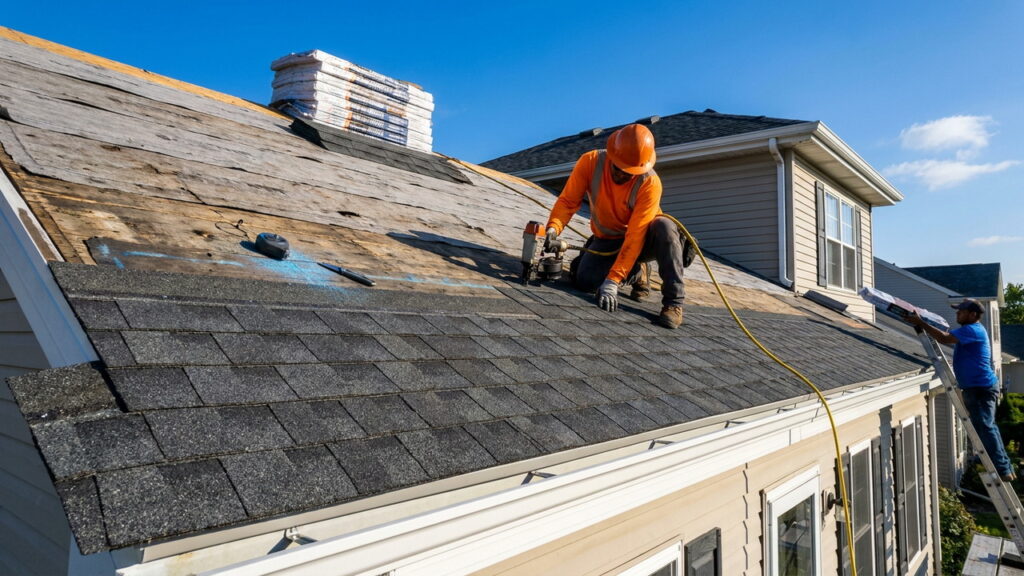
Your roof protects your home from rain, wind, snow, sunlight, and other environmental conditions. Over time, roofing materials deteriorate, flashing connections weaken, and repeated weather exposure can affect the system’s ability to keep water outside. Planning a Roof replacement at the right time helps homeowners address widespread deterioration, improve weather protection, and avoid repeated spending on repairs that no longer provide lasting results.
However, replacing a roof is a significant investment that requires careful decisions about materials, installation methods, contractors, warranties, and costs. Understanding how roof replacement works can help you recognize when a new roof is necessary, compare available options, and prepare your property for construction without unnecessary expenses or unexpected complications.
What Is Roof Replacement?
Roof replacement is the process of removing and replacing an existing roofing system or its primary weather-protective components. Depending on the project’s scope, it may involve removing old shingles or other roof coverings, inspecting the underlying decking, installing new underlayment and flashing, and applying a suitable new roofing material.
A complete roof replacement differs from a localized repair because it addresses a larger portion of the roofing system. Repairs usually focus on specific defects, such as damaged shingles, leaking flashing, or isolated storm damage. Replacement becomes more appropriate when deterioration is widespread or the existing system cannot be restored reliably through targeted work.
Professional roof replacement should consider the complete roofing assembly, including ventilation, drainage, penetrations, and structural support. A new roof covering alone cannot correct every underlying problem, especially when moisture damage, inadequate decking, or structural movement remains unresolved.
Why Roof Replacement Matters
A deteriorating roof can allow moisture to enter insulation, ceilings, wall cavities, and structural framing. Persistent water intrusion may contribute to material damage, mold growth, and expensive interior repairs.
Timely roof replacement can restore the building’s weather-resistant covering and provide an opportunity to correct installation defects discovered during the project. It can also improve the home’s appearance and allow homeowners to consider roofing products with different performance characteristics.
However, replacing a roof does not guarantee protection against every severe weather event. Long-term performance depends on material selection, installation quality, maintenance, and environmental exposure.
7 Warning Signs You May Need Roof Replacement
Recognizing deterioration early helps homeowners determine whether repairs remain practical. While a single defect does not automatically justify roof replacement, several problems occurring together may indicate that the existing system is approaching the end of its useful service life.
1. Missing or Severely Damaged Shingles
Strong winds, storms, and material aging can cause shingles to crack, lift, tear, or detach. Missing shingles may expose underlying materials to moisture, particularly during wind-driven rain.
If only a few shingles are damaged and surrounding materials remain sound, a localized repair may be sufficient. However, roof replacement may be worth considering when damage affects multiple sections or the remaining shingles are too brittle to repair reliably.
A qualified roofer should evaluate the condition of the entire affected area before recommending extensive work.
2. Frequent Roof Leaks
An occasional leak may result from a localized flashing defect or damaged roof component. Repeated leaks in different locations can indicate broader roofing problems.
Roof replacement may become necessary when underlayment has deteriorated, multiple roof penetrations are failing, or the covering no longer provides dependable weather protection. However, leaks can also originate from condensation, plumbing, or other building defects.
Proper diagnosis is important because replacing roofing materials without identifying the actual moisture source may not solve the problem.
3. Curling or Cracked Shingles
Asphalt shingles can curl, crack, or lose flexibility as they age. Environmental exposure, ventilation conditions, and manufacturing characteristics influence deterioration.
Widespread curling may indicate that roof replacement deserves consideration, particularly when shingles are no longer lying flat or maintaining appropriate overlap. Individual defects, however, do not establish that the entire roof has failed.
A professional inspection can determine whether the surrounding material remains serviceable.
4. Excessive Granule Loss
Asphalt shingles contain protective surface granules that help shield the underlying material from sunlight and weather exposure. Some granule shedding is normal, especially with newly installed shingles.
Extensive granule loss across an aging roof may indicate deterioration. If large areas have exposed asphalt or other visible damage, roof replacement may be more appropriate than isolated repairs.
Granules in gutters alone are not enough to establish that replacement is necessary.
5. Sagging Roof Sections
Visible sagging may indicate problems involving roof decking, structural framing, or other building components. The cause should be investigated promptly because significant deformation can create safety concerns.
Roof replacement alone may not correct structural damage. A qualified roofing contractor may need to coordinate with a structural engineer before construction proceeds.
Avoid entering areas beneath seriously damaged roof sections until their condition has been evaluated.
6. Repeated Repairs
A roof that needs frequent repairs may be becoming less economical to maintain. Individual repairs can be reasonable, but repeated failures across different locations may indicate widespread deterioration.
Before choosing roof replacement, compare the expected cost of continued repairs with the condition and likely remaining service life of the existing system.
The decision should reflect actual defects rather than assumptions based only on age.
7. An Aging Roofing System
Every roofing material has a finite service life, although the actual duration varies considerably. Installation quality, ventilation, climate, maintenance, and material specifications all influence longevity.
An older roof should receive appropriate inspection before replacement decisions are made. Age can be a useful planning factor, but it does not automatically establish that a roof must be replaced.
Roof Replacement vs Roof Repair
Deciding between roof replacement and repair is one of the most important choices homeowners face. The correct option depends on the extent of damage, material condition, available repair methods, and overall roofing performance.
When Roof Repair Makes Sense
Repairs are often appropriate when damage is localized and surrounding roofing materials remain in satisfactory condition. Examples include replacing several damaged shingles, repairing flashing around a vent, or correcting a small leak.
Repairing a serviceable roof can reduce immediate expenses and avoid unnecessary material disposal. However, repairs should address the underlying defect rather than temporarily covering visible symptoms.
When Roof Replacement Is Better
Roof replacement may be more practical when deterioration affects a substantial portion of the roof. Extensive shingle damage, failing underlayment, widespread moisture problems, or repeated leaks can make continued repairs unreliable.
Replacement may also be appropriate when roofing materials cannot be repaired using compatible products or when substantial reconstruction is required.
A trustworthy contractor should explain the technical reasons behind the recommendation.
Popular Roof Replacement Materials
Material selection affects durability, appearance, installation requirements, maintenance, and overall project cost. No single roofing product is ideal for every property.
Before beginning roof replacement, consider local weather conditions, roof slope, structural capacity, architectural style, and available budget.
Asphalt Shingles
Asphalt shingles are widely used on residential properties because they are available in numerous colors and designs. They are generally straightforward for qualified contractors to install and repair.
Architectural asphalt shingles are commonly selected for roof replacement projects because their layered construction creates a dimensional appearance. Product performance varies by manufacturer, installation method, and environmental exposure.
Homeowners should review wind ratings, warranty conditions, and ventilation requirements before selecting a product.
Metal Roofing
Metal roofing systems may use steel, aluminum, copper, zinc, or other suitable materials. Common designs include standing-seam panels and metal products manufactured to resemble traditional roofing materials.
Metal roof replacement may appeal to homeowners seeking durable materials and different architectural finishes. However, corrosion protection, fastener design, thermal movement, and installation details influence performance.
Some metal roofing systems require specialized installation experience, particularly around roof penetrations and transitions.
Clay and Concrete Tiles
Clay and concrete tiles provide distinctive architectural appearances and are commonly associated with certain regional building styles. They can perform well when properly selected and installed for the local environment.
However, tile roof replacement requires attention to structural loading because these products can be substantially heavier than asphalt shingles.
The supporting structure must be suitable for the selected materials. A structural assessment may be necessary when changing from a lightweight roof covering to a heavier system.
Slate Roofing
Natural slate is a durable roofing material used on traditional and high-end properties. Its performance depends on slate quality, fastening methods, installation details, and environmental exposure.
Slate roof replacement generally requires specialized expertise. Improper handling or installation can damage individual pieces and compromise the roof.
The weight of slate also makes structural suitability an important consideration.
Synthetic Roofing Materials
Synthetic roofing products may be designed to resemble slate, wood shakes, or other traditional coverings. Their composition and performance characteristics vary significantly between manufacturers.
Before choosing synthetic materials for roof replacement, review independent testing information, applicable approvals, installation specifications, and warranty terms.
An attractive appearance does not automatically establish long-term durability.
How Much Does Roof Replacement Cost?
Roof replacement costs vary considerably depending on the home’s size, roofing material, roof complexity, labor rates, and location. A simple asphalt-shingle roof on a single-story home involves different requirements from a steep, multi-level roof with numerous skylights and chimneys.
Because prices change by market and project conditions, homeowners should obtain written estimates rather than relying on universal cost figures.
Roof Size and Complexity
Larger roofs generally require more materials and installation labor. However, roof area is not the same as the home’s interior floor area.
Roof slope, overhangs, dormers, valleys, and architectural details all affect measurements.
A roof replacement estimate should identify the approximate roofing area and explain how material quantities were calculated.
Roofing Material Selection
Asphalt shingles, metal panels, clay tiles, and slate have different material and installation costs. Specialized materials may also require additional accessories or structural considerations.
When comparing roof replacement quotes, verify the exact product specifications rather than looking only at general material categories.
Labor and Accessibility
Steep slopes, multiple roof levels, and restricted equipment access can increase labor requirements. Contractors must also account for safe material handling and fall protection.
Roof replacement on a complicated roof may take longer than work on a simpler structure of similar size.
Removal of Existing Roofing
Removing old roofing materials creates labor and disposal costs. Multiple existing roof layers may increase the amount of debris and time required.
A roof replacement proposal should explain whether removal, hauling, and disposal are included.
Decking and Structural Repairs
Underlying roof decking may need replacement when it has deteriorated or no longer provides suitable support.
These conditions are not always visible before the existing covering is removed.
A roof replacement contract should explain how unexpected decking repairs will be priced and approved.
Permits and Inspections
Some jurisdictions require permits for roof replacement, while others distinguish between minor repairs and substantial roofing work.
Permit fees, inspections, and applicable code requirements can affect the final cost.
Ask the contractor whether these services are included in the estimate.
The Complete Roof Replacement Process
Understanding the construction sequence helps homeowners prepare for the project and evaluate contractor recommendations. Although installation methods vary by material, most residential roof replacement projects follow several broad stages.
Initial Roof Inspection
The contractor examines the existing roofing system and identifies visible deterioration. This assessment may include roof coverings, flashing, penetrations, drainage, and accessible interior areas.
A roof replacement inspection should document relevant findings and explain whether further investigation is required.
The contractor may also evaluate ventilation conditions and identify potential problems that should be addressed during construction.
Measurements and Material Planning
Accurate roof measurements are necessary for estimating materials and labor. Contractors may use field measurements, aerial imagery, or other appropriate methods.
The roof replacement plan should identify the selected roofing products, underlayment, flashing, ventilation components, and installation specifications.
Material compatibility matters because roofing systems rely on multiple components working together.
Permits and Scheduling
Before work begins, required permits and approvals should be arranged. The contractor should also coordinate material delivery, waste removal, and construction access.
Roof replacement scheduling depends partly on weather conditions and contractor availability.
Working on exposed roofing during severe weather can create safety and water intrusion risks.
Removing the Existing Roof
Old roofing materials are removed according to the approved scope. This process allows the contractor to inspect underlying components that were previously concealed.
Roof replacement work may reveal deteriorated decking, damaged flashing, or other defects requiring correction.
Unanticipated repairs should be documented and discussed before additional work proceeds whenever practical.
Inspecting Roof Decking
Roof decking provides the substrate that supports many roofing systems. Damaged or unsuitable decking can compromise attachment and performance.
During roof replacement, contractors should evaluate visible decking conditions and replace components that do not meet applicable requirements.
Structural damage beyond ordinary decking deterioration may require additional professional assessment.
Installing Underlayment and Flashing
Roofing underlayment provides an additional layer of protection beneath the primary roof covering. Flashing helps manage water around chimneys, vents, skylights, valleys, and other transitions.
Proper installation is critical because many roof leaks originate near these vulnerable areas.
A roof replacement project should use products and details appropriate for the selected roofing system and local requirements.
Installing the New Roofing Material
Once the supporting components are ready, the contractor installs the new roof covering.
For asphalt shingles, this involves suitable fastening, overlap, alignment, and installation of ridge and edge components. Metal, tile, and other materials require different procedures.
Roof replacement should follow manufacturer specifications and applicable building codes.
Final Inspection and Cleanup
After installation, the contractor should inspect completed work and correct identified deficiencies.
Cleanup should include removing debris, collecting accessible loose fasteners, and restoring affected work areas.
Roof replacement documentation may include warranty information, product details, inspection records, and maintenance recommendations.
Roof Replacement and Proper Ventilation
Attic ventilation can influence moisture management and roof assembly performance. However, ventilation requirements depend on climate, construction type, insulation, and applicable building codes.
A roof replacement provides an opportunity to evaluate existing ventilation conditions.
Intake and Exhaust Ventilation
Some attic systems use lower intake vents and upper exhaust vents to encourage airflow through the attic space.
The correct configuration depends on the building design. Adding vents without evaluating the complete system may not improve performance.
A roof replacement contractor should follow appropriate design requirements rather than assuming that more ventilation is always better.
Moisture and Condensation Problems
Warm, moisture-laden indoor air can enter attic spaces through building air leaks. Under certain conditions, condensation may develop on cold surfaces.
Roof replacement alone does not correct indoor air leakage or inadequate insulation.
These conditions may require separate building-envelope improvements.
Unvented Roof Assemblies
Some buildings use properly designed unvented roof assemblies. These systems rely on different insulation and moisture-control strategies.
A roof replacement contractor should identify the existing assembly before making ventilation changes.
Improper modifications can create moisture problems.
Roof Replacement After Storm Damage
Severe weather can damage roofing materials and underlying components. Wind, hail, fallen branches, and windborne debris may create conditions requiring repair or replacement.
However, storm exposure does not automatically mean a complete roof replacement is necessary.
Wind Damage
Strong winds can lift, tear, or remove roofing materials. Damage may be concentrated around roof edges, ridges, or other exposed areas.
A roof replacement assessment should evaluate the extent of damage and the condition of remaining materials.
Localized wind damage may be repairable when the roofing system is otherwise sound.
Hail Damage
Hail can affect asphalt shingles, metal panels, tiles, and other materials. The severity depends on hail characteristics, roofing products, and exposure conditions.
Cosmetic marks and functional damage are not always equivalent.
Roof replacement decisions should be supported by an appropriate inspection rather than surface appearance alone.
Fallen Tree Damage
Tree impacts may damage roofing, decking, framing, and nearby building components.
Significant structural damage requires careful evaluation before roof replacement begins.
Occupants should avoid unstable areas and any location near damaged electrical lines.
Does Homeowners Insurance Cover Roof Replacement?
Insurance coverage depends on the policy, cause of damage, roof condition, and applicable exclusions.
Some homeowners policies cover certain sudden storm-related roofing losses. However, ordinary deterioration and maintenance-related problems may not qualify.
A roof replacement contractor can document damage and provide repair estimates, but insurance coverage decisions are governed by the policy and insurer’s evaluation.
Actual Cash Value Coverage
Actual cash value settlements generally account for depreciation when determining the value of covered property.
The amount paid depends on policy terms, deductibles, and the covered loss.
Homeowners should review how their roof replacement coverage is calculated.
Replacement Cost Coverage
Replacement cost coverage may provide payment based on the cost of replacing covered damaged property, subject to policy conditions.
Some policies require completed repairs before certain amounts are released.
Roof replacement claim procedures vary, so homeowners should request clarification from their insurer.
Documentation for Insurance Claims
Photographs, inspection reports, estimates, and repair records can support claim discussions.
Document visible damage safely and retain relevant receipts.
Do not climb onto a damaged roof solely to obtain photographs.
Choosing the Right Roof Replacement Contractor
Selecting a qualified roofing contractor is one of the most important parts of the project. Good installation practices can help the roofing system perform as intended, while poor workmanship may create problems even with suitable materials.
Verify Licensing and Insurance
Roofing contractor licensing requirements vary by jurisdiction. Homeowners should confirm that the contractor holds the applicable credentials.
Ask for evidence of appropriate liability insurance and workers’ compensation coverage.
Roof replacement involves elevated work, heavy materials, and significant safety risks, making suitable insurance and work practices important.
Review Previous Projects
Ask about experience with the specific roofing material being considered.
A contractor specializing in asphalt shingles may not have the same expertise with slate, tile, or specialized metal systems.
Roof replacement references and completed project photographs can provide useful information about experience and workmanship.
Compare Detailed Estimates
Written estimates should describe roofing materials, underlayment, flashing, ventilation work, removal, disposal, and warranties.
A roof replacement proposal should also explain how unexpected repairs will be handled.
Comparing complete scopes of work helps homeowners avoid misleading price differences.
Understand Warranty Coverage
Roofing projects may involve manufacturer material warranties and separate contractor workmanship warranties.
These protections cover different issues and may have different exclusions.
Before approving roof replacement, ask which products are covered, whether registration is required, and what maintenance responsibilities apply.
Common Roof Replacement Mistakes to Avoid
Certain mistakes can increase costs or affect roofing performance. Understanding them helps homeowners evaluate installation proposals.
Choosing Materials Based Only on Price
An inexpensive roofing product may not be suitable for every climate or building design.
Roof replacement decisions should consider product specifications, installation requirements, maintenance, and expected performance.
The lowest initial price does not automatically provide the best long-term value.
Ignoring Flashing Details
Flashing protects vulnerable roof transitions. Reusing deteriorated flashing or installing new components incorrectly can allow water intrusion.
A roof replacement estimate should clearly identify relevant flashing work.
Overlooking Decking Problems
Installing new roofing over unsuitable decking can compromise attachment and performance.
Roof replacement should include an appropriate evaluation of the exposed substrate.
Hiring Unqualified Contractors
Unverified contractors may lack relevant experience, insurance, or required credentials.
Roof replacement agreements should be reviewed carefully before signing.
Avoid high-pressure sales tactics and unsupported guarantees.
Neglecting Cleanup
Roofing debris can include sharp metal, nails, and broken materials.
A professional roof replacement project should include appropriate debris management and final cleanup.
Homeowners should discuss expectations before work begins.
How Long Does Roof Replacement Take?
Roof replacement duration depends on roof size, material, complexity, weather, and the condition of underlying components.
Some straightforward residential projects may be completed within a few working days. Larger or more complicated installations can take considerably longer.
Specialized materials, structural repairs, and permit requirements may extend the schedule.
A reliable roof replacement contractor should explain the expected timeline and identify factors that could cause delays.
Weather is particularly important because exposed roofing components must be protected from water intrusion.
Roof Replacement and Energy Efficiency
Roofing can influence building energy performance, but savings depend on the complete building system.
Roof replacement may provide opportunities to evaluate insulation, ventilation, and suitable roofing materials.
Reflective Roofing Products
Certain roofing materials reflect more solar radiation than others.
In suitable climates, reflective roofing can help reduce heat absorption.
However, the energy effect depends on roof design, insulation, climate, and building operation.
Roof replacement with reflective materials does not guarantee a specific reduction in utility bills.
Insulation Improvements
Insulation helps control heat transfer between indoor and outdoor environments.
A roof replacement may create opportunities to identify insulation deficiencies, particularly in certain roof assemblies.
However, insulation work may require additional planning beyond the roofing contract.
Air Sealing
Uncontrolled air leakage can affect heating, cooling, and moisture conditions.
Roof replacement alone does not necessarily correct these problems.
Homeowners may benefit from coordinating roofing improvements with appropriate building-envelope assessments.
How to Prepare Your Home for Roof Replacement
Preparation can reduce disruption and help contractors work efficiently.
Before roof replacement begins, discuss access, material storage, waste containers, and working hours with the contractor.
Move vehicles away from designated work areas and protect belongings near construction access routes.
Roofing activities can produce vibration and noise. Fragile wall decorations or items stored in attics may need protection.
Keep children and pets away from active construction areas.
Homeowners should also confirm how landscaping, outdoor equipment, and neighboring property features will be protected.
Clear communication helps establish realistic expectations.
Roof Replacement Maintenance After Installation
A new roof still requires periodic observation and appropriate maintenance.
Roof replacement does not eliminate the possibility of storm damage, drainage problems, or component deterioration.
Regular Visual Inspections
Inspect the roof from safe ground-level locations for missing materials, displaced flashing, or visible damage.
Professional inspections may be appropriate after severe storms or when problems are suspected.
Avoid unnecessary roof access.
Gutter Maintenance
Blocked gutters can contribute to drainage problems around roof edges and building foundations.
Keep drainage systems functioning according to the property’s needs.
Roof replacement warranties may include maintenance-related conditions, so review the relevant documentation.
Address Minor Problems Early
Small defects can become more difficult to repair when ignored.
Arrange appropriate repairs when unusual staining, leaks, or damaged roofing components appear.
A well-maintained roof replacement investment is better protected when developing problems receive timely attention.
Roof Replacement and Long-Term Property Value
A new roofing system may improve the appearance and marketability of a property, particularly when the previous roof was visibly deteriorated.
However, roof replacement does not guarantee a specific increase in property value.
Market conditions, roofing quality, buyer preferences, and overall property condition influence the financial effect.
Homeowners should retain installation documents, permits, warranties, and maintenance records.
These materials can help future buyers understand the roof’s history and specifications.
FAQ’s
1. How much does Roof replacement cost?
Roof replacement costs depend on roof size, materials, labor, accessibility, removal requirements, and necessary repairs. A written contractor estimate provides accurate project-specific pricing.
2. How long does Roof replacement take?
Some residential roofs can be replaced within a few working days, while larger or complex projects take longer. Weather and unexpected decking repairs may affect scheduling.
3. How do I know if I need Roof replacement?
Common warning signs include widespread shingle deterioration, recurring leaks, extensive storm damage, damaged decking, and repeated repairs.
4. What is the best material for Roof replacement?
Asphalt shingles, metal, tile, slate, and synthetic products can all be suitable. The best material depends on climate, roof structure, budget, and maintenance preferences.
5. Does homeowners insurance cover Roof replacement?
Some policies cover roof replacement resulting from covered events such as wind or hail. Ordinary wear, deterioration, and excluded causes may not qualify.
6. Can Roof replacement improve home energy efficiency?
Roof replacement may support energy improvements through suitable reflective materials, insulation, or ventilation upgrades. Actual savings depend on building conditions.
Conclusion
Roof replacement is an important investment in the safety, appearance, and weather protection of your home. Understanding warning signs, comparing roofing materials, reviewing installation requirements, and choosing qualified contractors can help you avoid unnecessary expenses and make better long-term decisions. A successful project depends on more than new shingles; the complete roofing system must be evaluated and installed appropriately.
Whether you are addressing storm damage, widespread deterioration, or an aging roof, careful planning makes the process more manageable. By selecting suitable materials, reviewing warranties, and maintaining your new roofing system, you can make your roof replacement investment more dependable and protect your property for years to come.