
Your home's heating, ventilation, and air conditioning system plays an important role in maintaining comfortable indoor temperatures throughout the year. Whether you need a furnace...
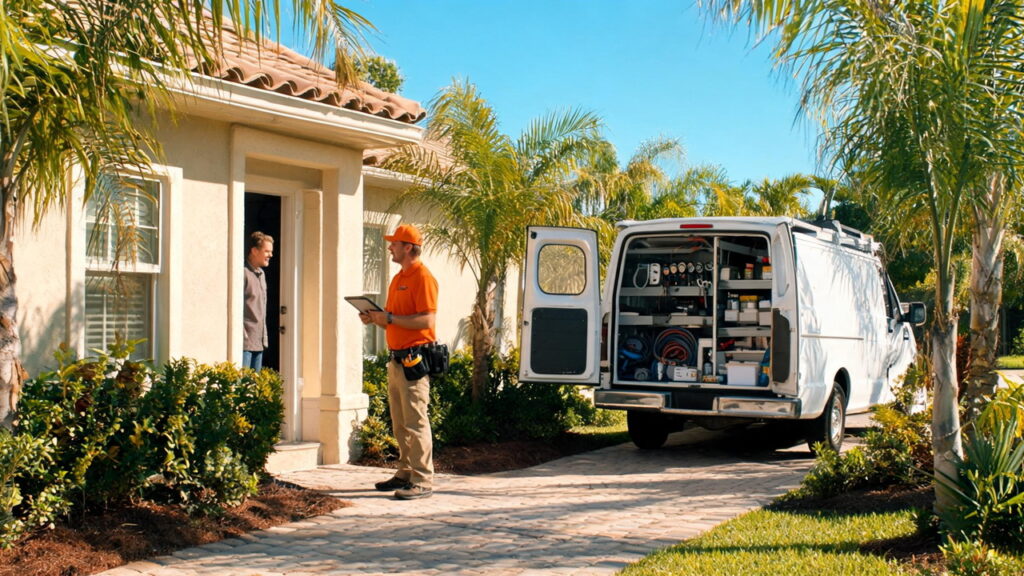
Your home’s heating, ventilation, and air conditioning system plays an important role in maintaining comfortable indoor temperatures throughout the year. Whether you need a furnace repaired, an air conditioner installed, or a heat pump serviced, choosing the right hvac contractor can affect equipment performance, energy consumption, safety, and long-term maintenance costs.
However, HVAC companies do not all offer identical services, qualifications, or installation standards. Some specialize in residential repairs, while others focus on commercial equipment, system replacements, or building automation. Understanding what HVAC contractors do, how they calculate costs, and which qualifications matter helps homeowners and businesses select suitable professionals without unnecessary expenses.
What Is an HVAC Contractor?
An hvac contractor is a professional or contracting business that installs, maintains, repairs, and replaces heating, ventilation, and air conditioning systems. HVAC stands for heating, ventilation, and air conditioning, which collectively support indoor temperature control, airflow, and certain aspects of indoor air quality.
A qualified HVAC contractor may work with furnaces, central air conditioners, heat pumps, ductless mini-splits, ventilation equipment, thermostats, and related mechanical systems. Depending on licensing requirements and professional specialization, contractors may also design or coordinate complete HVAC installations.
The work involves mechanical equipment, electrical controls, refrigeration systems, and sometimes fuel-burning appliances. Consequently, an HVAC contractor must understand equipment specifications, relevant safety requirements, and applicable building codes.
Professional HVAC services extend beyond fixing equipment that has stopped working. Contractors may evaluate comfort complaints, recommend energy-efficient improvements, inspect ventilation systems, and help property owners plan equipment upgrades.
What Does an HVAC Contractor Actually Do?
An HVAC contractor provides services throughout the life of a heating and cooling system. Responsibilities vary according to the contractor’s qualifications, equipment specialization, and project requirements.
Common HVAC contractor services include:
- Installing central air conditioning and heating systems.
- Repairing furnaces, heat pumps, and cooling equipment.
- Replacing outdated or malfunctioning HVAC systems.
- Performing preventive maintenance and seasonal inspections.
- Installing thermostats and compatible control systems.
- Inspecting and modifying ductwork.
- Diagnosing airflow and indoor comfort problems.
- Evaluating heating and cooling capacity requirements.
- Installing ductless mini-split systems.
- Troubleshooting refrigeration and electrical components.
- Maintaining commercial heating and cooling equipment.
- Coordinating permits, inspections, and equipment warranties.
Not every HVAC contractor provides all these services. A business specializing in residential furnace repair may not have the qualifications or equipment needed for industrial refrigeration or complex commercial ventilation projects.
Confirming relevant experience before hiring helps prevent misunderstandings and unnecessary delays.
Why Hiring a Qualified HVAC Contractor Matters
Heating and cooling systems contain interconnected components that must operate within appropriate specifications. Poor installation or incorrect repairs can affect efficiency, comfort, equipment reliability, and occupant safety.
A professional HVAC contractor evaluates the system before recommending changes. This assessment helps distinguish mechanical defects from problems involving ductwork, insulation, controls, or equipment sizing.
Proper Equipment Installation
HVAC equipment must be selected and installed according to building requirements and manufacturer instructions. Incorrect equipment sizing, inadequate airflow, and unsuitable duct connections can interfere with system performance.
A qualified HVAC contractor considers heating and cooling loads, electrical requirements, ventilation, and equipment compatibility. These factors are particularly important during complete system replacement.
Installing more powerful equipment does not automatically produce better comfort. Oversized systems can cycle too frequently, creating humidity and temperature-control problems.
Electrical and Mechanical Safety
HVAC systems commonly contain high-voltage electrical components, motors, capacitors, and moving mechanical parts. Heat pumps and air conditioners also contain pressurized refrigerant circuits.
An experienced HVAC contractor follows applicable safety procedures when inspecting or servicing these components. Fuel-burning heating equipment requires additional attention to combustion, venting, and carbon monoxide hazards.
Homeowners should not attempt repairs involving exposed electrical components, refrigerant connections, or combustion systems without appropriate qualifications.
Reliable Heating and Cooling Performance
A properly maintained system is better positioned to deliver consistent heating and cooling. However, HVAC performance depends on more than equipment condition.
A knowledgeable HVAC contractor may identify restricted airflow, poorly insulated ductwork, thermostat problems, or deficiencies in the building envelope.
Addressing the actual cause of discomfort is more effective than replacing components without sufficient diagnosis.
HVAC Contractor vs HVAC Technician
The terms HVAC contractor and HVAC technician are closely related, but they do not always describe identical roles.
An HVAC technician generally performs technical work such as equipment inspections, troubleshooting, maintenance, and repairs. An HVAC contractor may be an individual or business responsible for managing HVAC projects, employing technicians, obtaining permits, and coordinating installations.
Licensing structures differ by jurisdiction. Some areas distinguish between technician credentials and contractor licenses, while others use different professional classifications.
When hiring an HVAC contractor, verify that the business and the individuals performing the work hold the qualifications required locally.
A contractor’s business license does not necessarily establish that every employee is authorized to perform specialized refrigerant, electrical, or gas-related work independently.
Essential Services Offered by an HVAC Contractor
HVAC companies provide several categories of work, from routine servicing to major mechanical installations. Understanding these services helps customers identify the appropriate type of contractor.
Air Conditioning Installation
Air conditioning installation involves selecting equipment, preparing electrical and refrigeration connections, arranging airflow, and testing system performance.
An HVAC contractor should determine whether the proposed cooling equipment is appropriate for the building. In the United States, residential load calculations commonly use industry methods such as ACCA Manual J.
Equipment selection may also involve ACCA Manual S and duct design considerations addressed by Manual D.
These methods help professionals match system capacity and distribution requirements to the building rather than relying exclusively on floor area.
Furnace Installation and Repair
Furnaces provide heating through combustion or electric resistance, depending on the equipment type.
An HVAC contractor may install new furnaces, diagnose ignition failures, replace blower components, or evaluate heating performance. Gas and propane systems also require appropriate combustion and venting practices.
A malfunctioning furnace should not be operated when serious safety concerns are present. Gas odors, carbon monoxide alarms, smoke, and unusual electrical burning smells require immediate attention.
Heat Pump Services
Heat pumps provide heating and cooling by transferring heat between indoor and outdoor environments.
An HVAC contractor may install air-source heat pumps, ductless systems, or other specialized equipment. Repairs can involve compressors, reversing valves, sensors, fans, and electrical controls.
Modern heat pumps can provide effective heating in many climates, including colder regions when appropriately selected.
However, performance depends on equipment specifications, outdoor conditions, installation quality, and building heating demand.
HVAC Maintenance
Routine maintenance helps identify dirt accumulation, airflow restrictions, drainage problems, and developing equipment defects.
An HVAC contractor may inspect coils, filters, electrical connections, refrigerant-system conditions, and control settings.
Maintenance procedures should reflect manufacturer recommendations and equipment use. Systems operating year-round may require different service schedules from cooling-only equipment.
Regular servicing can reduce certain avoidable problems, but it cannot guarantee that equipment will never fail.
Ductwork Installation and Repair
Ductwork distributes conditioned air through buildings using supply and return pathways.
A qualified HVAC contractor can inspect ducts for leakage, damage, restrictions, and unsuitable sizing. Significant duct deficiencies can affect comfort even when the heating or cooling equipment operates correctly.
Duct modifications should account for airflow requirements and system pressure. Simply adding more vents or closing existing registers may create new problems.
7 Important Tips for Choosing the Best HVAC Contractor
Selecting an HVAC contractor requires more than comparing advertised service prices. The following considerations help homeowners identify qualified professionals and evaluate their recommendations.
1. Verify Licensing and Insurance
HVAC licensing requirements depend on state, municipal, and national regulations. Some jurisdictions require contractor licenses, while others regulate particular mechanical or gas-related activities separately.
Before hiring an HVAC contractor, verify the business’s applicable credentials through the appropriate authority.
Insurance is also important. Ask for evidence of relevant general liability and workers’ compensation coverage.
Do not assume that advertising claims establish current licensing or insurance status.
2. Check Relevant Experience
HVAC experience should match the equipment and project involved.
An HVAC contractor who regularly services conventional central air conditioners may not specialize in geothermal heat pumps, large commercial chillers, or advanced building automation systems.
Ask about completed projects involving similar equipment and building conditions.
For major installations, references and examples of previous work can provide useful context.
3. Request a Detailed Written Estimate
A reliable estimate should explain the proposed equipment, labor, materials, installation requirements, and additional services.
An HVAC contractor should identify whether permits, duct modifications, electrical work, equipment removal, and final testing are included.
Written estimates make it easier to compare competing proposals.
They also help establish how unexpected conditions or additional work will be handled.
4. Evaluate Diagnostic Practices
A trustworthy HVAC contractor should investigate the problem before recommending expensive repairs.
For example, poor cooling may result from dirty coils, restricted airflow, faulty controls, or refrigerant-system problems.
Replacing an entire system without examining these possibilities may be unnecessary.
Ask the contractor to explain the findings and provide relevant measurements when appropriate.
5. Review Equipment Recommendations
Different HVAC products offer different efficiency ratings, features, capacities, and maintenance requirements.
A professional HVAC contractor should explain why a particular system is suitable for the building.
The recommendation should account for climate, heating and cooling demand, existing infrastructure, and budget.
Higher efficiency does not automatically justify every additional cost. Expected energy savings should be evaluated realistically.
6. Understand Warranties
HVAC installations commonly involve manufacturer equipment warranties and separate contractor workmanship warranties.
Ask the HVAC contractor which components are covered, how long coverage lasts, and whether registration or maintenance conditions apply.
Labor and replacement parts may have different warranty terms.
Written documentation is more reliable than verbal promises.
7. Check Communication and Customer Support
Clear communication is important during both emergency repairs and planned installations.
An HVAC contractor should explain the project schedule, anticipated disruptions, and any preparation required from the property owner.
For larger projects, ask who will supervise the work and handle questions.
Reliable communication can help prevent avoidable delays and misunderstandings.
How Much Does an HVAC Contractor Cost?
HVAC contractor pricing varies according to project complexity, equipment type, location, labor requirements, and scheduling.
A routine maintenance appointment generally involves different costs from compressor replacement or installation of a complete heating and cooling system.
Because market prices vary, homeowners should obtain estimates based on their actual equipment and property conditions.
Diagnostic Service Fees
Many HVAC companies charge a diagnostic or service-call fee to evaluate equipment problems.
This fee may cover travel, initial inspection, and basic troubleshooting.
Some HVAC contractor agreements apply the diagnostic charge toward an approved repair, while others bill it separately.
Ask about the pricing arrangement before scheduling service.
Repair Costs
Repair costs depend on the failed component and the work necessary to restore proper operation.
Replacing a thermostat or capacitor generally involves less work than replacing a compressor or major heat exchanger component.
An HVAC contractor should explain whether the repair addresses the underlying problem.
For example, adding refrigerant without investigating a suspected leak may provide only temporary improvement.
Installation Costs
Complete HVAC installation costs depend on system capacity, equipment selection, ductwork, electrical modifications, and building accessibility.
An HVAC contractor may also need to coordinate permits or additional specialists.
Installing a new system in an existing home can involve different challenges from new construction.
Homeowners should compare the complete installation scope rather than focusing only on equipment price.
Emergency Service Charges
Emergency repairs may involve additional charges for evenings, weekends, or holidays.
Some HVAC contractor companies offer extended service hours with predetermined fees.
Others charge according to labor time and urgency.
Confirm the diagnostic and after-hours charges before authorizing service whenever possible.
Signs You Need to Call an HVAC Contractor
Heating and cooling equipment often shows warning signs before major failures occur.
Recognizing these symptoms can help property owners arrange appropriate repairs.
Weak or Uneven Airflow
Reduced airflow may result from dirty filters, blower problems, duct restrictions, or other operating conditions.
An HVAC contractor can evaluate whether the problem originates in the equipment or air distribution system.
Persistent airflow problems should not automatically be blamed on refrigerant charge.
Airflow and refrigeration faults require different diagnostic approaches.
Unusual Equipment Noises
Grinding, rattling, screeching, or repeated clicking may indicate mechanical or electrical problems.
Some operating sounds are normal, particularly during equipment startup or heat pump defrost cycles.
However, sudden or worsening noises deserve professional attention.
An HVAC contractor can inspect relevant components and identify whether repairs are necessary.
Frequent System Cycling
Short cycling occurs when equipment starts and stops unusually frequently.
Potential causes include thermostat problems, airflow restrictions, control faults, or equipment sizing issues.
An HVAC contractor should determine the cause before replacing parts.
Some variable-capacity systems operate differently from conventional single-stage equipment, so normal behavior depends on the model.
Water Leaks Around Equipment
Air conditioners and heat pumps can produce condensate during cooling.
Blocked drain lines, damaged pans, or malfunctioning pumps may cause water to collect around indoor equipment.
An HVAC contractor can investigate drainage conditions and recommend repairs.
Persistent moisture should be addressed promptly to reduce the risk of building material damage.
Unexpected Energy Consumption
Higher electricity or fuel bills may indicate equipment inefficiency, but other factors can also contribute.
Weather changes, utility rates, thermostat settings, and household use all influence costs.
An HVAC contractor can evaluate operating conditions when abnormal performance accompanies rising consumption.
Energy bills alone do not establish that equipment is defective.
Residential HVAC Contractor Services
Residential HVAC work focuses on heating, cooling, ventilation, and comfort within houses and dwelling units.
A residential HVAC contractor may maintain existing systems, install replacements, or investigate performance concerns.
Central Heating and Cooling
Many homes use ducted heating and cooling equipment.
A residential HVAC contractor evaluates the interaction between the furnace or heat pump, air handler, thermostat, and ductwork.
System performance depends on appropriate capacity and airflow.
Replacing one component without checking compatibility may create operating problems.
Ductless Mini-Split Installation
Ductless systems provide conditioned air through individual indoor units connected to outdoor equipment.
An HVAC contractor may recommend them for additions, renovations, or buildings without suitable ductwork.
However, the correct number and placement of indoor units depend on heating and cooling requirements.
Poor placement can contribute to uneven temperatures or discomfort.
Indoor Air Quality Improvements
HVAC professionals may assist with filtration, ventilation, and humidity management.
An HVAC contractor should evaluate whether proposed equipment is compatible with the existing system.
Higher-efficiency filters can improve particle capture, but excessive airflow resistance may affect some equipment.
Indoor air quality also depends on pollutant sources, moisture control, and ventilation.
Commercial HVAC Contractor Services
Commercial heating and cooling systems may serve offices, restaurants, retail properties, warehouses, and other facilities.
A commercial HVAC contractor often works with larger equipment and more complex operating requirements.
Rooftop HVAC Units
Packaged rooftop units are common in commercial buildings.
They may provide heating, cooling, ventilation, and control functions within a single equipment package.
An HVAC contractor servicing rooftop units must account for equipment access, fall hazards, electrical safety, and building operations.
Maintenance and repairs should follow manufacturer procedures.
Commercial Ventilation
Commercial buildings may require ventilation systems designed around occupancy and activity.
An HVAC contractor may install or maintain fans, air-handling equipment, and associated controls.
Ventilation requirements depend on building use and applicable regulations.
Commercial kitchens, laboratories, and other specialized environments can require additional expertise.
Building Automation Systems
Large buildings may use automated controls to manage temperatures, ventilation, schedules, and equipment operation.
An HVAC contractor can assist with compatible mechanical and control infrastructure.
However, advanced building automation may require specialized controls technicians or engineering support.
Proper system configuration is important for reliable performance.
HVAC Contractor Services for New Construction
New construction provides an opportunity to design heating and cooling systems around the building’s requirements.
An HVAC contractor should coordinate with architects, builders, engineers, and other trades.
Heating and Cooling Load Calculations
Equipment capacity should reflect the building’s heating and cooling demand.
Relevant factors include insulation, windows, orientation, occupancy, climate, and air leakage.
An HVAC contractor may use recognized load calculation methods to determine suitable equipment capacity.
Selecting equipment solely from the home’s square footage can produce inaccurate results.
Duct Design and Installation
Duct systems must distribute air appropriately to occupied spaces.
Poor duct design can create excessive static pressure, noise, and uneven temperatures.
An HVAC contractor should account for airflow requirements, duct dimensions, connections, and insulation.
Ductwork should also be sealed and supported according to applicable requirements.
Equipment Commissioning
After installation, equipment should be tested and adjusted as appropriate.
An HVAC contractor may verify airflow, electrical performance, control operation, and refrigerant-system conditions.
Commissioning helps confirm that the installed system operates according to its intended design.
Simply turning equipment on does not establish that every installation requirement has been satisfied.
HVAC Contractor Maintenance Services
Preventive maintenance is one of the most useful services available from HVAC professionals.
An HVAC contractor may recommend maintenance intervals based on equipment specifications, operating hours, and environmental conditions.
Air Filter Inspection
Filters collect airborne particles and help protect certain system components.
Dirty filters can restrict airflow and reduce performance.
An HVAC contractor may recommend filter types compatible with the equipment.
The appropriate replacement interval depends on actual conditions rather than one universal schedule.
Coil Cleaning
Evaporator and condenser coils transfer heat during cooling and heating operation.
Dirt accumulation can reduce heat transfer.
An HVAC contractor should evaluate whether cleaning is necessary and use methods compatible with the equipment.
Incorrect cleaning chemicals or excessive water pressure can damage coils.
Electrical Inspection
HVAC equipment contains electrical connections, controls, motors, and protective devices.
Professional inspections can identify certain signs of deterioration.
An HVAC contractor should follow appropriate electrical safety procedures.
Capacitors and other components may retain hazardous electrical energy even after equipment is disconnected.
Refrigerant System Evaluation
Refrigerant circuits should operate within the manufacturer’s specifications.
A properly sealed system should not require routine refrigerant additions.
An HVAC contractor may investigate symptoms suggesting leaks or incorrect charge.
In the United States, technicians performing covered refrigerant work must meet EPA Section 608 certification requirements.
HVAC Contractor and Energy Efficiency
Heating and cooling account for a meaningful portion of energy consumption in many buildings.
However, actual usage varies considerably with climate, equipment, insulation, occupancy, and thermostat settings.
A qualified HVAC contractor can help identify certain efficiency improvements.
High-Efficiency Equipment
Modern heating and cooling systems are available with different efficiency ratings.
Air conditioner and heat pump efficiency may be expressed using metrics such as SEER2 and HSPF2, depending on the equipment.
An HVAC contractor should explain what these ratings mean and how they relate to expected performance.
Higher efficiency can reduce energy use under suitable conditions, but savings vary.
Smart Thermostats
Smart thermostats can support scheduling, remote adjustments, and certain energy management functions.
An HVAC contractor can help determine whether a thermostat is compatible with the existing equipment.
Heat pumps, multi-stage systems, and specialized controls may require particular configurations.
Incorrect installation can affect comfort or equipment operation.
Duct Sealing
Leaky ducts can allow conditioned air to escape into attics, crawl spaces, or other unintended locations.
An HVAC contractor may evaluate duct leakage and recommend appropriate sealing methods.
Duct improvements can support comfort and efficiency when significant leakage exists.
However, the effect depends on the location and extent of the problem.
HVAC Contractor Safety Standards and Regulations
HVAC work can involve hazardous electrical energy, pressurized refrigerants, combustion gases, and elevated equipment access.
A qualified HVAC contractor must understand applicable safety requirements.
Refrigerant Handling
Refrigerants are regulated because of environmental and safety considerations.
In the United States, EPA Section 608 establishes certification requirements for technicians who perform covered activities involving stationary refrigeration and air conditioning equipment.
An HVAC contractor should use appropriate refrigerant handling procedures and equipment.
Improper refrigerant releases or unsafe servicing practices can create regulatory and safety problems.
Electrical Safety
HVAC equipment frequently operates using high-voltage electrical circuits.
Contractors should follow applicable electrical safety requirements, including appropriate isolation procedures.
An HVAC contractor should not treat energized electrical work as routine when equipment can be safely de-energized.
Electrical testing requires suitable training and protective measures.
Gas Furnace Safety
Gas furnaces require proper combustion, ventilation, and exhaust systems.
An HVAC contractor should evaluate relevant safety concerns during installation and servicing.
Carbon monoxide is particularly dangerous because it cannot be detected by smell.
Homes with fuel-burning equipment should have appropriate carbon monoxide alarms installed and maintained according to local requirements and manufacturer instructions.
Emergency HVAC Contractor Services
Some HVAC problems require urgent professional assistance.
However, emergency response should prioritize safety rather than simply restoring comfort.
Complete Heating Failure
During severe cold, heating failure can affect occupant comfort and increase the risk of frozen plumbing.
An HVAC contractor may provide emergency diagnosis and repairs.
If indoor conditions become unsafe, occupants should arrange appropriate temporary accommodations.
Portable heaters must be used according to manufacturer instructions and applicable safety guidance.
Air Conditioning Failure During Extreme Heat
Cooling failures can be particularly concerning for older adults, infants, and people with certain health conditions.
An HVAC contractor can assess equipment problems, but repairs may not always be immediately available.
During extreme heat, occupants should use appropriate cooling resources and follow local public health guidance.
Gas or Electrical Emergencies
Gas odors, smoke, sparks, or carbon monoxide alarms require immediate safety measures.
Leave the affected area and contact appropriate emergency services or the utility provider.
An HVAC contractor should begin repairs only after the situation has been made safe.
Repair or Replace Your HVAC System?
Homeowners often need to decide whether another repair is worthwhile or complete replacement makes more sense.
An HVAC contractor should explain available options based on the equipment’s condition and the actual failure.
When Repairs Are Appropriate
Localized component failures may be economical to repair.
A relatively new system with a defective capacitor, thermostat, or other replaceable component may not need replacement.
An HVAC contractor should evaluate the overall equipment condition before recommending extensive work.
When Replacement Deserves Consideration
Replacement may be appropriate when major components fail, equipment performance is inadequate, or repair costs become substantial.
Older systems may also use refrigerants or components that are increasingly difficult to obtain.
An HVAC contractor should compare repair feasibility, expected reliability, installation requirements, and efficiency improvements.
Age alone should not determine the decision.
Common Mistakes When Hiring an HVAC Contractor
Avoiding hiring mistakes can reduce project risks and unnecessary expenses.
One frequent mistake is selecting a contractor solely because of the lowest advertised price. A cheaper proposal may exclude duct modifications, permits, or important installation work.
Another problem is accepting equipment recommendations without a suitable assessment. An HVAC contractor should not automatically install a unit with the same capacity as the previous system when building conditions have changed.
Homeowners should also avoid overlooking warranties, maintenance responsibilities, and contractor credentials. Clear written agreements help establish realistic expectations.
For expensive repairs or complete replacements, obtaining another qualified opinion may be worthwhile.
Questions to Ask Before Hiring an HVAC Contractor
A contractor interview should establish whether the company can complete the work safely and appropriately.
Useful questions include:
- Are you licensed and insured for the proposed HVAC work?
- Have you completed similar installations or repairs?
- Will you perform appropriate heating and cooling load calculations?
- Which equipment do you recommend, and why?
- Does the estimate include permits and required inspections?
- Will existing ductwork and electrical capacity be evaluated?
- What manufacturer and workmanship warranties apply?
- How will the completed installation be tested?
- What maintenance will the equipment require?
- How are unexpected costs or changes handled?
A dependable HVAC contractor should explain these matters clearly and provide written documentation where appropriate.
How to Prepare for an HVAC Contractor Visit
Before the service appointment, document the symptoms you have observed.
Note unusual noises, thermostat behavior, temperature problems, water leaks, or changes in energy consumption. This information can help the HVAC contractor understand the issue.
Clear access to indoor and outdoor equipment when safe. Remove stored belongings from nearby work areas and keep pets away from service locations.
For installation projects, discuss possible electrical shutdowns, equipment delivery, disposal, and construction noise.
A qualified HVAC contractor should explain any additional preparation needed for the project.
FAQ’s
1. What does an hvac contractor do?
An HVAC contractor installs, repairs, maintains, and replaces heating, ventilation, and air conditioning equipment in residential and commercial buildings.
2. How much does an HVAC contractor charge?
HVAC contractor costs depend on location, equipment type, project complexity, labor, and required materials. A written estimate provides project-specific pricing.
3. How do I choose a reliable HVAC contractor?
Verify licensing, insurance, relevant experience, references, written estimates, and warranty terms. Choose a contractor who explains diagnostic findings clearly.
4. When should I call an HVAC contractor?
Contact an HVAC contractor for heating or cooling failures, unusual noises, repeated breaker trips, airflow problems, leaks, and necessary system installations.
5. Can an HVAC contractor improve energy efficiency?
Yes. An HVAC contractor can evaluate equipment performance, airflow, duct leakage, controls, and suitable upgrades. Actual energy savings depend on building conditions.
6. How often should HVAC equipment receive professional maintenance?
Maintenance frequency depends on equipment type, manufacturer recommendations, and usage. Many systems benefit from seasonal inspections and regular filter care.
Conclusion
Choosing the right hvac contractor is an important part of maintaining comfortable, safe, and efficient indoor conditions. Whether you need emergency repairs, preventive maintenance, a heat pump installation, or a complete heating and cooling replacement, qualified professionals can help identify appropriate solutions. Comparing experience, credentials, estimates, and warranties helps property owners make informed decisions.
A dependable hvac contractor should provide clear recommendations based on the building’s needs rather than unnecessary equipment upgrades or unsupported promises. By scheduling suitable maintenance, addressing warning signs promptly, and selecting properly qualified professionals, homeowners and businesses can support reliable HVAC performance and protect their long-term investment.