
Leaving your pet in someone else's care can be one of the most important decisions you make before traveling. Whether you are planning a family...
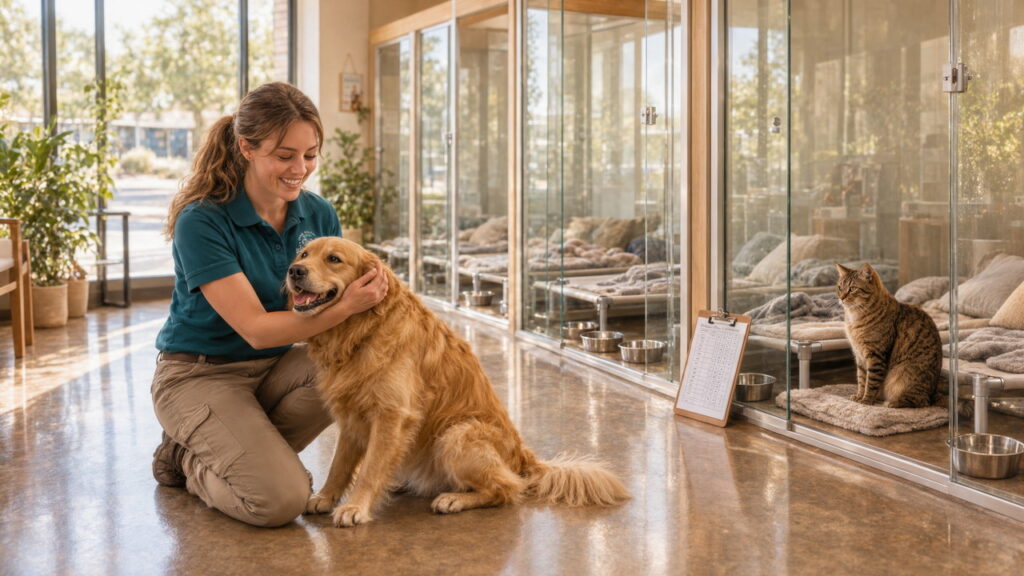
Leaving your pet in someone else’s care can be one of the most important decisions you make before traveling. Whether you are planning a family vacation, business trip, or unexpected journey, finding reliable accommodation helps ensure that your companion receives appropriate food, supervision, exercise, and attention. Professional Pet boarding services provide temporary care for dogs, cats, and sometimes other animals while their owners are away.
However, boarding facilities differ significantly in their environments, staff qualifications, daily routines, and safety procedures. A comfortable stay for one animal may be stressful for another, making it essential to consider your pet’s temperament, health, and individual needs. Understanding pet boarding options, costs, vaccination requirements, and facility standards can help you select suitable care with greater confidence.
What Is Pet Boarding?
Pet boarding is a service that provides temporary accommodation and care for animals when their owners cannot look after them at home. Boarding arrangements may include overnight stays, short visits lasting several days, or longer periods depending on the facility and the animal’s needs.
Pet boarding providers typically offer feeding, fresh water, designated sleeping areas, cleaning, and routine monitoring. Some facilities also provide supervised exercise, enrichment activities, grooming, and additional services.
The exact standard of care varies by provider, animal species, and service package. Therefore, pet owners should verify which services are included rather than assuming that all boarding facilities follow identical routines.
Professional pet boarding is commonly available for dogs and cats, although some providers also accommodate rabbits, birds, and other companion animals.
Why Pet Boarding Is Important
Pets depend on consistent access to food, water, shelter, and appropriate care. When owners travel, these needs must continue to be met.
A suitable pet boarding arrangement provides a structured environment where staff can monitor animals and respond to routine care requirements. It may also provide opportunities for supervised activity or social interaction when appropriate.
However, boarding is not automatically the best choice for every animal. Some pets experience considerable stress in unfamiliar surroundings, while others adapt relatively easily.
The goal is to choose care that matches the individual pet rather than selecting a facility based only on appearance or price.
Different Types of Pet Boarding Services
Pet boarding services are available in several formats. Understanding the differences helps owners choose an arrangement that suits their pet’s behavior, medical needs, and daily routine.
Traditional Kennel Boarding
Traditional kennel boarding generally provides individual accommodation for dogs within a dedicated facility.
Dogs may stay in indoor kennels, indoor-outdoor runs, or separate suites, depending on the property.
A kennel-based pet boarding service should provide suitable space, sanitation, ventilation, temperature control, and regular care.
Some kennels offer individual exercise sessions, while others use supervised group activities.
Owners should ask how often dogs leave their accommodation and how staff monitor their behavior.
Luxury Pet Boarding
Luxury pet boarding facilities may offer larger rooms, additional enrichment activities, webcams, special bedding, or customized service packages.
These features can be appealing, but they do not automatically establish superior animal welfare.
A well-run basic kennel may provide better care than an expensive facility with inadequate supervision.
When evaluating luxury pet boarding, prioritize hygiene, safety, staff competence, and appropriate handling over decorative features.
In-Home Pet Boarding
In-home pet boarding involves an animal staying in a caregiver’s home rather than a conventional kennel.
This arrangement may provide a quieter environment and a more familiar household routine.
However, the quality of care depends on the caregiver’s experience, home setup, resident animals, and supervision practices.
Owners should ask about secure entrances, outdoor access, animal separation, and emergency arrangements.
In-home pet boarding may be suitable for animals that struggle in busy kennel environments, provided their needs can be met safely.
Veterinary Pet Boarding
Some veterinary clinics offer boarding services.
This arrangement may be useful for pets requiring medication, monitoring, or particular medical attention.
However, veterinary pet boarding does not necessarily mean that a veterinarian continuously supervises animals overnight.
Ask about staffing hours, available medical services, emergency procedures, and whether the facility can accommodate the pet’s specific condition.
Animals with complex medical needs may require specialized care beyond ordinary boarding.
Cat Boarding Facilities
Cat boarding services are designed around feline behavior and environmental needs.
Cats generally benefit from quiet accommodation, predictable routines, and opportunities to hide or rest above floor level.
A suitable cat boarding area should provide separation from barking dogs and unnecessary disturbances.
The facility should also manage litter boxes, feeding areas, bedding, and enrichment appropriately.
Cats should not be forced into social contact with unfamiliar animals.
Benefits of Professional Pet Boarding
A suitable boarding arrangement can offer practical advantages for owners who need temporary animal care.
However, the benefits depend on the provider’s standards and the individual animal’s response.
Consistent Daily Care
Professional pet boarding facilities generally maintain routines for feeding, cleaning, exercise, and monitoring.
These routines can help ensure that essential care tasks are completed during the owner’s absence.
Owners should provide accurate information about feeding quantities, medication, allergies, and behavior.
Clear instructions help staff maintain consistency.
Supervision and Monitoring
Boarding staff may notice changes in appetite, activity, elimination, or behavior.
A well-managed pet boarding provider should have procedures for documenting concerns and contacting owners when necessary.
However, staffing arrangements vary.
Some facilities have employees present overnight, while others operate with limited after-hours supervision.
Owners should confirm actual staffing coverage.
Exercise and Enrichment
Dogs often benefit from appropriate physical activity and opportunities to explore their environment.
Cats may benefit from hiding spaces, climbing areas, toys, and suitable human interaction.
Pet boarding activities should reflect species-specific needs and individual preferences.
More activity is not always better, especially for older animals or pets that become overwhelmed easily.
Convenient Travel Planning
Boarding provides an alternative when friends, relatives, or in-home pet sitters are unavailable.
A reliable pet boarding arrangement can make travel planning easier by establishing clear care responsibilities.
However, advance booking may be necessary during holidays and other busy travel periods.
7 Important Tips for Choosing the Best Pet Boarding Facility
Selecting a suitable facility requires more than comparing photographs and nightly rates.
The following seven considerations can help owners evaluate pet boarding providers carefully.
1. Visit the Facility Before Booking
Whenever practical, arrange a tour before confirming the reservation.
A personal visit allows you to observe cleanliness, noise levels, animal behavior, and staff interactions.
During the pet boarding tour, examine sleeping areas, exercise spaces, food storage, and general facility organization.
A professional provider should explain how animals are cared for throughout the day.
Some areas may be restricted for animal safety or infection-control reasons, but the facility should still provide meaningful information about its operations.
2. Evaluate Cleanliness and Ventilation
Animal accommodation should be maintained in a sanitary condition.
Strong odors, persistent standing water, heavily soiled bedding, or visibly neglected areas may indicate inadequate cleaning.
A pet boarding facility should have appropriate ventilation and temperature management.
Cleaning products must also be suitable for animal environments and used according to instructions.
A strong fragrance does not necessarily mean a facility is clean.
3. Check Staff Experience
Employees should understand basic animal behavior, handling, feeding, and signs of illness.
Pet boarding staff should recognize when an animal appears distressed, injured, or unwell.
Ask about staff training, supervision, and emergency response procedures.
For dogs participating in group activities, staff should understand canine body language and conflict prevention.
4. Review Vaccination Requirements
Boarding facilities commonly require evidence of specified vaccinations.
Requirements vary by provider, animal species, local regulations, and the risk environment.
Dog boarding policies may address rabies, distemper-related vaccinations, and Bordetella vaccination.
Cat boarding requirements may include rabies and core feline vaccinations where applicable.
Consult your veterinarian about your pet’s vaccination needs and the facility’s policies before booking.
5. Understand Daily Routines
Ask how often pets are fed, exercised, checked, and given opportunities for enrichment.
A pet boarding schedule should be appropriate for the animal’s age, species, and health.
Dogs may need regular elimination opportunities, while cats require suitable litter box access.
Owners should also ask how staff handle animals that refuse food or become anxious.
6. Confirm Emergency Procedures
A dependable pet boarding provider should have a clear plan for illness, injury, escape, fire, and other emergencies.
Ask which veterinary clinic the facility uses and how owners are contacted.
Confirm who can authorize emergency treatment if you cannot be reached.
Providing an alternative emergency contact is useful.
7. Read the Service Agreement
The boarding agreement should explain fees, cancellation rules, vaccination requirements, medication policies, and emergency treatment authorization.
Pet boarding contracts may also address liability, collection times, and additional charges.
Review the terms carefully before signing.
A written agreement helps clarify responsibilities and reduces misunderstandings.
How Much Does Pet Boarding Cost?
Pet boarding prices vary significantly according to location, facility type, animal size, service package, and length of stay.
A basic kennel arrangement may cost less than a private suite with additional exercise or grooming services.
However, higher prices do not automatically guarantee better care.
Factors Affecting Pet Boarding Prices
Several factors influence the total cost.
Location: Facilities in areas with higher property and labor costs may charge more.
Animal size: Some providers have different pricing categories for larger dogs.
Accommodation type: Private suites or specialized rooms may cost more than standard kennels.
Additional services: Grooming, extra walks, individual playtime, or training may involve separate fees.
Medication administration: Certain medications or care routines may carry additional charges.
Holiday periods: Some facilities use different pricing or minimum-stay requirements during busy seasons.
Length of stay: Extended bookings may qualify for discounts, depending on the provider.
A pet boarding estimate should explain what is included and identify potential additional charges.
Questions About Boarding Fees
Ask whether the provider charges by calendar day, night, or a specific check-in and checkout schedule.
Some facilities apply additional fees for late collection.
Pet boarding customers should also confirm deposit requirements, cancellation policies, and refund conditions.
Transparent pricing helps owners compare services more fairly.
Preparing Your Pet for Boarding
Preparation can make the transition easier for both pets and caregivers.
The ideal approach depends on the animal’s temperament and previous experiences.
Schedule a Veterinary Checkup if Needed
Pets with medical conditions, recent illness, or significant behavioral changes may benefit from veterinary assessment before boarding.
A veterinarian can help determine whether the animal is suitable for the planned environment.
Pet boarding facilities may require updated vaccination records or other health documentation.
Do not assume that a pet is healthy simply because it is eating normally.
Arrange a Trial Stay
A short trial visit may help owners understand how their pet responds to the facility.
Some pet boarding providers offer daycare sessions or overnight trials.
These experiences can reveal whether the animal adapts reasonably well to the environment.
However, a successful trial does not guarantee that every future stay will be stress-free.
Maintain Familiar Feeding Habits
Sudden dietary changes can cause digestive problems in some pets.
Providing the animal’s usual food may help maintain consistency.
Pet boarding staff should receive clear written feeding instructions.
Include portion sizes, meal times, and relevant dietary restrictions.
Provide Accurate Behavioral Information
Inform the facility about fear responses, separation-related behaviors, aggression concerns, escape attempts, and handling sensitivities.
Pet boarding providers need this information to plan appropriate care.
Withholding behavioral concerns can increase risks for the animal, staff, and other pets.
Update Identification
Ensure that your pet’s identification information is current.
A collar tag and properly registered microchip can support identification if an animal becomes separated from its caregiver.
Pet boarding facilities should also maintain accurate animal identification and enclosure records.
What to Pack for Pet Boarding
Packing requirements vary between facilities.
Some providers supply bedding, bowls, and other essentials, while others allow owners to bring familiar belongings.
Before your pet boarding stay, ask what items are permitted.
Useful items may include the pet’s regular food, clearly labeled medication, vaccination records, emergency contact details, and approved comfort objects.
Avoid bringing valuable or irreplaceable belongings.
Items can become damaged or misplaced during normal boarding operations.
Medication should remain in appropriate packaging with accurate instructions.
Do not provide medications without disclosing them to the caregiver.
Pet Boarding Vaccination and Health Requirements
Communicable disease prevention is important wherever multiple animals stay in close proximity.
However, vaccination requirements are only one part of responsible infection control.
Dog Vaccination Requirements
Many dog boarding facilities require vaccinations against rabies and certain common canine infectious diseases.
Some also require Bordetella vaccination because infectious respiratory disease can spread in group animal environments.
However, no vaccination program completely eliminates the risk of respiratory illness.
A veterinarian can advise on appropriate protection based on the dog’s age, health, exposure, and local risks.
Cat Vaccination Requirements
Cat boarding facilities may require core feline vaccinations and rabies vaccination where applicable.
Indoor-only cats may still need particular vaccinations according to veterinary guidance.
A pet boarding provider should explain its requirements before accepting a reservation.
Parasite Prevention
Fleas, ticks, and intestinal parasites can create problems in shared animal environments.
Facilities may require evidence of appropriate parasite prevention or screening.
Pet boarding owners should discuss suitable prevention measures with their veterinarian.
Products should be selected for the correct species and animal characteristics.
Never use dog-specific parasite products on cats unless a veterinarian confirms suitability.
Is Pet Boarding Safe for Dogs and Cats?
Pet boarding can be a suitable care option when the provider maintains appropriate standards.
However, no facility can eliminate every risk associated with animal accommodation.
Potential concerns include stress, infectious disease exposure, injury, escape, and difficulties involving unfamiliar routines.
Infection Prevention
Facilities should use suitable sanitation procedures and separate animals when necessary.
Pet boarding staff should recognize signs of illness and have procedures for managing affected animals.
Vaccination policies, cleaning practices, ventilation, and animal separation all contribute to risk management.
Safe Animal Handling
Dogs and cats respond differently to unfamiliar people and environments.
Caregivers should use handling methods appropriate to each animal.
Pet boarding should not depend on forcing fearful animals into unnecessary interaction.
Staff should understand when an animal needs additional space or reduced stimulation.
Emergency Preparedness
Facilities should maintain appropriate emergency plans.
These may address veterinary transport, natural disasters, power failures, and evacuation.
A pet boarding provider should explain how animals would be protected during an emergency.
Pet Boarding for Dogs With Special Needs
Some dogs require individualized care because of age, medical conditions, or temperament.
Senior Dogs
Older dogs may need more frequent elimination opportunities, comfortable bedding, and carefully managed activity.
Pet boarding for senior dogs should account for mobility limitations and existing health conditions.
Ask whether staff can provide the required assistance.
Dogs Taking Medication
Medication schedules must be followed accurately.
A pet boarding facility should document administration times and any observed concerns.
Some medications require special storage or handling.
Owners should confirm that staff are authorized and trained to provide the necessary care.
Anxious Dogs
Dogs with separation-related anxiety may struggle in unfamiliar environments.
Pet boarding may still be possible for some anxious animals, but the care plan should reflect their needs.
A veterinarian or qualified behavior professional can help owners evaluate appropriate options.
Dogs With Behavioral Challenges
Dogs that react aggressively toward unfamiliar animals or people may require individual accommodation.
A pet boarding provider should assess whether it can manage the animal safely.
Group play should not be considered mandatory.
Pet Boarding for Cats
Cats often respond differently from dogs to environmental changes.
A suitable cat boarding facility should prioritize quiet accommodation, predictable routines, and opportunities for hiding and resting.
Separate Cat Accommodation
Cats generally benefit from being housed away from barking dogs and high-traffic areas.
Pet boarding environments should avoid unnecessary visual and auditory stress.
Individual housing is often appropriate for unfamiliar cats.
Hiding and Elevated Spaces
Cats may feel more secure when they can retreat into enclosed spaces or rest above floor level.
A cat boarding area can include suitable shelves, hiding boxes, and bedding.
These features should be designed for safe access and easy cleaning.
Litter Box Management
Cats need reliable access to clean litter boxes.
Pet boarding staff should monitor elimination patterns because changes can indicate stress or illness.
A cat that repeatedly avoids the litter box or strains to urinate requires prompt attention.
Urinary obstruction is a veterinary emergency, particularly in male cats.
Feeding and Hydration
Changes in appetite can occur when cats experience stress.
Staff should monitor food intake and water availability.
Prolonged refusal to eat can be medically significant for cats.
A pet boarding provider should have clear procedures for contacting a veterinarian when necessary.
Pet Boarding vs Pet Sitting
Pet boarding and pet sitting are different care arrangements.
Neither is automatically better for every animal.
Pet Boarding Advantages
Boarding provides a dedicated location with established care routines.
Depending on the facility, staff may be available throughout much of the day.
Pet boarding can be convenient for owners who cannot arrange reliable care at home.
However, the unfamiliar environment may create stress for some animals.
Pet Sitting Advantages
Pet sitting allows animals to remain in their familiar home environment.
This can be particularly useful for pets that dislike travel or changes in routine.
However, supervision depends on the sitter’s schedule and service arrangement.
A pet sitter who visits briefly several times a day provides different coverage from someone staying overnight.
Which Option Is Better?
The decision depends on the pet’s temperament, medical needs, and care requirements.
Pet boarding may suit animals comfortable with structured accommodation.
In-home care may be preferable for certain anxious, elderly, or medically fragile pets.
Owners should compare actual care arrangements rather than relying on general assumptions.
How Pet Boarding Facilities Manage Daily Routines
Daily routines influence animal welfare and comfort.
A responsible facility should provide appropriate feeding, cleaning, exercise, rest, and monitoring.
Feeding Schedules
Pets should receive food according to their individual requirements.
Pet boarding staff need accurate instructions about quantities, restrictions, and medication given with meals.
Food bowls and preparation areas should be managed hygienically.
Exercise and Activity
Dogs need opportunities for movement and elimination.
The type and duration of exercise depend on age, health, breed characteristics, and behavior.
Pet boarding facilities should avoid excessive activity during unsafe weather conditions.
Rest and Quiet Time
Animals also need opportunities to rest.
Constant stimulation can be stressful, particularly for young, elderly, or anxious pets.
A suitable pet boarding routine should balance activity with quiet periods.
Monitoring and Recordkeeping
Staff should observe appetite, elimination, behavior, and general condition.
Pet boarding records can help identify changes requiring attention.
Owners should ask how the facility documents concerns and communicates updates.
Group Play vs Individual Care
Some dog boarding facilities offer supervised group play.
This can be enjoyable for suitable dogs, but it is not appropriate for every animal.
Group Play Considerations
Dogs should be assessed for compatibility before participating in group activities.
Pet boarding staff should consider size, play style, temperament, and previous behavior.
Adequate supervision is essential.
Even compatible dogs can experience conflict or injury.
Individual Exercise
Individual walks or play sessions may be preferable for dogs that are fearful, reactive, elderly, or medically restricted.
Pet boarding providers should offer suitable alternatives when group interaction is inappropriate.
The goal is appropriate enrichment rather than maximum social exposure.
Common Pet Boarding Mistakes to Avoid
Several planning mistakes can make boarding more stressful or complicated.
Booking Without Visiting
Photographs may not accurately represent daily operations.
Whenever practical, inspect the facility before making a long reservation.
A pet boarding tour provides an opportunity to evaluate cleanliness and staff interactions.
Ignoring Health Requirements
Waiting until the last moment to review vaccination requirements can delay a reservation.
Pet boarding facilities may require documentation before check-in.
Discuss necessary vaccinations with your veterinarian well in advance.
Changing Food Suddenly
Introducing unfamiliar food during boarding can contribute to digestive upset.
Maintaining the regular diet is often preferable.
Pet boarding staff should receive accurate feeding instructions.
Withholding Behavioral Information
Failing to disclose anxiety, aggression, or escape behavior can create safety concerns.
Pet boarding providers need realistic information to plan care.
Choosing Only by Price
The cheapest service is not necessarily the best match for a particular pet.
Pet boarding decisions should consider staff competence, sanitation, accommodation, and supervision.
How to Choose a Trustworthy Pet Boarding Provider
A dependable facility should explain its policies clearly and answer questions about animal care.
Check Licensing and Local Requirements
Animal boarding regulations vary by jurisdiction.
Some locations require kennel licenses, inspections, or other approvals.
Pet boarding customers should verify applicable requirements with local authorities when necessary.
Licensing does not automatically guarantee excellent care, but regulatory compliance remains important.
Review Staff Training
Ask how employees are trained to handle animals and recognize medical concerns.
Pet boarding facilities should have procedures for emergencies and routine health monitoring.
Training in animal behavior and safe handling is particularly valuable.
Ask About Staff-to-Animal Supervision
There is no universal staffing ratio appropriate for every boarding environment.
The suitable level of supervision depends on facility design, animal needs, and activities.
Pet boarding providers should explain how many animals staff oversee and how supervision changes overnight.
Read Reviews Carefully
Online reviews can provide useful information about communication, cleanliness, and customer experiences.
However, individual reviews should be considered alongside direct observations.
A pet boarding provider should be willing to discuss its policies and address reasonable questions.
Questions to Ask Before Booking Pet Boarding
Before confirming a reservation, ask the facility:
- What vaccinations and health records are required?
- Are staff present overnight?
- How often are pets fed, exercised, and monitored?
- Are dogs assessed before participating in group play?
- How are anxious or reactive animals accommodated?
- Can staff administer medication?
- What happens if a pet becomes ill?
- Which veterinary clinic handles emergencies?
- Are additional services included in the quoted price?
- What are the cancellation and collection policies?
Clear answers help owners compare pet boarding arrangements based on actual services.
What Happens After Your Pet Returns Home?
Some pets return home tired or behave differently after boarding.
Changes may reflect increased activity, unfamiliar routines, or temporary stress.
However, not every symptom should be dismissed as normal.
Monitor Appetite and Behavior
Observe your pet’s eating, drinking, activity, and elimination after returning home.
A brief period of adjustment may occur.
However, persistent lethargy, vomiting, diarrhea, coughing, or other concerning symptoms warrant veterinary advice.
Check for Injuries or Irritation
Examine your pet for visible injuries, skin irritation, or unusual discomfort.
Contact the pet boarding provider if you notice unexplained problems.
Accurate information about the stay may help your veterinarian assess the situation.
Return to Familiar Routines
Resume normal feeding, exercise, and resting patterns where practical.
Avoid overwhelming an exhausted or anxious animal with additional activity.
A calm transition can help the pet settle back into its usual environment.
Long-Term Pet Boarding Considerations
Extended boarding requires additional planning because the animal will remain away from home for a longer period.
Maintaining Consistent Care
Long-term pet boarding should include reliable routines and appropriate monitoring.
Owners should provide sufficient food, medication, and written instructions.
The facility should have arrangements for replenishing essential supplies.
Communication With Owners
Ask whether the provider offers regular updates.
Some pet boarding facilities provide photographs, messages, or scheduled reports.
The frequency and format should be agreed upon before the stay.
Veterinary Care Planning
Longer stays increase the importance of clear emergency authorization.
Owners should provide current veterinary information and reachable contacts.
Pet boarding providers should understand how medical decisions will be handled if the owner is temporarily unavailable.
FAQ’s
1. What is Pet boarding?
Pet boarding provides temporary accommodation, feeding, supervision, and routine care for dogs, cats, and other pets while their owners are away.
2. How much does Pet boarding cost?
Pet boarding costs vary by location, animal size, accommodation type, stay duration, and additional services. Request a detailed quote before booking.
3. Is Pet boarding safe for dogs and cats?
Pet boarding can be suitable when facilities maintain appropriate hygiene, supervision, animal handling, vaccination policies, and emergency procedures.
4. What vaccinations are required for Pet boarding?
Requirements vary by facility and location. Common policies include core vaccinations and certain additional protections based on species and exposure risks.
5. What should I bring for Pet boarding?
Bring required health records, regular food, labeled medications, emergency contacts, and approved comfort items. Confirm the facility’s packing rules beforehand.
6. Is Pet boarding better than hiring a pet sitter?
The best choice depends on your pet’s temperament, health, and supervision needs. Boarding offers dedicated accommodation, while pet sitting maintains the home environment.
Conclusion
Pet boarding can provide a practical and dependable care arrangement when owners need to travel or temporarily leave their animals with qualified caregivers. Choosing the right facility involves evaluating cleanliness, staff experience, supervision, daily routines, health requirements, and emergency procedures. A suitable environment should meet the individual pet’s needs rather than relying solely on attractive amenities or advertised services.
By visiting facilities, preparing accurate care instructions, and discussing your pet’s medical and behavioral needs, you can make the boarding experience more manageable. Whether you choose a traditional kennel, specialized cat accommodation, veterinary boarding, or an in-home arrangement, thoughtful planning helps support your pet’s comfort, safety, and well-being throughout the stay.