
Heat pump maintenance helps your system provide dependable heating and cooling by keeping airflow paths clear and identifying developing issues early. A sensible routine combines...
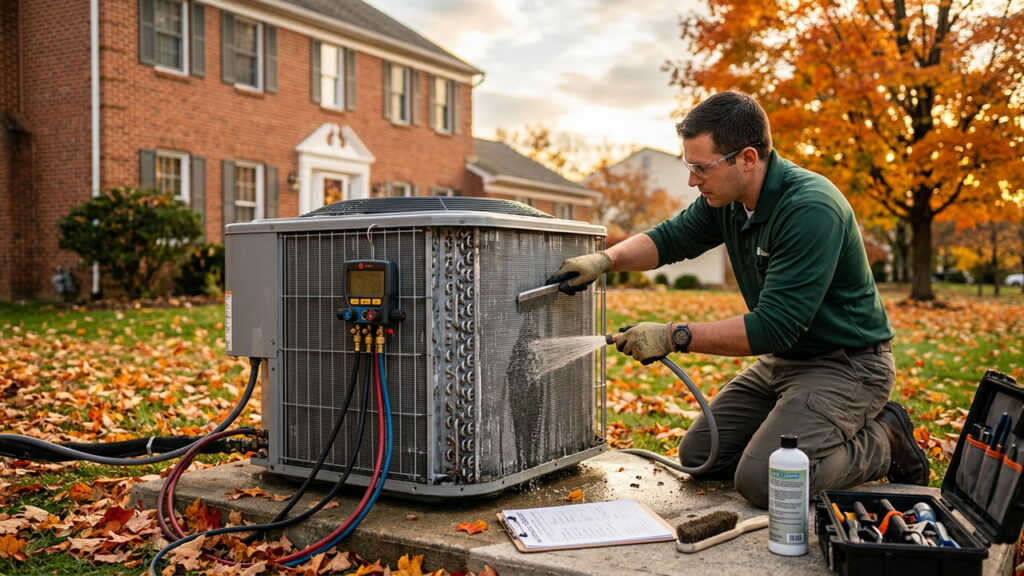
Heat pump maintenance helps your system provide dependable heating and cooling by keeping airflow paths clear and identifying developing issues early. A sensible routine combines simple homeowner checks with professional service at intervals recommended for your specific equipment.
Systems differ, so care for a ducted air-source heat pump is not identical to care for a mini-split, ground-source system, or air-to-water heat pump. This guide explains what you can safely do, what a technician should handle, and when a problem needs prompt attention.
The Short Answer on Heat Pump Maintenance
A practical heat pump maintenance routine includes checking the air filter, keeping the outdoor unit clear, watching for changes in sound or performance, and following the service instructions for your model. Regular visual checks do not replace professional diagnosis or repairs.
Use this simple checklist as a starting point
- Check the filter at the interval stated in the equipment manual, and clean or replace it as directed.
- Keep leaves, plants, snow, and other obstructions away from the outdoor unit, while following the clearance requirements in the manual.
- Keep indoor supply and return vents unobstructed.
- Note unusual noises, persistent ice, water leaks, error messages, or a sudden change in comfort.
- Arrange professional service according to the manufacturer’s recommendations and the system’s condition.
Good heat pump maintenance is specific to the equipment. If the manual gives different instructions, follow those rather than a generic online schedule. When the system has a warning light, damaged wiring, persistent icing, or poor performance, contact a qualified heating and cooling technician instead of opening the cabinet.
What Heat Pump Maintenance Includes
Heat pump maintenance means looking after the components that help move heat between indoors and outdoors. Depending on the system, these include air filters, indoor and outdoor coils, fans, controls, electrical connections, drainage components, and the refrigerant circuit. Hydronic and ground-source equipment can have additional parts that need their own service procedures.
Homeowners can usually handle simple tasks described in the user manual, such as checking an accessible filter or looking for debris around the outdoor unit.
The precise steps vary. A ducted unit may have a replaceable filter at the return grille or air handler, while a ductless indoor head often has removable mesh filters that can be cleaned.
A technician’s heat pump maintenance visit is more involved. A professional can inspect components that require tools, training, or access to electrical and refrigerant systems. They can assess operation against the manufacturer’s procedures and investigate a symptom rather than simply cleaning visible surfaces.
Homeowner checks and professional service
The difference matters for safety and diagnosis. A homeowner can observe, clean or replace approved filters, and keep the equipment’s surroundings tidy. A professional should handle refrigerant work, electrical testing, internal repairs, and tasks that the manual assigns to trained service personnel.
Heat pump maintenance should not be treated as a promise that breakdowns will never happen. Routine care can help keep the system operating under appropriate conditions, but it cannot prevent every component failure or compensate for incorrect sizing, poor installation, blocked ductwork, or a failing part.
Why Regular Care Matters
Heat pump maintenance helps preserve airflow and gives you a chance to notice changes before they become more disruptive. A clogged filter or blocked return can restrict airflow, which may affect comfort and system operation. The effect depends on the equipment, the blockage, and how long the problem continues.
Routine attention can also help you identify small issues such as a loose cover, blocked drain, or unexpected noise. Finding a symptom early does not guarantee a lower repair bill, but it gives a technician useful information and may help avoid running a system with a known fault.
A well-maintained heat pump is not automatically the most efficient system for every home. Energy use also depends on outdoor temperature, thermostat settings, equipment condition, insulation, air leakage, ductwork, and utility rates. Treat maintenance as one part of responsible operation, not as a guaranteed way to reduce bills.
Homeowner Tasks You Can Do Safely
A straightforward heat pump maintenance routine starts with the tasks listed in the owner’s manual. Before handling a filter or opening an access panel intended for users, read the instructions. If the task requires tools, exposes wiring, or feels unclear, leave it to a qualified technician.
Check the air filter
A dirty filter can reduce airflow. Check it at the interval specified for your system, and more often during periods of heavy use if the manual recommends that. Homes with pets, construction dust, or high levels of indoor particles may need more frequent checks, but the correct schedule depends on the filter and equipment.
For a replaceable filter, use the size and type specified by the manufacturer or installer. Installing a filter that does not fit correctly can leave gaps or restrict airflow if it is too restrictive for the unit.
Do not run the system without a filter unless the manufacturer explicitly allows it for a particular service procedure.
For a washable filter, follow the manufacturer’s cleaning and drying instructions. Put it back only when it is fully dry, and avoid harsh cleaners unless the manual approves them. Filter care is one of the most common heat pump maintenance tasks, but a filter does not remove the need to keep the rest of the system in good condition.
Ducted and ductless filters
Ducted systems may use one or more filters at return grilles or at the air handler. Ductless mini-split systems often have washable mesh filters behind the indoor unit’s front panel. The procedure and timing differ, so check the model-specific instructions rather than assuming every filter is interchangeable.
Keep the outdoor unit clear
Leaves, grass, seed pods, and other debris can collect around the outdoor unit. Look around it regularly and remove loose material that you can reach safely without opening the cabinet or touching the coil. Follow the manual for the required clearance, because spacing needs vary by model and installation.
Do not stack items on the unit, cover it while it is operating, or place plants where they will grow into the air path.
Avoid pressure washers, sharp tools, and harsh chemicals on the coil. The fins can bend easily, and cleaning methods that are appropriate for one product may damage another.
If snow is common where you live, check that snowdrifts do not block the unit’s air intake or discharge. Follow the installer’s advice on snow clearances and any approved raised stand. Heat pump maintenance in winter should not involve chipping ice off the coil or fan. If ice remains after a normal defrost cycle or blocks the fan, turn to the troubleshooting guidance or call a technician.
Keep indoor air pathways open
Keep supply registers and return grilles clear of curtains, furniture, rugs, and storage. Avoid closing multiple vents unless your system’s installer or manual specifically permits it. Changing the airflow across a ducted system can affect its operation, so ask a professional before making broad changes.
If a room has weak airflow, note whether the problem is new, affects one register or several, and changes when the system switches modes. Those details help a technician investigate the filter, ductwork, blower, controls, or other possible causes. Do not assume that adding a stronger filter will fix a duct or equipment problem.
Check for drainage issues
Some heat pumps produce condensate during cooling or defrost operation. Check visible drain areas for standing water, staining, or a damp patch near the indoor equipment. Heat pump maintenance can include noticing a change in drainage, but clearing an internal line may require tools or a procedure specified by the manufacturer.
Do not pour chemicals into a drain or push a wire into tubing unless the product instructions explicitly recommend that method. If water is leaking near electrical equipment, or the leak returns after a simple approved check, stop using the affected equipment if it is safe to do so and seek professional help.
Observe settings and operation
Use the thermostat according to the installer’s guidance, and avoid frequent changes while trying to diagnose a problem. Some systems use auxiliary heat in particular conditions, and controls differ between models. If a display shows an unfamiliar mode or error code, record it and consult the manual before changing advanced settings.
A short record can make heat pump maintenance more useful. Note when you checked a filter, when service took place, any error codes, and what the system was doing when a symptom appeared. You do not need a complicated log. A few dated notes can help a technician distinguish a recurring issue from a one-time change.
Seasonal Heat Pump Maintenance
Seasonal checks are a convenient way to remember basic observations, but the equipment manual takes priority. A seasonal heat pump maintenance routine should reflect the climate, system type, and how often the equipment runs. Do not perform a task simply because it appears on a generic checklist if your manufacturer advises otherwise.
In spring, look for winter debris around the outdoor unit and check for visible damage after severe weather. Confirm that the filter is clean and that indoor vents are open. If the system will be used for cooling, note unusual noises or weak airflow before hot weather makes a service visit less convenient.
During summer, check that the outdoor unit’s air path remains clear as grass and plants grow. Keep filters on their recommended schedule, and pay attention to water around indoor equipment. If cooling feels weak, do not assume that adding refrigerant is the answer. A technician needs to find the cause.
In fall, remove loose leaves from around the unit and make sure branches have not grown into the required clearance area. Review the thermostat settings and arrange service if the system has been noisy, uneven, or unreliable.
Heat pump maintenance before a busy heating period may make it easier to schedule a planned inspection.
In winter, allow space for the outdoor unit to move air and drain water from defrost cycles. A heat pump may run for longer periods in cold weather, depending on the system and conditions. A temporary coating of frost can occur on some outdoor coils, and a defrost cycle may release visible vapor.
If heavy ice remains, the fan is obstructed, or the system repeatedly stops heating, follow the manual and contact a service professional. Do not use hot water, ice picks, or a shovel against the coil. These approaches can damage parts or create other hazards.
What a Professional Service Visit Should Cover
The exact scope depends on the system, its age, symptoms, and manufacturer’s service instructions. When arranging heat pump maintenance, ask the contractor what the visit includes and whether it is an inspection, cleaning, diagnostic appointment, or repair. A tune-up label alone does not explain which components will be checked.
A qualified technician may inspect accessible coils and drainage, assess airflow, check controls and electrical components, and confirm that the system responds to heating and cooling calls as intended.
The service procedure should follow the equipment’s documentation. Cleaning is not automatically needed for every component at every visit.
Heat pump maintenance may also involve examining the fan, defrost operation, reversing valve, sensors, and visible wiring, depending on the model and the reason for the appointment. If you reported a specific noise, error code, or comfort problem, ask how the technician investigated it and what findings support any recommended repair.
Refrigerant and electrical work
Refrigerant circuits are sealed systems. A heat pump should not need routine refrigerant top-ups simply because it has been operating. If a technician suspects a leak or charge problem, ask for a diagnosis and explanation of the findings. Refrigerant handling and repair should be done by a properly qualified professional under applicable local rules.
Do not open electrical compartments, test live components, or bypass safety controls. Electrical measurements, capacitor work, wiring repairs, and refrigerant service are not homeowner maintenance tasks. Heat pump maintenance is safest when each job stays within the user manual’s limits and the technician’s training.
How Often to Schedule Maintenance
There is no single service interval that fits every heat pump. Check the owner’s manual and warranty documents first. Some manufacturers call for a professional inspection at a particular interval, while others set requirements based on equipment type, use, or local conditions.
A simple heat pump maintenance schedule can combine regular homeowner observations with professional service at the interval recommended for the model. During months of heavy operation, check filters and outdoor clearances more often if the manual calls for it. If the system serves a dusty environment or operates for long hours, ask the installer whether the standard filter schedule is appropriate.
Consider arranging a visit before the season when the equipment is used most, if that timing is practical. Planned service is different from a repair call. If the unit is leaking, repeatedly tripping a breaker, displaying a fault, or failing to heat or cool, do not wait for the next routine appointment.
Keep receipts and service reports. They can help you understand what work has already been done and may be useful when discussing a recurring problem or checking warranty conditions. Warranty terms vary, so verify any service requirements directly in the documents for your equipment.
Warning Signs That Need Attention
Changes in performance can have several causes, so observation is more useful than guessing at a repair. Heat pump maintenance includes noticing when the system behaves differently from its normal pattern and sharing those details with a technician.
Contact a qualified professional if you notice
- A new grinding, rattling, buzzing, or repeated clicking sound.
- Persistent ice that remains after the system’s normal defrost operation.
- Water leaking near indoor equipment or repeated drainage problems.
- A frequent error message or a system that repeatedly stops and restarts.
- Much weaker airflow or a noticeable change in heating or cooling.
- A breaker that trips repeatedly, burning smells, smoke, or damaged wiring.
Some conditions, such as a defrost cycle or a change in fan sound, may be normal for a particular model. The manual can explain expected operation. Heat pump maintenance does not mean treating every unfamiliar sound as a failure, but a new, persistent, or worsening symptom deserves attention.
If you smell burning, see smoke, or suspect an electrical fault, keep clear of the equipment. Turn it off using the normal control only if it is safe to do so, and contact an appropriate service professional. Do not remove covers or reset a breaker repeatedly to keep a faulty system running.
DIY Care Versus Professional Service
Homeowner heat pump maintenance should stay within the tasks described in the user manual. Common examples include checking an accessible filter, removing loose leaves from around the outdoor unit, keeping vents unobstructed, and recording changes in operation.
A simple rule is to stop when a task requires opening a service panel, touching wiring, bending coil fins, handling refrigerant, or using equipment you have not been trained to operate.
If a cleaning instruction is unclear, ask the manufacturer, installer, or service contractor before trying it.
A technician should handle electrical diagnosis, refrigerant work, internal mechanical repairs, persistent drainage problems, and any task the manufacturer reserves for qualified service personnel. Heat pump maintenance is not a substitute for repairs, and a homeowner should not try to make a unit run by bypassing a sensor or safety device.
Costs, Quotes, and Service Records
The cost of heat pump maintenance varies by region, system type, accessibility, service scope, and whether the visit finds a repair issue. A basic inspection is not directly comparable with a visit that includes cleaning, testing, replacement parts, or work on a hard-to-reach unit.
Ask for an itemized quote that explains what is included and what costs extra. Clarify whether the price covers travel, cleaning, diagnostic work, parts, follow-up visits, or emergency service.
For a recommended repair, request a clear explanation of the symptom, the proposed work, and any available options.
Review service-plan terms before enrolling. Find out how often visits occur, which tasks are included, how cancellations work, and whether repairs or parts are billed separately. Keeping heat pump maintenance records can help you compare services over time, but it does not guarantee that a particular plan will suit every household.
Notes for Different Heat Pump Systems
Heat pump maintenance depends partly on how the system moves heat. A basic checklist can help organize observations, but it cannot replace model-specific instructions. If you are unsure which system you have, check the equipment label or ask the installer.
Air-source systems exchange heat with outdoor air. Keep the outdoor unit’s air path clear and monitor indoor airflow. Heat pump maintenance for a ducted air-source system may include checks of filters and ducts, while service work depends on the indoor and outdoor equipment.
Ductless mini-splits have indoor heads with their own filters and air outlets.
Cleaning those filters as instructed can support airflow, but deep cleaning of the indoor coil or fan may require a trained technician. Do not spray cleaner into the unit unless the manual specifically approves the product and method.
Ground-source or geothermal heat pumps use a buried loop or another ground heat exchanger. Homeowners can follow the normal air-filter and thermostat instructions where applicable, but loop fluid, pumps, pressure, and related components need system-specific care. Ask the installer who is qualified to service the loop.
Air-to-water heat pumps connect to a hydronic heating system. They may have strainers, filters, water-pressure checks, or other components that are not found on a standard ducted air-source unit. Follow the system documentation and leave water-side adjustments or chemical treatment to a qualified professional.
If your system includes backup equipment, zoning, a storage tank, or smart controls, ask the installer how those parts affect its service schedule. Heat pump maintenance advice for one configuration may not apply to another, even when both use the same basic heat pump technology.
Common Maintenance Mistakes to Avoid
One common mistake is treating every system as if it uses the same filter or cleaning schedule. Another is assuming that a heat pump is broken whenever frost or vapor appears during a defrost cycle. Check the manual before acting, and ask a technician when normal operation is unclear.
Do not block the outdoor unit, wash coils with high pressure, use unapproved chemicals, or attempt refrigerant and electrical work. Heat pump maintenance should support the manufacturer’s operating instructions, not replace them with generic advice. Avoid turning a small observation into an unverified repair.
FAQ’s
How often should I check a heat pump filter?
Follow the interval in your system manual. Check it more often during heavy use only when the manufacturer’s instructions support more frequent checks.
Does a heat pump need professional maintenance every year?
Not every model has the same requirement. Check the manufacturer’s recommended service interval and warranty terms, then arrange inspections accordingly.
Can I clean a heat pump coil myself?
Only use a cleaning method explicitly approved in the manual. Avoid pressure washers, sharp tools, and cleaners that are not approved for the equipment.
Is ice on an outdoor heat pump normal?
Temporary frost may occur and some systems defrost automatically. Persistent heavy ice or a blocked fan needs attention from a qualified technician.
Should I add refrigerant to my heat pump?
No. Do not add refrigerant yourself. A qualified technician should diagnose the cause of a refrigerant problem and perform any required repair.
What should I do if my heat pump makes a new noise?
Record when it happens and check the manual for normal operating sounds. If the noise persists, worsens, or comes with poor performance, contact a service professional.
Conclusion
Heat pump maintenance is a mix of simple observations, filter care, clear airflow paths, and professional service based on the equipment maker’s instructions. Safe routine checks can help you notice changes, but they cannot replace qualified diagnosis or repair.
Read the manual, keep service records, and ask clear questions when arranging a visit. With a system-specific care plan, you can support reliable operation while avoiding risky work and unsupported promises about performance or savings.