
Cultivating homegrown berries is one of the most rewarding endeavors for gardeners of all experience levels. Establishing healthy strawberry plants allows you to harvest sweet, nutrient-dense fruit...
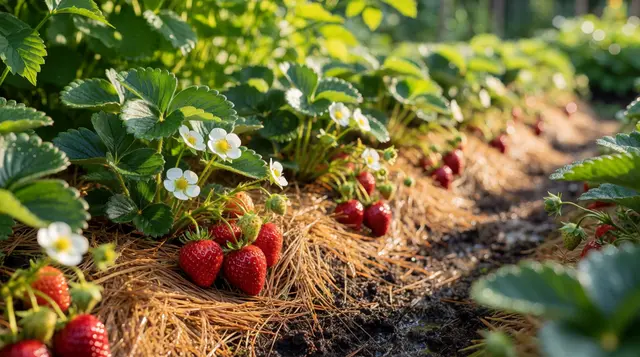
Cultivating homegrown berries is one of the most rewarding endeavors for gardeners of all experience levels. Establishing healthy strawberry plants allows you to harvest sweet, nutrient-dense fruit throughout the growing season while building a sustainable perennial food source in your garden. However, achieving consistent berry production requires understanding how environmental shifts affect vegetative growth, flowering, and root dormancy. By tailoring your horticultural care routine to the changing seasons, you can maintain vigorous strawberry plants, maximize blossom pollination, and enjoy heavy harvests year after year.
What Are the Main Types and Varieties of Strawberry Plants?
Strawberry plants are divided into three primary botanical categories based on how day length and temperature trigger flower bud formation: June-bearing, everbearing, and day-neutral varieties.
Understanding these classifications allows growers to plan staggered harvest schedules and select the best cultivars for their regional climate and garden layout.
| Strawberry Classification | Flowering Trigger | Harvest Pattern | Average Fruit Size | Best Suited For |
|---|---|---|---|---|
| June-Bearing (Short-Day) | Initiates flower buds during short autumn days (under 10 hours) | Single concentrated harvest over 2 to 4 weeks in early summer | Large to Extra-Large | Jam making, freezing, bulk harvesting, commercial production |
| Everbearing | Forms buds during long days (12+ hours) and short days | Two to three distinct flushes: early summer, mid-summer, and early autumn | Medium | Home gardens, small raised beds, continuous fresh eating |
| Day-Neutral | Produces flowers continuously regardless of day length (40°F to 85°F) | Continuous steady harvest from late spring until the first hard autumn frost | Medium to Large | Containers, hanging baskets, urban gardens, extended season growing |
1. June-Bearing Strawberry Plants
June-bearing cultivars produce the largest individual berries and yield their entire annual crop within a concentrated three-week window in late spring or early summer.
- Growth Characteristics: These strawberry plants produce abundant vegetative runners after their fruiting cycle ends, making them ideal for filling wide garden beds using the matted row system.
- Popular Varieties: Chandler, Jewel, Honeoye, Allstar, and Earliglow.
- Ideal Application: Gardeners who preserve fruit through canning, jam production, or freezing, where large single-batch harvests are preferred.
2. Everbearing Strawberry Plants
Everbearing varieties develop flower buds throughout the growing season, delivering two to three separate crops per year rather than a single massive harvest.
- Growth Characteristics: Everbearing strawberry plants produce fewer daughter runners than June-bearing types, channeling more metabolic energy into continuous crown development and repeat flowering.
- Popular Varieties: Ozark Beauty, Fort Laramie, and Quinault.
- Ideal Application: Family gardens requiring fresh dessert berries distributed evenly across early summer and late summer.
3. Day-Neutral Strawberry Plants
Day-neutral cultivars are modern hybrids that flower and fruit continuously as long as ambient temperatures remain between 40°F and 85°F (4°C to 29°C), unaffected by photoperiod day length.
- Growth Characteristics: These strawberry plants maintain a compact, bushy growth habit with minimal runner production, focusing nearly all resources on continuous berry development.
- Popular Varieties: Albion, Seascape, San Andreas, and Tribute.
- Ideal Application: Small raised beds, patio containers, vertical planters, and hydroponic systems where space efficiency and uninterrupted harvests are vital.
What Ideal Soil, Sun, and Environmental Conditions Do Strawberry Plants Require?
Strawberry plants require full sunlight, exceptional soil drainage, and slightly acidic, organic-rich soil to develop robust root systems and produce sweet, firm berries.
Providing the correct microclimate prevents chronic fungal issues, encourages active pollinator visits, and ensures that ripening fruit receives sufficient photosynthetic energy.
| Environmental Parameter | Optimal Requirement | Critical Threshold | Corrective Garden Action |
|---|---|---|---|
| Daily Sunlight | 8 to 10 hours direct sun | Minimum 6 hours | Position beds away from shade trees or structural shadows |
| Soil pH Level | 5.8 to 6.5 (Slightly Acidic) | Below 5.5 or above 7.2 | Apply elemental sulfur to lower pH, or agricultural lime to raise pH |
| Soil Texture | Sandy loam rich in organic matter | Heavy compacted clay | Amend native soil with compost, leaf mold, and coarse perlite |
| Drainage Speed | 1 to 2 inches per hour | Standing water over 30 min | Construct 8- to 12-inch raised garden beds |
| Optimal Temperature | 65°F to 78°F (18°C to 26°C) | Temperatures above 88°F (31°C) | Deploy 30% shade cloth during extreme summer heatwaves |
Soil Chemistry and Organic Composition
The root architecture of strawberry plants is relatively shallow, with over 80 percent of feeder roots concentrated in the top six inches of topsoil.
- Organic Matter Enrichment: Incorporate two to three inches of well-aged compost or composted manure into your planting site before setting out young strawberry plants. Organic matter improves moisture retention in sandy soils while aerating heavy loam.
- Avoiding Fungal Contamination: Never plant strawberry plants in garden plots where nightshades (tomatoes, potatoes, peppers, or eggplants) or brambles (raspberries, blackberries) grew within the past three to four years. These crop families harbor the soil-borne pathogen Verticillium albo-atrum, which can decimate healthy strawberry beds.
How Should You Plant and Space Strawberry Plants for Maximum Yield?
Proper planting depth is the single most critical factor determining the survival and long-term vitality of both bare-root and container-grown strawberry plants.
Burying the central vegetative crown beneath soil level causes crown rot and suffocates emerging leaf shoots. Conversely, planting too high exposes the delicate root flare to air and sun, causing fatal dehydration.
| Planting Technique | Description | Ideal Depth Guideline |
|---|---|---|
| Proper Crown Depth | Soil level rests precisely at the midpoint of the central crown | Roots completely submerged; emerging bud leaves entirely exposed above soil |
| Too Deep (Crown Rot Risk) | Crown buried beneath the soil surface | Leaves rot before emerging; water pools in the central bud cluster |
| Too Shallow (Desiccation Risk) | Upper root branching exposed above soil line | Feeder roots dry out rapidly in wind and direct sunlight |
Step-by-Step Bare-Root Strawberry Plants Planting Guide
- Rehydrate the Root System: Submerge the root systems of bare-root strawberry plants in room-temperature water for 30 to 60 minutes prior to planting to rehydrate dormant vascular tissues.
- Trim Damaged Roots: Use clean pruning shears to trim excessively long or broken roots back to roughly 5 to 6 inches in length, facilitating clean downward positioning.
- Form a Soil Mound: Dig a hole roughly 8 inches wide and 8 inches deep. Create a small cone-shaped mound of soil in the center of the planting hole.
- Fan the Roots Downward: Rest the crown on top of the soil cone and spread the roots evenly down the sides of the mound, avoiding bunched or J-hooked root positions.
- Firm the Soil and Water Thoroughly: Backfill with nutrient-rich topsoil until the soil line aligns with the exact middle of the crown. Firm gently with your palms to eliminate air pockets and water deeply.
Planting Systems: Matted Row vs. Hill System
| Feature Parameter | Matted Row System | Hill (Plasticulture) System |
|---|---|---|
| Primary Strawberry Type | June-bearing cultivars | Day-neutral and everbearing cultivars |
| Plant Spacing | 18 to 24 inches between plants; 36 to 48 inches between rows | 12 to 15 inches apart in staggered double rows |
| Runner Management | Daughter runners are guided into open spaces to root and form a dense mat | All runners are removed continuously to focus energy on the mother crown |
| Weed Control Strategy | Organic straw mulch across the entire bed | Black plastic mulch or woven landscape fabric |
| Average Production Life | 3 to 4 years before replanting | 1 to 2 years before full bed renovation |
Seasonal Care Guide: Managing Strawberry Plants Through the Calendar Year
To sustain high fruit productivity and plant health, strawberry growers must adapt their maintenance strategies to match the biological requirements of each season.
| Seasonal Cycle | Core Focus | Primary Maintenance Actions |
|---|---|---|
| Spring | Awakening and Bloom Setup | Rake away heavy mulch, apply balanced organic fertilizer, protect early blossoms from frost |
| Summer | Fruiting and Hydration | Maintain drip irrigation, harvest ripe berries daily, prune excess daughter runners |
| Autumn | Bed Renewal and Hardening | Renovate matted rows, replenish phosphorus/potassium reserves, eradicate perennial weeds |
| Winter | Dormancy and Insulation | Apply protective straw mulch after ground freeze, protect potted crowns in shelter |
Spring Management: Awakening and Blossom Support
Spring marks the emergence of vegetative shoots from winter dormancy and the initiation of flower blossoms.
- Remove Winter Mulch: Once nighttime freezing temperatures subside, gently rake winter straw away from the crowns of your strawberry plants, redistributing it around the plant bases to act as summer mulch.
- Initial Spring Fertilization: Apply a balanced, slow-release organic fertilizer (such as a 10-10-10 or 5-10-10 NPK formula) when new leaves begin expanding. Avoid heavy nitrogen applications, which produce excessive foliage at the expense of fruit production.
- Early Blossom Removal on Young Crops: On newly planted June-bearing strawberry plants, pinch off all flowers throughout their entire first growing season. For day-neutral and everbearing varieties, remove flowers for the first 6 weeks after planting. This redirects metabolic resources into developing deep, resilient root structures.
- Frost Protection for Open Blossoms: Open strawberry blossoms are sensitive to cold, suffering irreversible pistil damage at temperatures below 30°F (-1°C). Cover flowering beds with floating row covers whenever late spring frost warnings are issued.
Summer Management: Harvesting, Watering, and Runner Control
Summer brings peak berry production, high evapotranspiration rates, and active vegetative runner proliferation.
- Rigorous Irrigation Scheduling: Strawberry plants require 1 to 2 inches of water per week during fruit development. Irrigate early in the morning using drip lines or soaker hoses to keep leaves and ripening fruit completely dry.
- Harvesting at Peak Ripeness: Pick strawberries when they are fully red from tip to stem. Ripe strawberries do not continue ripening once harvested. Pick during the cool morning hours and pinch the stem half an inch above the fruit cap rather than pulling the berry directly.
- Managing Daughter Runners: In hill and container systems with strawberry plants, prune off all runners weekly using clean snips. In matted row systems, pin down the first 4 to 6 strong runners per plant to fill vacant spaces, then clip all subsequent runners.
- Applying Clean Straw Mulch: Maintain a 2- to 3-inch layer of clean wheat or pine straw beneath ripening fruit. Mulch keeps berries off moist soil, prevents fungal spore splashback, suppresses weeds, and moderates soil temperature.
Autumn Management: Renovation, Feeding, and Cold Hardening
Autumn is the critical period when June-bearing strawberry plants develop the internal flower buds that will produce next spring’s fruit crop.
- Post-Harvest Bed Renovation (June-Bearers): Immediately after the final summer harvest, renovate June-bearing beds. Mow or shear foliage down to 2 inches above the crowns, taking care not to damage the crown tissue. Narrow wide rows down to 12 inches using a garden tiller or spade.
- Autumn Nutrient Application: Apply a phosphorus- and potassium-rich organic fertilizer in late summer or early autumn to support strong root growth and cold hardening.
- Weed Eradication: Hand-pull all perennial weeds from around your strawberry plants before winter sets in. Weeds left in autumn compete aggressively for moisture and nutrients during early spring awakening.
- Hydration Before Frost: Ensure your strawberry plants receive adequate moisture throughout autumn until the ground freezes. Desiccated roots suffer significantly worse winterkill than properly hydrated roots.
Winter Management: Dormancy Protection and Cold Insulation
Winter cold can kill exposed crowns if temperatures plunge below 15°F (-9°C) without snow cover, and repeated freeze-thaw cycles can heave shallow root systems out of the soil.
- Applying Winter Mulch: When overwintering strawberry plants, wait until the ground has frozen to a depth of roughly 1 inch, or after two to three hard frosts (temperatures around 20°F / -6°C). Spread a 4- to 6-inch layer of loose, clean wheat straw, marsh hay, or pine needles over the entire bed.
- Winter Protection for Containers: Potted strawberry plants are vulnerable to root freezing because soil in containers cools much faster than ground soil. Move containers into an unheated garage or shed, or bury the entire pot into garden soil and mulch heavily.
- Preventing Premature Awakening: Keep winter mulch in place during unseasonably warm winter thaws to prevent strawberry plants from breaking dormancy prematurely and suffering subsequent freeze damage.
Nutritional Feeding and Irrigation Schedules for Strawberry Plants
Achieving large, flavorful berries requires a balanced nutritional program tailored to the plant’s growth stage. Imbalanced fertilization—especially excessive synthetic nitrogen—leads to soft berries, rampant leaf growth, and increased susceptibility to fungal diseases.
| Growth Phase | Optimal Fertilizer Ratio (N-P-K) | Application Method | Strategic Botanical Value |
|---|---|---|---|
| Early Spring Awakening | 10-10-10 or 5-10-10 | Granular side-dressing worked into topsoil | Fuels initial crown leaf development and root expansion |
| Blossom & Fruit Set | High Potassium (e.g., 5-5-15 liquid kelp) | Bi-weekly diluted fertigation via drip system | Enhances flower vitality, fruit firmness, and natural sugar content |
| Post-Harvest Renovation | Balanced Organic Compost + 10-10-10 | Broadcast across renovated matted rows | Restores depleted carbohydrate reserves in crowns |
| Late Autumn (Bud Formation) | Low Nitrogen, High Phosphorus (3-12-12) | Light granular application at bed margins | Strengthens root cell walls and fuels dormant flower bud initiation |
Irrigation Best Practices for Strawberry Plants
- Drip Irrigation Over Overhead Sprinklers: Always deliver water directly to the soil root zone via drip tubing or soaker hoses. Wet foliage encourages the rapid germination of Botrytis cinerea (gray mold) and powdery mildew spores.
- Soil Moisture Monitoring: Maintain soil moisture similar to a wrung-out sponge. Avoid both waterlogged mud and dry, cracked topsoil.
- Container Watering Demands: Strawberry plants in terra cotta pots, hanging baskets, and vertical towers dry out rapidly during hot summer afternoons and may require daily morning irrigation.
Diagnosing, Treating, and Preventing Diseases and Pests on Strawberry Plants
Maintaining good garden hygiene, crop rotation, and proper spacing minimizes the majority of common biological threats. The following diagnostic guide helps you identify and resolve garden issues quickly.
| Disease / Pest Issue | Visual Symptoms | Primary Underlying Cause | Proven Organic Treatment & Prevention |
|---|---|---|---|
| Gray Mold (Botrytis cinerea) | Fuzzy gray fungal coat on ripening or decaying berries | High humidity, overhead watering, poor airflow | Apply straw mulch beneath berries, prune excess leaves, remove infected fruit immediately |
| Powdery Mildew | White powdery film curling leaf edges upward | Warm, humid microclimates with poor air circulation | Apply organic neem oil or potassium bicarbonate spray during early morning |
| Leaf Spot (Mycosphaerella) | Small purple spots with distinctive white centers on foliage | Overhead irrigation splashing fungal spores from soil | Prune damaged leaves during post-harvest renovation, maintain drip irrigation |
| Slugs and Snails | Irregular chewed holes in ripe berries near ground level | Damp soil, dense wet mulch layers | Spread iron phosphate bait pellets around bed borders, place beer traps near rows |
| Two-Spotted Spider Mites | Fine webbing beneath leaves, yellow speckled stippling | Hot, dry dusty summer weather | Release predatory mites (Phytoseiulus persimilis), apply insecticidal soap spray |
| Birds and Rodents | Clean peck marks and missing ripe strawberries | Wildlife attracted to bright red coloration | Install 1/2-inch bird netting suspended on hoops over beds before berries turn red |
Principles of Integrated Pest Management (IPM) for Strawberry Plants
- Maintain Adequate Air Circulation: Space strawberry plants properly to allow wind penetration, which rapidly dries morning dew from leaf surfaces.
- Sanitize Growing Beds Weekly: Remove overripe, dropped, or moldy strawberries from the garden immediately to prevent fungal spore buildup.
- Encourage Beneficial Predators: Plant companion flowers like alyssum, marigolds, and dill nearby to attract ladybugs, lacewings, and hoverflies that prey on destructive aphids and spider mites.
How to Propagate and Renew Aging Strawberry Plants from Runners
Productive strawberry plants have an active commercial lifespan of three to five years. After their third season, fruit size declines and crowns become woody and susceptible to diseases. Propagating daughter plants from healthy runners allows you to refresh your berry beds indefinitely without purchasing new stock.
| Propagation Stage | Execution Timeline | Key Botanical Objective |
|---|---|---|
| Stage 1: Runner Selection | Mid-summer (July to August) | Select vigorous runner nodes originating from your healthiest, highest-yielding mother plants |
| Stage 2: Soil Layering | Immediately upon node formation | Pin the small daughter root node into moist soil or small starter pots using bent wire staples |
| Stage 3: Root Establishment | 3 to 4 weeks after pinning | Keep starter potting soil moist until a strong, independent root system anchors firmly |
| Stage 4: Umbilical Separation | Late summer (Late August to September) | Sever the connecting runner stolon from the mother plant using sterilized pruning shears |
| Stage 5: Permanent Transplanting | Early autumn (September to October) | Transplant the rooted daughter crowns into freshly prepared garden beds or containers |
| Propagation Step | Source Structure | Intermediate Pathway | Final Result |
|---|---|---|---|
| Runner Routing | Healthy mother plant crown | Extended runner stolon | Grounded daughter node |
| Root Initiation | Daughter plant node | Moist starter potting soil | Self-anchored root mass |
| Final Separation | Rooted starter pot | Severed stolon connection | Independent mature plant |
Rotating and Renovating Perennial Beds
To maintain peak berry yields across multiple seasons, establish a 3-bed rotation schedule:
- Bed 1 (Current Year 1): Newly planted daughter strawberry plants establishing deep root systems.
- Bed 2 (Current Year 2): Prime production bed delivering maximum berry yields from mature strawberry plants.
- Bed 3 (Current Year 3): Final harvest year; collect healthy daughter runners in summer, harvest remaining fruit, and dig up old woody crowns in autumn to replant with fresh organic cover crops.
Frequently Asked Questions
How long do strawberry plants live and produce fruit?
Strawberry plants live for five to six years as perennials, but their peak fruit production occurs during years two and three, after which beds should be renewed with rooted daughter runners.
Can you grow strawberry plants successfully in pots and containers?
Yes, day-neutral and everbearing strawberry plants thrive in pots, hanging baskets, and vertical planters that are at least 8 to 12 inches deep with drainage holes and high-quality potting mix.
How much water do strawberry plants need each week?
Strawberry plants require 1 to 2 inches of water per week during their active growing and fruiting cycles, ideally delivered at the root zone via drip irrigation.
Why are my strawberry plants producing flowers but no fruit?
Poor fruit set is typically caused by inadequate insect pollination, late spring frost damage to open blossoms, extreme summer heat above 88°F (31°C), or severe drought stress.
Should you cut off the runners on strawberry plants?
Yes, cutting off runners directs the plant’s metabolic energy toward fruit production and root development, though you can leave select runners attached if you plan to propagate new daughter plants.
What is the best mulch to use around strawberry plants?
Clean, weed-free wheat straw or pine needles are the best mulches for strawberry plants, as they keep ripening fruit clean, preserve soil moisture, and suppress weed germination.
Conclusion
Mastering the seasonal cultivation of strawberry plants transforms your garden into a highly productive source of sweet, nutrient-rich fruit. By matching your cultural practices to the biological rhythms of each season—from careful spring blossom protection and diligent summer drip irrigation to autumn bed renovation and winter dormant mulching—you provide your berry beds with the ideal foundation for vigorous, long-term health.
Whether you cultivate June-bearing varieties in spacious garden rows or day-neutral cultivars in compact patio containers, consistent soil management and proactive pest prevention ensure reliable harvests. Start applying these seasonal strategies today, renew your beds regularly using healthy daughter runners, and enjoy the unmatched flavor of fresh, homegrown strawberries year after year.