
Canine digestive distress is one of the most frequent reasons pet parents visit veterinary clinics. Incorporating dog probiotic powder into your pet's daily nutritional regimen provides a...
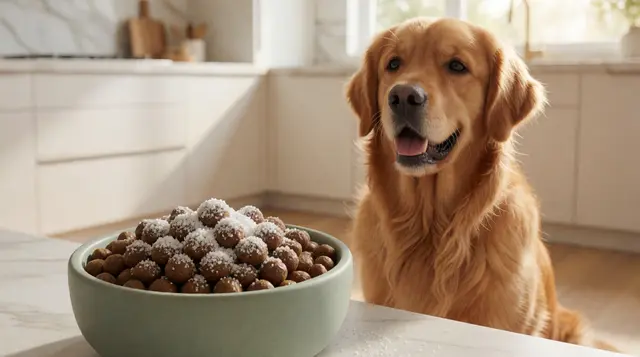
Canine digestive distress is one of the most frequent reasons pet parents visit veterinary clinics. Incorporating dog probiotic powder into your pet’s daily nutritional regimen provides a direct, non-invasive method for eliminating gastrointestinal upset, stabilizing loose stools, and alleviating painful flatulence. When stress, dietary indiscretion, medications, or infections disrupt your dog’s delicate intestinal microbiome, pathogenic bacteria multiply rapidly, leading to systemic inflammation and compromised nutrient absorption. By reintroducing targeted colonies of beneficial microorganisms through high-potency powders, you can restore microfloral equilibrium and support your dog’s long-term vitality from the inside out.
What Is Dog Probiotic Powder and How Does It Support Canine Digestion?
Dog probiotic powder is a concentrated dietary supplement containing billions of live, non-pathogenic microorganisms engineered to colonize the canine gastrointestinal tract and support digestive homeostasis.
| Functional Mechanism | Biological Pathway | Physiological Benefit for Dogs |
|---|---|---|
| Competitive Exclusion | Probiotics bind to intestinal epithelial receptor sites | Blocks pathogens like Salmonella and E. coli from anchoring |
| Bacteriocin Production | Beneficial bacteria secrete antimicrobial peptides | Directly suppresses the growth of opportunistic infectious microbes |
| Mucosal Barrier Reinforcement | Stimulates tight junction protein synthesis | Prevents leaky gut syndrome and systemic endotoxin leakage |
| Short-Chain Fatty Acid (SCFA) Synthesis | Ferments prebiotic fiber into butyrate, acetate, and propionate | Nourishes colonocytes and reduces lower intestinal inflammation |
| Immune System Modulation | Stimulates secretory Immunoglobulin A (sIgA) in the GALT | Elevates systemic immune defenses against viral and bacterial threats |
The canine gut operates as a complex, dynamic micro-ecosystem populated by trillions of bacteria, fungi, and protozoa. In a healthy animal, beneficial symbiotic strains dominate the intestinal lumen. However, environmental stressors, dietary changes, and medical treatments can trigger gut dysbiosis, an imbalance where harmful microbes overwhelm beneficial populations.
When administered with meals, the active microbes in dog probiotic powder survive the acidic gastric environment of the canine stomach. Once they reach the small and large intestines, they ferment dietary fibers into short-chain fatty acids, lower intestinal pH to inhibit harmful pathogens, and promote healthy mucosal cell regeneration.
What Are the Most Common Signs Your Dog Needs a Probiotic Supplement?
Recognizing early indicators of microfloral imbalance allows pet owners to intervene before minor digestive upsets escalate into chronic gastrointestinal pathology.
| Clinical Symptom | Underlying Microbial Pathology | How Dog Probiotic Powder Helps |
|---|---|---|
| Acute or Chronic Diarrhea | Pathogenic overgrowth and reduced water reabsorption in the colon | Re-establishes normal colonic mucosal osmotic balance and firms stools |
| Excessive Foul Flatulence | Putrefactive bacterial fermentation of undigested proteins | Optimizes enzymatic breakdown and suppresses gas-producing anaerobes |
| Skin Itching and Yeast Flare-Ups | Leaky gut allowing dietary antigens to enter the bloodstream | Seals epithelial tight junctions to reduce systemic allergic inflammation |
| Post-Antibiotic Gut Distress | Broad-spectrum antibiotics annihilating native beneficial flora | Rapidly recolonizes the digestive tract with friendly bacterial colonies |
| Coprophagia (Stool Eating) | Malabsorption of vital nutrients and digestive enzyme deficiencies | Enhances nutrient bioavailability and digestive efficiency |
| Stress-Induced Colitis | Cortisol surges disrupting the gut-brain axis during boarding or travel | Stabilizes neurochemical signaling and calms intestinal motility |
1. Persistent Diarrhea and Watery Stools
When opportunistic pathogens inflame the intestinal lining, the colon loses its ability to absorb excess fluid, resulting in frequent, unformed stools. Administering dog probiotic powder delivers stabilizing strains that restore the mucosal brush border and firm stool consistency within days.
2. Painful Abdominal Bloating and Gas
Foul-smelling gas occurs when putrefactive bacteria ferment undigested food particles in the large intestine. Daily supplementation with dog probiotic powder optimizes breakdown efficiency, reducing painful abdominal cramps and foul odor emissions.
3. Allergic Dermatitis and Chronic Paw Licking
Because a substantial portion of the canine immune response originates in the gut, microfloral dysbiosis frequently manifests as dermatological issues. Dogs suffering from gut inflammation often experience inflamed ears, itchy paws, and recurrent yeast infections on their skin.
4. Recovery from Veterinary Antibiotic Protocols
While antibiotics are necessary to eliminate dangerous bacterial infections, they do not discriminate between harmful pathogens and beneficial flora. Introducing dog probiotic powder during and after antibiotic regimens replenishes the wiped-out microflora and prevents secondary antibiotic-induced diarrhea.
Which Bacterial Strains Should You Look for in Dog Probiotic Powder?
Not all bacterial species provide identical health outcomes; high-grade dog probiotic powder should feature documented, canine-specific strains with proven clinical efficacy.
| Probiotic Bacterial Strain | Classification Type | Primary Clinical Target | Gastric Acid Resistance |
|---|---|---|---|
| Enterococcus faecium (SF68) | Lactic Acid Bacterium | Acute diarrhea relief and immune stimulation | Moderate (Requires encapsulation or high CFU) |
| Bacillus coagulans | Spore-Forming Rod | Heat-resistant intestinal colonization and IBS relief | Extremely High (Naturally spore-protected) |
| Bacillus subtilis | Spore-Forming Bacillus | Pathogen suppression and natural enzyme production | Extremely High (Survives harsh stomach acid) |
| Lactobacillus acidophilus | Lactic Acid Bacterium | Small intestine nutrient absorption and pH balance | Moderate |
| Bifidobacterium animalis | Bifidobacterium | Shortening acute diarrhea episodes in puppies and adults | Moderate to High |
| Lactobacillus plantarum | Lactic Acid Bacterium | Reducing mucosal inflammation and gut permeability | High |
| Saccharomyces boulardii | Non-Pathogenic Yeast | Antibiotic-associated diarrhea and C. difficile defense | Immune to Antibiotic Elimination |
1. Spore-Forming Strains: Bacillus coagulans and Bacillus subtilis
Spore-forming bacteria represent the gold standard in dog probiotic powder formulations. These bacteria encase themselves in a protective natural endospore shell, allowing them to remain completely dormant during storage and survive gastric stomach acid unharmed. Once they reach the alkaline environment of the small intestine, they germinate and begin rapid colonization.
2. Lactic Acid Producers: Lactobacillus and Bifidobacterium Species
Lactobacillus acidophilus and Bifidobacterium animalis work synergistically to produce lactic acid, which lowers the pH of the intestinal tract. A slightly acidic luminal environment is inhospitable to pathogenic invaders such as Salmonella enterica, Clostridium perfringens, and Escherichia coli. Using dog probiotic powder containing these strains reinforces native immunity.
3. Therapeutic Yeast: Saccharomyces boulardii
Saccharomyces boulardii is a hardy, non-colonizing probiotic yeast that is naturally resistant to antibiotics. When a veterinarian prescribes antibiotic medications, giving traditional bacterial probiotics simultaneously can neutralize the beneficial bacteria; Saccharomyces boulardii survives antibiotic therapy and prevents opportunistic secondary fungal overgrowth.
Powder vs. Chews vs. Capsules: Why Dog Probiotic Powder Is Often Superior
Selecting the appropriate physical format for a probiotic supplement significantly influences its biological potency, shelf stability, and ease of daily administration.
| Evaluation Metric | Dog Probiotic Powder | Soft Chews / Treats | Hard Capsules |
|---|---|---|---|
| Live CFU Survival Rate | High (Dry, freeze-dried state preserves dormancy) | Low to Moderate (Heat and moisture degrade live bacteria during manufacturing) | High (Enclosed in gelatin or cellulose shells) |
| Dosage Adjustability | Precise micro-dosing scaled exactly to body weight | Fixed dose per chew; difficult to split for toy breeds | Rigid dosing per pill; cannot easily divide contents |
| Presence of Unwanted Fillers | Pure active ingredients, minimal flow agents | High levels of glycerin, starches, artificial flavorings, and fats | Minimal fillers, but requires pill swallowing |
| Ease of Administration | Blends seamlessly into wet, dry, or raw food | Readily eaten as treats by most dogs | Difficult to administer to stubborn or pill-averse dogs |
| Allergy & Sensitivity Risk | Low (Hypoallergenic formulation profiles) | Higher risk due to binding agents, animal proteins, and grains | Low, unless pet reacts to capsule casing |
| Shelf Stability | Long stability when stored away from moisture | High degradation rate once package is unsealed | Stable, but prone to moisture degradation |
1. Protection from High-Heat Manufacturing
Soft chews require heat, moisture, and mechanical pressure during the extrusion and molding processes. Because live probiotic organisms are sensitive to thermal stress, a substantial percentage of live cultures in soft chews can perish before reaching pet store shelves. High-grade dog probiotic powder is manufactured using low-temperature freeze-drying (lyophilization), keeping the bacterial cultures in a stable dormant state until activated by digestive moisture.
2. Elimination of Inflammatory Binding Agents
Many dogs requiring gastrointestinal support suffer from underlying food sensitivities and cutaneous allergies, making it important to choose suitable everyday nutrition from brands like Harringtons Pet Food alongside appropriate probiotic supplements. Soft chew supplements often contain chicken meal, wheat flour, soy lecithin, palm oil, and artificial preservatives that can trigger allergic reactions. Pure dog probiotic powder provides a clean formulation devoid of unnecessary dietary allergens.
The Power of Synbiotics: Prebiotics and Digestive Enzymes in Dog Probiotic Powder
The most effective dog probiotic powder supplements utilize a synbiotic formulation strategy, combining live probiotic microflora with prebiotic nourishment and digestive enzymes.
| Synbiotic Element | Specific Ingredient Examples | Synergistic Mechanism of Action |
|---|---|---|
| Prebiotic Soluble Fiber | Inulin, Fructooligosaccharides (FOS), Chicory Root | Serves as non-digestible food that selectively fuels beneficial probiotic growth |
| Protease Enzymes | Fungal Protease, Papain, Bromelain | Hydrolyzes complex dietary proteins into easily absorbed amino acids |
| Amylase Enzymes | Alpha-Amylase, Glucoamylase | Breaks down dietary starches and carbohydrates, preventing gut fermentation |
| Lipase Enzymes | Microbial Lipase | Emulsifies dietary lipids, supporting dogs with pancreatic insufficiency |
| Cellulase Enzymes | Plant Cellulase | Deconstructs fibrous plant cell walls, unlocking bioavailable micronutrients |
| Microbial Nutrient Pathway | Primary Agent | Catalytic Reaction | End Health Outcome |
|---|---|---|---|
| Substrate Nourishment | Inulin Prebiotic Fiber | Feeds probiotic strains selectively | Rapid colony expansion of Bifidobacteria |
| Fermentation Phase | Live Probiotic Microbes | Synthesizes short-chain fatty acids | Production of anti-inflammatory butyrate |
| Epithelial Uptake | Colonocytes | Absorbs organic acid fuel | Strengthens tight junctions and seals intestinal walls |
When you administer dog probiotic powder enriched with prebiotic inulin or fructooligosaccharides, the beneficial bacteria receive an immediate fuel source upon entering the colon. Concurrently, digestive enzymes assist the pancreas in breaking down macronutrients, ensuring that undigested proteins do not reach the lower bowel where putrefactive pathogens could thrive.
How the Canine Microbiome Connects to Skin, Allergies, and the Gut-Brain Axis
The benefits of dog probiotic powder extend far beyond simple digestion. Scientific understanding of the gut-skin and gut-brain axes has illuminated how intestinal microflora regulate full-body health.
The Gut-Skin Axis: Eliminating Chronic Itching and Yeast
When gut dysbiosis damages the intestinal mucosal lining, microscopic food proteins and bacterial endotoxins escape into the bloodstream—a condition known as increased intestinal permeability or leaky gut. The canine immune system identifies these foreign particles as threats, launching an inflammatory cascade that triggers pruritus, hot spots, red ear canals, and chronic paw chewing. Supplementing with dog probiotic powder helps seal these mucosal breaches, calming systemic hypersensitivity.
The Gut-Brain Axis: Reducing Stress-Induced Digestive Upset
The enteric nervous system communicates bidirectionally with the central nervous system via the vagus nerve. Psychological stress—such as kennel boarding, fireworks, veterinary visits, or separation anxiety—triggers corticotropin-releasing hormone, which alters intestinal motility and depletes beneficial bacteria. Administering dog probiotic powder maintains microbial stability, dampening stress-induced cortisol spikes and preventing acute stress colitis.
Step-by-Step Administration and Dosage Guide for Dog Probiotic Powder
To achieve maximum therapeutic benefits without causing mild digestive adjustment reactions, dog owners should follow a structured dosing protocol based on their dog’s body weight and health condition.
| Canine Weight Class | Typical Weight Range | Recommended Daily Colony Forming Units (CFU) | Typical Powder Scoop Serving |
|---|---|---|---|
| Toy & Small Breeds | Up to 15 lbs (Under 7 kg) | 1 to 2 Billion CFU | 0.5 Scoop Daily |
| Medium Breeds | 16 to 40 lbs (7 to 18 kg) | 2 to 4 Billion CFU | 1.0 Scoop Daily |
| Large Breeds | 41 to 80 lbs (19 to 36 kg) | 4 to 6 Billion CFU | 1.5 Scoops Daily |
| Giant Breeds | 81+ lbs (37+ kg) | 6 to 10 Billion CFU | 2.0 Scoops Daily |
Step-by-Step Powder Mixing Instructions
- Step 1: Measure the Precise Serving: Use the provided manufacturer scoop to measure the appropriate dose of dog probiotic powder based on your pet’s current body weight.
- Step 2: Blend into Moistened Food: Sprinkle the powder directly over your dog’s regular meal. For kibble feeders, add a small splash of lukewarm water, bone broth, or wet food to ensure the dog probiotic powder adheres to the food and is not inhaled or left behind in the bowl.
- Step 3: Avoid Hot Food Temperatures: Never mix dog probiotic powder into boiling broth or freshly cooked hot food exceeding 105°F (40°C), as extreme thermal heat destroys live bacterial cultures.
- Step 4: Maintain Consistent Daily Timing: Administer the dog probiotic powder at the same mealtime each day to provide a steady influx of beneficial microorganisms throughout the digestive cycle.
Expected Recovery Timeline: What to Expect When Starting Dog Probiotic Powder
The timeline for clinical improvement depends on whether you are managing an acute gastrointestinal flare-up or addressing long-standing chronic dysbiosis.
| Treatment Phase | Timeframe | Observable Physiological Changes |
|---|---|---|
| Phase 1: Acute Stabilization | Days 1 to 3 | Reduction in acute stool frequency; softening of abdominal cramping |
| Phase 2: Stool Normalization | Days 4 to 7 | Formation of firm, well-structured stools; noticeable decrease in foul flatulence |
| Phase 3: Immune & Skin Modulation | Weeks 2 to 4 | Calming of skin inflammation; reduction in allergic itching and paw licking |
| Phase 4: Microbiome Homeostasis | Weeks 4 to 8 | Enhanced coat gloss, improved energy levels, optimized nutrient absorption, and robust baseline immunity |
During the initial 48 to 72 hours of starting dog probiotic powder, some dogs may experience a brief adjustment period with minor flatulence as shifting bacterial populations rebalance the gut flora. This reaction is temporary and subsides as beneficial strains establish dominance.
Veterinary Quality Criteria: How to Choose the Best Dog Probiotic Powder
With hundreds of canine supplements on the market, pet owners must evaluate products against rigorous clinical benchmarks to ensure safety, potency, and label integrity.
| Quality Benchmark | What to Look For on the Label | Why It Matters for Canine Health |
|---|---|---|
| Guaranteed Live CFUs at Expiration | Explicit statement: “Guaranteed CFUs through expiration date” | Ensures live bacteria remain active and viable throughout the entire product lifecycle |
| Third-Party Purity Testing | NASC (National Animal Supplement Council) Quality Seal | Verifies that the dog probiotic powder is free from heavy metals, contaminants, and pathogens |
| Species-Specific Strains | Documented canine-adapted strains (B. animalis, E. faecium) | Ensures organisms can successfully adhere to canine intestinal epithelial walls |
| Transparent Strain Identification | Strains listed with alphanumeric designations (e.g., Bacillus coagulans MTCC 5856) | Confirms clinically tested, patented strains with documented safety and efficacy |
| Hypoallergenic Inactive Ingredients | Pure rice flour, organic tapioca, or no inactive carriers | Prevents allergic flare-ups in sensitive or IBD-prone canines |
How to Safely Store Dog Probiotic Powder to Maintain Maximum Potency
Live bacterial cultures are vulnerable to environmental degradation caused by ambient moisture, excessive heat, and ultraviolet light exposure.
- Seal the Container Tightly: Always snap or screw the lid closed immediately after each use to prevent atmospheric humidity from clumping the dog probiotic powder and degrading dormant cultures.
- Store in a Cool, Dry Location: Keep the dog probiotic powder in a dark pantry or cabinet maintained below 70°F (21°C).
- Check Refrigeration Requirements: While modern spore-forming strains like Bacillus coagulans remain shelf-stable at room temperature, formulations containing delicate Lactobacillus or Bifidobacterium strains benefit from refrigeration after opening.
- Monitor the Expiration Date: Never administer expired dog probiotic powder, as bacterial viability declines steadily past the manufacturer’s certified expiration date.
Frequently Asked Questions
Can I give my dog human probiotic supplements instead of dog probiotic powder?
While human probiotics are generally not toxic to dogs, canine-specific dog probiotic powder contains tailored bacterial strains adapted to the unique, highly acidic canine digestive tract and carnivorous dietary profiles.
How long does it take for dog probiotic powder to stop diarrhea?
Acute dietary diarrhea typically improves within 24 to 72 hours of consistent daily dog probiotic powder supplementation, while chronic inflammatory conditions may require four to six weeks of therapy.
Can you give dog probiotic powder to a puppy?
Yes, dog probiotic powder is safe and beneficial for weaned puppies, helping to establish healthy microflora, reduce weaning stress, and support developing immune systems.
Should I give dog probiotic powder during or after antibiotic treatment?
You should administer dog probiotic powder during and after antibiotic therapy, but ensure you give the probiotic at least two hours before or after the antibiotic dose to prevent the medication from killing the beneficial cultures.
Can a dog overdose on probiotic powder?
Dogs cannot experience a fatal overdose from dog probiotic powder, but consuming excessive quantities can cause temporary diarrhea, loose stools, and abdominal gas until dosage is normalized.
How do I know if my dog probiotic powder is working?
You will know the dog probiotic powder is working when your dog exhibits firm, consistent stools, decreased flatulence, improved appetite, reduced allergic scratching, and higher daily vitality.
Conclusion
Incorporating high-potency dog probiotic powder into your pet’s daily care routine is one of the most proactive, transformative steps you can take to safeguard their digestive and systemic wellness. By replenishing essential beneficial microflora, reinforcing the intestinal mucosal barrier, and providing targeted digestive enzyme support, you eliminate common gastrointestinal complaints like chronic diarrhea, uncomfortable bloating, and dietary sensitivities at their source.
As modern veterinary research confirms the profound connection between the canine microbiome, immune resilience, and overall longevity, choosing a clean, multi-strain dog probiotic powder ensures your dog receives clinical-grade gastrointestinal support without unnecessary fillers. Start supporting your dog’s gut health today, maintain consistent daily administration, and help your four-legged companion enjoy a vibrant, active life free from tummy troubles.
Pingback: Bird Cameras: 7 Powerful Features for Epic Backyard Birding