
Few global retail brands have adapted across generations, economic cycles, and vastly different cultural tastes as consistently as the Golden Arches. Examining McDonald's market strategy...
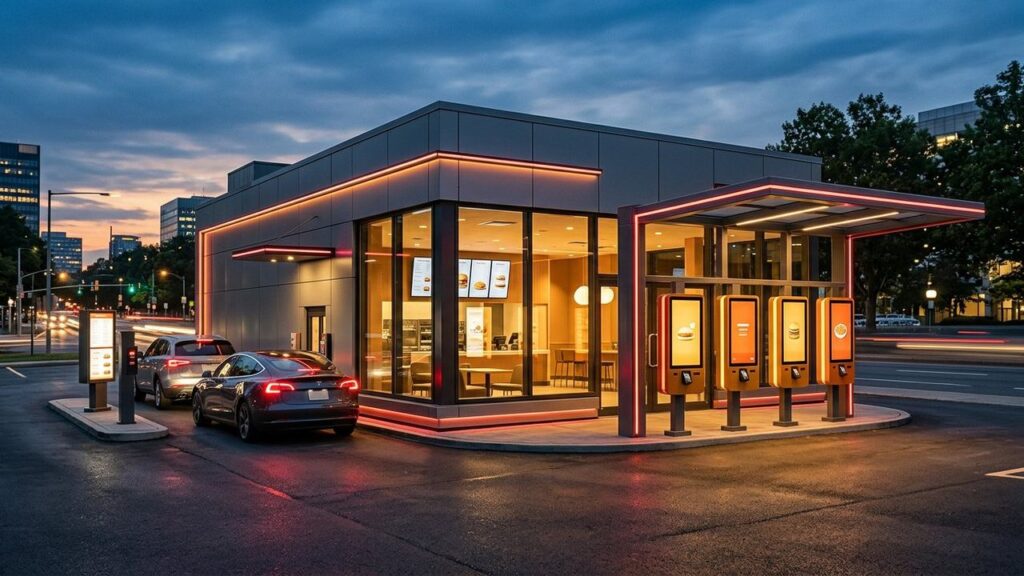
Few global retail brands have adapted across generations, economic cycles, and vastly different cultural tastes as consistently as the Golden Arches. Examining McDonald’s market strategy reveals a disciplined fusion of mass-market value leadership, operational standardization, hyper-local menu innovation, and one of the largest digital loyalty ecosystems in consumer retail. Anchored around its Accelerating the Arches framework, McDonald’s market strategy proves how a legacy quick-service giant converts everyday affordability, rapid drive-thru speed, and personalized app engagement into sustained global dominance.
In 2026, quick-service restaurants face intense pressure from inflation-weary families, delivery-native competitors, and fast-casual chains fighting for every meal occasion. Breaking down how McDonald’s market strategy segments demographic, geographic, and technographic audiences, while scaling toward 50,000 worldwide restaurants and 250 million active loyalty members, delivers practical strategic lessons for retail executives, franchise operators, and brand marketers everywhere.
The Core Framework Driving McDonald’s Market Strategy Today
At the center of modern McDonald’s market strategy sits the Accelerating the Arches playbook, organized tightly around three reinforcing pillars known internally as M-C-D: Maximize our Marketing, Commit to the Core, and Double Down on the 4Ds (Delivery, Digital, Drive Thru, and Restaurant Development). Rather than chasing distracting culinary fads that slow down kitchen throughput, McDonald’s market strategy focuses relentlessly on core classics including burgers, chicken, fries, breakfast, and beverages, amplified by cultural storytelling and unmatched physical convenience.
This clarity protects restaurant-level unit economics across both company-operated locations and thousands of independent franchisees. When McDonald’s market strategy lifts guest frequency and average check efficiency simultaneously, franchise profitability rises, fueling faster remodel cycles and aggressive new store development targeting 50,000 global restaurants by the end of 2027.
Pillar One Maximize Our Marketing With Cultural Moments and Value
Instead of running generic product commercials, McDonald’s market strategy turns everyday menu bundles into viral cultural events. Celebrity collaborations, nostalgia collectibles, and pop-culture tie-ins such as themed character meals spark organic social buzz among Gen Z and millennial audiences, while structured value platforms like McValue 2.0, under-$3 menu options, and $4 breakfast bundles protect affordability perception for budget-conscious households.
Pillar Two Commit to the Core Menu Platform
Roughly two-thirds of systemwide demand flows through iconic core items. McDonald’s market strategy continuously upgrades those foundational platforms rather than bloating kitchen complexity. Initiatives such as Best Burger, which rolls out warmer, juicier patties, softer buns, and caramelized onions across more than 85 markets and reaches nearly full global rollout in 2026, paired with permanent international scaling of larger craveable burgers like the Big Arch and expanding chicken and specialty beverage lines defend market share without slowing service timers.
Pillar Three Double Down on the 4Ds of Omnichannel Convenience
Modern convenience means meeting customers wherever hunger strikes. Through the 4Ds inside McDonald’s market strategy, the brand integrates high-speed Drive Thru lanes (present across roughly 95 percent of U.S. restaurants), first-party and third-party Delivery spanning over 8,000 restaurants across 47 plus countries, Digital mobile ordering, and disciplined new Development in high-growth international hubs such as China. Franchise analysts modeling unit volume targets alongside store overhead often pair throughput benchmarks with a break-even calculator.
Target Market Segmentation Inside McDonald’s Market Strategy
Although the brand appeals broadly across age groups, McDonald’s market strategy never treats all guests as one uniform mass audience. Instead, McDonald’s market strategy slices demand cleanly across demographic needs, meal occasions, and digital ordering behaviors so every channel converts smoothly.
| Target Segment | Core Customer Needs | Primary Menu and Value Hook | Preferred Ordering Channel |
|---|---|---|---|
| Budget-Conscious Families | Predictable cost, kid-friendly meals, fast car service | Happy Meals, McValue bundles, family share boxes | Suburban drive-thru and mobile pickup |
| Time-Poor Commuters | Morning speed, consistent coffee, reliable hot food | $4 breakfast deals, McCafe coffee, Egg McMuffin | Drive-thru and Ready On Arrival mobile app |
| Gen Z and Young Adults | Cultural relevance, late-night snacks, digital rewards | Limited-time cultural meals, crispy chicken, specialty drinks | MyMcDonald’s app and third-party delivery |
| Value-Driven Seniors and Walk-Ins | Affordable everyday classics, simple ordering comfort | Under-$3 value menu, coffee refills, familiar classics | In-store kiosks and counter service |
| International Urban Diners | Global brand quality tailored to local flavors | Region-specific burgers, rice bowls, halal or vegetarian menus | Local super-apps, kiosks, first-party delivery |
How Technographic Channel Design Powers McDonald’s Market Strategy
One of the smartest differentiators in modern McDonald’s market strategy is technographic segmentation, which engineers distinct physical and digital touchpoints tailored to how comfortable each customer feels with technology.
| Ordering Channel | Primary Customer Behavior | Strategic Role in McDonald’s Market Strategy |
|---|---|---|
| MyMcDonald’s Mobile App | Frequent loyalty members seeking points and custom deals | Lifts annual visits from 10.5 to 26 per customer (2.5x rate) |
| Ready On Arrival Geofencing | High-frequency mobile commuters picking up curbside or drive-thru | Triggers pre-assembly before arrival to cut wait times and serve hotter food |
| Drive-Thru Lanes | Suburban families and daily motorists prioritizing zero exit | Backbone revenue engine spanning ~95% of U.S. stores |
| In-Store Self-Order Kiosks | Walk-in diners and lower-tech browsers customizing items visually | Raises order accuracy, frees counter labor, drives gentle visual upsells |
| First-Party and Partner Delivery | Urban dinners, groups, and late-night convenience orders | Shifts orders toward higher-margin first-party app delivery (30% target by 2027) |
Digital Loyalty as the Profit Engine of McDonald’s Market Strategy
The single most transformative asset inside modern McDonald’s market strategy is direct first-party customer data captured through MyMcDonald’s Rewards. When Accelerating the Arches launched in 2020, the company tracked roughly 20 million digital customers. By the close of 2025, McDonald’s had scaled to nearly 210 million 90-day active loyalty users across 70 global markets, generating roughly $37 billion in systemwide loyalty member sales while marching rapidly toward its 250 million active user target by late 2027.
Turning Casual Diners Into High-Frequency Regulars
Data proves why digital transformation dominates McDonald’s market strategy investments. Loyalty program participation pushes average annual customer frequency from roughly 10.5 visits up to 26 visits per year, more than doubling visit cadence while unlocking personalized offers that replace blunt across-the-board paper coupons. When a guest regularly orders iced coffee at 8 a.m., the app nudges a targeted breakfast pairing rather than discounting items the customer would already buy at full price.
Operational Technology That Protects Speed Under Digital Load
Digital volume can clog kitchens if mobile orders flood screens simultaneously. McDonald’s market strategy solves that operational risk with Ready On Arrival geofencing, which alerts kitchen crews as a mobile customer approaches the restaurant so fries drop fresh and bags stay hot right as the driver pulls up. Pairing customer convenience with real-time kitchen pacing safeguards throughput during peak lunch rushes.
Glocalization Balancing Global Standards With Local Menus
Operating across more than 100 countries requires balancing rock-solid operational consistency with cultural authenticity, a formula business schools call glocalization. Under McDonald’s market strategy, kitchen equipment standards, food safety protocols, supply chain auditing, and speed metrics remain remarkably uniform worldwide, while menus flex boldly around regional palates, religious dietary laws, and local dining traditions.
Examples of Localized Menu Innovation Strengthening McDonald’s Market Strategy
Menu localization prevents global brand fatigue and unlocks massive international store expansion, particularly in priority growth markets like China and India.
- In India, McDonald’s market strategy respects local dietary preferences through separate vegetarian and non-vegetarian kitchen prep zones alongside localized staples like the McAloo Tikki and McSpicy Paneer.
- Across East Asia and China, the brand’s top international expansion engine, localized rice dishes, spicy chicken sandwiches, matcha desserts, and seamless super-app mobile ordering accelerate daily urban frequency.
- In European markets such as the United Kingdom, France, and Germany, McDonald’s market strategy elevates McCafe bakery offerings, premium specialty beef platforms like the Big Arch, and sustainability-focused packaging commitments.
- In Middle Eastern and Southeast Asian markets, certified halal sourcing, regional breakfast plates, and localized spice profiles make McDonald’s feel authentically rooted in everyday neighborhood routines.
Value Leadership and Pricing Discipline Under Inflation Pressure
Economic inflation tests every quick-service brand because low-income and middle-income diners cut discretionary restaurant visits first whenever menu prices climb too sharply. McDonald’s market strategy tackles price sensitivity head-on through structured tiered value architecture rather than permanent margin-destroying discounting.
How Tiered Value Architecture Protects Both Traffic and Franchise Margins
By pairing highly visible entry-level anchors such as McValue 2.0 meal deals, under-$3 snack items, and $4 morning breakfast bundles with premium high-margin core upgrades, McDonald’s market strategy keeps cost-conscious families coming through the drive-thru while encouraging higher-income guests to trade up to larger combos, specialty drinks, or limited-edition cultural boxes. That barbell pricing structure defends guest traffic without sacrificing franchisee cash flow.
Franchise Economics, Real Estate Scale, and Supply Chain Resilience
Behind every headline marketing campaign inside McDonald’s market strategy stands an extraordinary real estate and franchising engine. Roughly 95 percent of global locations operate under franchise agreements in which corporate ownership often controls prime underlying land or long-term leases, collecting steady rent and royalty streams tied directly to restaurant sales. Because corporate revenue rises in lockstep with store-level guest demand, McDonald’s market strategy aligns headquarters investments closely with franchisee cash-flow resilience.
Scaling Toward 50,000 Global Restaurants by 2027
Few restaurant networks can execute rapid physical expansion while modernizing existing stores simultaneously. Under McDonald’s market strategy, global development targets reaching 50,000 restaurants by the end of 2027, heavily weighted toward high-growth international territories like China alongside smaller-format urban pickup and high-throughput drive-thru prototypes in mature Western markets. Standardized modular kitchen footprints trim construction timelines and accelerate payback periods for franchise developers.
Supply Chain Purchasing Power and Long-Term Brand Trust
Operating at global scale grants McDonald’s market strategy unmatched purchasing leverage across beef, potatoes, poultry, dairy, coffee, and paper packaging. Long-term collaborative supplier relationships stabilize ingredient quality across thousands of kitchens so a Big Mac or order of fries tastes predictably familiar from Dallas to Tokyo. Simultaneously, McDonald’s market strategy reinforces long-term consumer trust through transparent nutrition labeling, responsible sourcing commitments, and recycled fiber packaging upgrades tailored to local environmental regulations.
Capturing High-Margin Growth Across Chicken, Specialty Beverages, and Dayparts
Beyond iconic beef burgers, modern quick-service growth increasingly concentrates in chicken sandwiches, crispy strips, cold craft beverages, and afternoon snack occasions where Gen Z spending is expanding fastest. Within McDonald’s market strategy, scaling global chicken platforms and refreshing specialty coffee and cold beverage menus opens high-margin incremental visits without requiring separate real estate footprints. Because cold drinks and afternoon snacks utilize existing drive-thru lanes and kitchen labor during non-peak hours between lunch and dinner, expanding beverage and chicken attachment rates lifts store-level profit margins significantly.
Combining morning commuter breakfast dominance, family lunch and dinner reliability, afternoon beverage occasions, and late-night delivery availability allows restaurants to monetize every hour of the day. That full-daypart utilization is a quiet financial superpower inside McDonald’s market strategy, spreading fixed rent, kitchen equipment, and technology investments across far higher daily transaction counts than single-daypart competitors can achieve.
Pros and Cons of McDonald’s Market Strategy
Analyzing both the unmatched structural moats and real strategic vulnerabilities inside McDonald’s market strategy provides an objective blueprint for business strategists.
Strengths and Competitive Moats of McDonald’s Market Strategy
- Unrivaled real estate and drive-thru footprint spanning roughly 95 percent of U.S. stores delivers speed and convenience digital-only rivals struggle to match.
- Massive digital loyalty moat of nearly 210 million active users inside McDonald’s market strategy boosts annual visit frequency by roughly 2.5 times and yields rich first-party pricing intelligence.
- Disciplined Accelerating the Arches core focus keeps operations fast, scalable, and replicable across franchisees targeting 50,000 global units.
- Proven glocalization blends standardized global supply-chain economies of scale with culturally relevant regional menus across 100 plus markets.
Risks and Competitive Pressures Facing McDonald’s Market Strategy
- Sustained wage inflation and commodity swings squeeze franchisees whenever value-menu pricing inside McDonald’s market strategy cannot adjust smoothly alongside rising restaurant operating costs.
- Fast-casual chains and specialty coffee or chicken rivals continuously challenge quality perceptions among higher-income urban diners.
- Balancing franchisee autonomy with rapid corporate investments in app technology, remodels, and value promotions requires delicate ongoing alignment across McDonald’s market strategy.
- Growing consumer scrutiny around nutrition transparency and packaging sustainability demands continuous menu and operational evolution within McDonald’s market strategy.
Key Lessons Retailers Can Apply From McDonald’s Market Strategy
You do not need 40,000 storefronts to apply the sharpest principles behind McDonald’s market strategy. First, protect your core bestsellers relentlessly instead of drowning operations in sprawling SKUs. Second, build a genuine first-party loyalty program that converts occasional buyers into habitual regulars via relevant, personalized nudges. Third, engineer every physical and digital channel around real customer friction, whether through faster pickup, clearer kiosk interfaces, or tiered value bundles that welcome budget-minded shoppers while offering natural trade-up options.
FAQ’s
What is the main focus of McDonald’s market strategy in 2026?
McDonald’s market strategy in 2026 centers on Accelerating the Arches by combining structured everyday value like McValue 2.0, core burger and chicken quality upgrades, cultural marketing moments, and rapid expansion across Digital loyalty, Delivery, Drive Thru, and new global restaurants.
Who is the primary target market in McDonald’s market strategy?
McDonald’s market strategy targets mass-market everyday diners segmented into budget-conscious families, time-poor commuters, Gen Z and millennial cultural buyers, walk-in value seekers, and localized international urban consumers.
How does the MyMcDonald’s loyalty program impact McDonald’s market strategy?
The loyalty program is a cornerstone growth engine inside McDonald’s market strategy, reaching nearly 210 million 90-day active members across 70 markets and raising average annual visits from roughly 10.5 to 26 per customer.
What are the 4Ds in McDonald’s market strategy?
The 4Ds in McDonald’s market strategy stand for Delivery, Digital, Drive Thru, and Restaurant Development, forming four connected convenience pillars designed to expand guest access and scale the brand toward 50,000 locations globally.
How does McDonald’s market strategy adapt to international countries?
McDonald’s market strategy uses glocalization, maintaining standardized global operations, safety controls, and service speed while customizing local menus, spice profiles, dietary offerings, and mobile payment ecosystems to fit each country’s culture.
Why does McDonald’s market strategy emphasize core menu items over constant new launches?
Focusing on core items like upgraded burgers, fries, breakfast classics, and chicken keeps kitchen execution fast, lowers supply-chain waste, simplifies staff training, and sustains stronger unit profitability for franchisees.
Conclusion
Studying McDonald’s market strategy reveals why disciplined execution beats noisy trend-chasing in modern retail. By anchoring every initiative to Accelerating the Arches and uniting everyday value platforms, continuous core menu upgrades, localized international menus, high-speed drive-thrus, and a 210-million-member digital loyalty engine, McDonald’s converts mass brand recognition into repeatable, high-frequency customer habits.
As the brand scales toward 50,000 restaurants and 250 million active loyalty members worldwide, McDonald’s market strategy remains a masterclass in turning operational simplicity, first-party data, and omnichannel convenience into enduring global market leadership.