
AC installation is a major decision that directly affects your home’s comfort, energy efficiency, and long-term costs. Whether you are replacing an old unit or...
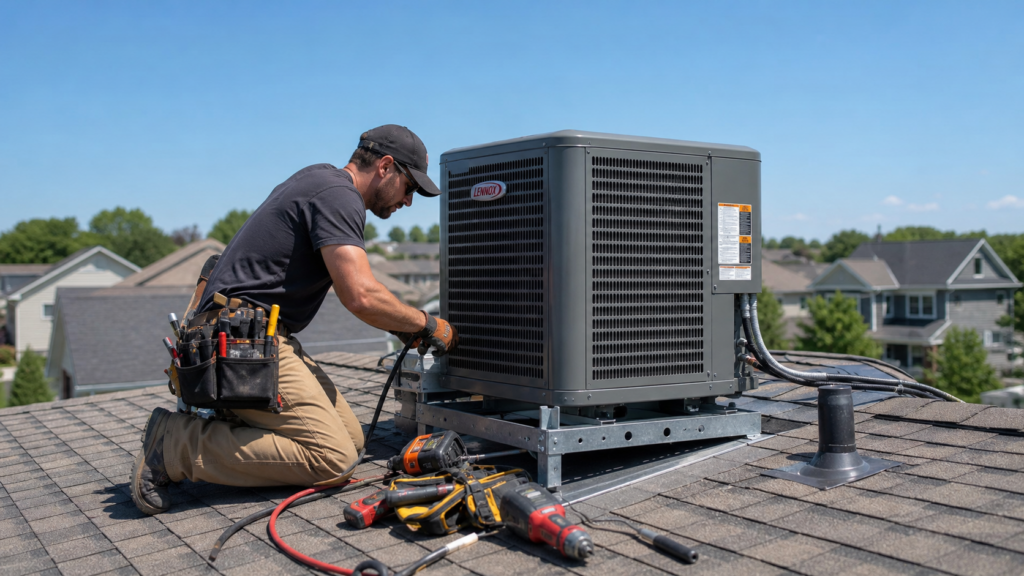
AC installation is a major decision that directly affects your home’s comfort, energy efficiency, and long-term costs. Whether you are replacing an old unit or installing air conditioning for the first time, choosing the right system and ensuring professional installation can mean the difference between years of reliable performance and frequent repairs. Proper AC installation improves indoor air quality, reduces energy consumption, and provides consistent cooling throughout your home.
Understanding Different Types of AC Systems
Before beginning any AC installation project, it is important to understand which system best suits your home:
- Central Air Conditioning: Uses ductwork to cool multiple rooms efficiently. Ideal for larger homes.
- Ductless Mini-Split Systems: Excellent for homes without existing ducts or for zoned cooling.
- Window Air Conditioners: Best for single rooms or small apartments with limited budgets.
- Portable Units: Offer flexibility but are generally less efficient for long-term use.
- Heat Pumps: Provide both heating and cooling, making them a versatile year-round solution.
A qualified HVAC professional can assess your home’s size, layout, insulation, and climate to recommend the most suitable system.
Key Factors to Consider Before AC Installation
Several important elements impact the success of your AC installation:
- Proper Sizing: An undersized unit will run constantly, while an oversized system cycles too frequently, reducing efficiency and comfort.
- SEER Rating: Higher Seasonal Energy Efficiency Ratio ratings mean better energy savings over time.
- Ductwork Condition: Existing ducts must be properly sealed and insulated for optimal performance.
- Location and Placement: Outdoor units need adequate clearance for airflow and protection from direct sunlight.
- Local Building Codes: Professional installers ensure compliance with all regional regulations and permitting requirements.
The Professional AC Installation Process
A quality AC installation follows a systematic approach:
- Load Calculation: Measuring your home’s cooling requirements using Manual J calculations.
- System Selection: Choosing the right capacity and efficiency level.
- Removal of Old Equipment: Safe disconnection and disposal of existing units.
- New System Installation: Precise placement, electrical connections, and refrigerant lines.
- Ductwork Modifications: Sealing and insulation where needed.
- Testing and Commissioning: Verifying proper operation, airflow, and refrigerant levels.
- Customer Education: Explaining maintenance requirements and warranty terms.
Average Cost of AC Installation
Costs vary significantly based on system type, home size, and complexity. On average, homeowners can expect to invest between $4,000 and $12,000 for a complete central AC installation. Ductless mini-split systems typically range from $3,000 to $8,000 per zone. These figures include equipment, labor, and basic electrical or ductwork modifications.
Factors that influence final pricing include brand reputation, energy efficiency rating, and any necessary upgrades to electrical panels or ductwork.
The table below shows typical cost ranges:
| System Type | Average Cost Range | Best For | Energy Efficiency |
|---|---|---|---|
| Central Air Conditioning | $4,000 – $12,000 | Whole-house cooling | High |
| Ductless Mini-Split | $3,000 – $8,000 per zone | Zoned cooling, additions | Very High |
| Heat Pump System | $4,500 – $10,000 | Year-round comfort | High |
| Window or Portable Units | $150 – $800 per unit | Single rooms, temporary use | Moderate |
Common Mistakes to Avoid During AC Installation
Many homeowners unintentionally reduce system performance by choosing the cheapest installer or focusing only on upfront cost. Other frequent errors include improper sizing, poor outdoor unit placement, and skipping important steps like duct sealing. Working with licensed, experienced professionals helps prevent these costly mistakes and protects your warranty coverage.
Maintenance Tips After Installation
Once your new AC installation is complete, simple routine maintenance will keep it running efficiently. Change air filters every 1–3 months, schedule annual professional tune-ups, keep the outdoor unit clear of debris, and maintain proper insulation in your home. These steps can significantly extend the life of your system and reduce operating costs.
Frequently Asked Questions
How long does professional AC installation typically take?
Most residential AC installations are completed in one to three days, depending on the complexity of the project and any required modifications.
Should I replace my AC unit or just repair it?
If your current system is over 10–12 years old and requires frequent repairs, a new energy-efficient AC installation is usually more cost-effective in the long run.
Does AC installation require a permit?
Yes. Most municipalities require permits for new AC installation to ensure compliance with local building and energy codes.
Can I install my own air conditioner?
Professional installation is strongly recommended. Improper installation can void manufacturer warranties and significantly reduce system efficiency and safety.
What size AC unit does my home need?
Proper sizing requires a professional Manual J load calculation that considers square footage, insulation, windows, climate, and ceiling height.
How much can I save with a high-efficiency AC installation?
Energy-efficient systems with high SEER ratings can reduce cooling costs by 20 to 40 percent compared to older, less efficient units.
Conclusion
A properly planned and professionally executed AC installation delivers reliable comfort, improved energy efficiency, and better indoor air quality for years to come. By understanding your options, working with qualified technicians, and focusing on correct sizing and quality equipment, you can avoid common problems and maximize your return on investment. Taking time to choose the right system and installer ensures your home stays cool and comfortable through even the hottest seasons.