
Agriculture has always been one of the most important industries in the world, providing food, employment, and economic opportunities for millions of people. However, modern...
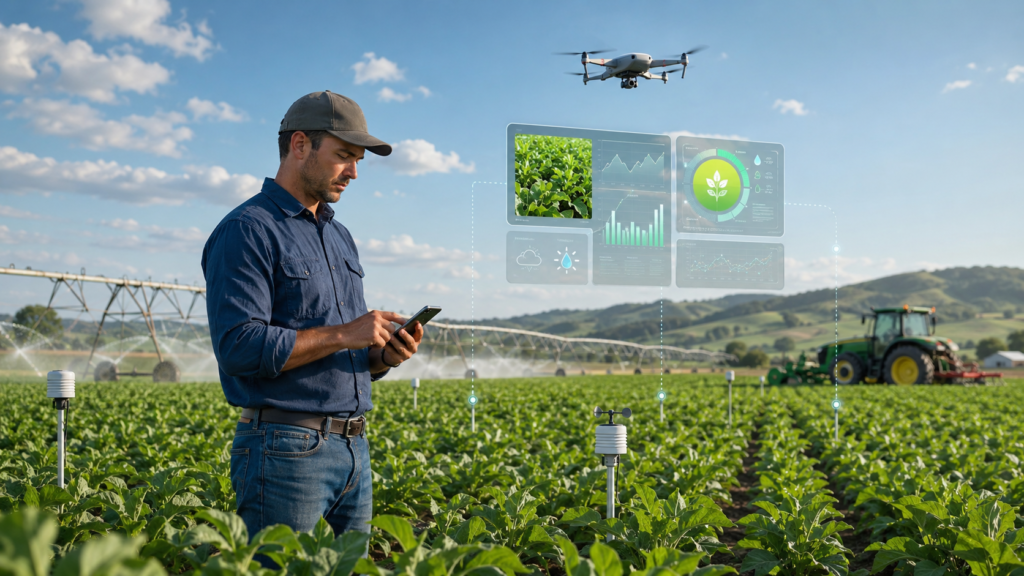
Agriculture has always been one of the most important industries in the world, providing food, employment, and economic opportunities for millions of people. However, modern farming faces several challenges, including climate changes, resource management issues, increasing demand, and the need for higher productivity.
Technology is helping farmers overcome these challenges by introducing smarter and more efficient farming methods. An agriculture app development company helps businesses, farmers, and agribusiness organizations create digital solutions that simplify farm management, improve decision-making, and increase agricultural productivity.
Agriculture applications are no longer limited to basic farm records. Modern agricultural apps use advanced technologies such as artificial intelligence, Internet of Things (IoT), GPS tracking, cloud computing, and data analytics to provide real-time insights. These solutions help farmers monitor crops, manage resources, track equipment, and improve overall operations.
Why Agriculture Apps Are Becoming Essential
Traditional farming methods often depend on manual processes and personal experience. While experience remains valuable, modern agriculture requires accurate data and faster decision-making.
Agriculture apps provide farmers and businesses with digital tools that help them manage daily operations more effectively.
These applications support activities such as:
- Crop monitoring
- Weather tracking
- Soil analysis
- Irrigation management
- Equipment tracking
- Supply chain management
- Market price monitoring
By using digital farming solutions, agricultural businesses can reduce waste, optimize resources, and improve profitability.
What Does an Agriculture App Development Company Do?
An agriculture app development company specializes in designing and developing digital platforms specifically for farming and agricultural businesses.
These companies create customized applications based on different agricultural requirements, including farm management, marketplace solutions, crop monitoring, and smart farming systems.
The development process usually includes:
- Business requirement analysis
- UI/UX design
- Mobile app development
- Backend development
- Database integration
- IoT and AI integration
- Testing and maintenance
A professional development partner ensures that the application is scalable, secure, and suitable for real-world farming environments.
Types of Agriculture Apps Developed for Modern Farming
Agriculture technology covers a wide range of solutions. Different farming businesses require different applications based on their operations and goals.
Farm Management Applications
Farm management apps help farmers organize and monitor daily activities from a single platform.
These applications can manage:
- Crop planning
- Farm tasks
- Labor management
- Expense tracking
- Harvest schedules
- Resource allocation
By replacing manual records with digital systems, farmers can improve accuracy and save valuable time.
Crop Monitoring Applications
Crop monitoring apps allow farmers to track plant health and field conditions.
These apps can provide information about:
- Crop growth
- Soil conditions
- Pest risks
- Disease detection
- Weather impact
Real-time monitoring helps farmers identify problems early and take corrective action.
Smart Irrigation Applications
Water management is one of the biggest challenges in agriculture. Smart irrigation apps help optimize water usage through technology.
These solutions can integrate with:
- Soil moisture sensors
- Weather data
- Automated irrigation systems
Farmers can deliver the right amount of water at the right time, reducing waste and improving crop health.
Agriculture Marketplace Applications
Agriculture marketplace apps connect farmers with buyers, suppliers, and service providers.
These platforms help with:
- Product listings
- Price transparency
- Online transactions
- Supply chain management
- Direct customer connections
Digital marketplaces help farmers access better business opportunities.
Livestock Management Applications
Livestock management apps help farmers monitor animal health and productivity.
Features may include:
- Health records
- Feeding schedules
- Breeding information
- Veterinary tracking
- Productivity reports
These solutions improve livestock management efficiency.
Key Features of Agriculture Mobile Applications
A successful agriculture application requires features that solve real farming challenges.
User-Friendly Dashboard
Farmers need simple interfaces that provide important information quickly.
A dashboard may include:
- Weather updates
- Crop status
- Farm activities
- Alerts
- Reports
Easy navigation is especially important because users may have different levels of technical experience.
Weather Forecast Integration
Weather conditions directly affect farming decisions.
Weather-based features help farmers plan:
- Planting schedules
- Irrigation
- Harvesting
- Pest control
Accurate weather information helps reduce farming risks.
GPS and Field Mapping
GPS technology helps farmers manage large agricultural areas efficiently.
Field mapping features can support:
- Land monitoring
- Location tracking
- Crop planning
- Resource allocation
AI-Based Crop Analytics
Artificial intelligence helps analyze agricultural data and provide useful recommendations.
AI solutions can assist with:
- Crop prediction
- Disease identification
- Yield forecasting
- Farming recommendations
Data Analytics and Reports
Agriculture apps collect valuable information that can improve decision-making.
Analytics features help businesses understand:
- Production trends
- Resource usage
- Expenses
- Farm performance
Benefits of Hiring an Agriculture App Development Company
Working with experienced developers provides several advantages for agricultural businesses.
Improved Farming Efficiency
Digital applications reduce manual work and automate repetitive tasks.
Farmers can manage operations faster and make better decisions.
Better Resource Management
Agriculture apps help optimize:
- Water usage
- Fertilizers
- Equipment
- Labor
Efficient resource management reduces costs and improves productivity.
Increased Crop Productivity
Data-driven insights help farmers understand crop conditions and improve farming strategies.
Better monitoring can lead to healthier crops and improved yields.
Real-Time Decision Making
Farmers no longer need to rely only on assumptions. Real-time data allows them to respond quickly to changing conditions.
Business Growth Opportunities
Agriculture businesses can use digital platforms to expand services, connect with customers, and improve operations.
Role of Advanced Technologies in Agriculture Apps
Modern agricultural applications are powered by advanced technologies that make farming smarter and more efficient.
Artificial Intelligence in Agriculture
AI helps analyze large amounts of farming data and provide predictive insights.
Applications include:
- Crop disease detection
- Yield prediction
- Smart recommendations
- Automated decision support
Internet of Things (IoT)
IoT devices collect real-time information from farms.
Examples include:
- Soil sensors
- Weather sensors
- Smart irrigation systems
- Equipment monitoring devices
Drone Technology
Drones provide aerial information about farms.
They help with:
- Crop inspection
- Field analysis
- Plant health monitoring
- Agricultural mapping
Cloud-Based Agriculture Platforms
Cloud technology allows farmers and businesses to store and access data securely.
Benefits include:
- Remote access
- Data management
- Scalability
- Better collaboration
Agriculture App Development Process
Building a successful farming application requires a structured development approach.
Requirement Analysis
The first step is understanding business goals, farming challenges, and target users.
Developers identify:
- Required features
- Technology needs
- User expectations
- Project goals
UI/UX Design
Agriculture apps should have simple and practical designs.
Good design focuses on:
- Easy navigation
- Clear information display
- Mobile-friendly interfaces
- User accessibility
Development Stage
Developers build the application using suitable technologies and integrate required features.
This stage includes:
- Frontend development
- Backend development
- Database setup
- API integration
Testing and Launch
Before launch, applications are tested for:
- Performance
- Security
- Reliability
- User experience
Continuous improvements help maintain application quality after release.
Challenges in Agriculture App Development
Developing agricultural applications requires understanding both technology and farming operations.
Common challenges include:
Rural Connectivity Issues
Some farming areas have limited internet access, requiring applications that support offline functionality.
Data Accuracy
Agricultural decisions depend on accurate information from sensors, weather systems, and analytics.
User Adoption
Farmers may require simple interfaces and training to effectively use digital tools.
Integration Complexity
Combining multiple technologies such as IoT devices, GPS systems, and analytics platforms requires technical expertise.
How to Choose the Right Agriculture App Development Company
Selecting the right technology partner is important for project success.
Consider these factors:
Industry Experience
Choose a company that understands agriculture workflows and farming challenges.
Technical Expertise
The development team should have experience with:
- Mobile applications
- AI solutions
- IoT integration
- Cloud platforms
- Data analytics
Custom Development Approach
Every agricultural business has unique requirements. A customized solution provides better results than a generic application.
Long-Term Support
A reliable development partner should provide maintenance, updates, and technical support after launch.
Future of Agriculture Mobile Applications
The future of farming will become increasingly connected and technology-driven.
Future agriculture applications may include:
- Advanced AI farming assistants
- Autonomous farm equipment integration
- Predictive analytics
- Robotics management
- Blockchain-based supply chains
- Smart farming automation
As technology continues to evolve, agriculture apps will play a major role in creating more productive and sustainable farming systems.
Frequently Asked Questions (FAQs)
What is an agriculture app development company?
An agriculture app development company creates digital farming solutions that help farmers and businesses manage crops, resources, equipment, and agricultural operations.
Why should farmers use agriculture mobile applications?
Agriculture apps help farmers monitor crops, manage resources, access real-time data, and improve decision-making.
What features should an agriculture app include?
Important features include crop monitoring, weather updates, GPS tracking, farm management tools, analytics, and marketplace functionality.
How much does it cost to develop an agriculture app?
The cost depends on features, technology requirements, platform choice, and project complexity.
How does AI help agriculture applications?
AI helps analyze farming data, predict crop conditions, detect diseases, and provide smarter recommendations.
Conclusion
Technology is transforming agriculture by making farming more efficient, data-driven, and sustainable. Digital solutions allow farmers and agricultural businesses to overcome traditional challenges while improving productivity and resource management.
Partnering with an experienced agriculture app development company enables businesses to build customized applications that support modern farming needs. From crop monitoring and smart irrigation to marketplace platforms and AI-powered analytics, agriculture apps are creating new opportunities for the future of farming.
As the agricultural industry continues to adopt digital innovation, businesses that invest in smart farming solutions will be better prepared to improve efficiency, reduce costs, and achieve long-term growth.
Pingback: Foxglove Gumshoe: 7 Proven Secrets Behind the Mystery Phrase
Pingback: LavaVitae: 7 Proven Ways to Unlock Natural Everyday Healing
Pingback: Wisconsin Field to Fork Cookbook: 7 Best Secrets of Farm Food