
If you’re getting a home ready for the market, the bathroom can quietly shape a buyer’s opinion faster than you’d expect. In places like New...
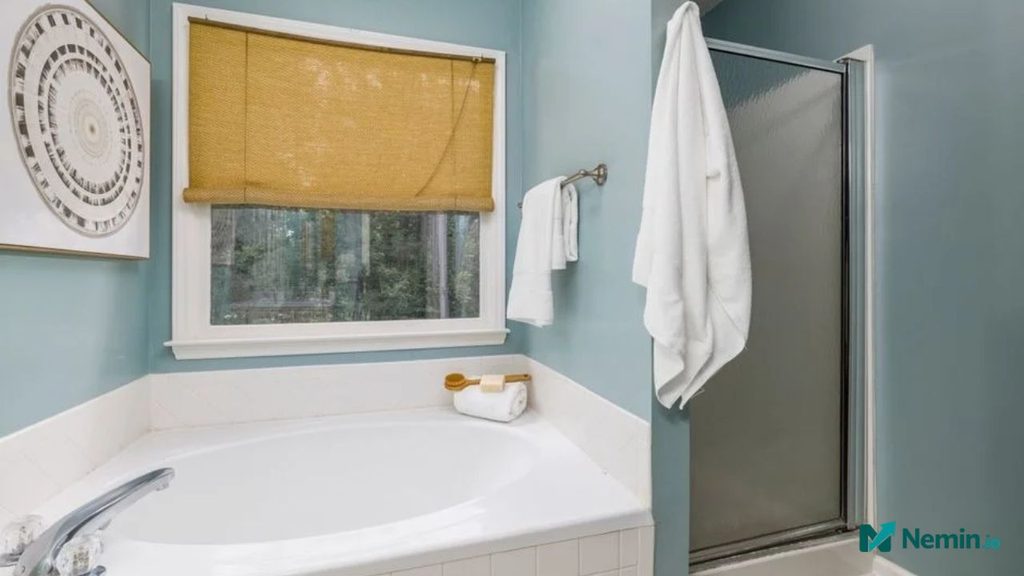
If you’re getting a home ready for the market, the bathroom can quietly shape a buyer’s opinion faster than you’d expect. In places like New Orleans, where humidity, older housing stock, and storm-related wear can all affect interiors, bathroom condition carries even more weight. Buyers notice grime, dated fixtures, and signs of moisture almost instantly. A smart bathroom upgrade plan can help you avoid overspending while still making the space feel cleaner, newer, and easier to trust.
Why bathrooms influence buyers so quickly
You can have a great kitchen, solid curb appeal, and fresh paint, yet a tired bathroom still pulls attention in the wrong direction. Buyers read bathrooms almost like inspection reports with mirrors. They look for stains, cracked tile, old caulk, weak water pressure, and anything that hints at hidden moisture damage.
A bathroom also feels personal. If it looks hard to clean or expensive to fix, buyers may mentally subtract money from their offer before they even reach the next room. That reaction matters in competitive listings where hesitation can cost momentum.
What stands out most often:
– Outdated shower surrounds
– Damaged grout or caulk
– Poor lighting
– Worn vanities
– Lack of storage
– Ventilation issues
A polished bathroom signals maintenance, not just style. That’s a strong message in any real estate market.
Focus on visible wear before chasing design trends
You don’t need a spa-worthy remodel with rainfall fixtures and a chandelier trying way too hard. You need a bathroom that feels clean, durable, and current enough that buyers won’t add it to their post-closing headache list.
Visible wear creates the biggest drag on perceived value. Yellowing surrounds, chipped tubs, rust marks, and mildew around seams can make a decent bathroom feel neglected. On the flip side, neutral finishes and fresh surfaces usually land well because they let buyers picture their own routines in the space.
Start with practical fixes:
– Replace broken or dated hardware
– Re-caulk tubs and showers
– Repair water-damaged trim
– Improve lighting brightness and color
– Deep-clean grout and glass
These aren’t flashy upgrades, but they improve buyer confidence. In resale prep, confidence is half the battle.
The shower often carries more value than sellers expect
In many bathrooms, the shower is the visual anchor. It takes up a lot of sightline real estate, and buyers tend to inspect it closely. If the enclosure looks old, cramped, or hard to maintain, the whole room can feel older than it really is.
That’s where a targeted shower replacement can make sense, especially in a market where buyers want updates without inheriting immediate renovation work. A replacement can improve appearance, simplify maintenance, and reduce concerns about aging materials or water intrusion.
This doesn’t mean every seller should rip out a functioning shower. It means you should evaluate whether the current one helps or hurts first impressions. If the answer is “hurts,” buyers will likely notice too.
A shower that looks clean, modern, and easy to maintain tends to photograph better as well, which matters online before anyone schedules a showing.
Choose upgrades that support resale, not your personal wishlist
It’s easy to make upgrade choices based on what you’d enjoy if you were staying. Selling requires a different filter. You’re aiming for broad appeal, low visual friction, and a finish level that matches the rest of the house.
For example, if the home is mid-range, a hyper-luxury bathroom can look oddly out of sync. Buyers may appreciate it, but they may not pay enough extra to cover the spend. Balanced updates usually perform better than dramatic ones.
Keep your selections practical:
– Simple tile patterns
– Matte black, chrome, or brushed nickel hardware
– Easy-clean surfaces
– Frameless or streamlined shower designs where appropriate
– Vanity mirrors with good light reflection
Think less “statement piece,” more “well-kept and ready.” A buyer should walk in and feel relief, not decision fatigue.
Moisture control and ventilation matter more than aesthetics alone
A beautiful bathroom loses credibility fast if it smells damp or shows signs of poor airflow. Buyers may not know building science, but they know when a room feels humid, stale, or suspiciously recently painted.
Bathrooms deal with daily moisture loads, and weak ventilation can lead to mold spots, peeling paint, warped trim, and musty odors. In older homes especially, those details can trigger concern about what’s behind the walls.
Address the basics before listing:
– Test the exhaust fan
– Clean vent covers
– Check for soft drywall or trim
– Repaint with bathroom-appropriate paint if needed
– Replace moldy caulk
– Inspect around the shower base and corners
This is the unglamorous side of prep, but buyers care. A bathroom that looks dry, smells fresh, and functions properly sends a stronger signal than trendy finishes alone ever could.
Small details can change the showing experience
Once the major condition issues are handled, details start doing real work. These are the things buyers absorb without always naming them. A towel bar placed correctly, a mirror that reflects light well, or a vanity with functional storage can make the room feel more usable.
Showing-ready bathrooms should feel calm and straightforward. You want enough styling to look lived-in, but not so much that it reads staged within an inch of its life.
Helpful finishing touches include:
– Matching white towels
– A clean shower curtain or spotless glass
– Minimal countertop items
– Warm but bright lighting
– Fresh bath mats
– One or two subtle accessories, not ten
Even scent matters. Skip heavy fragrances and aim for clean air. No buyer wants to wonder what the candle is trying to cover up.
Budget with realism and local buyer expectations in mind
Not every bathroom project delivers the same return, and not every neighborhood rewards the same level of finish. You’ll get better results when your upgrades match local pricing, home age, and buyer expectations.
In some markets, buyers expect turnkey bathrooms. In others, they’ll tolerate dated finishes if the room is clean and functional. Your agent, local comps, and recent listings can help you gauge where your property sits on that spectrum.
When deciding what to spend, ask:
– Will this fix a visible problem?
– Will buyers notice it immediately?
– Does it reduce maintenance concerns?
– Does it fit the price point of the home?
– Will it improve listing photos and showings?
That approach keeps you from overspending on low-impact upgrades. Smart prep isn’t about doing everything. It’s about removing objections before buyers turn them into discounted offers.
Final thoughts on making bathroom updates count
If you’re preparing a home for sale, bathroom upgrades work best when they solve real problems and improve first impressions at the same time. Buyers want clean lines, solid upkeep, and fewer repair questions hanging in the air.
You don’t need a magazine-perfect remodel. You need a bathroom that feels trustworthy, bright, and easy to live with. Focus on wear, moisture, lighting, and the shower area first. Then layer in simple finishing details that help the room show well.
The goal is pretty practical: help buyers walk in, relax, and keep picturing themselves in the house. Once that happens, you’re no longer selling tile and fixtures. You’re selling ease, which tends to move homes faster than fancy upgrades ever will.