
When your heating or hot water stops working unexpectedly, choosing these boiler cover plan here can help you avoid sudden repair stress, emergency call-out confusion, and unexpected...
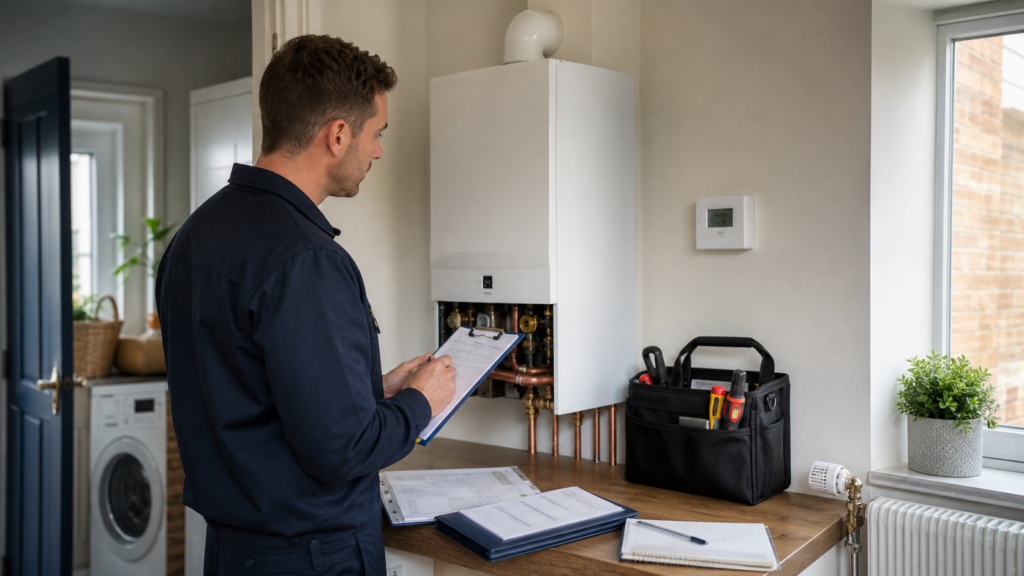
When your heating or hot water stops working unexpectedly, choosing these boiler cover plan here can help you avoid sudden repair stress, emergency call-out confusion, and unexpected boiler maintenance costs. A boiler is one of the most important systems in a home, especially during colder months, so having the right cover in place can provide reassurance, structure, and faster support when something goes wrong.
A boiler cover plan is designed to help homeowners and landlords manage the risk of heating breakdowns. Instead of waiting for a fault and then trying to find an engineer at short notice, a cover plan usually gives access to boiler repair support, annual servicing, emergency assistance, and sometimes protection for controls, radiators, plumbing, electrics, drainage, or wider home emergency issues depending on the level selected.
However, not every plan is the same. Some boiler cover plans focus only on the boiler and controls, while others include central heating cover, annual boiler service, parts and labour, unlimited call-outs, landlord gas safety certificates, or wider home protection. Therefore, understanding what is included, what is excluded, and how the plan fits your property is essential before making a decision.
What Is a Boiler Cover Plan?
A boiler cover plan is a service or insurance-style arrangement that helps protect a homeowner or landlord if their boiler breaks down or develops a fault. Depending on the provider and plan level, it may include engineer call-outs, diagnosis, labour, replacement parts, annual servicing, and emergency support.
The main purpose is to reduce uncertainty. Boiler repairs can be inconvenient and costly, especially if the problem happens during winter or outside normal working hours. A cover plan gives you a clearer process to follow, so you know who to contact, what type of support may be available, and whether certain repair costs are included.
For many households, boiler cover is not only about repairs. It is also about prevention. Plans that include an annual boiler service can help keep the heating system running safely and efficiently. During a service, an engineer can inspect components, check performance, identify early warning signs, and help reduce the chance of future breakdowns.
Landlords may also value boiler cover because heating and hot water issues can affect tenant satisfaction and legal responsibilities. A plan that includes landlord-focused features, such as a gas safety certificate where applicable, can make property management more organised.
Why Boiler Cover Matters for Homeowners
A working boiler supports heating, hot water, comfort, hygiene, and daily routines. When it fails, the disruption can be immediate. Showers become difficult, radiators stop warming the property, and families may need temporary heating while repairs are arranged.
For homeowners, boiler cover can provide several practical benefits. First, it offers peace of mind. Instead of worrying about how to handle a breakdown, you have a plan in place. Second, it can make budgeting easier. Rather than facing a large repair bill all at once, you may pay a predictable monthly or annual amount. Third, it can support regular maintenance, which may help extend the useful life of the boiler.
Moreover, boiler faults are not always simple. A problem may involve pressure loss, ignition failure, a faulty pump, a damaged thermostat, a broken diverter valve, frozen condensate pipe, leaking component, or electrical control issue. Without expert assessment, it can be difficult to know what has gone wrong.
A boiler cover plan gives access to qualified heating support, which is especially important for gas boilers. Gas appliances should always be handled by properly qualified professionals because safety is a priority.
Key Features to Look for in a Boiler Cover Plan
Choosing the right boiler cover plan requires more than comparing monthly prices. A cheaper plan may seem attractive, but it may not include the level of protection you actually need. Therefore, it is important to review the details carefully.
Annual Boiler Service
An annual boiler service is one of the most valuable features of a boiler cover plan. It helps check that the boiler is operating safely, efficiently, and correctly. Regular servicing may also support manufacturer warranty requirements and help identify small problems before they become serious breakdowns.
During a service, an engineer may inspect the boiler, test safety controls, check for leaks, clean key components where needed, review flue performance, and confirm that the appliance is functioning properly. This can help improve reliability and reduce the risk of unexpected faults.
Boiler and Controls Cover
Basic boiler cover often includes the boiler itself and essential controls, such as programmers, room thermostats, and timers. This level may be suitable for homeowners who mainly want protection against boiler breakdowns and control faults.
However, it may not include the wider central heating system. Therefore, if your radiators, pipework, or heating circulation system are older or prone to issues, you may need a more complete plan.
Central Heating Cover
Central heating cover usually extends protection beyond the boiler to include radiators, valves, pipework, pumps, and other heating system elements. This can be useful because not every heating problem starts inside the boiler.
For example, radiators may stop heating properly because of air in the system, circulation issues, sludge buildup, faulty valves, or pump problems. If your plan only covers the boiler, some of these issues may not be included.
Parts and Labour
Parts and labour cover is important because the cost of boiler repairs often includes both the replacement component and the engineer’s time. If these are included, the plan may reduce the financial impact of a covered breakdown.
Still, it is important to check limits. Some plans may have maximum repair values, exclusions for older boilers, or restrictions on certain parts. Always review the policy wording or plan terms before relying on cover.
Call-Out Options
Some boiler cover plans include unlimited call-outs, while others may include a call-out fee or limit the number of visits. A plan with no call-out fee may cost more each month, but it can be useful if you want fewer unexpected charges. A plan with a call-out fee may reduce the monthly cost but require payment each time an engineer attends.
The right choice depends on your budget, boiler age, risk tolerance, and how much certainty you want.
Emergency Helpline
A 24/7 emergency helpline can be valuable when heating fails outside normal hours. Boiler breakdowns often happen when the system is working hardest, which may be during cold weather, evenings, weekends, or holidays.
Access to emergency support can help you report the issue quickly and understand the next steps. However, response times may vary depending on location, engineer availability, weather conditions, and demand.
Different Types of Boiler Cover Plans
Boiler cover plans can range from basic maintenance protection to wider home emergency support. Understanding the differences helps you choose a plan that matches your needs.
Basic Boiler Cover
Basic boiler cover usually focuses on the boiler and its controls. It is often suitable for newer boilers, smaller homes, or households that mainly want breakdown protection for the core heating appliance.
This type of plan may include an annual boiler service, parts and labour for covered faults, engineer attendance, and access to support. However, it may not include radiators, plumbing, drainage, electrics, or wider home systems.
Boiler and Heating Cover
A boiler and heating cover plan usually includes the boiler, controls, and central heating system. This may provide more complete protection for homeowners who want support for radiators, pipework, and heating circulation problems.
This level can be especially useful for older properties or homes where the central heating system has not been upgraded recently. Since heating problems can come from multiple points in the system, broader cover may offer better reassurance.
Home Cover
Home cover may include boiler protection, central heating, plumbing, electrics, and drainage. This type of plan is designed for homeowners who want a wider safety net for common household emergencies.
For example, a plumbing leak, electrical fault, blocked drain, or heating failure can all cause disruption. A broader home cover plan can reduce the need to arrange separate emergency services for each issue.
Total Home Emergency Cover
Total home emergency cover may include boiler, central heating, plumbing, electrics, drainage, home security, pest issues, or other emergency categories. This is often the most comprehensive option and may suit homeowners who want wide-ranging protection.
However, broader cover usually costs more. Therefore, it is important to compare the price against the actual risks in your property.
Boiler Cover for Landlords
Landlords have different priorities from owner-occupiers. A landlord must keep rental properties safe, habitable, and compliant with relevant responsibilities. Heating and hot water are essential for tenants, so boiler issues need prompt attention.
A landlord boiler cover plan may include annual servicing, emergency repair support, central heating protection, and in some cases a gas safety certificate. A gas safety certificate, often referred to as a CP12, is an important document for rental properties with gas appliances.
For landlords, the main benefits are speed, organisation, and reduced stress. Instead of scrambling to find help when a tenant reports a fault, a cover plan gives a clear route for arranging support. This can help protect tenant relationships and reduce vacancy risk caused by poor maintenance experiences.
In addition, regular servicing can create a clearer maintenance record. This may be useful when managing multiple properties or demonstrating responsible property care.
How Boiler Cover Supports Preventive Maintenance
Many people only think about their boiler when something goes wrong. However, prevention is usually better than emergency repair. A boiler cover plan that includes annual servicing encourages regular attention before faults become severe.
Preventive maintenance can improve safety and efficiency. A boiler working under strain may use more energy, produce inconsistent heat, or show warning signs such as unusual noises, pressure drops, repeated resets, or slow hot water response.
During servicing, an engineer may identify issues such as worn seals, blocked components, poor combustion, pressure problems, or early part failure. Addressing these issues early can help avoid more expensive repairs later.
Furthermore, maintenance can support boiler lifespan. While no plan can guarantee that a boiler will never fail, regular care can help the appliance perform better for longer.
What May Not Be Included in Boiler Cover
A common mistake is assuming boiler cover includes every possible problem. Most plans have exclusions, limits, and conditions. Understanding these details helps avoid disappointment later.
Common exclusions may include pre-existing faults, boilers above a certain age, faults caused by poor installation, sludge or scale damage, cosmetic repairs, accidental damage, parts that are obsolete, system upgrades, or repairs that exceed the boiler’s value. Some plans may require an initial inspection before full cover begins.
Additionally, not every plan includes plumbing, electrics, drainage, radiators, or landlord certificates. These features usually depend on the plan level.
Before choosing a plan, homeowners should read the terms carefully and ask questions if anything is unclear. Important points include repair limits, waiting periods, call-out fees, cancellation terms, parts availability, annual service timing, emergency definitions, and whether labour is fully included.
How to Choose the Right Boiler Cover Plan
The best boiler cover plan depends on the property, boiler age, household needs, and budget. Start by considering how important heating reliability is for your situation. A family home with young children, elderly residents, or people working from home may need faster and broader support than a property with fewer occupants.
Next, consider your boiler’s age and condition. A newer boiler may only need basic cover and annual servicing, while an older system may benefit from heating cover or broader home protection. However, older boilers may also face more exclusions, so checking eligibility is important.
You should also compare whether the plan includes a call-out fee. A lower monthly price may not always mean better value if you need to pay each time an engineer visits. On the other hand, if your boiler is reliable and recently serviced, a plan with a modest call-out fee may be more affordable.
Finally, review the provider’s engineer network, helpline availability, servicing process, claims procedure, and customer support. The value of boiler cover depends not only on what is promised but also on how smoothly support is delivered when needed.
Boiler Cover Versus Paying for Repairs Yourself
Some homeowners prefer to pay for repairs only when problems happen. This can make sense if the boiler is new, still under warranty, and regularly serviced. However, it can also create risk if a major fault occurs unexpectedly.
Pay-as-you-go repairs may involve finding an engineer, waiting for availability, paying diagnostic fees, buying parts, and covering labour costs. During peak winter demand, arranging urgent help may be harder and more expensive.
Boiler cover works differently by creating a planned support system. You pay a regular amount in exchange for included services and a defined repair process. This can make household budgeting easier and reduce uncertainty.
The better option depends on your financial comfort, boiler reliability, and preference for predictable costs. For many homeowners, the peace of mind offered by a cover plan is worth the monthly payment.
Signs You May Need Boiler Cover
Boiler cover may be worth considering if your boiler is no longer under manufacturer warranty, your heating system is older, you have experienced previous breakdowns, you want predictable maintenance costs, or you do not want to arrange emergency repairs independently.
It may also be useful if you rely heavily on heating and hot water, manage a rental property, or want an annual service included as part of a broader plan.
Warning signs that your boiler may need attention include unusual noises, frequent pressure loss, inconsistent hot water, radiators not heating properly, leaks, error codes, pilot light issues, rising energy bills, or repeated reset requirements. If these problems appear, servicing or repair may be needed before cover begins.
Why Annual Boiler Servicing Is Essential
Annual servicing is important even if the boiler appears to be working normally. A boiler can develop hidden issues that may not be obvious to the homeowner. Regular servicing helps maintain safety, efficiency, and reliability.
For gas boilers, safety checks are especially important. A qualified engineer can assess whether the appliance is burning fuel correctly and whether the flue is removing gases safely. This is not a task homeowners should attempt themselves.
Annual servicing may also help maintain warranty protection. Many boiler manufacturers require yearly servicing by a qualified professional to keep warranties valid. Missing services may create problems if a warranty claim is needed later.
In addition, a serviced boiler may run more efficiently. While servicing alone will not solve every energy issue, it can help the heating system perform as intended.
Common Boiler Problems Covered by Plans
The exact faults covered depend on the plan, but many boiler cover options may help with common breakdown issues. These can include loss of heating, no hot water, faulty controls, pressure problems, ignition failure, broken pumps, faulty valves, leaks from covered components, thermostat issues, and certain electrical or mechanical failures inside the boiler.
For central heating plans, cover may extend to radiator problems, circulation faults, motorised valves, pipework issues, or heating controls. Broader home plans may also include plumbing leaks, blocked drains, electrical faults, or emergency security issues.
Because coverage varies, homeowners should match their plan to the systems they want protected. If you only choose basic boiler cover, do not assume that every heating or household emergency is included.
FAQs
What is a boiler cover plan?
A boiler cover plan is a service or insurance-style arrangement that helps with boiler breakdowns, repairs, servicing, and emergency support. Depending on the plan, it may include parts, labour, call-outs, annual servicing, controls, central heating, or wider home emergency cover.
Is boiler cover worth it?
Boiler cover can be worth it if you want predictable costs, annual servicing, access to qualified engineers, and support during unexpected breakdowns. It is especially useful for older boilers, busy households, landlords, and people who prefer not to arrange emergency repairs themselves.
What does boiler cover usually include?
Boiler cover may include engineer call-outs, fault diagnosis, covered repairs, parts and labour, annual boiler servicing, boiler controls, and emergency helpline access. Higher-level plans may include central heating, plumbing, electrics, drainage, home security, or pest-related support.
Does boiler cover include an annual service?
Many boiler cover plans include an annual boiler service, but this depends on the provider and selected plan. It is important to check whether servicing is included, when it can be booked, and whether it is required to keep the plan valid.
What is the difference between boiler cover and central heating cover?
Boiler cover usually focuses on the boiler and controls. Central heating cover may include radiators, pipework, valves, pumps, and other heating system components. If you want wider heating protection, central heating cover may be more suitable.
Do landlords need boiler cover?
Landlords may benefit from boiler cover because rental properties require reliable heating and hot water. Landlord plans may also include annual servicing and gas safety certificate support, depending on the cover selected.
Are all boiler repairs covered?
No, not all repairs are covered. Plans may exclude pre-existing faults, very old boilers, sludge damage, scale damage, poor installation, obsolete parts, accidental damage, or repairs beyond certain limits. Always review the terms before choosing a plan.
How do I choose the best boiler cover plan?
Compare what is included, whether there is a call-out fee, if annual servicing is provided, whether parts and labour are covered, what exclusions apply, and whether you need boiler-only, central heating, landlord, or full home emergency protection.
Conclusion
A boiler cover plan can provide valuable protection for homeowners and landlords who want reliable heating support, predictable costs, annual servicing, and clearer help during breakdowns. Since the boiler plays such an important role in everyday comfort, choosing the right plan can reduce stress and help protect the home from heating and hot water disruption.
The best option depends on your property, boiler age, heating system condition, budget, and level of cover required. Some households may only need basic boiler and controls protection, while others may benefit from central heating cover or wider home emergency support. By reviewing inclusions, exclusions, call-out fees, servicing benefits, parts and labour terms, and landlord features carefully, you can choose a boiler cover plan that supports comfort, safety, and peace of mind throughout the year.