
Public health guidance makes one point very clear: cleaning with soap or detergent can decrease germs on surfaces and lower infection risk in a facility, especially...
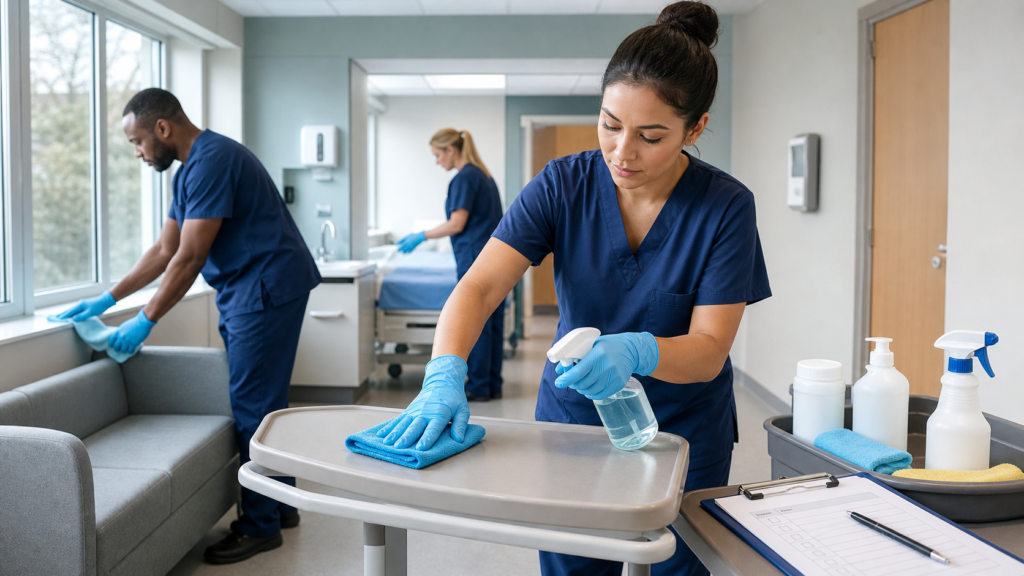
Public health guidance makes one point very clear: cleaning with soap or detergent can decrease germs on surfaces and lower infection risk in a facility, especially when cleaning teams focus on high-touch surfaces, visible dirt, shared equipment, and areas where people gather frequently. In offices, schools, gyms, retail spaces, community centers, workplaces, and public buildings, routine cleaning is one of the most practical ways to support hygiene and reduce the spread of harmful germs.
A clean facility is not only about appearance. It directly affects how safe, comfortable, and professional a space feels to employees, visitors, customers, tenants, and service users. Dust, dirt, body oils, spills, food residue, and organic matter can collect on surfaces throughout the day. When these contaminants remain in place, they may make surfaces unpleasant to touch and harder to disinfect effectively when disinfection is needed.
Facility cleaning works best when it follows a structured process. Soap, detergent, water, friction, proper tools, trained staff, and consistent schedules all play important roles. While disinfectants can kill many germs after cleaning, cleaning itself is the foundation of surface hygiene because it physically removes dirt and many germs from surfaces. This guide explains when to clean, when to disinfect, what surfaces matter most, and how facilities can build safer, more effective cleaning protocols.
Why Facility Cleaning Matters for Infection Prevention
Facility cleaning helps reduce the number of germs on surfaces that people touch throughout the day. These germs may include bacteria, viruses, fungi, and other microorganisms. Although not every surface presents the same level of risk, shared and frequently touched surfaces can contribute to the spread of illness if they are not cleaned regularly.
Cleaning with soap or detergent is effective because it loosens dirt, oils, residues, and many germs from surfaces. When combined with wiping, scrubbing, rinsing where appropriate, and proper drying, cleaning reduces contamination and improves overall hygiene. This is especially important in busy facilities where many people touch the same surfaces within a short period.
Infection prevention depends on multiple layers of protection. Hand hygiene, ventilation, illness policies, proper waste handling, and surface cleaning all work together. Surface cleaning alone cannot prevent every illness, but it is a core part of a practical hygiene program.
Moreover, cleaning supports trust. Visitors and employees notice whether restrooms, counters, floors, handles, desks, and shared areas are maintained properly. A visibly clean facility suggests that management takes health, safety, and professionalism seriously.
Understanding Cleaning, Sanitizing, and Disinfecting
Cleaning, sanitizing, and disinfecting are related, but they are not the same. Understanding the difference helps facility managers choose the right process for the right situation.
Cleaning
Cleaning removes dirt, impurities, and many germs from surfaces using soap, detergent, water, and mechanical action. It does not necessarily kill all germs, but it reduces their number and removes material that can interfere with disinfectants.
Cleaning is usually the first and most frequent step in facility hygiene. In many everyday situations, regular cleaning is enough to maintain safe and presentable surfaces, especially when no one has been visibly ill in the area.
Sanitizing
Sanitizing reduces germs on surfaces to safer levels according to product instructions or applicable standards. It is often used in food-related environments or settings where certain surfaces require additional germ reduction after cleaning.
Sanitizing should generally happen after cleaning because dirt and residue can reduce the effectiveness of sanitizing products.
Disinfecting
Disinfecting uses chemical products to kill many germs that remain on surfaces after cleaning. Disinfection is especially useful when someone has been ill, when body fluids are present, during certain outbreaks, or in high-risk areas where additional protection is needed.
However, disinfecting dirty surfaces without cleaning first is less effective. Soil, grease, dust, and organic matter can shield germs from disinfectants. Therefore, cleaning comes first, and disinfection follows when appropriate.
Why Soap and Detergent Are So Important
Soap and detergent help break down oils, grime, and residues that can hold germs on surfaces. Water alone may remove some loose dirt, but detergent improves the cleaning process by lifting contaminants so they can be wiped or rinsed away.
In a facility, surfaces may collect hand oils, food particles, dust, skin cells, moisture, spilled drinks, and other residues. These materials can make germs harder to remove. Detergents help separate these residues from the surface, allowing cleaning cloths, mops, brushes, or machines to remove them more effectively.
This is why cleaning with soap or detergent can decrease germs on surfaces and lower infection risk in a facility when performed consistently and correctly. The process is simple, but the outcome depends on proper technique, correct dilution, clean tools, and adequate attention to high-use areas.
Detergents also help prepare surfaces for disinfection. A clean surface allows disinfecting products to contact germs more directly, improving the chance that the disinfectant will work as intended.
High-Touch Surfaces That Need Regular Cleaning
Not all facility surfaces require the same cleaning frequency. High-touch surfaces need more attention because they are used repeatedly by multiple people.
Door Handles and Push Plates
Door handles, push plates, and entrance hardware are touched constantly. They should be cleaned regularly, especially in restrooms, entrances, meeting rooms, staff areas, and public access points.
Light Switches and Elevator Buttons
Small surfaces such as light switches, lift buttons, keypads, and access panels are easy to overlook. However, they are touched often and should be included in routine cleaning checklists.
Desks, Counters, and Reception Areas
Reception counters, service desks, shared workstations, and checkout areas collect hand contact, papers, devices, and personal items. These areas should be cleaned frequently because they are central points of interaction.
Restroom Fixtures
Toilet handles, taps, sinks, door locks, dispensers, hand dryers, and counters require careful cleaning. Restrooms should have a consistent schedule because moisture and frequent use increase hygiene demands.
Shared Equipment
Shared phones, keyboards, touchscreens, printers, payment terminals, gym equipment, carts, handrails, and breakroom appliances should be cleaned according to use level and material compatibility.
Railings and Stair Handles
Handrails in stairwells, corridors, ramps, and public walkways are high-contact areas. They are especially important in facilities with heavy foot traffic.
When Facilities Should Clean More Frequently
Cleaning frequency should be based on use, traffic, risk level, and visible condition. A low-traffic storage area may not need the same schedule as a busy restroom or reception area. However, certain situations call for increased cleaning.
Facilities should clean more often during periods of high occupancy, seasonal illness, special events, wet weather, food service activity, or after spills. High-touch surfaces in shared spaces should be checked and cleaned regularly throughout the day.
Visible dirt should always be addressed promptly. If a surface looks dirty, sticky, dusty, wet, or contaminated, it should be cleaned regardless of the normal schedule. Visible contamination can reduce hygiene and make the facility feel poorly maintained.
If someone has obviously been ill in an area, cleaning should be followed by appropriate disinfection. Examples may include vomiting, diarrhoea, respiratory secretions, or other contamination events. In these cases, staff should follow facility policy, product instructions, and safety procedures.
How to Clean Hard Surfaces Properly
Hard surfaces include counters, desks, tables, floors, walls, door handles, light switches, restroom fixtures, and many shared objects. These surfaces are often easier to clean than porous materials, but technique still matters.
First, remove loose debris, dust, or visible soil. Next, apply a cleaning product suitable for the surface. Use a clean cloth, mop, pad, or brush to create mechanical friction. Friction is important because wiping physically lifts dirt and germs away.
After cleaning, rinse or wipe according to product directions if required. Then allow the surface to dry. Drying matters because damp surfaces can attract more soil and may become unpleasant or unsafe.
Cleaning tools should also be managed properly. Dirty cloths and mop heads can spread contamination if reused without laundering or replacement. Facilities should use colour-coded cloths or separate tools for restrooms, kitchens, public areas, and office spaces where appropriate.
How to Clean Soft Surfaces and Fabrics
Soft surfaces such as carpets, rugs, upholstered furniture, curtains, mats, and fabric partitions require different methods. These materials can hold dust, moisture, allergens, and residues more deeply than hard surfaces.
Vacuuming helps remove loose dirt and debris. For spills or stains, use a cleaner suitable for the fabric and follow manufacturer guidance. If items can be laundered, wash them using the warmest appropriate water setting and dry them completely.
Moisture control is especially important for soft surfaces. Damp fabrics can develop odours and may support microbial growth if not dried properly. Facilities should avoid over-wetting carpets or upholstery during cleaning and should ensure adequate airflow during drying.
In areas with frequent spills or high use, consider choosing materials that are easier to wipe, clean, or replace.
Cleaning Electronics Safely
Electronics are common in modern facilities. Touchscreens, keyboards, tablets, remote controls, card readers, printers, and control panels may be used by multiple people each day. However, electronics can be damaged by excessive moisture or harsh chemicals.
Facilities should follow manufacturer instructions when cleaning electronic devices. Wipeable covers can make cleaning easier for frequently touched items. Cleaning products should be applied to a cloth rather than sprayed directly onto electronics unless the manufacturer says otherwise.
For shared electronics, frequent gentle cleaning is usually better than occasional heavy cleaning. Staff should avoid soaking devices, using abrasive materials, or allowing liquid to enter openings.
When Disinfection Is Needed After Cleaning
Routine cleaning is often enough for many facility surfaces. However, disinfection may be needed in specific situations.
Disinfect areas where people have clearly been ill or where body fluids are present. Disinfect high-touch surfaces during outbreaks or when public health guidance recommends additional precautions. Some high-traffic areas may also benefit from scheduled disinfection after cleaning, depending on facility policy.
Before disinfecting, clean the surface first. Then apply a disinfectant suitable for the surface and the type of germ concern. The surface must remain wet for the required contact time listed on the product instructions. If the disinfectant dries too quickly, it may not work as intended.
Disinfectants should be used carefully. Staff should wear recommended protective equipment, ensure ventilation, avoid mixing chemicals, and store products securely. More chemical use is not always better. Correct use is what matters.
Building an Effective Facility Cleaning Plan
A facility cleaning plan helps ensure consistency. Without a plan, important surfaces may be missed, cleaning may happen irregularly, and staff may not understand expectations.
Identify Facility Zones
Divide the facility into zones such as entrances, restrooms, offices, breakrooms, meeting rooms, public areas, kitchens, storage rooms, and outdoor high-touch areas. Each zone should have a cleaning frequency based on use and risk.
Create High-Touch Surface Checklists
Checklists help staff remember important areas. Include handles, switches, railings, counters, shared equipment, restroom fixtures, elevator buttons, and other surfaces specific to the facility.
Choose the Right Products
Use cleaning products that contain soap or detergent and are suitable for the surfaces being cleaned. If disinfectants are used, make sure they are appropriate for the surface and situation. Staff should understand dilution, contact time, storage, and safety requirements.
Train Cleaning Staff
Training should cover cleaning methods, product labels, personal protective equipment, ventilation, chemical safety, cross-contamination prevention, and what to do after illness-related contamination.
Document Cleaning Activity
Cleaning logs help managers track completed tasks, identify missed areas, and demonstrate that hygiene procedures are being followed. This is especially useful in larger facilities.
Worker Safety During Cleaning and Disinfection
Cleaning workers need protection from chemical exposure, slips, sharp objects, biological materials, and repetitive strain. A good cleaning program protects both facility users and the people doing the work.
Staff should understand product labels and safety instructions. Gloves, eye protection, masks, or other protective equipment may be needed depending on the task and product. Cleaning products should never be mixed unless the label specifically allows it. Mixing chemicals can create dangerous fumes or reduce product effectiveness.
Ventilation is also important. When using stronger cleaning or disinfecting products, open doors or windows where practical and use existing ventilation systems to improve airflow.
After cleaning or disinfecting, workers should wash their hands with soap and water for at least 20 seconds. Hand hygiene is a simple but important step in reducing the spread of germs.
Common Cleaning Mistakes to Avoid
One common mistake is disinfecting without cleaning first. Dirt and residue can reduce disinfectant effectiveness. Cleaning should come before sanitizing or disinfecting.
Another mistake is using too much product. More cleaner does not always mean better results. Overuse can leave residue, damage surfaces, waste money, and increase chemical exposure.
Some facilities also overlook high-touch surfaces. Floors may be cleaned daily while elevator buttons, door handles, and shared equipment receive less attention. A strong cleaning plan should prioritize surfaces people touch most often.
Using dirty cleaning tools is another problem. Cloths, mops, and sponges can spread germs if they are not cleaned, replaced, or separated by task. Facilities should use clean tools and manage laundry properly.
Finally, poor product storage can create safety risks. Cleaning chemicals should be clearly labelled, closed properly, and stored away from children, visitors, food, and incompatible products.
Benefits of a Strong Facility Cleaning Program
A consistent cleaning program offers several benefits beyond infection risk reduction. It improves appearance, supports employee confidence, protects surfaces, reduces odours, and helps facilities operate more professionally.
Clean facilities may also reduce complaints. People are more likely to feel comfortable in a space that looks and smells clean. This matters in offices, gyms, schools, retail stores, public buildings, and community spaces.
Cleaning also supports asset protection. Dirt, spills, and residue can damage flooring, furniture, fixtures, and equipment over time. Routine cleaning helps extend the life of surfaces and reduces maintenance costs.
Most importantly, a strong program creates accountability. Staff know what to clean, when to clean, how to clean, and which products to use. This consistency makes facility hygiene more reliable.
FAQs
Why is cleaning with soap or detergent important in a facility?
Cleaning with soap or detergent helps remove dirt, oils, residue, and many germs from surfaces. This reduces contamination and supports infection prevention, especially on high-touch surfaces used by multiple people.
Is cleaning enough, or should facilities always disinfect?
In many routine situations, cleaning is enough. Disinfection may be needed when someone has been visibly ill, during outbreaks, or in areas where additional germ control is required. Surfaces should be cleaned before disinfecting.
What are high-touch surfaces?
High-touch surfaces include door handles, light switches, elevator buttons, counters, desks, railings, restroom fixtures, touchscreens, keyboards, shared equipment, and other surfaces people touch frequently.
How often should a facility clean surfaces?
Cleaning frequency depends on traffic, surface use, visible dirt, and facility type. High-touch surfaces should be cleaned regularly, while other surfaces should be cleaned when visibly dirty or according to the facility schedule.
Why should surfaces be cleaned before disinfecting?
Dirt, grease, dust, and organic matter can make disinfectants less effective. Cleaning first removes these barriers so disinfectants can contact remaining germs more directly.
What safety steps should workers follow when disinfecting?
Workers should read product labels, wear recommended protective equipment, ensure ventilation, avoid mixing chemicals, follow contact time instructions, label solutions clearly, and wash hands after cleaning or disinfecting.
Are fogging and spraying always recommended for facilities?
No, wide-area spraying, fogging, and fumigation are not usually recommended as primary surface disinfection methods unless the product label and facility requirements support that use. Manual cleaning remains essential.
How can facilities improve cleaning consistency?
Facilities can improve consistency by using written protocols, high-touch surface checklists, staff training, cleaning logs, correct products, clear schedules, and regular supervision.
Conclusion
Cleaning with soap or detergent is one of the most important foundations of facility hygiene. It reduces dirt, removes many germs from surfaces, supports safer shared environments, and prepares surfaces for disinfection when disinfection is needed. While disinfectants have an important role in specific situations, cleaning should never be skipped because it directly improves the effectiveness of any additional hygiene step.
A strong facility cleaning program depends on clear schedules, trained workers, safe product use, attention to high-touch surfaces, proper tools, and consistent documentation. Whether the setting is an office, gym, school, business, community center, or public building, routine cleaning helps protect health, maintain professional standards, and build confidence among everyone who uses the space. By making cleaning a daily priority, facilities can lower infection risk, improve comfort, and create a cleaner environment for staff, visitors, and the wider community.