
Think about the last time you sat in traffic. Not the frustration, just what you looked at. Chances are your eyes drifted to the vehicles...
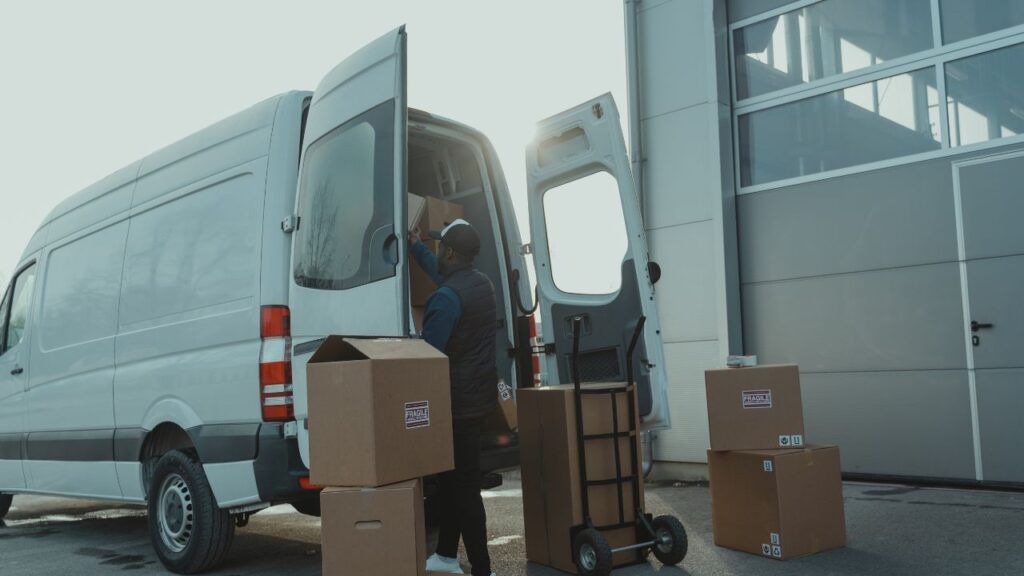
Think about the last time you sat in traffic. Not the frustration, just what you looked at. Chances are your eyes drifted to the vehicles around you, and if one of them was a van with a clean, bold design on the side, you probably read it without meaning to. You may even remember what it said. That’s a small moment, but multiply it by every driver, pedestrian, and passenger who sees that van in a week, and you start to understand why businesses have stopped treating their vans as transportation and started treating them as media.
Commercial vans are becoming powerful marketing assets not because of any new technology, but because of a shift in how businesses think about the space they already own. Here’s what’s driving that shift, and how to take advantage of it.
A Captive Audience, Every Single Day
The reason a van works as an advertising platform comes down to time on the road, and there’s a lot of it. According to the Eno Center for Transportation, citing Federal Highway Administration data, Americans drove 3.279 trillion vehicle-miles in 2024, an increase of roughly 32 billion miles over the previous year.
Every one of those miles is shared with other vehicles, and a commercial van covering its daily route travels through the middle of it. No billboard sits in traffic with its audience. No digital ad follows a customer down their own street. A van does both, and it does it as a byproduct of work that’s already being done.
From Cost Center to Brand Channel
For decades, a company van was a line on the expense sheet: fuel, insurance, maintenance, depreciation. The vehicle was a necessity, and a plain white one was the default. What’s changed is the realization that the exterior of that vehicle is advertising space with an audience measured in thousands of impressions per day, and that leaving it blank is leaving value on the table.
Businesses making the shift describe a few consistent advantages:
- Zero recurring media cost. Once the vehicle is branded, the exposure continues for years with no monthly bill.
- Perfect geographic targeting. The van goes precisely where the customers are, because that’s where the work is.
- Repetition without fatigue. The same neighbors see the same van regularly, and familiarity builds trust rather than annoyance.
- On-site presence. Parked at a job, the van tells an entire street who’s working there and what they do.
- A professional signal. A branded vehicle communicates that the business is established and accountable.
The Design Shift: From Lettering to Storytelling
Early commercial vans carried a name and a phone number in vinyl letters. Today’s approach treats the vehicle as a rolling piece of brand identity. Color, imagery, typography, and message work together so the van is recognizable before anyone reads a word.
Effective modern van design tends to follow a pattern:
- A dominant brand color that covers most of the vehicle
- The business name and service in large, legible type on both sides
- A short tagline or value statement, not a paragraph
- A single call to action, usually a web address or phone number
- The rear panel is treated as its own ad, since that’s what traffic behind sees longest
Restraint is what separates a van people remember from one they tune out.
Turning the Concept Into a Working Asset
The gap between a good idea and a good result is almost always execution. A van wrap that fades, bubbles, or peels within a year undermines the professional image it was supposed to project. This is where the choice of provider matters, and businesses investing in commercial vehicle wraps are increasingly looking for partners who understand fleet work specifically.
Roadrunner Wraps approaches van projects from that angle, treating the vehicle as a brand asset rather than a print job: assessing how the design will read in motion and at a distance, matching colors precisely across multiple vehicles so a fleet looks unified, and using cast vinyl rated for years of sun, weather, and daily washing.
The team also helps businesses decide how much coverage is worth it, since a well-designed partial wrap on a white van can deliver most of the impact of a full wrap at a lower cost. For a company that runs several vehicles, that kind of strategic input is what turns a fleet into a consistent, recognizable presence across a whole region.
Where Vans Outperform Other Local Advertising
Compare a branded van against the usual local options:
- Billboards reach only people who pass one fixed location, and the rent never stops.
- Local radio and print reach a broad audience, most of whom are outside your service area.
- Digital ads are precise but competitive, and the cost per click climbs every year.
- Direct mail is thrown away by most recipients within seconds.
A branded van reaches the right people in the right place, repeatedly, for a one-time cost. It doesn’t replace those channels, but for a local service business it often outperforms them per dollar spent.
Making the Most of a Branded Fleet
Businesses that get the best results treat the van as part of a broader system:
- Match the van’s look exactly to the website, uniforms, and signage
- Park it visibly at job sites and community events
- Use it in social media content and on the company website
- Give drivers a reason to represent the brand well on the road
- Use a unique phone number or URL to track the leads it generates
The van becomes a mobile extension of the brand rather than a standalone gesture.
Conclusion
Commercial vans are becoming powerful marketing assets because businesses have recognized what they already had: a vehicle that spends its day in front of the exact audience they want to reach, on roads shared with trillions of miles of other traffic every year. Branding that vehicle well turns a cost center into a brand channel with no recurring fee, precise local reach, and the kind of repeated exposure that builds familiarity and trust.
Get the design right, choose a wrap partner who understands fleet work, and connect the van to the rest of your marketing, and the plain white box you used to drive becomes one of the hardest-working members of your team.