
Modern homes and businesses depend on equipment that combines electricity, electronics, mechanical components, plumbing, gas, refrigeration systems, controls, and networked technology. While simple maintenance can...
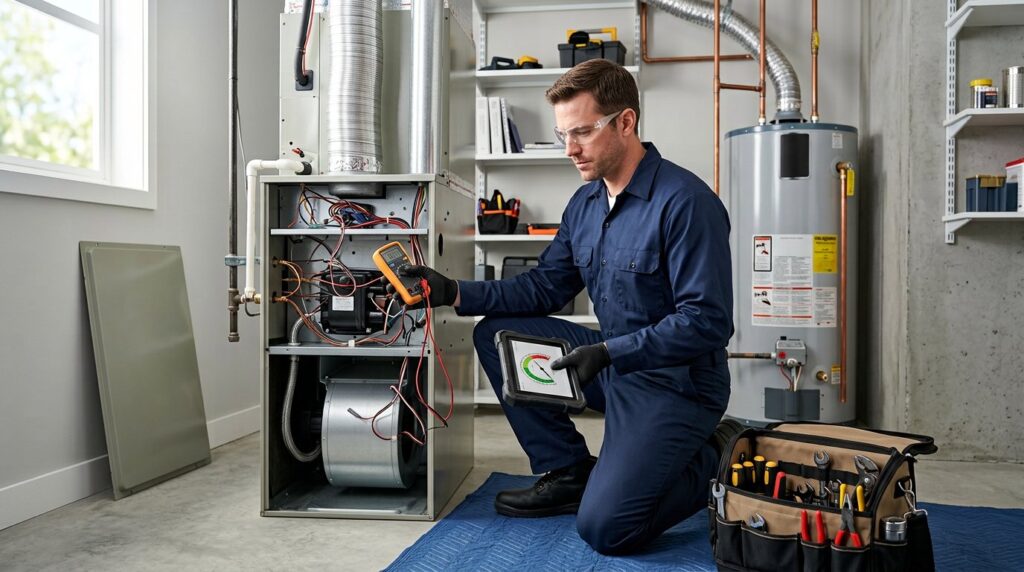
Modern homes and businesses depend on equipment that combines electricity, electronics, mechanical components, plumbing, gas, refrigeration systems, controls, and networked technology. While simple maintenance can sometimes be handled using manufacturer instructions, certain failures need qualified diagnosis and repair. Knowing when to contact a professional technician can help prevent unsafe troubleshooting, unnecessary parts replacement, additional equipment damage, and avoidable downtime. The right technician depends on the equipment involved, the symptoms, local licensing requirements, warranty conditions, and whether the problem creates an immediate safety hazard.
When Should You Contact a Professional Technician?
Professional service is appropriate when a problem exceeds the maintenance or troubleshooting procedures specifically intended for the equipment owner.
Common examples include repeated electrical faults, burning odors, gas smells, refrigerant concerns, water leaks near electrical equipment, unusual mechanical noises, persistent overheating, safety devices activating, or equipment that repeatedly shuts down.
Professional help is also sensible when troubleshooting requires removing safety covers, testing energized circuits, handling regulated materials, modifying fuel systems, or making structural or code related changes.
A technician can diagnose the cause rather than simply treating the visible symptom.
Why Professional Diagnosis Matters
Equipment problems are not always caused by the most obvious component.
For example, a motor that fails to operate could have a problem with its power supply, controls, wiring, sensors, protection devices, mechanical load, or the motor itself.
Replacing components through trial and error can increase repair costs without solving the underlying fault.
Qualified technicians use training, service information, testing equipment, and systematic diagnostic procedures to identify likely causes.
Repair or Replace?
A professional inspection can provide useful information for deciding whether repair remains economically reasonable.
Relevant factors include the equipment’s age, condition, energy performance, repair history, replacement part availability, safety, expected remaining service life, and replacement cost.
A repair estimate should ideally distinguish between the immediate fault and other components that may need attention soon.
Is Professional Service Always Necessary?
No. Manufacturer approved tasks such as basic cleaning, filter replacement, restarting a device using documented procedures, or checking user accessible settings may be appropriate for owners.
However, stop if the manufacturer’s instructions specify professional service or if troubleshooting exposes you to electricity, gas, moving machinery, pressurized systems, excessive heat, hazardous chemicals, or other significant risks.
7 Powerful Benefits When You Contact a Professional Technician
Qualified service can provide advantages that extend beyond restoring operation.
1. More Accurate Fault Diagnosis
A trained technician can evaluate the complete system rather than assuming that the first visible symptom identifies the failed part.
Diagnostic instruments may be used to test electrical values, temperatures, pressures, airflow, control signals, network functions, or other parameters depending on the equipment.
Correct diagnosis helps reduce unnecessary component replacement.
2. Safer Repair Work
Many appliances and building systems contain hazardous energy even when they appear inactive.
Electrical capacitors can retain charge, fuel systems can leak, moving parts can start unexpectedly, and pressurized systems can release material dangerously.
Technicians trained for the equipment understand appropriate isolation and verification procedures.
3. Appropriate Tools and Testing Equipment
Professional repair work often requires more than standard household tools.
Depending on the trade, technicians may use electrical meters, leak detection instruments, pressure equipment, diagnostic software, specialized hand tools, recovery equipment, or manufacturer specific interfaces.
Using the correct tools can make diagnosis more reliable and reduce accidental equipment damage.
4. Code and Regulatory Awareness
Certain work is governed by electrical, mechanical, plumbing, gas, building, environmental, or occupational rules.
Licensing and permit requirements vary by jurisdiction and type of work.
An appropriately qualified contractor should understand requirements relevant to the service being performed.
5. Warranty Protection
Some equipment warranties require particular repairs, installations, or maintenance to be performed by authorized or appropriately qualified professionals.
Unauthorized modifications can potentially affect warranty coverage.
Check the written warranty terms before attempting significant repairs on equipment that remains covered.
6. Access to Correct Replacement Parts
Professional technicians can often identify components using exact model and serial information.
This matters because visually similar parts are not necessarily electrically or mechanically interchangeable.
Using manufacturer approved or otherwise correctly specified components helps maintain intended operation.
7. Reduced Risk of Repeat Problems
A proper repair should address the root cause rather than temporarily conceal a symptom.
Although no technician can guarantee that unrelated components will never fail, accurate diagnosis, correct parts, and appropriate testing can reduce the risk of immediate recurrence from the same unresolved problem.
Contact a Professional Technician for Electrical Problems
Electrical faults deserve particular caution because shock, electrocution, burns, and fires are serious risks.
Repeated Circuit Breaker Trips
A breaker that trips once because of an obvious temporary overload may not indicate equipment failure.
Repeated tripping, however, can indicate an overload, short circuit, ground fault, equipment problem, or wiring issue.
Do not repeatedly reset a breaker without identifying why it is opening.
Burning Smells or Discoloration
A burning odor, melted insulation, scorched outlets, unusual heat, or visible discoloration around electrical equipment can indicate overheating.
Switch off power if this can be done safely and seek qualified assistance.
Smoke or fire requires emergency action rather than a routine service appointment.
Electrical Shock or Tingling
If touching an appliance or metal component produces a shock or tingling sensation, stop using it.
Disconnect power only when you can do so safely and arrange appropriate electrical inspection.
Do Not Work on Live Circuits
Testing energized circuits can expose people to lethal voltages and arc related hazards.
Electrical repairs should be performed only by people qualified to undertake the specific work.
Contact a Professional Technician for HVAC Problems
Heating, ventilation, and air conditioning equipment combines electrical, mechanical, airflow, and sometimes combustion or refrigeration systems.
Poor Heating or Cooling
Insufficient heating or cooling can result from dirty filters, airflow restrictions, control problems, equipment faults, refrigerant issues, or building related factors.
Homeowners can generally check user accessible settings and filters according to manufacturer instructions.
Persistent performance problems deserve professional evaluation.
Strange HVAC Noises
Grinding, repeated banging, unusual rattling, squealing, or other new sounds can indicate mechanical problems.
Continuing to operate equipment with a significant mechanical fault can sometimes increase damage.
Refrigerant Issues
Refrigerant work can be subject to environmental regulations and technical certification requirements.
Do not intentionally release refrigerants or attempt improvised refrigerant charging. A qualified HVAC professional can evaluate system pressures and potential leaks using appropriate procedures.
Contact a Professional Technician for Appliance Repair
Household appliances increasingly combine power electronics, sensors, motors, heaters, pumps, valves, and computerized controls.
Appliance Does Not Start
Before arranging service, check safe basics such as user controls, documented reset procedures, accessible power connections, and relevant manufacturer troubleshooting instructions.
If those steps do not solve the problem, professional diagnosis can determine whether the issue involves power supply, internal controls, wiring, sensors, or other components.
Water Leaking From an Appliance
Dishwashers, washing machines, refrigerators, and other water connected appliances can develop leaks.
Water near electrical equipment increases risk.
Shut down the appliance and relevant water supply where this can be done safely, then arrange service if the source is not an owner serviceable connection.
Repeated Error Codes
An error code can indicate where a control system detected abnormal operation, but it does not always identify the defective part directly.
Technicians can interpret codes together with physical measurements and service documentation.
Contact a Professional Technician for Gas Equipment
Gas appliances require especially careful handling because leaks and incomplete combustion can have severe consequences.
If You Smell Gas
Treat a suspected gas leak as a potential emergency.
Avoid flames, smoking, and actions that could create sparks. Leave the area and follow your gas utility’s or local emergency authority’s instructions from a safe location.
A suspected active gas leak is not a situation for routine DIY troubleshooting.
Carbon Monoxide Concerns
Carbon monoxide is a colorless, odorless toxic gas produced by incomplete combustion.
If a carbon monoxide alarm activates, follow the alarm manufacturer’s and local emergency authority’s instructions. Seek immediate medical assistance if anyone has symptoms consistent with carbon monoxide exposure.
Never Ignore Combustion Problems
Sooting, unusual burner behavior, repeated shutdowns, or combustion related alarms require qualified investigation.
Do not bypass safety controls to keep equipment running.
Contact a Professional Technician for Water Leaks
Some small plumbing maintenance tasks can be straightforward, but concealed or substantial leaks can damage structures and create electrical or mold concerns.
Active Major Leak
If water is rapidly escaping, shut off the appropriate water supply if you can safely identify and reach the valve.
Protect yourself from electrical hazards and contact a plumber or emergency service appropriate to the situation.
Hidden Moisture
Stains, persistent damp odors, peeling finishes, unexplained water usage, or recurring dampness may indicate a concealed leak.
Specialists can use inspection techniques to locate moisture sources before extensive repairs are performed.
Warning Signs That Need Immediate Attention
Some equipment symptoms should not wait for a standard service visit.
Potentially urgent warning signs include:
• Smoke, sparks, or visible fire
• Suspected natural gas or propane leaks
• Electric shocks from equipment
• Active carbon monoxide alarms
• Severe overheating or melted electrical components
• Major uncontrolled water leaks near electricity
• Damaged equipment creating an immediate physical hazard
• Fuel burning equipment behaving abnormally
When there is immediate danger to people or property, move to a safe location and contact the appropriate emergency service, utility, or fire department.
How to Contact a Professional Technician
The best contact method depends on urgency and equipment type.
Check Manufacturer Support
For equipment under warranty, start with the manufacturer’s official support information.
The manufacturer may direct you to an authorized service provider and explain documentation requirements.
Search for Local Specialists
Look for technicians who regularly service your specific equipment category.
A general handyman may be appropriate for some nonregulated minor tasks but not licensed electrical, gas, refrigeration, or other specialized work.
Describe the Problem Clearly
Provide the brand, model number, approximate age, symptoms, error codes, when the problem started, and any troubleshooting already completed.
Accurate information can help the company send an appropriately qualified technician with relevant equipment.
Take Photos When Safe
Photos of a model label, error display, visible leak, or damaged component may help with scheduling.
Never enter a hazardous area or remove safety covers merely to obtain a photograph.
How to Choose a Professional Technician
Qualifications should match the type of equipment and work.
Verify Licensing Where Required
Professional licensing rules vary by location.
Electrical, plumbing, gas, HVAC, refrigeration, and contracting work may require specific credentials.
Use official government licensing databases where available rather than relying solely on a website badge.
Check Insurance
Appropriate business and liability insurance can be important when someone is working on your property.
For larger projects, request documentation where appropriate.
Ask About Equipment Experience
A highly qualified professional in one trade may not specialize in every manufacturer or system.
Ask whether the technician routinely services your brand, model type, or equipment category.
Read Reviews Carefully
Customer reviews can provide useful context, but do not evaluate a company solely by its average star rating.
Look for patterns involving communication, diagnosis, pricing transparency, punctuality, repair quality, and how problems were resolved.
Questions to Ask Before Booking Service
A short conversation before scheduling can reduce misunderstandings.
Useful questions include:
• Do you service this equipment type and brand?
• Are you licensed for this work where required?
• What is the diagnostic or callout fee?
• Is that fee applied toward the repair?
• Do you provide a written estimate before additional work?
• What parts and labor warranty applies?
• Are emergency or after hours rates different?
• Do you carry appropriate insurance?
• Are your technicians employees or subcontractors?
• How will additional problems discovered during repair be authorized?
What to Expect During a Technician Visit
A professional service visit normally begins with discussing the symptoms and inspecting the equipment.
The technician may reproduce the fault where safe, conduct relevant diagnostic tests, identify likely causes, and explain recommended repairs.
Diagnosis
Testing depends on the system.
For example, an HVAC technician may evaluate airflow, temperatures, controls, electrical values, and refrigeration related measurements, while an appliance specialist may test sensors, motors, heaters, pumps, or electronic controls.
Estimate
Before substantial repair work begins, you should generally understand the proposed service and expected cost.
Ask whether the quote is fixed or estimated and what circumstances could cause the price to change.
Repair and Testing
After authorization, the technician can complete the repair, replace appropriate parts, and test operation.
For complex systems, final testing is important because simply installing a new component does not prove the underlying issue has been resolved.
How Much Does a Professional Technician Cost?
Technician pricing varies substantially according to trade, location, equipment, urgency, required parts, travel, job duration, and service company.
Common pricing structures include a diagnostic fee, minimum service charge, hourly labor, flat rate repair pricing, or combinations of these methods.
Emergency Service Charges
Nights, weekends, holidays, and same day emergency calls can cost more than ordinary scheduled service.
When the issue is not a safety risk, waiting for normal business hours may reduce cost.
Parts and Labor
Ask whether the estimate includes parts, labor, taxes, disposal, travel, and other charges.
The cheapest initial quote is not always the lowest final cost if diagnostic or additional fees are excluded.
Get Multiple Quotes for Major Repairs
For expensive nonemergency work, comparing more than one qualified provider can be worthwhile.
Ensure each company is quoting the same scope, parts quality, permits, warranty, and related work.
Professional Technician vs DIY Repair
DIY maintenance can save money when the task is clearly intended for the equipment owner.
Examples can include replacing certain filters, cleaning accessible surfaces, changing permitted batteries, or following basic troubleshooting in the user manual.
When DIY Becomes Risky
Stop when the repair involves:
• Exposed electrical components
• Gas systems
• Refrigerants
• Pressurized equipment
• Safety interlocks
• Significant structural work
• Specialized calibration
• Hazardous materials
• Procedures prohibited by the manufacturer
Watching an online repair video does not provide the training necessary for hazardous work.
Professional Technician vs Handyman
A handyman can be useful for many general property maintenance tasks.
However, certain technical systems require licensed trades or specialized knowledge.
Know the Scope of Work
Replacing a simple nontechnical fixture may be very different from modifying wiring, repairing a gas appliance, servicing an HVAC refrigerant circuit, or altering plumbing systems.
Choose the professional according to the work actually being performed.
How Professional Maintenance Can Prevent Repairs
Preventive maintenance cannot eliminate every equipment failure, but it can identify wear, contamination, loose components, degraded parts, and abnormal operating conditions before they cause a breakdown.
Follow Manufacturer Schedules
Maintenance frequency should come from the equipment manufacturer’s documentation and relevant professional recommendations.
Generic annual service schedules are not appropriate for every system.
Keep Service Records
Retain invoices, maintenance reports, warranty information, model numbers, and replaced part details.
Service history can help future technicians diagnose recurring issues and may support warranty claims.
Avoid Technician and Repair Scams
Urgent equipment failures can make customers vulnerable to deceptive service practices.
Verify the Company
Use independently located contact information when possible, particularly for warranty providers, utilities, and manufacturer authorized services.
Be cautious of unsolicited technicians claiming that immediate expensive work is necessary without providing a clear diagnosis.
Request Written Information
For significant repairs, ask for written estimates describing the work and costs.
Do not sign unclear contracts or approve additional services you do not understand.
Be Careful With Upfront Payment
Deposits can be normal for large projects or special order parts, but demands for unusually large irreversible payment before diagnosis deserve additional scrutiny.
Payment norms vary by trade and location.
Remote Professional Technician Support
Some modern equipment supports remote diagnostics through connected controls or manufacturer applications.
Remote assistance can sometimes resolve configuration, software, network, or control issues without an onsite visit.
Limits of Remote Diagnosis
Remote support cannot safely replace physical inspection for every fault.
Leaks, damaged wiring, mechanical wear, gas problems, and many component failures require direct examination and testing.
Contact a Professional Technician for Commercial Equipment
Business equipment failures can affect employees, customers, inventory, and revenue.
Commercial systems may also have different maintenance requirements and higher capacities than residential equipment.
Service Agreements
Businesses that depend on critical equipment may benefit from planned maintenance or service agreements with qualified providers.
Review response times, covered equipment, exclusions, labor rates, parts policies, and emergency availability before signing.
Minimize Downtime
Maintain equipment documentation and service contacts in an accessible location.
For particularly critical systems, businesses may also plan backup equipment, spare components, or alternative operating procedures.
Frequently Asked Questions
When should I contact a professional technician?
Contact a professional when equipment has persistent faults, safety concerns, leaks, unusual noises, electrical problems, gas related issues, or repairs beyond manufacturer approved user maintenance.
How do I find a qualified professional technician?
Use manufacturer authorized networks, reputable local businesses, referrals, and official licensing databases, then confirm experience with your specific equipment and repair.
How much does a professional technician charge?
Costs vary by trade, location, diagnostic time, parts, urgency, and job complexity. Ask for the service fee and pricing structure before scheduling.
Should I repair equipment myself before calling a technician?
Limit DIY work to safe, manufacturer approved maintenance and troubleshooting. Avoid electrical, gas, refrigerant, pressurized, or other hazardous repairs without proper qualifications.
What information should I give a technician?
Provide the equipment brand, model, age if known, symptoms, error codes, recent changes, and any safe troubleshooting steps already completed.
Is an authorized technician required for warranty repairs?
Some warranties require authorized service or specified procedures. Review the written warranty or contact the manufacturer before arranging covered repairs.
Conclusion
Knowing when to contact a professional technician can protect both your equipment and the people around it. Qualified technicians bring appropriate diagnostic skills, tools, parts knowledge, and safety procedures to electrical, HVAC, appliance, plumbing, gas, and commercial equipment problems. Before booking, verify relevant credentials, experience, pricing, and warranty terms, and clearly describe the symptoms. For smoke, suspected gas leaks, carbon monoxide alarms, electrical shocks, or other immediate hazards, prioritize emergency safety procedures rather than routine troubleshooting.
Pingback: Custom Silicone Parts 7 Powerful Benefits for Precise Design