
Many homeowners never think about the space beneath their house. But the crawlspace plays an important role in the health of your entire home. When...
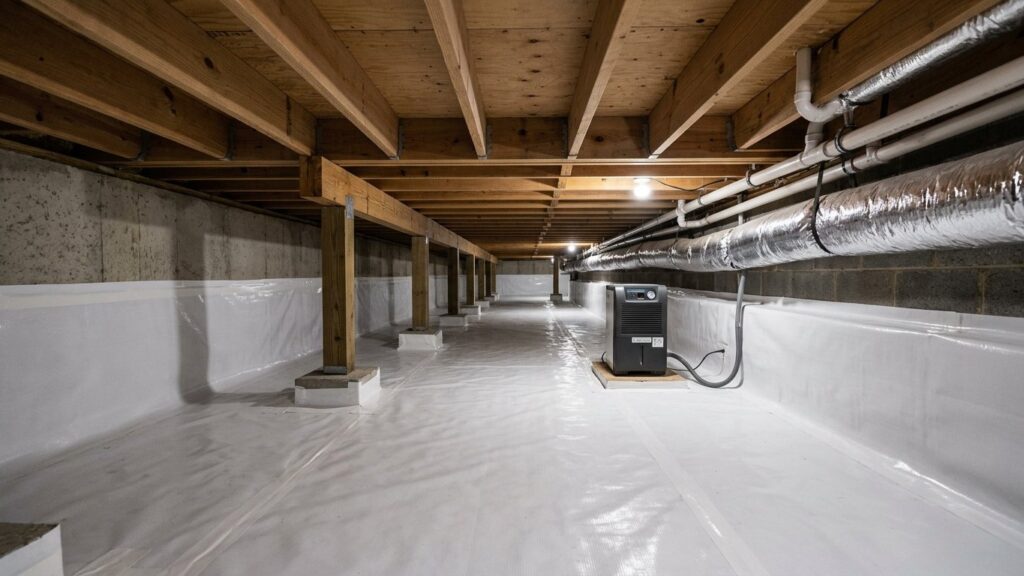
Many homeowners never think about the space beneath their house. But the crawlspace plays an important role in the health of your entire home. When it is damp or exposed, it can cause problems that reach far beyond the space itself. Crawlspace encapsulation is a solution that seals this area off from moisture, protecting your home from damage and improving the air you breathe. This guide explains what crawlspace encapsulation is, its benefits, and how to know when your home needs it.
What Is Crawlspace Encapsulation?
Crawlspace encapsulation is the process of sealing the crawlspace beneath your home with a moisture barrier. A thick, durable liner is placed over the dirt floor and sometimes up the walls, creating a sealed barrier that stops ground moisture from rising into the space.
The goal is to control the moisture and humidity that cause so many problems. Unfinished crawlspaces, especially those with dirt floors, can be a breeding ground for dampness, mould, strange odours, and structural damage. Encapsulation cocoons this space in a protective barrier, keeping it dry and clean.
Why Crawlspace Moisture Is a Problem
A damp crawlspace causes more trouble than you might think. The most obvious issue is moisture. Ground water and humidity rise from the soil and stay trapped in the enclosed space. Over time, this leads to condensation, which creates the perfect environment for mould and mildew.
Moisture can also damage your home’s structure. It can rot wooden floor joists and cause problems with the foundation. The dampness can even affect your indoor air quality, since air from the crawlspace often circulates upward into your living space. A wet crawlspace can also attract pests, which are drawn to dark, damp environments. Left unaddressed, these problems can be costly to fix.
The Benefits of Encapsulation
Encapsulation offers several important benefits for your home.
First, it controls moisture and humidity. By sealing the space, the barrier prevents ground water from rising and keeps the crawlspace dry. This stops condensation and the problems that come with it.
Second, it prevents mould and structural damage. With the moisture reduced, mould has less chance to grow. The wooden structure and foundation are protected from rot and decay, which extends the life of your home.
Third, it improves indoor air quality. Because air from the crawlspace can move up into your living areas, keeping it dry and clean helps you breathe easier. This is especially valuable for anyone with allergies or respiratory concerns.
Fourth, it discourages pests. A dry, sealed space is far less appealing to insects and rodents. Encapsulation helps keep unwanted pests out.
Finally, encapsulation can make the space more useful. A clean, dry crawlspace is easier to access and can even be used for storage. Many homeowners find it transforms a dirty, unusable area into a clean, dry space.
Signs You May Need Crawlspace Encapsulation
How do you know if your crawlspace needs encapsulation? Watch for these warning signs:
- Excess humidity or condensation. Moisture on the walls or a damp, musty smell.
- Visible mould or mildew. Dark spots on surfaces or a strong musty odour.
- Wood rot or damage. Soft, decaying wood on floor joists or beams.
- High energy bills. Damp air can make your heating and cooling work harder.
- Allergy or air quality issues. Increased dust or musty air in your living space.
- Standing water or damp soil. Water pooling in the crawlspace or soil that is always wet.
If you notice any of these, it is worth having a professional inspect your crawlspace. Addressing moisture early prevents bigger, more expensive problems later.
How Encapsulation Is Done
A professional encapsulation is a careful, step-by-step process. First, the technician inspects the crawlspace and assesses the moisture levels and the condition of the space. They identify any sources of water or humidity.
Then they prepare the area. This may involve removing debris, fixing any drainage issues, and addressing existing mould. Next, they install the moisture barrier. The liner is placed over the floor and up the walls, creating a continuous, sealed barrier. Gaps and seams are sealed to prevent air and moisture from passing through.
After the liner is in place, the technician may add a dehumidifier or ventilation to control humidity further. A dehumidifier removes excess moisture from the air, keeping the space dry even when the outside humidity is high. Ventilation can help circulate air, though in many cases a fully sealed and dehumidified crawlspace works best.
The result is a clean, dry, sealed crawlspace. A reputable installer will explain the process, give you a clear quote, and ensure the job is done properly. They should also inspect for any underlying water issues, such as drainage problems or grading, so the encapsulation lasts and performs as it should. You should be left with a space that is tidy, protected, and easy to maintain.
Frequently Asked Questions
What is crawlspace encapsulation?
Crawlspace encapsulation is the process of sealing the crawlspace under your home with a moisture barrier over the dirt floor and walls. It controls moisture and humidity to prevent mould, rot, and structural damage.
How long does crawlspace encapsulation last?
A quality encapsulation system is designed to last for many years, often for the life of the home. It uses a durable barrier that resists moisture and wear. A professional installation with a warranty gives you long-term peace of mind.
Is crawlspace encapsulation worth it?
For most homeowners, yes. It prevents costly moisture damage, mould, and structural rot. It can improve air quality and even lower energy bills. If your crawlspace is damp or exposed, encapsulation is a smart investment.
Does encapsulation reduce humidity?
Yes. The primary purpose of encapsulation is to control moisture and humidity. By sealing the space, it stops ground moisture from rising and keeps the crawlspace dry, reducing humidity and the problems that come with it.
Can I encapsulate my crawlspace myself?
It is often better to hire a professional. A proper encapsulation requires a thorough inspection, correct moisture control, and careful sealing. A professional ensures the job is done right and addresses any underlying issues.
Will encapsulation help with mould?
Yes. By reducing moisture, encapsulation limits the conditions that allow mould to grow. It can help prevent new mould and, combined with proper cleanup, support a cleaner, healthier crawlspace.
Conclusion
Crawlspace encapsulation is a smart investment in the health of your home. It controls moisture and humidity, prevents mould and structural damage, improves air quality, and keeps pests away. By sealing the space beneath your home with a durable moisture barrier, you protect your foundation, your structure, and your family’s comfort. If you have noticed dampness, humidity, mould, or musty odours in your crawlspace, it is worth having a professional assess the situation. With proper encapsulation, you can turn a damp, neglected space into a clean, dry area that protects your home and gives you lasting peace of mind.