
High quality Dentists Email Lists are collections of professional contact information used by businesses and organizations to communicate with dentists, dental practices, and relevant decision makers. Useful...
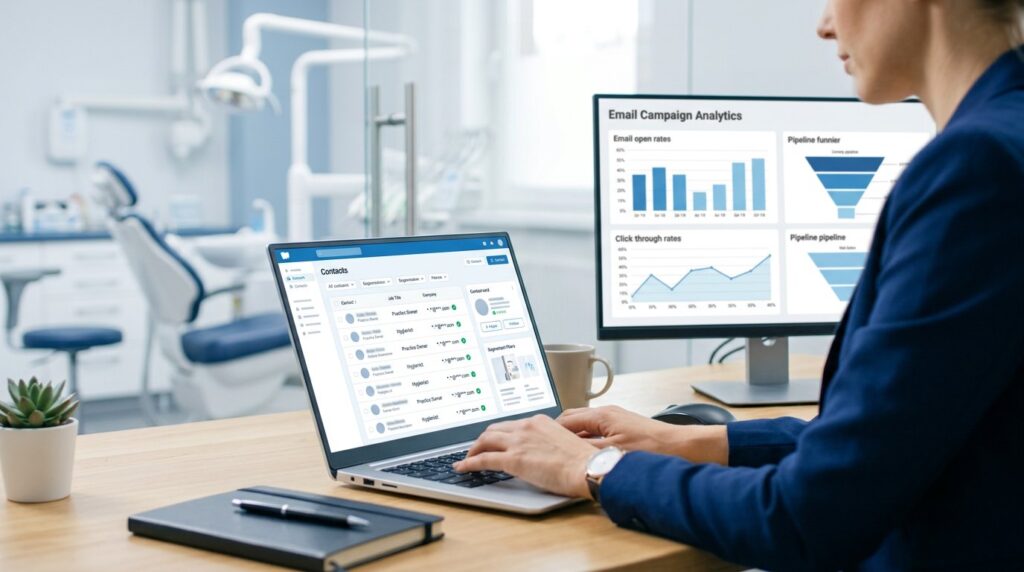
High quality Dentists Email Lists are collections of professional contact information used by businesses and organizations to communicate with dentists, dental practices, and relevant decision makers. Useful lists are not simply large spreadsheets of addresses. Their value depends on lawful sourcing, accuracy, recency, segmentation, deliverability, appropriate targeting, and whether the sender has a valid basis to contact the recipients under the privacy and electronic marketing rules that apply to the campaign.
Dental professionals receive numerous commercial messages, making relevance particularly important. Sending the same generic promotion to thousands of addresses can generate complaints, damage sender reputation, and produce poor results even when the underlying contact information is technically correct.
A more sustainable approach combines reliable business data with careful segmentation, transparent communication, appropriate compliance processes, and genuinely relevant offers.
What Are Dentists Email Lists?
Dentists Email Lists are databases containing professional or business contact records associated with dentists and dental organizations.
Depending on their purpose and source, records might include:
• Dentist name
• Professional email address
• Dental practice name
• Business telephone number
• Practice address
• City or region
• Professional role
• Dental specialty
• Practice website
• Organization type
• Other legitimate business information
The presence of an email address in a database does not automatically give every organization unrestricted permission to send marketing messages to it.
Why Businesses Use Dentists Email Lists
Dental practices purchase products and services ranging from clinical equipment to accounting, software, recruitment, education, and practice management solutions.
B2B marketers may therefore use professional contact data to identify organizations likely to benefit from a relevant product.
Common Dental B2B Audiences
Potential audiences include:
• General dentists
• Orthodontists
• Periodontists
• Prosthodontists
• Endodontists
• Pediatric dentists
• Oral and maxillofacial surgeons
• Practice owners
• Dental group executives
• Practice managers
Not every offer is relevant to every role.
Relevance Improves Outreach Quality
A company selling orthodontic laboratory products may benefit from targeting orthodontic practices rather than emailing every dental professional in a country.
Segmentation reduces wasted communication and can create a better recipient experience.
9 Tips for Better Dentists Email Lists
Database quality should be evaluated before campaign volume.
1. Prioritize Accuracy Over List Size
A database containing 10,000 outdated or irrelevant records can be less useful than a much smaller collection of verified, appropriately targeted contacts.
Poor quality addresses can create:
• Hard bounces
• Misdelivery
• Spam complaints
• Wasted sales activity
• Damaged sender reputation
• Incorrect personalization
Ask data providers how records are sourced and maintained.
2. Verify How Contact Data Was Collected
Professional information can come from public business sources, direct submissions, customer relationships, licensed datasets, directories, event registrations, or other channels.
Each source can create different legal and ethical considerations.
Ask the Provider Specific Questions
Before acquiring a dental contact database, ask:
• Where did the data originate?
• When was it last verified?
• How is accuracy checked?
• Which countries are represented?
• Are addresses individual or practice level?
• How are opt outs handled?
• What rights permit the provider to supply the data?
• What restrictions apply to its use?
Vague claims such as 100 percent compliant should not replace specific answers.
3. Segment by Dental Specialty
Dental specialties have different clinical and business needs.
Create segments when the distinction is genuinely relevant to the offer.
Specialty information should itself be accurate and current.
4. Segment by Geography
Location can matter when selling regional services, equipment requiring onsite installation, events, or products with limited distribution.
Geographic targeting can occur at country, state, region, metropolitan area, or other appropriate levels.
5. Target Appropriate Decision Makers
A dentist is not always responsible for every purchasing decision.
Practice managers, procurement teams, clinical directors, IT staff, or group executives may be more relevant for particular products.
6. Regularly Maintain the Database
Dentists can move practices, change roles, retire, or update their contact details.
Dental practices can merge, relocate, or close.
A database therefore needs ongoing maintenance rather than one time verification.
7. Track Suppression and Opt Out Information
People who validly opt out should not simply reappear because a new list was purchased later.
Organizations need a suppression process that prevents inappropriate recontact.
8. Protect the Data
Contact databases can contain personal data even when used in a business context.
Implement access controls, secure storage, appropriate retention, and contractual safeguards.
9. Measure Business Outcomes
List size and open rates do not tell the whole story.
Evaluate qualified replies, meetings, opportunities, conversions, revenue, complaints, bounce rates, and unsubscribes.
Building Dentists Email Lists Responsibly
Building your own database can provide greater control over data provenance and relevance.
Use First Party Relationships
Organizations can collect professional contact details through legitimate interactions such as:
• Website inquiries
• Demonstration requests
• Customer accounts
• Conference meetings
• Webinar registrations
• Content downloads
• Sales conversations
• Newsletter signups
The notices and permissions required depend on what data is collected and how it will subsequently be used.
Maintain Source Information
Record where relevant contact information came from and when it was collected.
Source data can help an organization assess whether a particular marketing use is appropriate later.
Keep Preferences Connected to the Contact
If someone changes communication preferences, that information should travel with the record across relevant systems.
Disconnected sales and marketing databases can otherwise cause repeated unwanted contact.
Buying Dentists Email Lists
Purchased databases can provide rapid market coverage but require careful due diligence.
The buyer remains responsible for how it uses contact information.
Evaluate the Vendor
A reputable provider should explain:
• Data sources
• Geographic coverage
• Available fields
• Verification methodology
• Update frequency
• Licensing conditions
• Data protection processes
• Replacement policies for invalid records
• Suppression procedures
A vendor should not promise campaign outcomes simply because addresses have been verified.
Understand the License
Purchasing data may mean acquiring a limited license rather than unrestricted ownership.
Terms can restrict resale, redistribution, number of users, or permitted purposes.
Review the agreement before importing the records into your CRM.
Dentists Email Lists and Legal Compliance
Email marketing requirements vary significantly between jurisdictions.
A campaign that is permissible under one country’s rules may require a different approach in another.
This section provides general information, not legal advice.
United States Email Marketing
Commercial email in the United States is regulated in part by the CAN SPAM Act.
Among other requirements, commercial messages generally need accurate header information, nondeceptive subject lines, appropriate identification and address information, and a functioning mechanism for recipients to opt out.
CAN SPAM does not create unrestricted permission to harvest addresses or ignore other applicable laws.
European Union
EU campaigns can involve the General Data Protection Regulation as well as national laws implementing electronic communications requirements.
Businesses need an appropriate lawful basis for processing personal data, while direct electronic marketing can be subject to additional rules.
The fact that someone is a dentist does not remove data protection considerations.
United Kingdom
UK organizations may need to consider the UK GDPR, Data Protection Act 2018, and Privacy and Electronic Communications Regulations.
Rules can differ depending on whether the recipient is a corporate subscriber, sole trader, partnership, or individual.
Consult Qualified Counsel for Your Campaign
Cross border marketing becomes particularly complex because sender location is not necessarily the only relevant jurisdiction.
Legal review can be appropriate before launching large scale campaigns involving purchased personal data.
Dentists Email Lists and Consent
Consent is one possible legal basis or permission mechanism, but the terminology should be used carefully.
Do Not Assume Public Equals Consent
A professional email address appearing on a dental website does not automatically mean the individual consented to receive every type of commercial email.
Public availability and permission for marketing are distinct questions.
Legitimate Interests
Under GDPR frameworks, some organizations may consider legitimate interests for certain forms of B2B processing.
This requires an actual assessment rather than simply writing legitimate interests in a privacy policy.
Separate electronic marketing rules may also apply.
Email Verification for Dental Contact Data
Verification tools like Clearout can help identify technical issues with email addresses.
They cannot establish all aspects of legal permission, relevance, or recipient interest.
What Verification Can Help Detect
Depending on the service, verification can identify:
• Invalid syntax
• Nonexistent domains
• Certain undeliverable mailboxes
• Disposable addresses
• Some role based accounts
• Other delivery risks
Results are estimates rather than absolute guarantees.
Verification Is Not Consent
An address can be technically deliverable while still being inappropriate for your campaign.
Keep deliverability and compliance assessments separate.
Segmenting Dentists Email Lists
Segmentation can improve relevance by matching an offer to the correct audience.
By Specialty
Examples include general dentistry, orthodontics, pediatric dentistry, periodontics, endodontics, and prosthodontics.
By Practice Type
Potential categories can include:
• Independent practices
• Multi location dental groups
• Specialist clinics
• Academic institutions
• Community clinics
• Dental service organizations
Use classifications that are meaningful for the specific campaign.
By Job Role
An equipment purchase may require a practice owner or procurement decision maker.
A software product could involve administrators or IT stakeholders.
Avoid Sensitive Profiling
Do not infer unnecessary health, demographic, or other sensitive information about dentists simply to improve targeting.
Collect and process only data appropriate to a legitimate business purpose.
How to Write B2B Emails to Dentists
Strong campaigns respect the recipient’s time.
Start With Relevance
Explain quickly why the message is relevant to a dental professional or practice.
Avoid generic introductions that could have been sent to any industry.
Keep Claims Accurate
Healthcare professionals are accustomed to evidence based claims.
If promoting a clinical product, do not exaggerate safety, effectiveness, regulatory approval, or patient outcomes.
Marketing claims may be subject to specific medical device, pharmaceutical, professional, or advertising requirements depending on the product.
Use Clear Calls to Action
The recipient should understand what you are asking them to do.
Examples include requesting specifications, booking a demonstration, registering for an educational event, or reviewing a relevant resource.
Subject Lines for Dental Outreach
Subject lines should accurately represent the email.
Avoid deceptive tactics designed to make a cold message look like an existing conversation.
Keep Subject Lines Specific
A strong subject might reference a genuine business problem or product category.
Misleading urgency can increase complaints and undermine trust.
Avoid Unsupported Promises
Claims such as guaranteed patient growth or guaranteed revenue should not be used unless they can genuinely be substantiated and comply with applicable advertising law.
Deliverability and Dentists Email Lists
Email deliverability describes whether a message reaches the intended mailbox rather than being rejected or filtered.
Authenticate Your Sending Domain
Organizations should implement modern email authentication correctly.
Relevant technologies include SPF, DKIM, and DMARC.
Technical configuration should be performed carefully because incorrect settings can affect legitimate mail.
Maintain Sender Reputation
High bounce rates, complaints, and indiscriminate volume can damage sending reputation.
Quality targeting and list hygiene are more sustainable than attempting to maximize daily send counts.
Respect Unsubscribes Promptly
A clear opt out process reduces unwanted communication and is required in many commercial email contexts.
Suppression should persist appropriately across future campaigns.
CRM Integration for Dentists Email Lists
A customer relationship management system can organize contact records and sales activity.
Avoid Duplicate Records
Duplicates can result in the same dental practice receiving multiple copies of a campaign.
Use consistent identifiers and deduplication processes.
Maintain Record History
Useful CRM data can include the original source, verification date, marketing status, previous communications, and relevant account notes.
This helps sales and marketing teams avoid contradictory outreach.
Dentists Email Lists for Dental Equipment Marketing
Dental equipment often involves higher purchase values and longer sales cycles than everyday consumables.
Email should therefore support a broader sales process rather than attempt to close complex purchases immediately.
Provide Useful Technical Information
Decision makers may want:
• Product specifications
• Installation requirements
• Warranty information
• Maintenance needs
• Training availability
• Regulatory status
• Financing options where applicable
• Demonstration access
Accurate technical documentation strengthens credibility.
Dentists Email Lists for Dental Software
Software marketing can focus on workflow problems relevant to a particular practice.
Potential categories include scheduling, practice management, imaging, communications, billing, analytics, and other business functions.
Protect Patient Data
Software processing patient information can trigger substantial privacy and security requirements.
Vendors should explain their security architecture, contractual arrangements, data handling, and applicable compliance measures rather than relying on vague statements such as fully secure.
Measuring a Dental Email Campaign
Email metrics should connect to commercial goals.
Delivery Metrics
Monitor delivery, hard bounces, and technical failures.
A sudden deterioration may indicate data quality or sender configuration problems.
Engagement Metrics
Clicks and replies can provide useful information, though privacy features in modern mail clients can make some open rate measurements less reliable.
Sales Metrics
Ultimately, B2B campaigns can be evaluated through:
• Qualified conversations
• Demonstrations
• Sales opportunities
• Proposals
• Conversions
• Customer acquisition cost
• Revenue
These metrics reveal whether the database reaches relevant buyers.
Common Mistakes With Dentists Email Lists
Poor practices can undermine both compliance and campaign performance.
Avoid:
• Buying data without investigating its source
• Sending to every dentist regardless of relevance
• Ignoring geographic laws
• Treating email verification as marketing consent
• Keeping outdated contacts indefinitely
• Readding opted out recipients
• Making unsupported healthcare claims
• Using misleading subject lines
• Ignoring domain authentication
• Storing databases insecurely
A smaller, targeted campaign can outperform mass unsolicited outreach.
How to Choose a Dentists Email Lists Provider
Evaluate providers on evidence rather than the advertised number of records.
Ask About Data Recency
Find out when records were last checked and what verified actually means.
A vendor may verify email deliverability without verifying specialty, employment, or decision making role.
Request a Data Dictionary
A data dictionary explains fields, definitions, formats, and possible values.
This helps determine whether the database can support your required segmentation.
Review Compliance Documentation
Ask how data was acquired and what legal basis or permissions the provider relies upon for licensing it to customers.
Your own organization should independently assess whether the intended use is lawful.
Test Before Scaling
Where lawful and contractually permitted, begin with a limited, carefully targeted segment.
Evaluate data accuracy, delivery, responses, complaints, and commercial relevance before committing to a much larger campaign.
Frequently Asked Questions
What are Dentists Email Lists?
Dentists Email Lists are databases containing professional contact information for dentists, dental practices, specialists, or relevant dental business decision makers.
Is it legal to buy Dentists Email Lists?
Purchasing business data can be lawful in some circumstances, but the collection, licensing, processing, and marketing use must comply with the laws applicable to the relevant jurisdictions.
How can I verify a dentist email list?
Assess the data source and recency, use appropriate technical email verification, check professional information against reliable sources, and maintain suppression and update processes.
Can I send marketing emails to dentists?
Potentially, but requirements depend on the recipient type, jurisdiction, data source, and applicable privacy and electronic marketing laws. Obtain legal advice for uncertain campaigns.
What information should a dentist email database contain?
Useful fields can include professional name, practice, role, specialty, business email, location, website, data source, and verification date where legitimately collected.
How often should Dentists Email Lists be updated?
There is no universal interval. Contact data should be monitored and updated regularly because professionals change practices, roles, addresses, and communication preferences.
Conclusion
Dentists Email Lists can support targeted B2B marketing when contact information is accurate, current, relevant, securely managed, and obtained from defensible sources. Effective outreach depends on segmentation and useful messaging rather than maximizing the number of emails sent. Businesses should also distinguish technical verification from legal permission and account for the privacy and electronic marketing rules applying in each target jurisdiction. Combining responsible data governance with careful targeting and measurable sales objectives creates a stronger foundation for sustainable dental industry outreach