
Electric bikes have changed how people move, commute, and explore. Once a niche product, eBikes are now one of the fastest-growing categories in the world of personal...
Electric bikes have changed how people move, commute, and explore. Once a niche product, eBikes are now one of the fastest-growing categories in the world of personal transport. An eBike combines a regular bicycle frame with an electric motor and a rechargeable battery, giving you a boost of power that makes hills easier, commutes faster, and long rides more enjoyable. This guide explains what eBikes are, the key specs that matter, and how to choose the right electric bike for your lifestyle.
What Is an eBike?
An eBike is a bicycle that uses an electric motor to assist your pedaling. It still rides like a normal bike, but the motor adds power when you pedal, so you can go farther, climb steeper hills, and reach your destination with less effort. Most models let you adjust how much assistance you get, from a gentle push to a strong boost.
The system is built around three main parts: the battery, the motor, and the controller. The battery stores energy and determines how far you can travel. The motor drives the wheels, and the controller manages how power flows to deliver a smooth ride. Choosing the right combination of these parts is what separates a great eBike from a mediocre one.
Different Types of eBikes
eBikes come in several styles, each suited to a different use. Here are the main categories:
- City and commuter eBikes. Designed for urban riding, they are comfortable, efficient, and great for daily commutes. First, they usually have a smooth ride, practical accessories, and a range that handles a daily trip with ease.
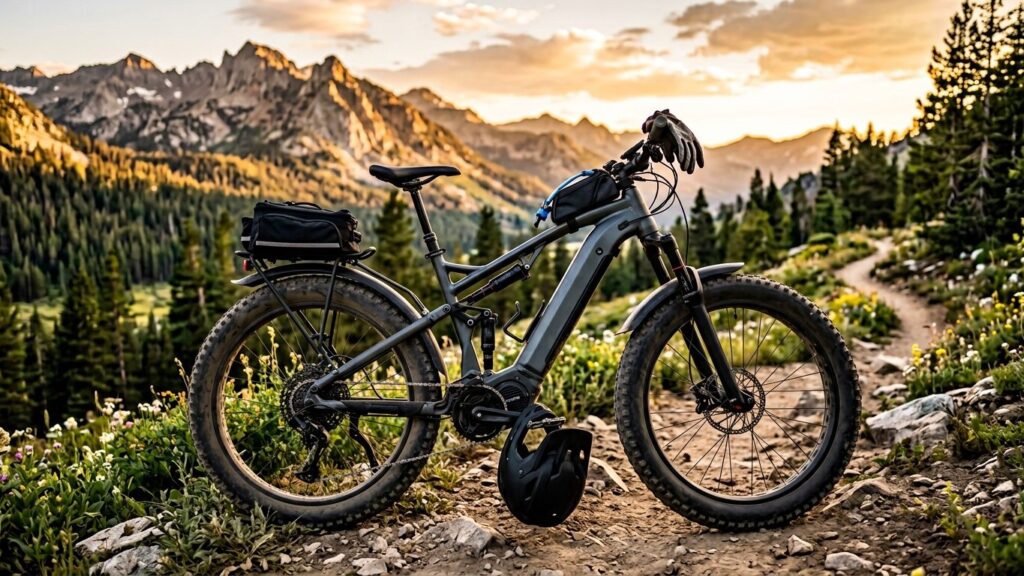
- Fat-tire and off-road eBikes. These have wide, rugged tires and strong motors, built to handle trails, sand, gravel, and uneven ground. They offer grip and stability, which makes them a favorite for adventure and recreation.
- Moped-style eBikes. These blend a bicycle with a moped look, often featuring a step-through frame and a more relaxed riding position. They are comfortable and fun, and they give a sturdy, confident feel on the road.
- Electric dirt bikes. For riders who want a more powerful, off-road experience, these models pack high-output motors and aggressive suspension. They are made for teens and adults who enjoy tackling tough terrain and want serious performance.
Choosing a type depends on where you will ride. Think about your terrain, your commute, and whether you want comfort or performance.
Key Specs to Understand
Several specs determine how well an eBike fits your needs. Understanding them helps you choose wisely.
Battery capacity. This is measured in volts and amp-hours, such as 48V 15Ah. A higher capacity generally means a longer range, so you can ride farther between charges.
Motor power. Motor output is measured in watts, like 1000W or peak 4000W. More wattage gives more torque and acceleration, which matters on hills and off-road. A peak rating often shows the motor’s maximum brief output.
Range. This is how far the bike can travel on a single charge, typically measured in miles. Real-world range depends on your weight, terrain, speed, and the level of assistance you use. Keep in mind that riding fast, uphill, or with maximum assist drains the battery quicker.
Torque. Measured in newton-meters, torque affects how strongly the bike climbs. Higher torque means better hill-climbing and acceleration, especially when carrying a load.
Weight capacity. Most eBikes have a maximum rider and cargo weight, often around 300 to 400 pounds. Check this against your needs so the bike stays safe and performs well.
Battery Range and Charging
Range is often the number one concern for buyers. A bike rated for a certain range on paper may not hit that figure in real life. Conditions like hills, wind, cold weather, and how much you rely on the motor all change the outcome. For a regular commute, a mid-range battery usually works well. For long adventures or off-road riding, a larger battery gives you more freedom, though it adds weight.
Charging is simple. Most riders plug their eBike in overnight and start each day with a full battery. Over time, the battery will naturally hold less charge, so it is worth considering the cost and availability of replacement batteries as the bike ages.
How to Choose the Right eBike
Choosing an eBike comes down to a few simple questions. First, consider your main use. Are you commuting, riding trails, or simply having fun? Your answer points you toward the right style.
Next, think about the terrain you will cover. Flat roads need less power than steep hills and rough trails. Off-road riders will want a robust motor, fat tires, and good suspension.
Then, match your budget to the features you value. More power and longer range usually cost more, and a quality battery and motor are worth paying for. Finally, make sure the bike fits you. Comfort is essential, so test the size, the riding position, and how it feels to handle.
Frequently Asked Questions
What is an eBike?
An eBike is a bicycle with an electric motor and a rechargeable battery. The motor assists your pedaling, so you can go farther, climb hills, and ride with less effort. It still rides like a normal bike, but with a power boost.
How far can an eBike go on a single charge?
It depends on the bike and the conditions. Range is measured in miles and varies with battery capacity, rider weight, terrain, and speed. Riding uphill, fast, or with maximum assist uses more power and reduces range.
What motor power do I need?
It depends on your use. A moderate motor, around 1000W, handles most commuting and casual riding. A more powerful motor, such as a peak 4000W or higher, suits hilly and off-road riding where torque and acceleration matter.
What is the difference between an eBike and an electric dirt bike?
An eBike is a pedal-assist bicycle you still pedal. An electric dirt bike is usually a more powerful, off-road machine designed for trail and track riding, often with a higher-output motor and more aggressive suspension, made for performance rather than casual commuting.
Are eBikes good for off-road riding?
Yes, especially fat-tire and off-road models. They use wide tires, strong motors, and good suspension to handle trails, sand, and gravel. Choose a model built for rugged terrain if you plan to ride off-road.
How long does an eBike battery last?
A battery lasts several years of regular use before it begins to hold noticeably less charge. With care, most riders get years of reliable service. Replacement batteries are usually available for purchase when the original eventually wears out.
Conclusion
eBikes are a smart and enjoyable way to get around, whether you are commuting, exploring the outdoors, or simply looking for a fun ride. By understanding the key specs, such as motor power, battery capacity, range, and torque, you can make a confident choice that fits your needs. The best eBike for you is the one that matches your terrain, your riding style, and your budget. With the right model, you get a comfortable ride, more freedom, and an easier way to reach the places that matter to you.