
Clean and safe drinking water is essential for public health, communities, and the environment. Governments and environmental organizations work continuously to monitor water quality, control...
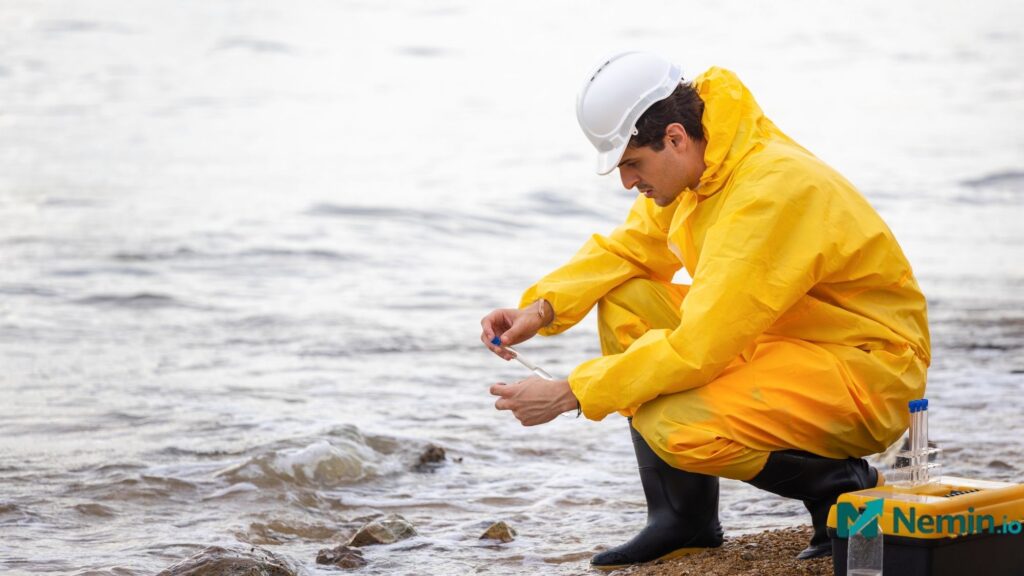
Clean and safe drinking water is essential for public health, communities, and the environment. Governments and environmental organizations work continuously to monitor water quality, control contaminants, and establish guidelines that help protect people from potential risks. The Environmental Protection Agency plays an important role in creating drinking water standards and providing guidance to improve water safety across the United States.
When people think about water quality, they often focus only on whether water is safe to drink. However, water quality also affects taste, appearance, odor, plumbing systems, and overall consumer confidence. Through scientific research, regulations, and monitoring programs, the Environmental Protection Agency helps establish standards that guide water suppliers and communities in maintaining reliable drinking water systems.
What Is the Environmental Protection Agency?
The Environmental Protection Agency (EPA) is a federal organization responsible for protecting human health and the environment. It develops regulations, conducts research, and provides guidance related to issues such as air quality, water protection, chemical safety, and pollution control.
One important area of EPA’s work is protecting drinking water sources and helping ensure that public water systems provide water that meets established quality requirements.
The agency works on:
- Drinking water protection
- Pollution prevention
- Environmental research
- Water quality monitoring
- Public health guidelines
- Contaminant management
Through these efforts, the EPA helps communities better understand and manage environmental risks.
The Role of the Environmental Protection Agency in Drinking Water Safety
The Environmental Protection Agency helps establish drinking water standards that guide public water systems in managing contaminants. These standards are designed to protect consumers and maintain confidence in drinking water quality.
The EPA separates drinking water standards into two major categories:
- Primary drinking water standards
- Secondary drinking water standards
Each category has a different purpose.
Understanding Primary Drinking Water Standards
Primary drinking water standards focus on protecting public health. These standards regulate contaminants that may cause health concerns when present above certain levels.
Public water systems must follow these legally enforceable requirements to help ensure drinking water remains safe for consumers.
Primary standards address contaminants such as:
- Microorganisms
- Chemicals
- Disinfectants
- Radiological substances
- Other potentially harmful materials
These standards establish maximum contaminant levels and treatment requirements designed to reduce health risks.
Understanding Secondary Drinking Water Standards
Secondary drinking water standards focus on water qualities that affect appearance, taste, and smell rather than direct health concerns.
The Environmental Protection Agency establishes these guidelines to help water systems manage issues that may make water less appealing to consumers.
Secondary standards address concerns such as:
- Unpleasant taste
- Odor problems
- Water color
- Staining
- Mineral buildup
These guidelines help maintain better overall water quality and improve consumer satisfaction.
What Are Nuisance Chemicals in Drinking Water?
Nuisance chemicals are substances that may affect the quality or appearance of drinking water without necessarily creating a significant health risk at recommended levels.
These contaminants can create problems such as:
- Metallic taste
- Bad odors
- Cloudy appearance
- Water discoloration
- Plumbing issues
The Environmental Protection Agency provides guidance on managing these substances through secondary drinking water standards.
Examples of contaminants associated with secondary standards include:
- Iron
- Manganese
- Copper
- Chloride
- Sulfate
- Total dissolved solids
- Zinc
- pH-related issues
These substances may affect how consumers experience their water, even when the water meets health-based safety standards.
Why Does Water Quality Matter?
Water quality affects many aspects of daily life. Beyond drinking, people use water for cooking, cleaning, bathing, and household activities.
Poor water quality may lead to:
- Unpleasant taste
- Strange odors
- Stained fixtures
- Damaged plumbing equipment
- Reduced confidence in public water supplies
Maintaining good water quality helps protect household systems and ensures that communities have access to dependable water resources.
How Does the Environmental Protection Agency Monitor Water Contaminants?
The EPA uses scientific research, risk assessments, and regulatory processes to evaluate contaminants found in drinking water.
The process may include:
Identifying Potential Contaminants
Scientists study substances that may appear in water supplies and evaluate their potential effects.
Evaluating Health and Environmental Risks
Researchers examine available information to determine whether a contaminant may create risks for communities.
Establishing Guidelines or Regulations
Based on scientific findings, the EPA may develop standards or guidance to help manage specific contaminants.
Supporting Water Systems
The agency provides information and resources that help water suppliers improve treatment processes and maintain quality standards.
Common Drinking Water Quality Issues
Water Taste and Odor Problems
Some contaminants can create noticeable changes in taste or smell. These issues may come from naturally occurring minerals, treatment processes, or changes in water conditions.
Discoloration
Water may appear yellow, brown, or cloudy because of minerals, metals, or other substances.
Iron and manganese are common examples of contaminants that may cause staining or color changes.
Hard Water and Mineral Deposits
High levels of dissolved minerals can contribute to scaling on pipes, faucets, and appliances.
While hard water is not usually considered a direct health concern, it can create maintenance challenges.
Corrosion and Plumbing Problems
Certain water conditions can contribute to corrosion of household plumbing systems.
Corrosion may lead to:
- Metallic taste
- Pipe damage
- Staining
- Reduced equipment lifespan
How Water Treatment Helps Improve Quality
Water treatment facilities use different technologies to manage contaminants and improve water quality.
Common treatment methods include:
Filtration
Filtration removes particles and certain contaminants from water.
Activated Carbon Treatment
Activated carbon can help reduce some substances responsible for taste, odor, and color issues.
Corrosion Control
Water systems may adjust water chemistry to reduce corrosion in pipes and distribution systems.
Advanced Treatment Methods
Some systems use advanced technologies to address specific water quality challenges.
What Can Consumers Do About Water Quality Concerns?
Individuals who notice changes in their water can take several steps to better understand the issue.
Contact the Local Water Provider
The first step is often contacting the local water system. Providers can provide information about testing, monitoring, and water quality reports.
Test Private Wells
People using private wells should consider regular testing because private water sources are not managed in the same way as public water systems.
Maintain Household Plumbing
Regular maintenance of plumbing systems can help reduce issues related to corrosion, buildup, and water quality changes.
Learn About Local Water Conditions
Understanding local water sources and common regional issues can help homeowners make informed decisions.
The Importance of Environmental Protection and Water Management
Protecting water resources requires cooperation between government agencies, communities, industries, and individuals.
The Environmental Protection Agency contributes by creating standards, supporting research, and providing guidance that helps protect drinking water supplies.
Effective water management includes:
- Protecting water sources
- Improving treatment methods
- Monitoring contaminants
- Maintaining infrastructure
- Educating communities
These efforts help create stronger and more reliable water systems.
Future Challenges in Drinking Water Protection
Water quality protection continues to evolve as new environmental challenges emerge.
Future priorities may include:
- Monitoring emerging contaminants
- Improving treatment technologies
- Protecting aging infrastructure
- Addressing climate-related impacts
- Expanding scientific research
Continued investment in water protection helps communities prepare for future challenges.
Conclusion
The Environmental Protection Agency plays a vital role in protecting drinking water quality through scientific research, safety standards, and environmental guidance. By establishing primary and secondary drinking water standards, the agency helps address both health-related risks and water quality concerns that affect everyday experiences.
Understanding how water regulations work allows individuals and communities to make better decisions about water safety and management. Through responsible monitoring, improved treatment methods, and continued environmental protection efforts, reliable access to clean water can be maintained for future generations.
Frequently Asked Questions (FAQs)
What does the Environmental Protection Agency do for drinking water?
The Environmental Protection Agency develops regulations and guidelines that help protect drinking water quality and manage contaminants.
Are secondary drinking water standards required by law?
Secondary drinking water standards are generally guidelines designed to address taste, odor, color, and other aesthetic concerns rather than direct health risks.
What types of contaminants does the EPA regulate?
The EPA regulates various contaminants, including microorganisms, chemicals, disinfectants, and substances that may affect drinking water safety.
Why are water taste and odor problems monitored?
Taste and odor issues can affect consumer confidence and indicate changes in water quality, even when water meets safety requirements.
How can I check my local drinking water quality?
You can contact your local water provider or review available water quality information to learn more about local testing and monitoring.
Does the Environmental Protection Agency regulate private wells?
Private wells are generally not regulated like public water systems. Private well owners are responsible for testing and maintaining their own water supplies.
How does the EPA help communities improve water quality?
The EPA supports communities through research, standards, technical guidance, and programs designed to improve drinking water protection.
Why are drinking water standards important?
Drinking water standards help maintain safe, reliable water supplies and provide guidance for managing contaminants that may affect water quality.