
Modern corporate events are increasingly sophisticated productions that combine in-person experiences with professional audio, video, lighting, presentation technology, branding, content, and sometimes remote participation. Event production...
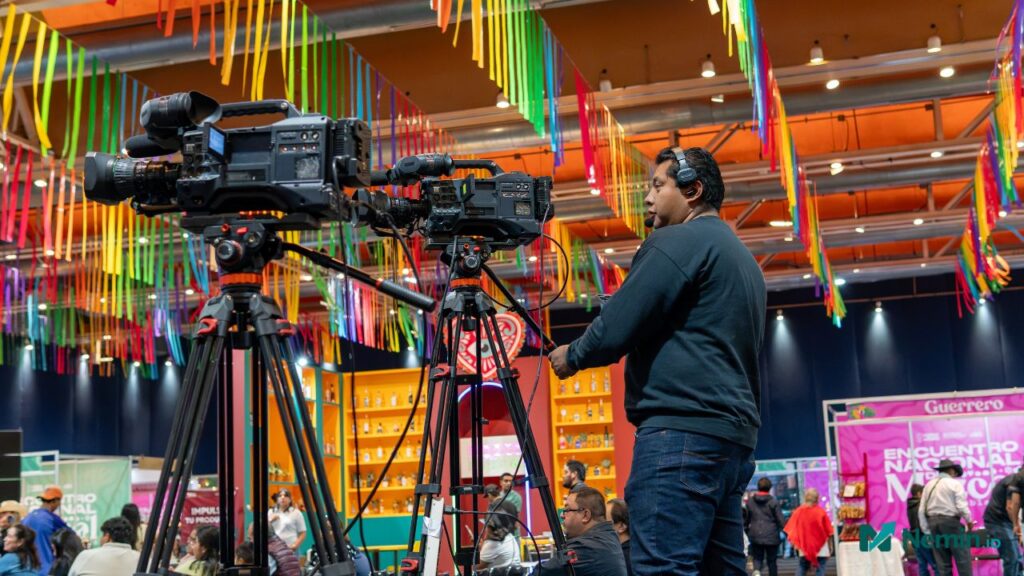
Modern corporate events are increasingly sophisticated productions that combine in-person experiences with professional audio, video, lighting, presentation technology, branding, content, and sometimes remote participation. Event production companies San Diego businesses hire can bring these technical and operational elements together under a coordinated production plan, helping internal teams manage conferences, product launches, executive meetings, awards programs, trade events, and other business gatherings without independently overseeing every technical detail.
Professional production does not mean an event automatically succeeds. Content, audience relevance, venue choice, budget, speakers, hospitality, accessibility, and planning all influence the outcome. Production companies primarily help turn an event concept into a technically workable experience by coordinating equipment, people, schedules, and live execution.
For companies organizing events in San Diego, that expertise can become particularly useful when programs involve multiple presenters, complex staging, large audiences, livestreaming, recording, or strict venue schedules.
Why Event Production Companies San Diego Businesses Hire Remain Important
Corporate communication has changed. Audiences accustomed to high-quality digital media may notice poor sound, unreadable presentations, awkward transitions, or inconsistent video more readily than in the past.
A production partner helps manage the technical environment so presenters and internal organizers can concentrate more of their attention on content, guests, customers, and business objectives.
Event production companies San Diego organizations consider may provide audiovisual engineering, lighting, staging, scenic design, video production, show calling, technical direction, livestreaming, and related services. Exact capabilities vary substantially by company.
What Do Event Production Companies San Diego Actually Do?
An event production provider typically translates a creative or business brief into practical production requirements.
That process can include reviewing the venue, determining equipment needs, preparing technical drawings or plans, coordinating labor, establishing run-of-show procedures, setting up systems, testing equipment, managing the live program, and completing post-event breakdown.
Depending on scope, a provider may coordinate:
• Audio systems and microphones
• Video screens and projection
• LED displays
• Stage and scenic elements
• Lighting systems
• Presentation management
• Cameras and recording
• Livestream or hybrid-event systems
• Show calling and technical direction
• Production crews
• Equipment logistics
• Rehearsals and technical testing
Clients should confirm exactly which responsibilities are included in a proposal because “full-service production” does not have one universal definition.
1. Event Production Companies San Diego Provide Specialized Technical Expertise
A corporate event can require several technical disciplines operating simultaneously. Audio engineers, lighting technicians, video operators, camera teams, presentation specialists, stage managers, and technical directors may all contribute to the same program.
The work becomes more complex when one technical decision affects another.
A large video display, for example, can influence stage dimensions, electrical requirements, rigging considerations, camera composition, room sightlines, and lighting choices.
Professional Audio for Corporate Events
Clear speech is fundamental to conferences, meetings, and presentations. Audio planning should consider room size, audience layout, presenter movement, panel formats, playback requirements, and venue characteristics.
Microphone selection also depends on use. A lectern presentation, moderated panel, audience question session, and live performance can require different audio configurations.
Event production companies San Diego teams use should assess these requirements before equipment arrives onsite.
Video Systems and Presentation Management
Corporate presentations may include slides, animations, remote contributors, videos, demonstrations, and multiple presentation sources.
Production teams can establish workflows for collecting, checking, organizing, and displaying presentation media reliably.
Technical Rehearsals Reduce Avoidable Problems
Rehearsals give presenters and technicians an opportunity to verify microphones, media, stage movement, cues, lighting, and transitions.
No rehearsal can eliminate every live-event risk, but testing can identify many preventable problems before guests enter the room.
2. Event Production Companies San Diego Can Create More Consistent Brand Experiences
Corporate events are often extensions of broader marketing and communications strategies. The stage, screens, signage, graphics, videos, lighting, and presentation templates can all influence how a brand is represented.
A coordinated production approach can help these visual elements feel consistent rather than assembled independently.
Translate Brand Guidelines Into a Physical Environment
Brand colors designed for a website or printed document do not always appear identical when displayed on LED screens or created with stage lighting.
Production teams can work with creative and marketing departments to determine how approved brand assets should be adapted to the event environment.
Event production companies San Diego businesses select should understand which visual elements are fixed brand requirements and where creative interpretation is acceptable.
Keep Presentations Visually Consistent
When many speakers submit their own slides, inconsistent formatting can quickly make a program look fragmented.
Providing templates, submission deadlines, aspect-ratio requirements, video specifications, and presentation instructions can improve consistency.
A presentation management process can also reduce last-minute reliance on speakers connecting unfamiliar personal devices directly to show systems.
3. Businesses Use Event Production Companies San Diego for Complex Logistics
Production equipment does not simply appear in a ballroom. It must arrive, enter the venue, be installed, tested, operated, and removed within specific time windows.
That requires coordination among the client, venue, production provider, decorators, caterers, speakers, security, and other suppliers.
Plan Load-In and Load-Out Carefully
Venue access can affect the entire schedule. Loading docks, freight elevators, door dimensions, vehicle restrictions, labor requirements, and other conditions may influence how quickly equipment can be moved.
Event production companies San Diego planners work with should obtain relevant venue information well before show day.
A realistic schedule should leave appropriate time for setup, testing, rehearsal, program changes, and contingencies.
Coordinate Venue Requirements
Hotels, convention spaces, theatres, outdoor venues, and private event spaces can each operate differently.
Clients and production providers should clarify electrical services, internet, rigging, fire and life-safety requirements, insurance, labor rules, exclusive vendor arrangements, access times, and other applicable policies.
Never Assume Venue Services Are Included
Internet connections, rigging points, power distribution, security, equipment storage, or technical labor may carry additional charges depending on the location.
Review venue agreements and production estimates together to identify responsibilities and potential costs before commitments are finalized.
4. Event Production Companies San Diego Support Hybrid and Livestream Events
Some corporate events include audiences beyond the physical venue. Livestreaming can allow employees, clients, partners, or other approved viewers to participate remotely.
Hybrid production, however, is more than placing one camera in the back of the room.
Design for Both In-Person and Online Audiences
An onsite audience can see the entire stage and hear sound through the room system. Remote viewers experience only the feeds provided to them.
That means camera framing, graphics, presentation feeds, audio mixing, remote speakers, moderation, and platform design require deliberate planning.
Event production companies San Diego organizations hire for hybrid programs should clarify how the remote experience will be produced and monitored.
Plan Internet Connectivity and Redundancy
Livestream quality depends partly on reliable connectivity. Venue Wi-Fi intended for ordinary guest use should not automatically be assumed suitable for a production-critical stream.
Discuss dedicated connectivity, bandwidth requirements, network restrictions, and appropriate backup strategies with technical professionals and the venue.
Protect Private Corporate Content
Not every corporate stream is intended for the public.
Businesses should consider platform access, registration controls, recording permissions, confidential presentation material, storage, and distribution procedures. Security requirements should reflect the sensitivity of the event and organizational policies.
5. Event Production Companies San Diego Improve Live Show Coordination
A polished event depends on timing. Speakers need to know when to walk onstage, videos need to play at the intended moment, microphones must be active, lights need to change, and presentation slides must appear correctly.
A detailed run of show organizes these cues.
Create a Clear Run of Show
The run of show can identify each segment, its timing, speaker, media requirements, stage movements, technical cues, and responsible team members.
It should be detailed enough to coordinate departments without becoming so complicated that it is difficult to use live.
Changes should be communicated through a controlled process so technical teams are not working from different versions.
Use a Show Caller or Technical Director
For complex programs, one person may coordinate live production cues across departments.
The exact title and responsibilities vary by event. What matters is establishing clear authority for timing and technical execution.
Event production companies San Diego corporate planners choose should explain how live show communication will be structured.
6. Event Production Companies San Diego Can Help Manage Production Risk
Live events always involve uncertainty. A speaker may arrive late, a presentation may change, equipment can fail, or a schedule may shift.
Professional planning aims to reduce preventable risks and establish practical responses when problems occur.
Identify Critical Technical Systems
Some systems are more consequential than others. Losing decorative lighting is different from losing program audio during a keynote.
Production teams can identify critical components and determine whether backup equipment, alternative signal paths, replacement media, spare microphones, or other contingency measures are appropriate.
The level of redundancy should reflect the event’s importance, budget, and technical risk.
Establish Communication Procedures
Crew communication becomes essential during live programs. Headsets, intercom systems, radios, or other approved communication tools can help departments coordinate without visible disruption.
Build Contingency Time Into the Schedule
An extremely compressed setup provides little room for equipment adjustments, delayed deliveries, presentation changes, or rehearsal discoveries.
When the venue and budget permit, realistic setup time can be one of the simplest forms of risk reduction.
7. Event Production Companies San Diego Help Businesses Scale Event Experiences
A small executive meeting has different production needs from a company-wide conference or major product launch.
A capable production partner can adjust crew, equipment, staging, and workflows according to scale instead of applying the same package to every event.
Match Production to Business Objectives
More technology does not automatically produce a better event.
If a gathering is designed for intimate executive discussion, large LED walls and elaborate lighting may add little value. A major sales conference, however, may justify a more immersive environment.
Event production companies San Diego businesses evaluate should be willing to recommend where investment matters most rather than simply maximizing equipment.
Build Repeatable Event Systems
Organizations producing recurring events can benefit from reusable processes.
Presentation templates, stage layouts, technical specifications, show files, vendor contacts, equipment standards, and post-event notes can reduce planning effort for future programs.
Consistency is particularly valuable when a company holds events across several venues or markets.
Choosing Event Production Companies San Diego Businesses Can Trust
Production companies vary in size, specialization, equipment inventory, staffing model, and creative approach.
Before requesting proposals, create a clear event brief describing the audience, venue, dates, format, expected attendance, agenda, business objectives, technical requirements, budget parameters, and desired deliverables.
Comparable briefs make vendor proposals easier to evaluate.
Review Relevant Corporate Event Experience
A provider experienced in concerts may have excellent technical skills but not necessarily specialize in executive conferences. Similarly, a small audiovisual supplier may be appropriate for meetings but lack the infrastructure required for a complicated multi-room program.
Ask for examples relevant to your event type and scale.
References can also provide useful information about communication, reliability, budget management, and onsite performance.
Ask Who Will Work on Your Event
The salesperson presenting a proposal may not be the person managing the production.
Ask who will serve as producer, project manager, technical director, show caller, and onsite lead where those roles are required.
Review Production Proposals in Detail
Compare more than the bottom-line price.
Check equipment quantities, labor assumptions, setup and rehearsal hours, transportation, travel, taxes, venue costs, overtime terms, internet, rigging, power, scenic work, recording, post-production, and cancellation conditions.
Different proposals can appear inexpensive simply because important items have been excluded.
Event Production Companies San Diego and Venue Selection
Production planning should ideally begin before a venue contract is finalized, especially for technically ambitious events.
A room that appears attractive during a tour may have limitations involving ceiling height, rigging, electrical capacity, sound restrictions, load-in access, internet, or available setup time.
Conduct a Technical Site Visit
A site visit allows production teams to inspect real conditions rather than relying entirely on marketing photographs and floor plans.
They may review stage location, sightlines, loading routes, control positions, power, network access, ceiling conditions, backstage areas, and equipment storage.
Event production companies San Diego planners involve early can sometimes identify constraints before they become expensive changes.
Budgeting for Professional Corporate Event Production
Event production budgets vary widely, so generic price promises are rarely useful.
Cost depends on venue, attendance, staging, screen technology, audio requirements, lighting, cameras, content, streaming, labor, schedule, transportation, permits, power, and other factors.
The production budget should be linked to event priorities.
Prioritize Spending by Audience Impact
For a presentation-heavy conference, intelligible audio and readable visual content may deserve priority over decorative additions.
For a product launch, scenic design, lighting, video, and content playback could play a larger role.
A competent provider should explain the operational or audience value behind major budget items.
Account for Labor and Overtime
Equipment is only part of event production. Skilled technicians must install, configure, operate, and remove systems.
Long schedules, overnight work, short turnarounds, union conditions where applicable, and schedule changes can influence labor costs.
Confirm assumptions early to reduce budget surprises.
Accessibility in Modern Corporate Events
Accessible design should be considered during planning rather than added at the last moment.
Needs vary according to the audience, venue, format, and applicable requirements. Consider physical access as well as communication access.
Consider Captions and Visual Readability
Captions can improve access for participants who are deaf or hard of hearing and may also help other attendees in certain environments.
Slides should use readable type sizes and appropriate contrast for viewing at distance.
Production teams can support technical delivery, while organizers remain responsible for establishing accessibility requirements and coordinating suitable accommodations.
Keep Routes and Sightlines Functional
Stage equipment, cameras, cable paths, control positions, and scenic structures should be planned in coordination with venue accessibility and safety requirements.
Qualified venue and event professionals should review layouts for applicable local requirements.
Event Production Companies San Diego and Sustainable Planning
Companies increasingly consider waste, transport, energy use, and material choices when planning events.
Production strategies can include reusable scenic elements, efficient equipment choices, reduced single-use materials, local sourcing where practical, and consolidated transport.
Sustainability claims should be specific and supportable. Avoid assuming an event is environmentally sustainable simply because some materials are reusable.
Measuring Corporate Event Performance
Production quality is only one dimension of event performance.
Depending on the objective, organizers may evaluate attendance, session participation, qualified leads, employee feedback, customer meetings, content views, survey responses, livestream engagement, or another appropriate outcome.
Event production companies San Diego clients work with may provide certain technical metrics, but business impact usually requires data from several sources.
Conduct a Post-Event Review
After the event, bring key stakeholders together to discuss what worked, what failed, and what should change.
Review technical incidents, schedule accuracy, speaker preparedness, audience feedback, vendor coordination, and budget variances.
Documenting lessons makes the next event easier to plan and can prevent repeated mistakes.
Common Mistakes When Hiring Event Production Companies San Diego
Waiting until shortly before the event to involve technical production can limit equipment availability, reduce rehearsal time, and make venue constraints harder to solve.
Selecting a provider solely on price is another risk if proposals contain significantly different equipment, staffing, or service levels.
Businesses should also avoid introducing major presentation files immediately before showtime whenever practical. Media should be tested on the actual production system.
Finally, do not add technology merely because it looks impressive. Every significant production element should support content, audience needs, brand experience, or event operations.
Building Long-Term Relationships With Event Production Companies San Diego
Recurring corporate events can become easier when production partners understand a company’s brand, presentation standards, approval process, executives, and technical preferences.
A long-term relationship should still include transparent scopes and competitive commercial discipline.
Keep records of event specifications, show files, stage designs, lessons learned, media standards, and budgets so organizational knowledge does not reside solely with an external supplier.
As programs evolve, review whether the production model continues to meet current objectives.
Frequently Asked Questions
What do event production companies San Diego businesses hire provide?
Services can include professional audio, video, lighting, staging, scenic production, livestreaming, presentation management, technical direction, crews, and show coordination.
Why hire event production companies San Diego for corporate events?
A professional provider can coordinate technical systems, staffing, schedules, venue requirements, rehearsals, and live execution while internal teams focus on business objectives and guests.
How much do event production companies San Diego charge?
Pricing varies significantly by event size, equipment, labor, venue, staging, streaming, setup schedule, and technical complexity. A detailed event brief is needed for meaningful estimates.
Can event production companies San Diego manage hybrid events?
Many providers offer livestream and hybrid production, but capabilities vary. Confirm cameras, audio, platform support, connectivity, remote-speaker workflows, recording, and technical redundancy.
When should I contact event production companies San Diego?
Contact providers as early as practical, particularly for large or technically complex events. Early involvement can improve venue coordination, equipment availability, budgeting, and planning.
How do I compare event production companies San Diego?
Compare relevant experience, proposed equipment, personnel, technical approach, venue knowledge, contingency planning, references, security considerations, and total scope rather than price alone.
Conclusion
Event production companies San Diego businesses hire can make increasingly complex corporate programs easier to plan and execute by coordinating technology, people, logistics, and live-show workflows. The strongest production strategy begins with clear business and audience objectives, then uses audio, video, lighting, staging, and digital tools where they provide genuine value. By selecting experienced partners, reviewing proposals carefully, and planning technical requirements early, businesses can create polished corporate events without allowing production complexity to overshadow the message.