
Mount Everest represents one of the greatest adventure destinations in the world. Every year, thousands of trekkers and climbers travel to the Himalayas to experience...
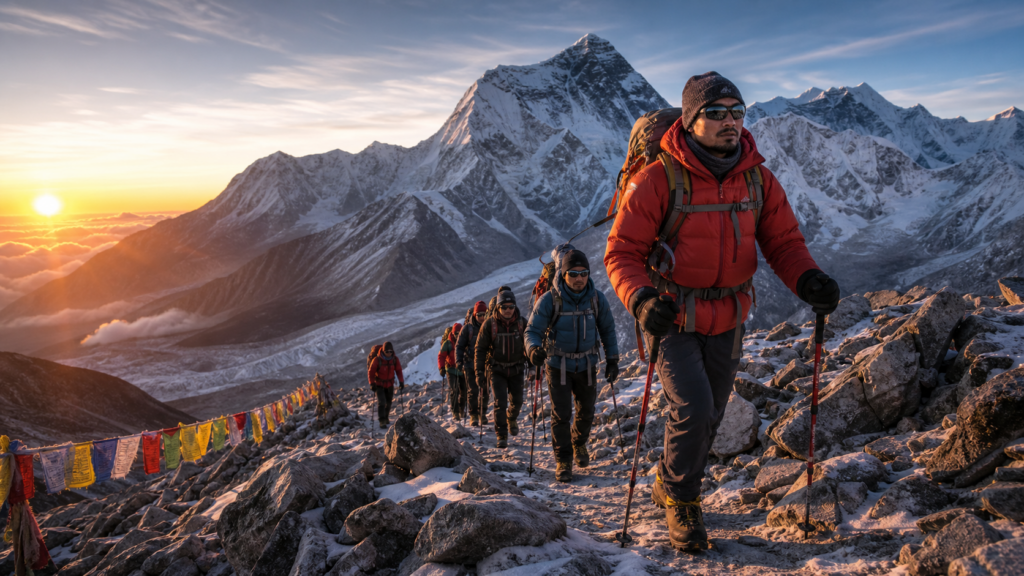
Mount Everest represents one of the greatest adventure destinations in the world. Every year, thousands of trekkers and climbers travel to the Himalayas to experience breathtaking landscapes, challenging trails, and the unique culture of the Everest region. However, reaching Everest destinations safely requires proper preparation, knowledge, and support. This is where Everest guides play an essential role.
A professional Everest guide is more than someone who leads the way. They provide route knowledge, safety support, altitude management advice, cultural insights, and practical assistance throughout the journey. Whether you are planning an Everest Base Camp trek or preparing for a more challenging climbing expedition, having an experienced guide can make your adventure safer and more enjoyable.
The Everest region presents unique challenges, including high altitude, changing weather conditions, difficult terrain, and remote mountain environments. A skilled guide understands these conditions and helps travelers make better decisions during their journey.
This complete guide explains the role of Everest guides, why they are important, what services they provide, how to choose the right guide, and what to expect during an Everest adventure.
What Are Everest Guides?
Everest guides are trained mountain professionals who assist trekkers and climbers exploring the Everest region. They help visitors navigate Himalayan routes, manage safety concerns, and understand the environment.
Depending on the type of adventure, guides may support:
- Everest Base Camp trekkers
- High-altitude climbers
- Expedition teams
- First-time Himalayan travelers
- Experienced mountaineers
Their responsibilities can vary from simple route guidance to advanced climbing support.
A trekking guide may focus on navigation, accommodation, cultural experiences, and altitude awareness, while a climbing guide may handle technical mountain skills, equipment preparation, and high-altitude safety.
Why Everest Guides Are Important
Traveling in the Everest region is a rewarding experience, but it also requires preparation. The environment can be unpredictable, especially at higher elevations.
Professional guides provide several important benefits.
Safety Support in Challenging Conditions
The Himalayas can create unexpected challenges, including:
- Sudden weather changes
- Difficult trails
- High altitude conditions
- Physical exhaustion
- Navigation problems
Experienced guides know how to respond to these situations and can help travelers make safer choices.
They understand mountain conditions and can recognize warning signs that inexperienced travelers may overlook.
Local Knowledge of the Everest Region
One of the biggest advantages of hiring a guide is their local knowledge.
Experienced guides understand:
- Mountain routes
- Weather patterns
- Local customs
- Villages and accommodations
- Trekking schedules
- Altitude challenges
This knowledge helps create a smoother and more enjoyable journey.
Better Altitude Management
Altitude is one of the biggest concerns during Everest adventures.
As travelers climb higher, the reduced oxygen level can affect the body. A knowledgeable guide can help with:
- Proper acclimatization
- Appropriate walking pace
- Rest schedules
- Recognizing altitude-related symptoms
Good pacing and preparation are important parts of a successful Himalayan journey.
Types of Everest Guides
Different adventures require different types of guides.
Everest Trekking Guides
Trekking guides specialize in routes such as Everest Base Camp and surrounding Himalayan trails.
Their responsibilities often include:
- Leading trekking groups
- Managing daily schedules
- Helping with accommodation
- Explaining local culture
- Supporting communication with locals
They are ideal for travelers who want to explore Everest without attempting technical climbing.
Everest Climbing Guides
Climbing guides support mountaineers attempting more technical routes.
They assist with:
- Climbing techniques
- Safety procedures
- Equipment usage
- Route decisions
- High-altitude planning
Climbing Everest requires advanced preparation, and experienced guides provide essential support during difficult stages of the expedition.
Sherpa Guides
Sherpa guides are among the most respected mountain professionals in the Everest region. Their experience, local knowledge, and understanding of Himalayan conditions make them highly valuable during mountain expeditions.
Many Sherpa guides have extensive experience with Everest routes and high-altitude environments.
They often provide support with:
- Route planning
- Safety management
- Load management
- Cultural guidance
- Expedition assistance
What Services Do Everest Guides Provide?
The services provided by guides depend on the type of trip, but many include the following support.
Route Planning and Navigation
The Everest region includes complex mountain paths, valleys, and remote settlements.
Guides help travelers:
- Follow the correct routes
- Maintain proper schedules
- Avoid unnecessary risks
- Reach destinations efficiently
Their experience helps reduce confusion, especially for first-time visitors.
Trekking Preparation Assistance
Before starting the journey, guides often help travelers prepare by explaining:
- Required equipment
- Clothing needs
- Physical preparation
- Expected conditions
- Daily trekking routines
Good preparation improves comfort and confidence.
Accommodation and Local Arrangements
Everest trekking often involves staying in mountain lodges and tea houses.
Guides can help with:
- Finding suitable accommodations
- Organizing daily stops
- Communicating with local hosts
- Managing basic travel arrangements
This makes the experience easier for international visitors.
Emergency Assistance
Remote mountain environments require careful planning.
Guides help travelers handle unexpected situations such as:
- Injuries
- Severe fatigue
- Weather problems
- Route changes
Having someone experienced nearby provides important support during difficult moments.
How to Choose the Right Everest Guide
Choosing the right guide can significantly affect your overall experience.
Check Experience Level
Experience is one of the most important factors.
Look for guides who have:
- Strong knowledge of Everest routes
- Experience with similar trips
- High-altitude experience
- Good safety awareness
A knowledgeable guide can provide better support during challenging situations.
Understand Their Communication Skills
Good communication is essential during a mountain journey.
A professional guide should be able to:
- Explain plans clearly
- Answer questions
- Provide safety instructions
- Communicate effectively with the group
Clear communication builds trust between travelers and guides.
Consider Local Experience
Guides familiar with the Everest region understand the environment better.
Local experience helps with:
- Weather decisions
- Route selection
- Cultural understanding
- Practical problem-solving
This knowledge can make the journey more comfortable.
Everest Base Camp Guides: What They Help With
Everest Base Camp is one of the most popular trekking destinations in Nepal. A guide can make this experience easier by managing many practical details.
During an Everest Base Camp trek, guides often help with:
- Daily walking plans
- Trail navigation
- Altitude awareness
- Local interactions
- Accommodation arrangements
The trek involves gradual altitude gain, so proper pacing and preparation are important.
Benefits of Traveling With Everest Guides
More Confidence During the Journey
For many travelers, Everest is a once-in-a-lifetime experience.
A guide provides confidence by offering:
- Professional support
- Local expertise
- Safety awareness
- Practical advice
This allows travelers to focus more on enjoying the adventure.
Better Cultural Experience
The Everest region is not only about mountains. It is also home to unique communities, traditions, monasteries, and Himalayan culture.
Guides can help travelers understand:
- Local customs
- Religious practices
- Traditional lifestyles
- Regional history
This creates a deeper travel experience.
Reduced Travel Stress
Planning a Himalayan adventure involves many details.
Guides help reduce stress by assisting with:
- Route decisions
- Daily schedules
- Local communication
- Unexpected challenges
This allows travelers to enjoy the journey more fully.
Preparing for an Everest Adventure With a Guide
Even with a guide, travelers need proper preparation.
Improve Physical Fitness
Everest trekking requires endurance.
Preparation should include:
- Regular walking
- Cardio exercises
- Strength training
- Hiking practice
Better fitness improves comfort during long trekking days.
Pack the Right Equipment
Essential items may include:
- Quality hiking boots
- Warm clothing
- Weather protection layers
- Backpack
- Water bottle
- Personal medication
Proper equipment helps handle changing mountain conditions.
Learn About Altitude Challenges
Travelers should understand that altitude affects everyone differently.
Important preparation includes:
- Gradual ascent
- Staying hydrated
- Listening to your body
- Following guide recommendations
Common Mistakes to Avoid When Choosing Everest Guides
Choosing Only Based on Price
The cheapest option is not always the best.
A lower price may mean:
- Less experience
- Limited support
- Reduced services
Safety and expertise should be major priorities.
Ignoring Reviews and Experience
Before selecting a guide, research their background.
Consider:
- Previous experience
- Traveler feedback
- Professional reputation
This helps you choose a reliable professional.
Underestimating the Importance of Preparation
A guide can provide support, but travelers must also prepare physically and mentally.
Preparation improves safety and enjoyment.
How Everest Guides Make the Journey Memorable
A great guide does more than help travelers reach a destination. They become part of the experience.
They share stories, explain local traditions, encourage travelers during difficult moments, and help create meaningful memories.
The mountains may be the main attraction, but the people who guide the journey often make the adventure truly special.
Conclusion
Choosing experienced Everest guides can transform a challenging Himalayan adventure into a safer, smoother, and more rewarding experience. From route planning and altitude awareness to cultural insights and emergency support, professional guides provide valuable assistance throughout the journey. Whether you are planning an Everest Base Camp trek or a high-altitude expedition, selecting the right guide helps you explore the mountains with greater confidence and preparation. A successful Everest adventure is not only about reaching a destination but also about enjoying the journey safely and responsibly.
Frequently Asked Questions
What do Everest guides do?
Everest guides help travelers navigate mountain routes, manage safety concerns, understand local culture, and provide support during trekking or climbing adventures.
Are Everest guides necessary for Everest Base Camp?
While some experienced trekkers travel independently, many visitors choose guides for safety, navigation support, and local knowledge.
How do I choose the best Everest guide?
Look for experience, local knowledge, communication skills, safety awareness, and positive traveler feedback.
Do Everest guides help with altitude problems?
Yes, experienced guides can help monitor altitude-related concerns and recommend proper pacing and acclimatization practices.
What is the difference between trekking guides and climbing guides?
Trekking guides focus on routes, logistics, and cultural experiences, while climbing guides provide technical mountain support for advanced expeditions.
Why are Sherpa guides important on Everest?
Sherpa guides have deep knowledge of Himalayan conditions and play an important role in supporting safe mountain journeys.
What should I prepare before traveling with Everest guides?
Travelers should improve fitness, prepare proper equipment, understand altitude challenges, and follow their guide’s recommendations.