
Planning Five to Europe can feel like leveling up travel difficulty in one step. You’re coordinating five passports, five appetites, five sleep schedules, and five...
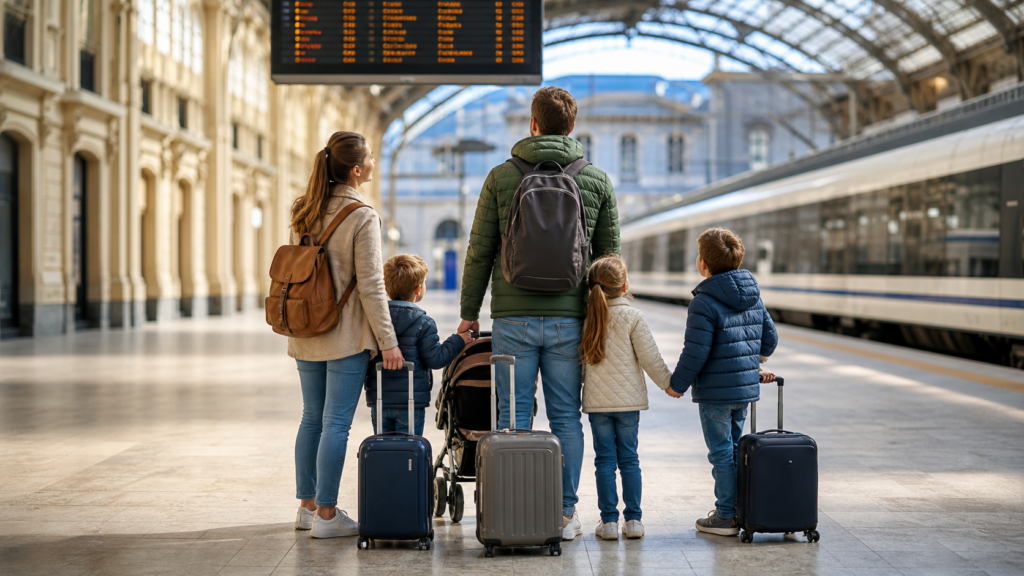
Planning Five to Europe can feel like leveling up travel difficulty in one step. You’re coordinating five passports, five appetites, five sleep schedules, and five opinions—while also figuring out trains, hotel rooms that actually fit, and how to avoid turning the trip into a daily logistics sprint.
The good news is that Europe can be very family-friendly when you plan around a few realities: walkability, public transport, compact city centers, and the fact that many “must-see” experiences are simple (parks, plazas, museums with kid programs, beaches, and day trips). The key is choosing the right destinations, booking the right type of accommodation for five people, and keeping your itinerary light enough to enjoy it.
This guide shows you how to build a Europe trip that works for a family of five—without overspending or overpacking.
Start With the Big Decision: One Country vs Multiple Countries
For families, fewer moves usually means more fun.
Option A: One country (best for first-time family trips)
Pros:
- Less time in transit
- Simpler language/currency
- Easier pacing and fewer “check-in/check-out” days
Great choices:
- Italy (cities + beaches + day trips)
- Spain (food, parks, easy coastal breaks)
- France (Paris + countryside)
- UK (no language barrier for many families, excellent museums)
Option B: Two countries (good balance)
Pros:
- Variety without too many travel days
- Easy to connect via train on common routes
Examples that work well:
- London + Paris
- Rome + Switzerland (cities + nature)
- Barcelona + southern France
Option C: Multi-country “grand tour” (best for older kids/teens)
Pros:
- Big variety and memorable highlights
Cons: - Packing and transit become your main activity
If you do this, build in recovery days and keep train rides short.
Pick Destinations That Match Your Kids’ Ages
“Kid-friendly” changes depending on age and energy.
If you have toddlers or preschoolers
Prioritize:
- Short walking distances
- Easy stroller routes
- Parks and playgrounds
- Apartments with kitchens (snacks = sanity)
Often works well:
- Barcelona, Copenhagen, Amsterdam, Lisbon
If you have elementary-age kids
Prioritize:
- Hands-on museums
- Castles, boats, cable cars
- Simple day trips (beach, countryside, small towns)
Often works well:
- London, Paris (with smart planning), Rome, Munich
If you have teens
Prioritize:
- Independence-friendly neighborhoods
- Shopping streets, sports events, modern attractions
- Experiences they can “own” (food tours, photography spots)
Often works well:
- London, Paris, Berlin, Madrid, Milan
When to Go: Best Seasons for a Family of Five
Timing affects cost, crowds, and comfort.
Late spring (April–June)
- Great weather in many regions
- Longer daylight hours
- Busy but manageable if you book early
Early fall (September–October)
- Warm weather in southern Europe
- Crowds drop compared to peak summer
- Often easier to find better value
Summer (June–August)
Pros:
- School break
- Festivals and long days
Cons: - Heat, crowds, and higher prices
- Many popular cities get uncomfortable midday
If summer is your only option, consider:
- Coastal destinations
- Mountain regions
- Cities with strong public transit and shaded parks
Winter (November–March)
Pros:
- Lower prices (many places)
- Holiday markets in some regions
Cons: - Short daylight, some attractions reduced hours
- Weather can limit outdoor plans
Winter can work well for:
- Cities with strong indoor attractions (museums, aquariums, science centers)
Budgeting for Five: A Simple, Realistic Framework
Instead of guessing a total number, budget by category. This makes costs controllable.
1) Flights
To reduce cost:
- Be flexible on departure days
- Consider nearby airports
- Book earlier for school-holiday periods
- Travel light to reduce baggage fees
2) Lodging (the biggest family challenge)
For five people, hotels can get expensive fast if you need two rooms.
Common lodging solutions:
- Family rooms (limited availability; book early)
- Connecting rooms (ask specifically; don’t assume)
- Apartments with two bedrooms + sofa bed
- Aparthotels (hotel services + kitchen)
If your family uses snacks, breakfasts, and simple dinners, a kitchen can reduce daily spending significantly.
German families heading to the Canary Islands often apply the same logic by renting a self-catering Ferienhaus La Palma instead of booking two hotel rooms.
3) Local transport
Europe is often excellent for families:
- Metro, buses, and trams are usually cheaper than taxis
- Many cities offer multi-day passes, but do the math
- Walking is a major “transport mode” in compact centers
4) Food
A family of five can spend a lot if every meal is sit-down.
A balanced approach:
- Breakfast at the apartment/hotel
- One sit-down meal daily
- One flexible meal (street food, market, picnic)
- Keep a snack bag to avoid emergency purchases
5) Attractions
Most families enjoy a mix:
- 1 “big ticket” activity per day (or every other day)
- Free time in parks and public spaces
- A few paid museums matched to attention spans
Building the Right Pace: The Family Itinerary Rule
A common mistake is planning Europe like a checklist.
A pace that works for most families:
- One main activity per morning
- A long lunch + rest window (nap, hotel break, park)
- One flexible afternoon activity (short, optional)
- Early dinner or casual evening walk
This structure prevents daily meltdowns—kid meltdowns and adult meltdowns.
Transport Tips That Make “Five to Europe” Easier
Moving five people through unfamiliar systems is the hardest part. Simplify it.
Trains vs flights within Europe
For family travel, trains often win when routes are direct.
Why trains help:
- No airport security stress
- City-center to city-center
- More space to move
- Easier bathroom access
- Kids can snack and look out the window
When flights make sense:
- Very long distances
- Islands
- Routes without good train connections
Seat reservations and timing
For five people:
- Reserve seats early on popular routes
- Choose travel times that align with naps or calmer hours
- Avoid tight connections with children and luggage
Strollers and mobility
If you have younger kids:
- Use a lightweight, foldable stroller
- Expect some stairs in older stations and metro systems
- Plan fewer “station transfers” on travel days
Accommodation for a Family of Five: What to Look For
This is where trips succeed or struggle.
Must-have features (practical, not fancy)
- Elevator (or ground floor) if you have a stroller
- Laundry access (in-unit or nearby)
- Two sleeping zones (even if one is a sofa bed area)
- Air conditioning in hot seasons (not universal in Europe)
- Noise control (interior courtyard can be quieter)
Location strategy
Being central saves money and energy because you:
- Walk more and pay fewer transit fares
- Return easily for naps and breaks
- Avoid long end-of-day commutes with tired kids
If central is too expensive, choose a neighborhood that is:
- Safe and well-lit
- Close to a direct transit line
- Near a grocery store and casual food
Three Sample “Family-Proof” Itineraries (You Can Copy)
These are structured with realistic pacing and minimal daily chaos.
1) London + Paris (10 days)
Why it works:
- Excellent public transit
- Many parks and family attractions
- Easy train connection between cities
London (5 days)
- Day 1: Arrival + local neighborhood walk + early night
- Day 2: Major museum + park picnic
- Day 3: Iconic landmark morning + afternoon rest + evening river walk
- Day 4: Kid-focused attraction (zoo/aquarium/science) + markets
- Day 5: Easy day trip or slow city day
Paris (5 days)
- Day 6: Transfer day + check-in + nearby playground
- Day 7: One major sight + gardens
- Day 8: Museum in the morning (short) + long lunch + rest
- Day 9: Day trip (palace/nearby town)
- Day 10: Flexible last day + departure
2) Rome + Florence (9 days)
Why it works:
- Food is family-friendly
- Short train ride between cities
- Lots of “wow” without needing nonstop paid attractions
Rome (5 days)
- Focus on one major historic site per day
- Build in gelato breaks and park time
- Consider a rest afternoon every other day
Florence (4 days)
- Compact center, easier walking
- Simple day trips (countryside or nearby towns)
- Great for a calmer second half of the trip
3) Barcelona + Costa Brava (8 days)
Why it works:
- City + beach balance
- Great parks and outdoor life
- Beach days reset everyone’s mood
Barcelona (4 days)
- Two major sightseeing mornings
- One museum or aquarium day
- One full “park + wandering” day
Coast (4 days)
- Rent an apartment close to the beach
- Keep schedules loose
- Use one day for a boat or scenic town visit, not daily excursions
Packing for Five Without Overpacking
Overpacking is the #1 family travel pain. Pack like you’re moving fast and washing clothes once.
A simple packing formula
Per person (typical trip):
- 5–7 tops
- 2–3 bottoms
- 1 warmer layer
- 1 rain layer
- 7–10 pairs of underwear/socks (depending on laundry plan)
- 1–2 pairs of shoes (walking shoes are non-negotiable)
Family travel essentials
- Compact first-aid kit (bandages, fever reducer, blister care)
- Refillable water bottles
- Snacks for transit days
- Small daypack for each parent (or one larger family bag)
- Portable charger
- Copies/photos of passports and key documents
Shoes: the non-negotiable item
Europe trips are walking-heavy. Prioritize comfort over style, especially for kids.
Food Strategy: Keep Everyone Fed Without Living in Restaurants
The goal is to eat well without turning meals into constant planning.
Use a “food rhythm”
- Breakfast: simple and fast
- Lunch: flexible (markets, bakeries, casual cafés)
- Dinner: one sit-down family meal most days
Reduce decision fatigue
Pick 2–3 “default meals” each kid will eat anywhere, such as:
- Pasta
- Simple sandwiches
- Rice dishes
- Rotisserie chicken + bread + fruit from a grocery store
This helps on tired evenings when everyone is done making choices.
Safety, Documents, and Practical Setup
Family travel is smoother when admin is handled early.
Documents checklist
- Passports (check expiration windows early)
- Any required travel authorizations/visas (depends on nationality)
- Travel insurance details if you use it
- Digital copies stored safely (and accessible offline)
Money and payments
- Carry at least two payment methods
- Keep a small amount of local cash for small purchases
- Teach older kids basic money safety habits
Phones and connectivity
- Make sure at least one adult has reliable data at all times
- Download offline maps for each city
- Save your accommodation address in a note for each child (or a card in a pocket)
Common Mistakes Families Make (So You Don’t Repeat Them)
Avoiding these errors will improve the entire trip.
- Planning too many cities in one trip
- Booking lodging far from transit to “save money,” then paying in time and stress
- Doing big museums back-to-back without outdoor breaks
- Ignoring mid-day rest (especially with younger kids)
- Packing too many outfits instead of planning one laundry day
- Treating travel days like sightseeing days
How to Make the Trip Memorable for Kids (Without Spending More)
The best memories are often simple.
Try:
- Let each kid choose one “must-do” activity
- Do a nightly “best moment of the day” recap
- Collect small souvenirs that don’t clutter (tickets, postcards)
- Build a photo scavenger hunt (fountains, bridges, street art, flags)
This creates ownership and makes kids feel like the trip is for them too.
Conclusion
Five to Europe is absolutely doable—and it can be one of the most rewarding ways to travel as a family—when you plan for comfort, space, and pacing instead of trying to see everything. Choose fewer destinations, book accommodations that truly fit five people, rely on trains and walkable neighborhoods, and build your days around one main activity plus rest. With a realistic budget and a simple routine, your Europe trip can feel like an adventure instead of a constant scramble.
6. FAQs
What does “Five to Europe” usually mean?
Five to Europe commonly refers to planning a Europe trip for a family or group of five, where lodging, transport, and pacing need extra attention.
What’s the best way to find accommodation for five in Europe?
Apartments, aparthotels, family rooms, and connecting hotel rooms are the most practical options. For Five to Europe trips, book early and confirm bed setup in writing.
Is it better to visit one country or multiple countries with kids?
One country (or two connected destinations) is often best for families because it reduces travel days and keeps routines stable.
How many days do you need for a good family Europe trip?
Many families find 8–14 days ideal. It’s enough time to see highlights while still allowing rest days and flexible afternoons.
Are trains easy for a family of five?
Yes, trains can be one of the easiest ways to move around Europe with kids because stations are often central and you avoid airport procedures.
How do we keep costs down on a family Europe trip?
Stay in walkable areas, choose apartments with kitchens for breakfast, use public transport, and limit paid attractions to one main activity per day.
What’s the biggest planning mistake on a Five to Europe itinerary?
Trying to cover too many cities. A slower pace with fewer moves usually leads to happier kids, less stress, and a better overall trip.