
Flat roofing is one of the most practical and cost-effective roofing solutions for both commercial and residential structures. Unlike sloped roofs, flat roofing systems offer...
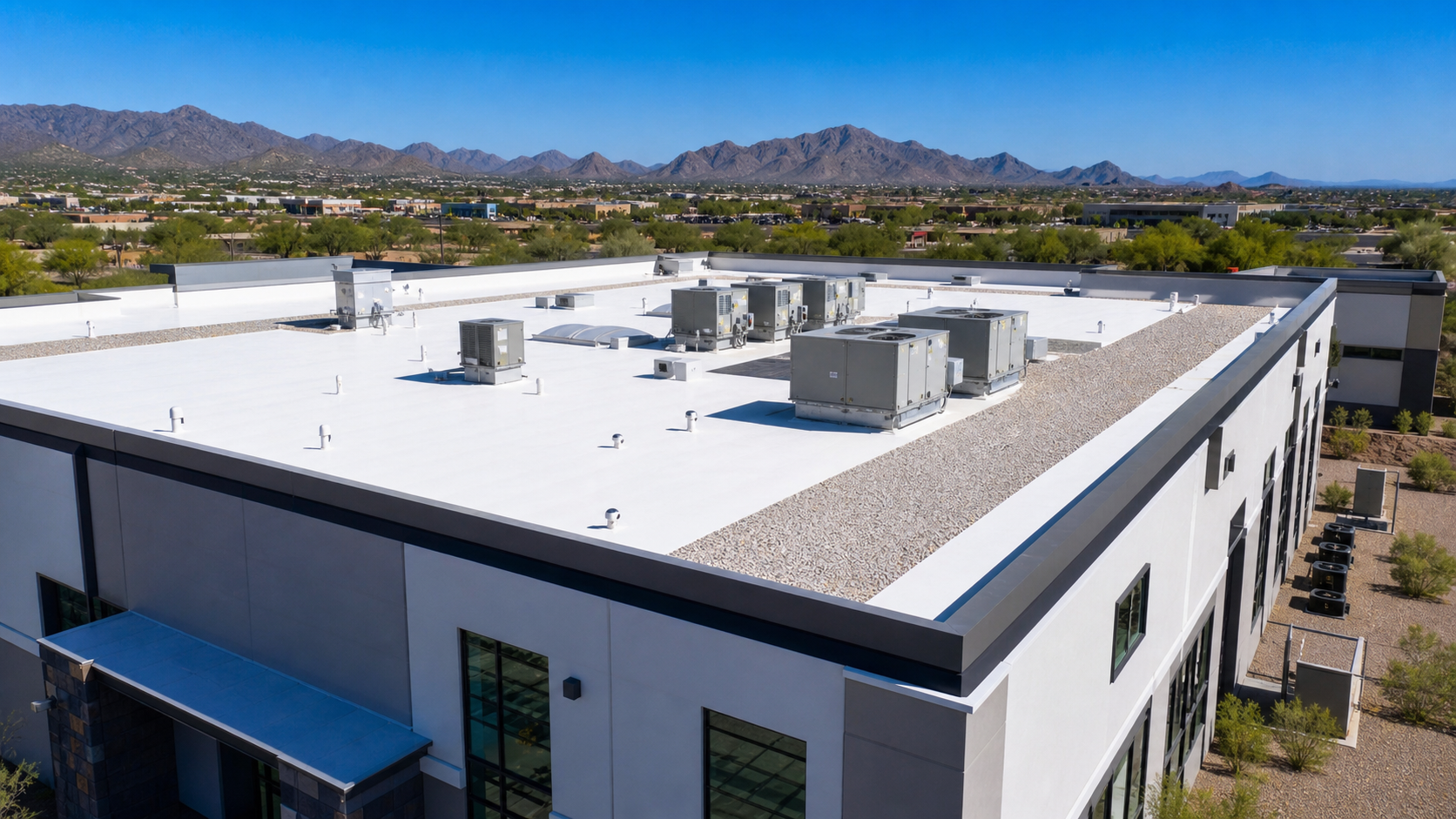
Flat roofing is one of the most practical and cost-effective roofing solutions for both commercial and residential structures. Unlike sloped roofs, flat roofing systems offer a level surface that provides excellent design flexibility, easier access for maintenance, and efficient use of rooftop space for HVAC units, solar panels, or green roofing. When properly designed and installed, flat roofing delivers outstanding waterproofing performance, energy efficiency, and long-term durability.
What Is Flat Roofing?
Flat roofing, also known as low-slope roofing, refers to roofing systems with a pitch of 3:12 or less. These systems rely on specialized waterproof membranes rather than shingles or tiles. Modern flat roofing has evolved significantly from older built-up roofing (BUR) systems to advanced single-ply membranes and modified bitumen materials that offer superior performance in extreme temperatures and weather conditions.
Popular Flat Roofing Materials
Several high-performance materials dominate today’s flat roofing market:
- TPO (Thermoplastic Polyolefin): Highly reflective, energy-efficient, and resistant to UV damage and punctures.
- EPDM (Rubber Roofing): Extremely durable, flexible in extreme temperatures, and known for excellent waterproofing.
- PVC (Polyvinyl Chloride): Offers strong chemical resistance and is ideal for buildings exposed to oils or grease.
- Modified Bitumen: Provides traditional asphalt performance with enhanced flexibility and multi-layer protection.
Each material has specific advantages depending on your building’s needs, climate, and budget.
7 Powerful Benefits of Flat Roofing
- Cost-Effective Installation
Flat roofing systems are generally less expensive to install than steep-slope roofs due to simpler construction and reduced material requirements. - Excellent Energy Efficiency
Reflective membranes like TPO and PVC can significantly reduce cooling costs by reflecting sunlight and lowering rooftop temperatures. - Design Versatility
Flat roofing allows for creative architectural features, rooftop decks, gardens, and solar panel installations. - Easy Maintenance and Repairs
The level surface makes inspection, maintenance, and repairs much simpler and safer compared to sloped roofs. - Superior Waterproofing
Modern single-ply systems create seamless barriers that effectively prevent water intrusion. - Long Lifespan
High-quality flat roofing systems can last 20 to 50 years with proper maintenance. - Sustainable Options
Many flat roofing materials are recyclable and support green roofing systems that improve stormwater management.
Professional Flat Roofing Installation Process
Successful flat roofing installation requires experienced contractors who understand proper drainage, insulation, vapor barriers, and seam welding. The process typically includes deck preparation, insulation installation, membrane application, flashing around penetrations, and final quality testing. Professional installation is critical because even small errors in seams or flashing can lead to major leaks.
Maintenance Tips for Long-Term Performance
Regular maintenance dramatically extends the life of flat roofing. Schedule professional inspections at least twice per year, keep drains and scuppers clear of debris, and address ponding water immediately. Prompt repair of blisters, seams, or punctures prevents small problems from becoming expensive failures.
Cost Guide for Flat Roofing
The cost of flat roofing varies based on material, square footage, insulation requirements, and roof complexity. On average, homeowners and business owners can expect to pay between $4.50 and $12.00 per square foot installed. TPO and EPDM systems often fall in the middle of this range, while premium systems with additional insulation or reflective coatings cost more.
Frequently Asked Questions
What is the lifespan of flat roofing?
High-quality flat roofing systems typically last between 20 and 35 years. With excellent maintenance, some EPDM and TPO roofs can exceed 40–50 years.
Which is better: TPO or EPDM flat roofing?
TPO offers better energy efficiency and heat reflection, while EPDM provides superior flexibility in extreme temperatures. The best choice depends on your building’s specific needs and climate.
How often should flat roofing be inspected?
Professional inspections are recommended twice per year — once in spring and once in fall — plus after any major storm.
Can flat roofing support a rooftop deck or garden?
Yes. Many modern flat roofing systems are specifically designed to support green roofs, decks, and recreational spaces when properly engineered.
Is flat roofing more prone to leaks than sloped roofs?
Not necessarily. With quality materials and professional installation, flat roofing can be extremely reliable. Most leaks result from poor installation or lack of maintenance.
How long does flat roofing installation typically take?
Most residential and small commercial flat roofing projects are completed within 3 to 7 days, depending on roof size and weather conditions.
Conclusion
Flat roofing continues to be a smart, versatile, and cost-effective solution for commercial buildings, modern homes, and industrial facilities. With the wide range of high-performance materials available today, flat roofing delivers excellent durability, energy efficiency, and design flexibility. By working with experienced contractors and maintaining your roof properly, you can enjoy decades of reliable protection and performance from your flat roofing system.