
Finding the right care option for a loved one experiencing memory changes can be an emotional and important decision. Families want a place where seniors...
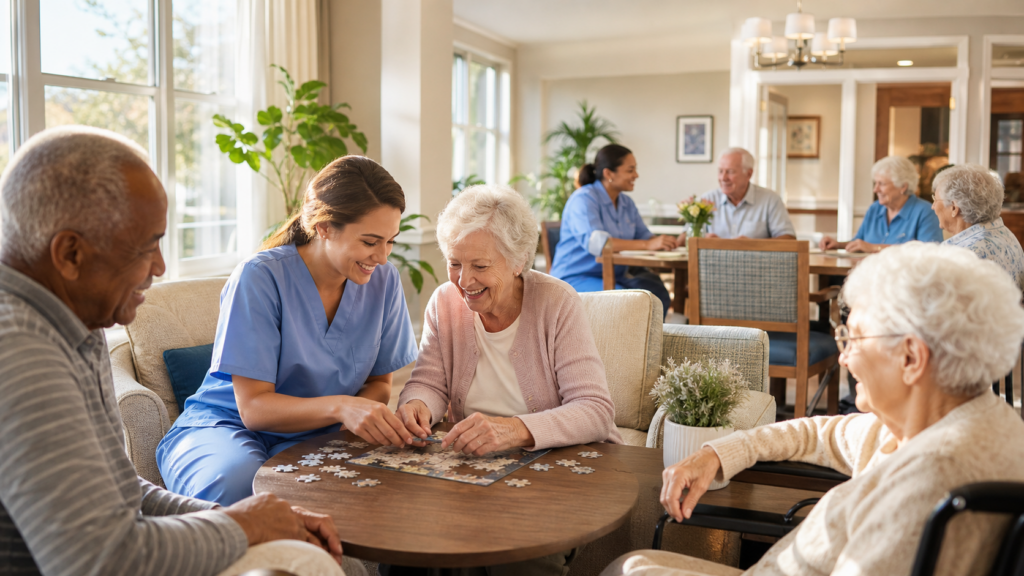
Finding the right care option for a loved one experiencing memory changes can be an emotional and important decision. Families want a place where seniors receive support while continuing to feel valued, respected, and connected. GLOW® Memory Care in Hillsborough, NC provides a specialized memory care approach designed around the individual needs, experiences, and personal stories of residents living with Alzheimer’s disease and related dementias.
Memory care is about much more than assistance with daily tasks. It is about creating an environment where seniors can maintain a sense of independence, participate in meaningful activities, and enjoy daily moments filled with comfort and connection. A successful memory care community focuses on the whole person, recognizing that every resident has a unique history, personality, and set of preferences.
GLOW® Memory Care follows a personalized philosophy that emphasizes understanding each resident’s life story and creating care experiences that support emotional, cognitive, and social well-being. The approach focuses on helping residents feel recognized as individuals while providing the guidance and assistance they need throughout their daily routines.
Understanding Memory Care for Seniors
Memory care is a specialized form of senior living designed for individuals who need additional support due to cognitive changes. Seniors living with Alzheimer’s disease, dementia, or other memory-related conditions may experience challenges with communication, remembering daily routines, or completing certain activities independently.
A memory care community provides a structured environment where residents can receive appropriate support while maintaining dignity and comfort.
Important elements of memory care often include:
- Personalized care plans
- Trained caregivers
- Safe and supportive surroundings
- Meaningful daily activities
- Cognitive engagement opportunities
- Family communication and involvement
The goal is not only to provide assistance but also to encourage residents to continue enjoying life in ways that feel familiar and meaningful.
What Is GLOW® Memory Care?
GLOW® Memory Care is designed around a person-centered approach that celebrates each resident’s individual identity. Instead of focusing only on the challenges associated with dementia, this approach recognizes the abilities, memories, preferences, and strengths that remain.
Every person has a lifetime of experiences that shape who they are. Understanding these experiences helps caregivers create stronger relationships and provide more personalized support.
The foundation of GLOW® Memory Care focuses on areas such as:
- Preserving personal stories
- Encouraging cognitive engagement
- Creating sensory experiences
- Supporting family partnerships
- Providing thoughtful dining experiences
- Training caregivers in dementia support
This approach helps create an environment where residents feel understood and appreciated.
The Importance of Personalized Memory Care
Every senior experiences memory changes differently. Some residents may need assistance with daily activities, while others may benefit from additional social engagement and structured routines.
Personalized memory care considers factors such as:
- Personal interests
- Previous hobbies
- Daily habits
- Communication preferences
- Comfort levels
- Individual abilities
When care is personalized, residents are more likely to feel comfortable and confident in their surroundings.
A familiar routine can reduce stress and create a greater sense of security. Caregivers who understand a resident’s background can provide support in ways that feel natural rather than unfamiliar.
Preserving Each Resident’s Life Story
A person’s memories and experiences are an important part of their identity. Even when dementia affects memory, personal history remains meaningful.
Life story-based care helps caregivers learn about:
- Family traditions
- Career experiences
- Favorite activities
- Important relationships
- Personal achievements
These details help create opportunities for meaningful conversations and activities.
For example, a resident who enjoyed gardening may respond positively to nature-based activities. Someone who loved music may enjoy familiar songs that create emotional connections.
Personal stories help transform care from a routine service into a relationship-based experience.
Creating Meaningful Daily Experiences
A quality memory care program focuses on creating opportunities for engagement every day. Activities are designed to encourage participation, connection, and enjoyment.
Meaningful activities may include:
Creative Programs
Creative activities allow residents to express themselves and participate at their own comfort level. Art, crafts, music, and other creative experiences can encourage confidence and enjoyment.
Social Engagement
Social interaction plays an important role in emotional wellness. Group activities, conversations, and shared experiences provide opportunities for residents to connect with others.
Cognitive Activities
Cognitive engagement activities are designed to support mental stimulation while respecting each resident’s abilities. These may include games, discussions, memory-focused activities, and educational programs.
Sensory Experiences
Sensory activities use familiar sights, sounds, textures, and experiences to create comfort and encourage positive emotions.
A Safe and Supportive Living Environment
Safety is one of the most important factors families consider when choosing memory care. Seniors experiencing dementia may sometimes become confused or have difficulty navigating unfamiliar spaces.
Memory care environments are designed to provide:
- Comfortable layouts
- Easy-to-understand spaces
- Supportive common areas
- Secure surroundings
- Calm and welcoming settings
A thoughtful environment helps residents feel more relaxed while allowing caregivers to provide appropriate support.
The purpose of safety measures is not to limit independence. Instead, they help create a setting where residents can participate in daily life with confidence.
Supporting Independence and Choice
Many families worry that moving to memory care means losing independence. However, quality memory care focuses on helping residents maintain abilities rather than removing choices.
Residents can often continue making decisions about aspects of daily life, including:
- Activity preferences
- Meal choices
- Social participation
- Personal routines
Providing choices helps residents maintain confidence and a sense of control.
The Role of Compassionate Caregivers
Caregivers are at the heart of any memory care community. Their patience, understanding, and communication style greatly influence the resident experience.
Memory care team members support residents by helping with:
- Personal care routines
- Daily activities
- Social engagement
- Comfort needs
- Individual preferences
Effective dementia care requires more than completing tasks. It requires empathy, communication, and genuine respect for each resident.
A strong caregiver relationship helps residents feel safe and valued.
The Importance of Family Collaboration
Families continue to play an important role after a loved one moves into memory care. Sharing personal information helps caregivers better understand the resident.
Family members can support the care process by sharing:
- Favorite memories
- Personal preferences
- Important traditions
- Daily routines
- Communication needs
Ongoing communication between families and caregivers creates a stronger support system.
Memory care is a partnership between residents, families, and care teams working together toward the same goal: improving quality of life.
Dining Experiences in Memory Care
Meals are an important part of daily life. Dining provides nutrition, routine, and opportunities for social connection.
A supportive dining experience considers:
- Individual preferences
- Comfort during meals
- Familiar foods
- Social interaction
Creating enjoyable mealtimes can encourage independence and make daily routines more pleasant.
Food can also bring back memories and create opportunities for conversation.
Choosing Memory Care in Hillsborough, NC
Selecting a memory care community requires careful consideration. Families should look for a place that provides compassionate support while respecting each resident’s individuality.
Important questions to consider include:
- How are residents’ needs evaluated?
- Are care plans personalized?
- What activities are available?
- How are families involved?
- How are caregivers trained?
- Does the environment feel welcoming?
Visiting a community can help families understand the atmosphere and determine whether it feels like the right fit.
The best memory care environment is one where residents feel comfortable, supported, and respected.
Benefits of Choosing Specialized Memory Care
Specialized memory care can provide important benefits for both seniors and families.
More Personalized Support
Residents receive care based on their individual needs, preferences, and abilities.
Greater Family Peace of Mind
Families can feel reassured knowing their loved one has access to structured support.
Opportunities for Connection
Engaging activities and social programs encourage relationships and meaningful moments.
Support Through Changing Needs
Memory conditions can change over time. A specialized environment can adapt support as needs evolve.
Preparing a Loved One for Memory Care
Transitioning to memory care is a significant life change. Preparation can help make the process smoother.
Families can consider:
- Discussing the move positively
- Bringing familiar belongings
- Creating a comfortable living space
- Maintaining regular visits
- Sharing important personal information with caregivers
Photos, favorite items, and familiar decorations can help create a sense of home.
Every person adjusts differently, and patience is an important part of the transition.
Conclusion
Choosing the right memory care community is about finding a place where seniors receive support while continuing to experience dignity, connection, and meaningful moments. GLOW® Memory Care in Hillsborough, NC focuses on personalized care, life story preservation, engaging activities, and compassionate support designed around each resident’s unique journey.
For families searching for memory care options, a community that values individuality and provides thoughtful assistance can help create a more comfortable and fulfilling experience for their loved one.
FAQs
What is GLOW® Memory Care in Hillsborough, NC?
GLOW® Memory Care in Hillsborough, NC is a specialized memory care approach designed to support seniors with Alzheimer’s disease and related dementias through personalized care and meaningful experiences.
Who is memory care designed for?
Memory care is designed for seniors who need additional support because of dementia, Alzheimer’s disease, or other cognitive changes affecting daily life.
How does GLOW® Memory Care personalize support?
GLOW® Memory Care focuses on understanding each resident’s life story, preferences, interests, and abilities to create individualized care experiences.
What types of activities are offered in memory care?
Memory care activities may include creative programs, social events, cognitive activities, sensory experiences, and personalized engagement opportunities.
How can families stay involved with memory care?
Families can stay involved by sharing important information about their loved one, communicating with caregivers, and participating in community activities.
What should families consider when choosing memory care?
Families should consider care quality, safety, activities, caregiver training, communication, and whether the environment feels comfortable and supportive.
Is memory care different from assisted living?
Yes. Assisted living generally supports seniors with daily tasks, while memory care provides specialized support for individuals experiencing cognitive challenges.