
Healthcare professionals are often the first people expected to respond during medical emergencies. Whether working in hospitals, clinics, emergency services, or other healthcare environments, having...
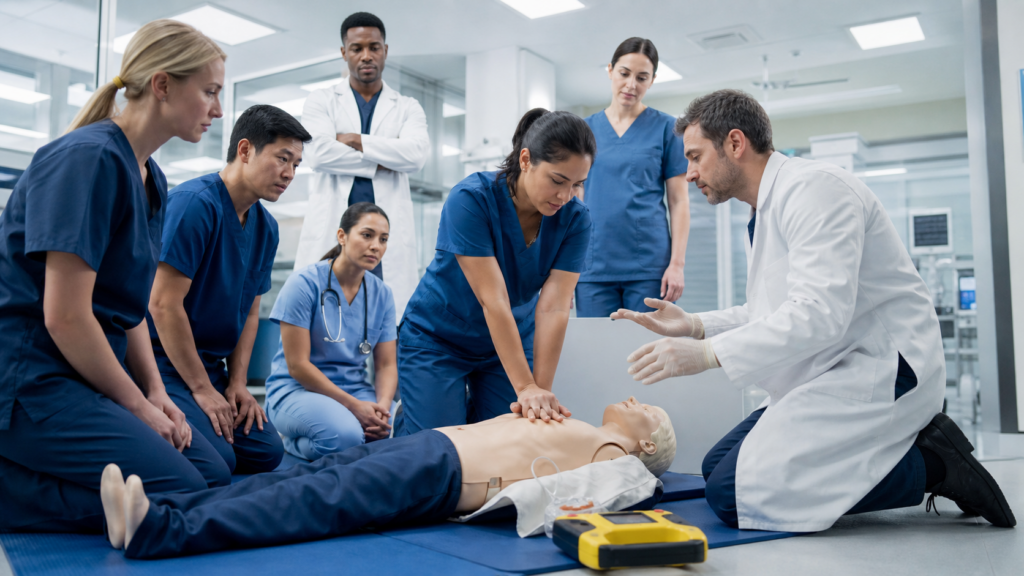
Healthcare professionals are often the first people expected to respond during medical emergencies. Whether working in hospitals, clinics, emergency services, or other healthcare environments, having the ability to respond quickly during cardiac emergencies is an essential skill.
HCP CPR certification provides healthcare workers with advanced CPR knowledge and practical skills needed to assist patients experiencing cardiac arrest, breathing emergencies, or other life-threatening situations. Unlike general CPR courses designed for the public, healthcare provider CPR training focuses on professional-level response techniques, teamwork, and emergency care procedures.
For doctors, nurses, medical assistants, paramedics, and other healthcare professionals, maintaining current CPR certification is an important part of professional readiness and patient safety.
What Is HCP CPR Certification?
HCP CPR certification stands for Healthcare Provider CPR certification. It is a specialized training program designed for individuals who work in healthcare settings and may need to provide emergency medical assistance.
The course focuses on developing the skills required to recognize and respond to critical situations, including:
- Cardiac arrest
- Respiratory emergencies
- Airway problems
- Sudden loss of consciousness
- Emergency response situations
Healthcare provider CPR training typically includes both theoretical knowledge and hands-on practice to ensure participants understand how to perform CPR correctly in real situations.
Unlike basic CPR classes, HCP CPR certification prepares healthcare professionals to manage more complex emergency scenarios involving patients of different ages and conditions.
Why Healthcare Professionals Need HCP CPR Certification
Healthcare environments involve situations where emergencies can happen without warning. A patient may experience cardiac arrest during surgery, treatment, transportation, or routine care.
Having trained professionals available can make a significant difference during these critical moments.
Patient Safety and Emergency Preparedness
Healthcare workers must be prepared to act immediately when a patient’s condition changes.
HCP CPR certification helps professionals develop confidence in:
- Recognizing cardiac emergencies
- Starting CPR quickly
- Using emergency equipment
- Supporting medical response teams
- Providing effective patient care
Quick action during emergencies is an important part of healthcare safety.
Professional Workplace Requirements
Many healthcare organizations require employees to maintain valid CPR certification as part of employment standards.
Certification may be required for professionals such as:
- Nurses
- Physicians
- Dental professionals
- Emergency medical technicians
- Healthcare assistants
- Medical students
- Clinical staff
Maintaining updated certification helps healthcare workers meet workplace expectations and remain prepared.
What You Learn During HCP CPR Certification Training
HCP CPR certification covers advanced skills that are specifically designed for healthcare providers.
The training usually includes several important areas.
High-Quality CPR Techniques
One of the main focuses of healthcare provider CPR training is learning how to perform effective chest compressions.
Participants learn:
- Proper hand placement
- Compression techniques
- Appropriate compression depth
- Correct compression rate
- Maintaining CPR quality during emergencies
High-quality CPR helps maintain blood circulation when the heart is not functioning normally.
AED Training
Automated External Defibrillators (AEDs) are important emergency devices used during cardiac arrest situations.
During HCP CPR certification, participants learn:
- How to operate an AED
- When AED use is appropriate
- How to safely deliver shocks
- How to coordinate AED use with CPR
Proper AED knowledge allows healthcare professionals to respond more effectively.
Rescue Breathing and Airway Management
Healthcare providers learn techniques for supporting breathing emergencies.
Training may include:
- Rescue breaths
- Bag-mask ventilation basics
- Airway positioning
- Breathing assessment
These skills help professionals provide immediate support before advanced treatment is available.
Team-Based Emergency Response
Healthcare emergencies often involve multiple professionals working together.
HCP CPR training teaches participants how to:
- Communicate during emergencies
- Perform CPR as part of a team
- Rotate rescuers effectively
- Follow emergency response roles
Team coordination is especially important in hospitals and clinical environments.
Difference Between Basic CPR and HCP CPR Certification
Many people wonder how healthcare provider CPR differs from standard CPR training.
Basic CPR Certification
Basic CPR courses are generally designed for:
- Parents
- Teachers
- Workplace employees
- Community members
- General public responders
These courses focus on recognizing emergencies and providing immediate assistance until professional help arrives.
HCP CPR Certification
Healthcare provider CPR certification is designed specifically for medical professionals.
It includes:
- More advanced techniques
- Healthcare-specific scenarios
- Professional response methods
- Team-based emergency procedures
Healthcare workers require a deeper understanding because they may be responsible for patient care during emergencies.
Who Should Get HCP CPR Certification?
HCP CPR certification is suitable for many healthcare professionals and students entering medical fields.
Nurses
Nurses regularly monitor patients and may be among the first people to identify medical emergencies. CPR certification helps nurses respond confidently when patients experience cardiac or breathing problems.
Doctors and Physicians
Doctors need emergency response skills regardless of their specialty. CPR training supports quick decision-making during critical situations.
Medical Students
Many healthcare programs require students to complete CPR training before clinical experiences.
Early certification helps students build confidence while working with patients.
Emergency Medical Personnel
Paramedics and emergency responders frequently handle life-threatening situations where advanced CPR knowledge is necessary.
Dental and Clinical Professionals
Healthcare workers outside hospitals may also encounter emergencies involving patients. CPR training prepares them to respond appropriately.
Benefits of Completing HCP CPR Certification
Obtaining healthcare provider CPR certification provides several professional and personal benefits.
Improved Emergency Response Skills
The biggest advantage is gaining practical skills that can help during emergencies.
Professionals become better prepared to:
- Identify warning signs
- Respond quickly
- Perform CPR correctly
- Use emergency equipment
Increased Workplace Confidence
Healthcare emergencies can be stressful. Proper training helps professionals feel more confident when responding under pressure.
Confidence comes from:
- Practicing CPR techniques
- Understanding emergency procedures
- Learning teamwork strategies
Better Patient Care
CPR training supports better emergency preparedness, which contributes to overall patient care quality.
Healthcare providers who maintain their skills can respond more effectively when immediate action is required.
How Long Does HCP CPR Certification Last?
Most healthcare CPR certifications are valid for a limited period, and healthcare professionals usually need regular renewal to maintain active status.
Renewal helps ensure that professionals stay familiar with updated CPR techniques and emergency response guidelines.
Regular practice is important because CPR skills can decline over time without reinforcement.
How to Prepare for HCP CPR Certification Training
Proper preparation can help participants get more value from their course.
Review Basic CPR Concepts
Before attending training, it can be helpful to understand:
- CPR purpose
- Emergency response steps
- Basic anatomy concepts
Wear Comfortable Clothing
Because HCP CPR certification includes hands-on practice, comfortable clothing allows easier movement during training exercises.
Practice Communication Skills
Emergency response involves teamwork. Being able to communicate clearly is an important part of healthcare emergency management.
What Happens During an HCP CPR Certification Class?
A typical certification course combines learning and practical exercises.
Classroom Learning
Participants learn important concepts, including:
- Emergency recognition
- CPR procedures
- AED operation
- Safety considerations
Hands-On Practice
Practical sessions allow students to practice CPR techniques using training equipment.
Hands-on practice helps improve:
- Technique accuracy
- Confidence
- Response speed
Skills Evaluation
Participants may complete a skills assessment to demonstrate their ability to perform CPR correctly.
Successful completion results in receiving certification documentation.
HCP CPR Certification Renewal
Renewing certification is important because CPR recommendations and emergency response practices can change over time.
Renewal courses help healthcare professionals:
- Refresh important skills
- Review current techniques
- Maintain workplace requirements
- Continue emergency preparedness
Healthcare organizations often encourage regular training to ensure staff remain capable of responding effectively.
Choosing the Right HCP CPR Certification Course
When selecting a CPR certification program, healthcare professionals should consider several factors.
Course Recognition
Choose a program that meets the requirements of your workplace, employer, or professional organization.
Hands-On Training Availability
Practical experience is an important part of healthcare CPR preparation.
Look for programs that provide opportunities to practice:
- Chest compressions
- AED use
- Emergency response scenarios
Experienced Instructors
Qualified instructors can provide valuable guidance and correct mistakes during practice.
Good instructors help students understand not only what to do but also why each step matters.
Common Mistakes Healthcare Workers Make Without Proper CPR Training
Without proper training, healthcare workers may face challenges during emergencies.
Common issues include:
- Delayed response
- Incorrect compression technique
- Poor teamwork communication
- Incorrect AED usage
Regular certification helps reduce these problems by reinforcing correct procedures.
The Importance of Continuous CPR Skill Development
Healthcare knowledge continues to evolve. Professionals should view CPR certification as an ongoing learning process rather than a one-time requirement.
Continuous skill development helps healthcare workers remain prepared for unexpected emergencies.
Regular practice improves:
- Speed
- Accuracy
- Confidence
- Team coordination
Conclusion
Building Confidence Through HCP CPR Certification
HCP CPR certification is an essential training program for healthcare professionals who may need to respond during life-threatening emergencies. It provides advanced CPR skills, AED knowledge, airway support techniques, and teamwork abilities designed specifically for medical environments.
For healthcare workers, staying certified means being prepared to protect patients when every second matters. Regular training and renewal help maintain confidence, improve emergency response abilities, and support safer healthcare environments.
Frequently Asked Questions (FAQs)
What is HCP CPR certification?
HCP CPR certification is specialized CPR training designed for healthcare professionals who need advanced emergency response skills.
Who needs HCP CPR certification?
Doctors, nurses, paramedics, medical students, and many other healthcare workers may require HCP CPR certification.
How is HCP CPR certification different from regular CPR training?
HCP CPR certification includes healthcare-focused techniques, professional scenarios, AED training, and team-based emergency response skills.
How long is HCP CPR certification valid?
Certification validity depends on the training provider and workplace requirements. Many healthcare CPR certifications require periodic renewal.
What skills are taught in HCP CPR certification?
Training typically covers CPR techniques, AED use, rescue breathing, airway management, and emergency teamwork.
Can medical students get HCP CPR certification?
Yes, many medical students complete healthcare provider CPR training before beginning clinical work.
Why is HCP CPR certification important for healthcare workers?
It helps professionals respond quickly and effectively during cardiac emergencies and improves overall patient safety.