
A heat pump can lose comfort, develop unusual noises, or stop operating as expected, but the cause is not always an equipment failure. Heat Pump...
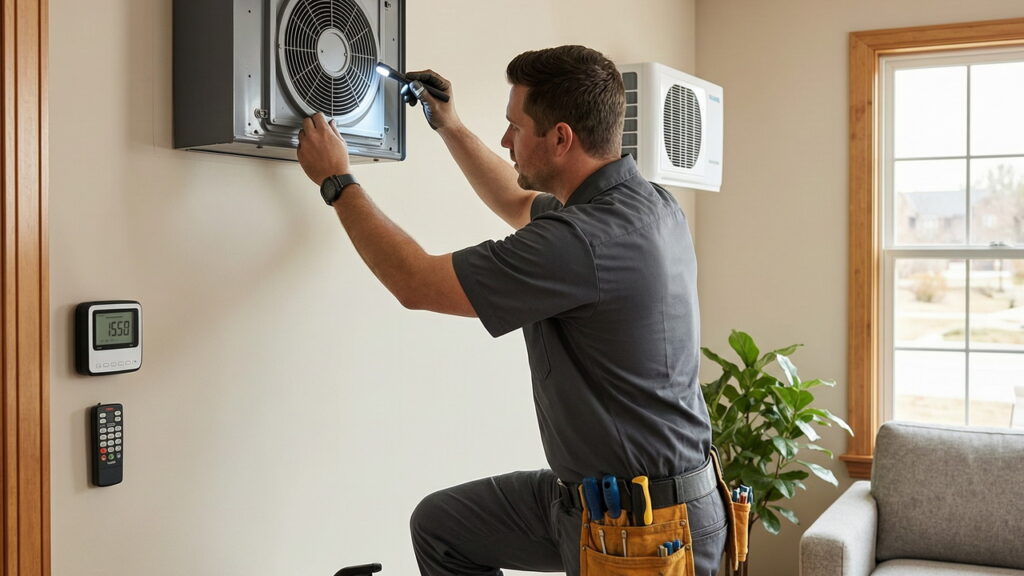
A heat pump can lose comfort, develop unusual noises, or stop operating as expected, but the cause is not always an equipment failure. Heat Pump Repair starts with understanding the symptoms, checking a few safe settings, and recognizing when a qualified HVAC technician needs to investigate the system.
This guide explains common warning signs, simple homeowner checks, typical repair categories, and factors that influence service costs. It also covers safety, maintenance, and how to decide whether repairing or replacing a heat pump deserves further consideration.
What a Heat Pump Does Before Repair Is Needed
A heat pump moves heat rather than creating it through combustion. In heating mode, it transfers available heat from outdoor air into the home; in cooling mode, it moves indoor heat outside. A reversing valve changes the direction of refrigerant flow so the system can provide both functions.
A typical system includes an outdoor unit, an indoor air handler or furnace, a refrigerant circuit, fans, controls, and a thermostat. Some homes also have auxiliary electric heat or a backup furnace. The exact arrangement varies, so a technician needs to know what equipment is installed before diagnosing a problem.
A heat pump repair visit should address the whole system, not just the outdoor unit. Airflow, electrical components, refrigerant operation, thermostat settings, ductwork, and the indoor equipment can all affect comfort. The location of a symptom does not necessarily reveal its cause.
Seven Signs You May Need Heat Pump Repair
A single symptom does not prove that a component has failed. Note when the problem began, whether it occurs in heating or cooling mode, and whether the system still runs. This information can help a heat pump repair technician narrow down the possibilities.
1. The System Does Not Heat or Cool Properly
If the air feels too warm in cooling mode or too cool in heating mode, first check the thermostat mode and setpoint. A dirty filter, blocked return, open window, or other airflow issue may also affect comfort.
If the settings are correct and the problem continues, professional heat pump repair may be needed. Describe which rooms are affected and whether the system runs continuously, shuts off, or changes modes unexpectedly.
2. The Heat Pump Starts and Stops Repeatedly
Frequent starts and stops, often called short cycling, can have several causes. A thermostat problem, airflow restriction, incorrect system setup, or equipment fault may contribute.
Repeated cycling can interfere with comfort and may put additional strain on components. An HVAC technician can assess the system and determine whether heat pump repair, a control adjustment, or another correction is appropriate.
3. You Hear New or Unusual Noises
A change in sound is worth noting, especially if it is sudden or becomes louder over time. Rattling, grinding, buzzing, or repeated clicking may relate to loose parts, a fan problem, electrical components, or another issue.
Do not reach inside the unit or remove its panels to investigate. If the sound is severe, or the equipment appears damaged, turn it off using the normal controls and arrange professional heat pump repair.
4. The Outdoor Unit Has Heavy or Persistent Ice
A thin layer of frost can form on an outdoor coil in cold, damp weather. Many heat pumps periodically run a defrost cycle to clear it, so a brief frost layer does not automatically mean that the system is broken.
Thick ice that remains, rapidly returns, or covers the fan area needs attention. Do not chip ice away or pour hot water over the equipment. A technician can inspect the defrost controls, airflow, sensors, and other possible causes before recommending heat pump repair.
5. Airflow Feels Weak
Weak airflow may come from a clogged filter, blocked return grille, closed register, duct issue, or problem with the indoor blower. Check accessible registers and replace or clean the filter only as directed by the equipment manufacturer.
If airflow remains weak, avoid repeatedly changing thermostat settings in an attempt to force more output. Restricted airflow can affect system operation, and further heat pump repair diagnosis may be needed to locate the source.
6. Energy Use Changes Without an Obvious Reason
A higher utility bill can have many explanations, including colder or hotter weather, changed thermostat use, air leakage, and different household schedules. It is not, by itself, proof that the heat pump needs repair.
If the change occurs alongside poor comfort, unusual run times, or new sounds, share that pattern with the technician. A professional assessment can distinguish an equipment issue from a change in the home or its use.
7. You Notice Water, Odours, or Visible Damage
Water near indoor equipment may relate to condensate drainage, depending on the system and operating conditions. A burning smell, damaged wiring, visible leaks, or a refrigerant-system concern requires more caution than ordinary filter maintenance.
Keep clear of damaged equipment and do not attempt to open it. Contact an HVAC professional for advice; if there is smoke or an active fire, leave the area and contact emergency services.
Safe Checks to Try Before Calling for Heat Pump Repair
A few simple checks can rule out common operating issues without opening the equipment cabinet. They do not replace professional diagnosis, but they can help you explain what is happening when you contact a contractor.
Start by checking that the thermostat is set to the desired mode and temperature. If it uses batteries, replace them according to its instructions. Note the displayed settings before making changes, especially if several household members use the controls.
Inspect the air filter and replace or clean it if required by the manufacturer. A blocked filter can restrict airflow, but filters vary in type and replacement interval. Do not install a filter that does not fit the system or use a more restrictive model unless the equipment manufacturer or a qualified professional confirms it is suitable.
Check that supply registers and return grilles are not covered by furniture, curtains, or stored items. From the ground, look for obvious obstructions around the outdoor unit, such as leaves or snow. Keep clearance according to the manufacturer’s instructions; do not reach through the grille or dismantle panels.
If a breaker has tripped, do not repeatedly reset it. A breaker that trips again may signal an electrical fault. Do not remove electrical covers or touch wiring; arrange service if the breaker will not stay on or if you notice heat, a burning smell, or visible damage.
These basic checks can give a heat pump repair professional useful context, but they cannot confirm that the equipment is safe or functioning correctly. If the system continues to perform poorly, stop troubleshooting and arrange an inspection.
How Technicians Diagnose Heat Pump Problems
A reliable diagnosis begins with questions about the home and the symptom. The technician may ask when the problem started, which operating mode is affected, whether any settings changed, and whether there have been recent repairs or power interruptions.
The technician can then inspect the indoor and outdoor equipment, airflow, thermostat operation, visible wiring, and system controls. Depending on the symptom, testing may involve electrical measurements, temperature readings, refrigerant-system checks, or examining the defrost sequence. The specific tests depend on the equipment and the fault being investigated.
Good heat pump repair involves identifying the cause before recommending a part. A symptom such as poor heating can result from different problems, so a contractor should explain what was tested and how the findings support the proposed work.
Ask for a clear description of the diagnosis, the recommended repair, and any alternatives. If the cause remains uncertain, ask what further testing is needed and whether it changes the estimate. A documented explanation makes it easier to decide whether to authorize additional work.
Common Types of Heat Pump Repair
The repair needed depends on the system’s design, condition, and symptoms. The following examples describe common categories, not diagnoses that a homeowner can confirm by appearance.
Airflow and Filter Problems
A dirty filter or blocked return can restrict air movement, while duct leaks or a blower issue may affect particular rooms. Replacing a filter may resolve a simple maintenance problem, but persistent airflow concerns need further investigation.
If the filter is clean and the vents are unobstructed, a technician can check blower operation, duct conditions, and other factors. Heat pump repair should correct the underlying restriction rather than simply increase the thermostat setting.
Refrigerant Leaks and Charging Issues
A refrigerant concern may affect heating or cooling, but low charge should not be assumed from weak performance alone. A qualified technician needs to inspect the system, identify a leak where present, and follow appropriate procedures before handling refrigerant.
In the United States, technicians performing covered refrigerant-handling work on stationary HVAC equipment need the applicable EPA Section 608 certification. Refrigerant work is not a homeowner task: do not open the system, attach equipment, or attempt to add refrigerant yourself.
Electrical and Control Components
A heat pump relies on electrical connections, contactors, capacitors, sensors, and control boards. A failed or damaged component may prevent a fan, compressor, or other part from operating as intended.
Electrical diagnosis carries shock and fire risks. A qualified technician should perform heat pump repair involving internal electrical parts, following applicable safety procedures and local licensing requirements.
Reversing Valve Problems
The reversing valve changes the direction of refrigerant flow between heating and cooling. If the valve or its controls do not operate correctly, the system may struggle to change modes or may fail to provide the expected heating or cooling.
The symptom alone does not confirm a valve failure. A technician needs to check the control signal and system operation before recommending a repair.
Fan or Motor Faults
The indoor blower moves conditioned air through the home, while the outdoor fan helps transfer heat at the outdoor coil. A damaged motor, obstructed fan, or related electrical fault can affect airflow or system operation.
Do not put hands or tools through the grille, even when the fan appears to be stopped. The system can start unexpectedly, and moving or exposed components can cause injury.
Defrost and Sensor Issues
In cold weather, a heat pump may briefly change its operation to defrost the outdoor coil. A fault involving sensors, controls, or other components can interfere with that process and contribute to persistent ice.
Defrost problems require a system-specific assessment. Heat pump repair should address why the cycle is not working properly rather than treating the ice alone.
Thermostat or Communication Problems
A thermostat may have incorrect settings, power issues, incompatible controls, or a communication problem with the equipment. In some systems, a wiring or configuration issue can make the heat pump respond inconsistently.
Check the user-accessible settings first. If the thermostat continues to display errors or the equipment does not respond as expected, note the message and arrange professional service.
Condensate Drainage
In cooling mode, some systems remove moisture from indoor air, producing condensate that needs to drain appropriately. A blocked drain may cause water near the equipment or trigger a safety switch.
Not every heat pump has the same condensate arrangement. If you see water, avoid opening the unit or pouring chemicals into its drain; describe the location and amount to the service professional.
Heat Pump Repair Costs and Estimates
The cost of heat pump repair depends on the fault, parts availability, system design, labor, location, access, and whether service is needed outside ordinary business hours. A diagnostic visit and a completed repair may be billed separately, so ask how the contractor charges before approving work.
Request a written estimate that identifies the diagnosis, proposed parts, labor, applicable fees, and any warranty on the work. If the contractor cannot confirm the cause yet, ask for the cost of the next diagnostic step and whether you will need to authorize it separately.
A replacement part’s price does not tell the whole story. Some heat pump repair jobs may require additional testing, system evacuation and recharge, electrical work, or access to equipment in a difficult location. Ask what is included and whether unexpected work will be approved before it begins.
Compare estimates based on the same scope, not just the total. If two recommendations differ, ask each contractor to explain the diagnosis and proposed solution. A second opinion may be useful for a costly repair, but it should not delay action when the equipment presents an immediate safety concern.
Repair or Replace the Heat Pump?
There is no single age or repair-cost rule that determines when replacement is better. The decision depends on the unit’s condition, repair history, comfort, efficiency, parts availability, warranty, and the cost of a suitable replacement.
Consider the full picture with the contractor. Ask how the proposed heat pump repair affects the system, whether other components show significant wear, and what the remaining equipment warranty covers. A repair may be reasonable when it addresses a specific problem in an otherwise suitable system; repeated failures can make replacement worth evaluating.
If replacing the system, confirm that the new equipment is properly sized for the home and compatible with the existing ductwork and electrical supply. The U.S. Department of Energy and industry guidance emphasize appropriate system selection and installation; simply choosing a unit with a similar nameplate size may not produce good comfort.
Do not assume that buying a new heat pump automatically guarantees a particular energy saving. Results depend on climate, equipment efficiency, installation quality, controls, insulation, ducts, and household use. Compare written proposals and check current local incentives through official sources, since eligibility and programs can change.
Choosing a Heat Pump Repair Contractor
Look for an HVAC contractor who is appropriately licensed for the work in your area and has experience with your equipment type. Licensing rules vary by location, so verify requirements with the relevant state or local authority rather than relying only on an advertisement.
Ask whether the person who diagnoses the system will explain the findings and provide a written estimate. A dependable heat pump repair provider should welcome reasonable questions about the diagnosis, part, labor, warranty, and expected service steps.
Confirm who will handle refrigerant-related work and whether they hold the certification required for that work where applicable. Ask whether the quoted repair includes follow-up testing and whether the contractor’s workmanship warranty is separate from the manufacturer’s parts warranty.
Be cautious of pressure to approve an expensive replacement before the contractor explains the diagnosis. A professional can discuss uncertainty and options without guaranteeing a specific result. Check the company’s service terms, contact information, and any applicable trade credentials before authorizing work.
Maintenance That Can Reduce Avoidable Service Calls
Routine maintenance does not prevent every breakdown, but it can help keep the system’s airflow and operation in suitable condition. Follow the equipment manufacturer’s instructions and arrange professional maintenance at the intervals recommended for your system and usage.
Check the filter regularly and replace or clean it according to its type and the manufacturer’s guidance. Homes with pets, dust, or heavy system use may need more frequent checks, but there is no universal interval that fits every filter and home.
Keep outdoor-unit surroundings reasonably clear and do not plant or store objects where they block the manufacturer’s required airflow clearance. Avoid spraying high-pressure water into the coil or bending its fins; ask a technician about safe cleaning if dirt buildup is significant.
If the system has a maintenance record, keep notes of service dates, repairs, filter changes, and recurring symptoms. A pattern can help a heat pump repair technician distinguish a one-time issue from a repeated problem.
Annual professional service may include checks that are not appropriate for a homeowner, such as inspecting electrical connections and measuring system operation. The precise maintenance tasks depend on the equipment. The U.S. Department of Energy recommends paying attention to filters, coils, and airflow, but maintenance should follow the manufacturer’s instructions and be performed safely.
Heat Pumps in Cold Weather and Defrosting
Heat pumps can provide heating in cold weather, but their capacity and performance depend on the model, outdoor conditions, installation, and home. Some systems use auxiliary heat when needed; others may be paired with a separate backup heating system. Check the product documentation to understand your setup.
A brief change in sound or airflow during a defrost cycle may be part of normal operation. If the outdoor coil remains heavily iced, the unit makes a new loud noise, or comfort drops significantly, arrange an assessment instead of trying to force a defrost.
Avoid making repeated, large thermostat changes to compensate for a problem. Follow the equipment’s operating instructions and ask a professional whether your thermostat, backup heat, and schedule are configured correctly. For a cold-weather heat pump repair call, report the outdoor temperature, whether the issue is continuous, and what the thermostat displays.
When to Turn the System Off and Get Help
Turn the system off using its normal controls and contact a qualified professional if you notice smoke, a burning smell, visible electrical damage, or severe mechanical noise. Keep away from the equipment and do not remove covers. If there is a fire or immediate danger, leave the area and contact emergency services.
Do not repeatedly reset a breaker, bypass a safety switch, handle refrigerant, or try to thaw a coil with sharp tools or a direct heat source. These actions can create additional hazards or damage. Heat pump repair work involving electrical or refrigerant components belongs to appropriately qualified professionals.
If your home becomes uncomfortably hot or cold, consider safe temporary steps that do not involve operating damaged equipment. Follow local health guidance during extreme weather, especially for people who may be more vulnerable to heat or cold. Ask the service company whether it offers urgent appointments, but do not mistake urgency for permission to skip safety checks.
What to Tell the Technician
Before scheduling service, write down the model number if it is safely visible, the thermostat setting, the symptom, and when it occurs. Note any error code, recent power interruption, unusual sound, water, or visible ice, but do not open equipment panels to look for additional information.
Tell the contractor whether the problem happens in heating, cooling, or both modes. Mention recent maintenance and any changes to filters, controls, or the home. These details can make a heat pump repair assessment more focused, though the technician may still need to perform tests on site.
FAQ’s
1. What are common signs that a heat pump needs repair?
Poor heating or cooling, repeated cycling, unusual noises, weak airflow, persistent heavy ice, or water near the equipment may warrant professional assessment.
2. Can I repair a heat pump myself?
You can check thermostat settings, accessible registers, and the filter as the manufacturer directs. Electrical, refrigerant, and internal component work should be handled by qualified professionals.
3. Is frost on an outdoor heat pump normal?
A light layer of frost can occur in cold, damp weather, and many systems have a defrost cycle. Persistent heavy ice needs professional evaluation.
4. How much does heat pump repair cost?
Costs vary with the diagnosis, parts, labor, location, access, and service timing. Ask for a written estimate that explains included work and possible additional charges.
5. Should I repair or replace my heat pump?
Consider the system’s condition, repair history, warranty, parts availability, comfort, and replacement proposals. A qualified contractor can explain the options without guaranteeing a particular outcome.
6. How often should a heat pump be serviced?
Follow the manufacturer’s maintenance schedule and keep filters, coils, and airflow in suitable condition. Service needs depend on the system, its use, and the home.
Conclusion
A heat pump that runs poorly may need a simple setting correction, routine maintenance, or professional diagnosis. Pay attention to changes in comfort, noise, airflow, and icing, but avoid opening equipment, handling refrigerant, or repeatedly resetting electrical protection.
For safe, effective Heat Pump Repair, choose a qualified HVAC professional who explains the diagnosis, costs, and available options. Regular filter checks and manufacturer-recommended maintenance can support reliable operation, while a clear service history helps guide future repair or replacement decisions.