
housing market in Hawaii represents one of the most complex and geographically constrained real estate environments in the United States. When investors fail to understand the...
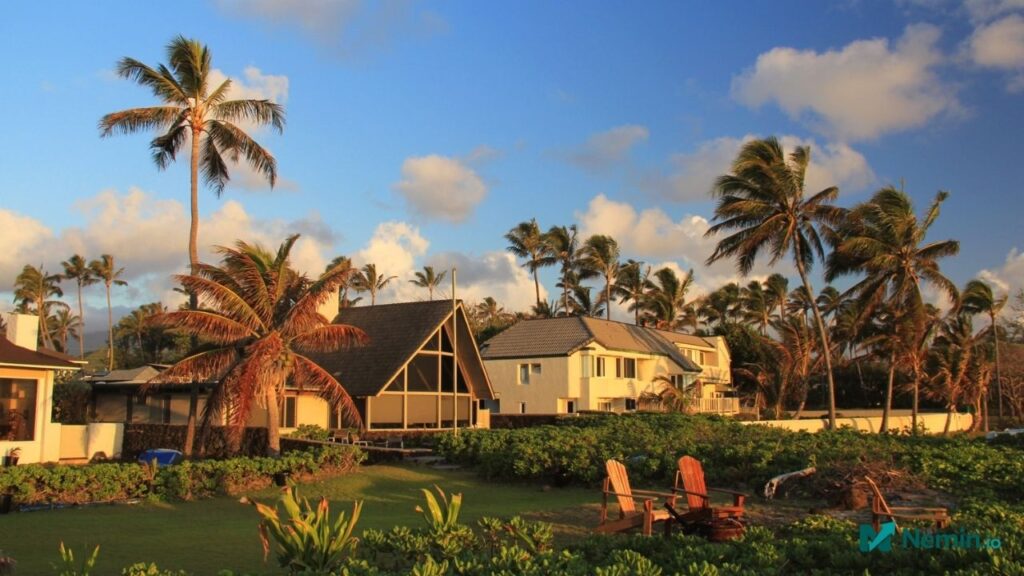
housing market in Hawaii represents one of the most complex and geographically constrained real estate environments in the United States. When investors fail to understand the distinctive dynamics governing this sector, they encounter devastating financial losses from volcanic disruptions, condominium assessments, and tourism-dependent volatility. Understanding the microclimates, zoning restrictions, and Native Hawaiian land tenure systems is essential for anyone seeking to navigate these islands successfully.
Whether you are considering a luxury beachfront condo in Waikiki, a single-family home in Kona, or agricultural land on Maui, the local property sector demands specialized knowledge of lava zones and flood insurance requirements. The decisions you make today regarding property selection and financing structures within this unique sector will determine whether your investment appreciates steadily or becomes an illiquid burden.
What Defines the Hawaiian Real Estate Sector?
Unique Geographic Constraints
The island property sector operates within severe physical boundaries imposed by volcanic mountains and ocean coastlines that prevent traditional suburban sprawl. Unlike mainland markets where development can expand horizontally indefinitely, the Hawaii home market faces absolute land scarcity, with less than twenty percent of total island mass available for residential construction. This geographic reality creates a permanently constrained supply that drives median prices significantly higher than national averages across all major islands.
Topographical challenges force developers to build vertically in urban corridors like Honolulu or on steep hillside lots requiring expensive engineered retaining walls. The resulting limited inventory means that entry-level homes in this market often cost three to four times the national median, creating barriers for local workers and first-time buyers.
Economic and Cultural Drivers
The regional market remains heavily dependent on tourism revenues, military spending, and agricultural exports, creating an economy vulnerable to global disruptions. When visitor arrivals decline, the island housing sector experiences immediate cooling as service industry workers lose income and luxury second-home buyers delay purchases. Additionally, the presence of Native Hawaiian land trusts and conservation easements restricts developable land, preserving cultural sites but further constricting supply.
Foreign investment, particularly from Asia and Canada, significantly influences the Hawaii property landscape, with international buyers often purchasing luxury condos as vacation homes. This global demand competes with local residents for limited inventory, driving price appreciation that outpaces wage growth for residents.
Why housing market in Hawaii Matters
Investment Volatility Risks
The Hawaiian real estate market exhibits extreme price volatility compared to stable mainland sectors, with values capable of appreciating twenty percent annually during boom cycles or stagnating for years during corrections. Investors entering without liquidity reserves face margin calls when rental incomes fail to cover mortgages during tourism downturns. The unique risks of volcanic eruptions, as seen in Puna District disruptions, demonstrate how this environment faces natural disaster exposures that can instantly render properties uninhabitable.
Understanding these volatility patterns allows sophisticated investors to acquire distressed assets when tourism recovers, generating substantial returns for those with holding power. However, amateur investors often purchase at market peaks, assuming prices only move upward, then face negative equity when corrections inevitably occur.
Local Affordability Crisis
The island market suffers from the nation’s most severe affordability crisis, with median home prices exceeding $800,000 statewide while median household incomes remain below $100,000 annually. This disconnect forces essential workers in healthcare and education to leave the islands, creating labor shortages that threaten economic stability. Policymakers struggle to balance affordable housing mandates with property owner rights, resulting in complex regulations including Chapter 514A and 514B condominium laws.
When the housing market in Hawaii becomes entirely inaccessible to local residents, communities face cultural displacement and neighborhood character changes that spark political backlash against development. Investors who ignore these social dynamics risk purchasing properties that become targets for rent control legislation or vacation rental restrictions.
7 Critical Trends to Watch
1. Severe Inventory Shortages
The current housing market in Hawaii faces historically low inventory levels, with active listings dropping forty percent below five-year averages across all major islands. This scarcity results from homeowners refusing to sell and lose low mortgage rates, combined with construction delays from supply chain disruptions. Buyers now face intense bidding wars, often offering twenty to thirty percent above asking prices to secure properties.
This inventory crisis particularly impacts Oahu, where developable land is virtually exhausted and zoning changes face intense neighborhood opposition. The shortage extends to rental units, pushing vacancy rates below three percent and allowing landlords to command premium rents with minimal tenant screening.
2. Tourism Dependency Volatility
The regional property sector remains dangerously correlated with visitor arrival statistics, creating boom-bust cycles that devastate leveraged investors during global travel restrictions. When tourism declines, the Hawaii real estate landscape sees immediate impacts on condo prices in resort zones like Kaanapali and Poipu, with values dropping precipitously as short-term rental incomes vanish. This dependency means the local sector recovers slower than mainland markets following economic shocks.
Savvy investors monitor hotel occupancy rates and airline seat capacity as leading indicators for the island market, exiting positions before tourism downturns materialize fully. However, the pandemic demonstrated that this sector can also experience unexpected surges when remote workers relocate to islands, creating temporary inventory crunches.
3. Volcanic and Geologic Hazards
The Hawaii home market uniquely faces active volcanic threats, with lava zone designations significantly impacting property values and insurance availability on the Big Island. Homes in Lava Zone 1 or 2 often cannot obtain standard homeowner’s insurance, requiring expensive specialty coverage or self-insurance that reduces buyer pools. Recent eruptions destroying hundreds of homes demonstrate how this environment must price in catastrophic geologic risks absent elsewhere.
Beyond lava flows, the island market contends with hurricane exposure, flash flooding, and coastal erosion that threaten beachfront properties with condemnation. Climate change accelerating sea level rise particularly endangers the premium segment, where oceanfront condos face eventual retreat requirements.
4. Foreign Investment Fluctuations
International capital flows significantly distort the housing market in Hawaii, with Asian investors purchasing luxury condos as safe-haven assets during economic uncertainty in their home countries. When China restricts capital outflows or Japan experiences economic stagnation, the local sector sees reduced demand for high-end properties, particularly in Honolulu’s Kakaako corridor. These foreign buyers often leave units vacant, creating ghost neighborhoods that anger local residents facing housing shortages.
Currency exchange rates directly impact affordability for Canadian and Australian buyers, who retreat when the dollar strengthens against their home currencies. This volatility creates unpredictable demand patterns that complicate pricing strategies for sellers.
5. Condominium Regulation Complexities
The island property sector features an unusually high percentage of condominium ownership compared to single-family homes, subjecting buyers to strict regulatory frameworks under Hawaii Revised Statutes Chapter 514B. These laws govern everything from special assessments for building repairs to rental restrictions that prohibit short-term vacation rentals in many Waikiki buildings. Investors entering through condo purchases frequently underestimate maintenance fees, which can exceed $1,000 monthly for luxury buildings and escalate dramatically when reserve funds prove inadequate.
Aging high-rise inventory in the housing market in Hawaii requires expensive infrastructure updates, including fire sprinkler retrofits and seismic upgrades that trigger special assessments reaching tens of thousands per unit. Buyers who fail to review association financials risk inheriting these liabilities immediately upon closing.
6. Agricultural Land Restrictions
The regional market includes significant acreage designated as agricultural land under state law, requiring owners to demonstrate farming activities to maintain favorable property tax classifications. Investors purchasing land hoping to subdivide for residential development face years of zoning battles and agricultural dedication requirements. These restrictions preserve farming capacity but limit entry-level housing supply, forcing the sector toward high-density urban solutions.
Recent court decisions regarding farm dwellings have tightened loopholes previously exploited, where luxury homes were built on agricultural parcels under the guise of farm worker housing. Understanding these land use distinctions is essential for anyone considering rural property.
7. Interest Rate Sensitivity
The housing market in Hawaii demonstrates extreme sensitivity to mortgage rate fluctuations due to the high loan amounts required for even modest properties. When rates rise from three percent to seven percent, monthly payments on median-priced homes increase by thousands of dollars, immediately pricing out local buyers. This sensitivity creates faster transaction volume declines compared to affordable Midwest markets where cash purchases dominate.
Jumbo loan requirements for most properties mean buyers face stricter underwriting standards, larger down payment requirements, and fewer refinancing options during economic stress. The combination of high prices and rising rates currently freezing the sector presents opportunities for cash buyers but devastation for leveraged investors.
Market Metrics and Data
| Island | Median Price | Price/Sq Ft | Inventory Level | Days on Market |
|---|---|---|---|---|
| Oahu | $850,000 | $750 | 1.2 months | 18 days |
| Maui | $1,200,000 | $950 | 2.1 months | 24 days |
| Big Island | $650,000 | $480 | 3.4 months | 32 days |
| Kauai | $1,150,000 | $920 | 2.8 months | 28 days |
This data reveals significant disparities within the housing market in Hawaii, with Oahu commanding premium prices due to urban employment centers while the Big Island offers relative affordability tempered by volcanic risks. Inventory levels across the islands remain critically low compared to the six-month supply considered balanced nationwide.
Investment Strategies
Due Diligence Requirements
Successful navigation requires specialized inspections beyond standard mainland checklists, including termite assessments for Formosan subterranean species and lava zone verification for Big Island properties. Buyers must verify flood zone classifications independently, as climate change has rendered FEMA maps outdated for many coastal areas. Reviewing condominium association meeting minutes and financial reserves is mandatory, where special assessments for building repairs can exceed six figures.
Environmental due diligence includes checking for archaeological sites protected under state law, which can halt development indefinitely if discovered during construction. Title searches must verify clear fee simple ownership rather than leasehold interests, which still complicate significant portions of the island property sector.
Financing and Tax Considerations
The Hawaiian real estate market requires jumbo loans for most transactions, necessitating higher credit scores, larger reserves, and often twenty-five percent down payments to avoid private mortgage insurance. Investors must understand Hawaii’s General Excise Tax, which applies to rental income unlike sales taxes in other states, reducing net operating incomes significantly. Property taxes vary dramatically by county, with Honolulu offering homeowner exemptions that reduce assessed values by substantial amounts for primary residences.
1031 exchanges remain popular for investors upgrading from condos to single-family homes, though identification of replacement properties within forty-five days proves challenging given low inventory. Foreign investors face additional reporting requirements and potential withholding taxes when selling properties.
FAQs
What makes the housing market in Hawaii different from mainland U.S. markets?
The housing market in Hawaii faces extreme geographic constraints with limited developable land, active volcanic hazards on the Big Island, and heavy dependence on tourism revenues that create unique volatility patterns absent in continental real estate markets.
Is the housing market in Hawaii currently favoring buyers or sellers?
The housing market in Hawaii remains strongly favorable to sellers due to historically low inventory levels, with most properties receiving multiple offers within days of listing, though rising interest rates have slightly cooled the most extreme bidding wars.
Can foreign investors purchase property in the housing market in Hawaii?
Foreign buyers can legally purchase real estate in the housing market in Hawaii, though they face additional tax reporting requirements, potential withholding taxes upon sale, and financing challenges since most lenders require U.S. credit histories for mortgage approval.
What are the risks of buying in Lava Zone 1 or 2 within the housing market in Hawaii?
Properties in high-risk lava zones within the housing market in Hawaii often cannot obtain standard homeowner’s insurance, may face sudden evacuation orders during eruptions, and can experience total loss of value if lava flows destroy infrastructure access.
How do condominium regulations affect the housing market in Hawaii?
The housing market in Hawaii features extensive condominium inventory governed by strict statutes requiring disclosure of association finances, limiting short-term rentals in many buildings, and subjecting owners to special assessments for aging infrastructure repairs.
Are there affordable options in the housing market in Hawaii for local workers?
The housing market in Hawaii offers limited affordable inventory, with most entry-level homes starting above $600,000 even on less expensive islands, forcing many residents into long commutes or multi-generational living arrangements.
Conclusion
Navigating the housing market in Hawaii successfully requires acknowledging the extreme constraints, unique risks, and regulatory complexities that distinguish island real estate from mainland investments. By understanding the seven critical trends outlined above and conducting rigorous due diligence regarding volcanic hazards, condominium assessments, and tourism dependencies, investors can capitalize on the housing market in Hawaii’s appreciation potential while avoiding catastrophic losses. Remember that the housing market in Hawaii operates on island time regarding permitting and transactions, requiring patience and liquidity reserves that impatient capital lacks.
Taking action to secure properties in the housing market in Hawaii demands local expertise, tolerance for natural disaster exposures, and long-term holding capacity that withstands economic cycles driven by global tourism patterns. Your commitment to mastering the nuances of the housing market in Hawaii positions you to own a piece of paradise while contributing to solutions for the islands’ severe housing affordability crisis.