
An old smartphone can still have meaningful resale value, even after a newer model has taken its place. The difference between getting a fair price...
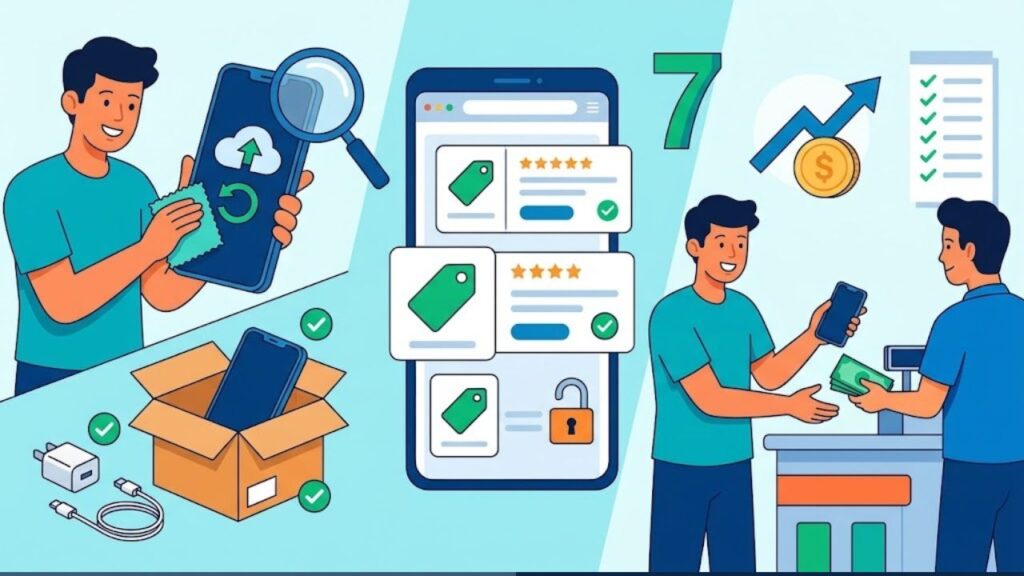
An old smartphone can still have meaningful resale value, even after a newer model has taken its place. The difference between getting a fair price and accepting a disappointing offer often comes down to timing, condition, storage capacity, and how the phone is prepared before it changes hands. A device that looks clean, works properly, and comes with useful accessories is easier for a buyer to assess.
Selling also becomes more complicated when owners wait too long. New phone launches can push older models down in value, while cosmetic damage and battery wear become more noticeable with continued use. A little preparation can therefore make the selling process more straightforward and help an owner make a better-informed decision.
Sell Before Your Phone Becomes Yesterday’s Model
Timing has a direct connection to resale value. Smartphones generally lose value as newer generations arrive, because buyers can compare an older device with newer hardware, longer software support, improved cameras, and other upgrades. A phone that was desirable six months ago may attract less interest after its successor reaches stores.
That does not mean every owner needs to sell immediately after a new phone is announced. The better approach is to consider how long the current phone will remain attractive in the used market. If a major upgrade is approaching and the owner already intends to replace the device, preparing it for sale before the new model becomes widely available may help preserve more value.
Market demand also varies by model. Popular flagship phones often have a broader secondhand audience than obscure or outdated models. Devices with strong software support can remain useful for longer because buyers are less concerned about immediate compatibility or security issues.
Personal circumstances matter too. Someone who needs a replacement immediately may accept the first reasonable offer, while a person planning an upgrade several weeks ahead can compare different selling routes. Planning early gives the owner more control and reduces the pressure to sell quickly.
Condition, Storage, and Carrier Status Shape the Offer
Two phones with the same model number can have noticeably different resale values. Physical condition is one of the clearest reasons. A screen without cracks, a clean frame, functional cameras, working buttons, and a healthy charging port generally make a device easier to resell than one showing heavy wear.
Battery condition can matter as well. A phone with a battery that drains unusually quickly may require additional work for its next owner. Buyers often consider this when deciding how much they are willing to pay.
Storage capacity is another practical factor. A 256GB version may command more than a 64GB version of the same model because additional storage is useful for photos, videos, applications, and offline files. However, storage alone does not guarantee a higher offer. Condition, demand, age, and model popularity still influence the final value.
Carrier status deserves attention before a phone is listed or taken to a buyer. An unlocked phone can generally appeal to a wider group because the next owner has more flexibility in choosing a compatible carrier. A carrier-locked device may have a narrower market or require additional steps before it can be used elsewhere.
Owners should therefore check the phone’s settings and carrier account before selling. Removing account restrictions, confirming the device’s status, and understanding any remaining payment obligations can prevent problems later.
A Few Minutes of Preparation Can Protect Resale Value
Preparation should begin before the phone leaves the owner’s hands. A clean device creates a better first impression, but cleaning should be limited to safe exterior care. Dust can be removed from appropriate openings with care, while the screen and body can be wiped using materials recommended for electronics.
Accessories should also be gathered. The original charging cable, compatible adapter, protective case, documentation, or original box may not transform the value of an older phone, but complete accessories can make the transaction easier. More importantly, owners should avoid assuming that every accessory automatically adds its full retail price to the phone’s resale value.
Data protection is even more important. Before resetting a device, the owner should create a current backup and confirm that important photos, contacts, messages, authentication information, and other files are available elsewhere. Cloud backups and computer backups can provide different recovery options.
After the backup is confirmed, accounts should be removed according to the phone’s operating system requirements. Activation locks and device-tracking features can prevent a new owner from using the phone if they remain connected to the previous owner’s account.
A final inspection is worthwhile. The owner can check the camera, speakers, microphone, buttons, charging port, biometric features, wireless connections, and display. Recording any known defect honestly is better than discovering it during the transaction.
Compare Selling Routes Before Accepting an Offer
There is no single selling method that fits every smartphone owner. Online marketplaces can expose a device to many potential buyers, but the owner may need to create a listing, answer questions, negotiate, arrange shipping, and deal with payment or return concerns. The advertised price is also not necessarily the final amount received after shipping costs, marketplace fees, or discounts.
Trade-in programs offer a different experience. They can be convenient, especially when someone is buying another phone at the same time, but the quoted value may depend on the device’s condition and eligibility. Owners should read the terms carefully before assuming that an estimated amount is guaranteed.
Local in-person buyers offer another option for people who value speed and direct evaluation. Someone comparing local buyers with online listings may search for ways to sell my phone to PayMore, then weigh the in-store offer against the fees, shipping, and effort of other routes.
The right comparison is not simply about the highest advertised number. Owners should consider the total effort, payment timing, fees, shipping requirements, privacy concerns, and likelihood of completing the transaction at the quoted amount.
Seven Checks to Complete Before the Phone Changes Hands
A short final checklist can prevent common mistakes. Owners should review the device one more time rather than rushing through the handover.
- Confirm the exact model and storage capacity.
- Check the screen, body, cameras, buttons, speakers, and charging port.
- Gather the original box and useful accessories if they are available.
- Back up personal files and verify that the backup is complete.
- Remove personal accounts and disable applicable device-locking features.
- Perform the manufacturer’s recommended factory reset.
- Compare at least two selling routes before accepting an offer.
These steps do not guarantee a particular price. They do, however, give the owner a clearer picture of the phone’s condition and reduce avoidable complications. A clean, functional device with its data properly removed is easier to evaluate than one handed over without preparation.
The Best Price Starts With Knowing What You Have
Getting a good resale price is less about finding a magic selling trick and more about understanding the device before offering it. Model, age, storage, physical condition, battery performance, carrier status, accessories, and current market demand all contribute to what a buyer may offer.
Selling at a sensible time can help avoid unnecessary depreciation. Preparing the phone carefully protects both its value and the owner’s personal information. Comparing local buyers, online listings, and trade-in options also prevents a rushed decision based on a single quote.
Most importantly, owners should separate the phone’s original purchase price from its current market value. A device may have cost hundreds of dollars when new, yet its resale value reflects what buyers can reasonably pay for a used product today. With realistic expectations and careful preparation, selling an old smartphone can become a straightforward part of upgrading rather than an afterthought.