
Running an independent wine, beer, and spirits shop demands far tighter operational precision than generic retail checkout because every single sale touches strict age compliance,...
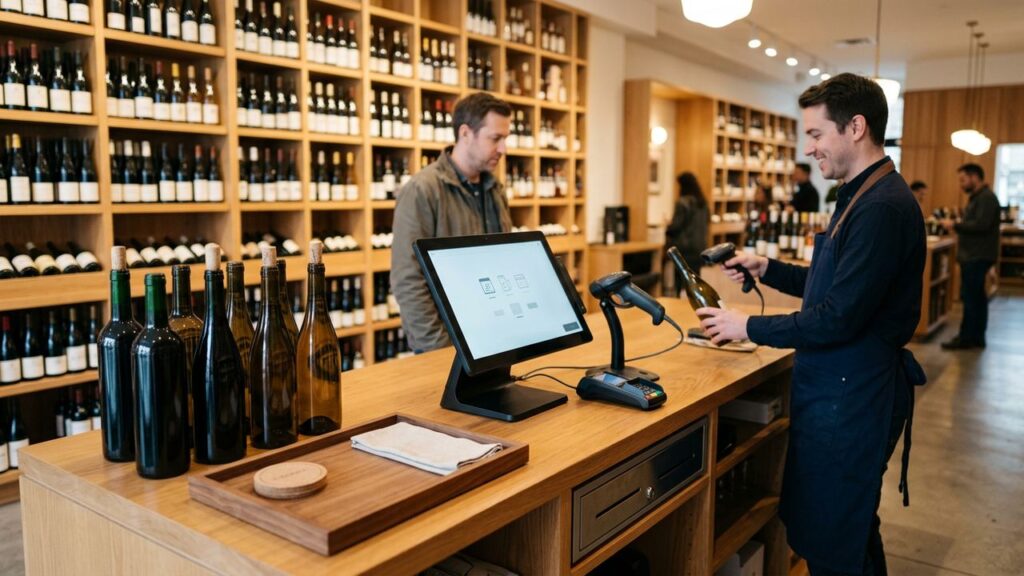
Running an independent wine, beer, and spirits shop demands far tighter operational precision than generic retail checkout because every single sale touches strict age compliance, fluctuating case-break pricing, bottle deposits, and razor-thin card processing margins. Store owners upgrading to a dedicated liquor store POS system like LiquorStoreOS eliminate manual bottle tracking while protecting thousands of dollars in annual payment fees. Purpose-built software streamlines checkout speed during Friday night rushes and enforces regulatory safeguards automatically at every register.
Generic retail tablets frequently stall on multi-pack case breaks, state-mandated keg or bottle deposits, lotto payouts, and fast 2D driver’s license age scanning. LiquorStoreOS solves those daily headaches with transparent $39 per station monthly software, 24/7 US phone support, and pre-loaded store inventory delivered straight to your counter in roughly 14 business days. This guide walks through eight proven cash-saving strategies, hardware financing choices, inventory control tactics, and compliance workflows for choosing the right liquor store POS system.
Why Generic Retail Registers Break Inside Wine and Spirits Shops
Standard retail registers assume uniform single-unit barcodes and simple flat tax rates, which breaks down almost immediately inside a modern beverage store. A single craft beer SKU might sell as a cold single can, a four-pack, a twelve-pack, or a full 24-unit case, all drawing from one shared backroom stock pool. Without a specialized liquor store POS system handling automated parent-child inventory conversion, managers face constant phantom out-of-stocks and distorted distributor reorders.
Beyond complex packaging hierarchies, beverage retailers carry severe legal liability on every underage compliance check. Relying on hurried cashiers to perform mental birth-year math under Friday evening line pressure invites catastrophic license suspensions and steep state fines. Integrating 2D driver’s license scanning directly into your liquor store POS system removes human calculation mistakes while logging timestamped verification records automatically.
- Missed mix-and-match discounting: Generic terminals cannot automatically calculate mix-six wine discounts, BOGO promos, or quantity case breaks without slow manual cashier overrides.
- Deposit and lottery accounting errors: Tracking refundable keg deposits, state container deposits, and lottery payouts outside the liquor store POS system creates nightly drawer reconciliation headaches.
- Crippling 3% card fee erosion: Low-margin domestic beer cases and popular liquor handles lose a huge chunk of net profit when credit card swipe fees go unchecked.
- Painful manual catalog entry: Keying in 4,000 to 12,000 wine, beer, and spirits barcodes manually delays store launches and introduces costly pricing typos.
Inside LiquorStoreOS Hardware, Pricing, and Pre-Loaded Setup
LiquorStoreOS designs its liquor store POS system specifically around independent beverage retailers who want turnkey hardware, transparent monthly pricing, and responsive US-based phone assistance. Software and 24/7 US support cost a straightforward $39 per station per month without hidden tier upgrades for core liquor features. Better yet, every liquor store POS system ships pre-loaded with the store’s actual product inventory within roughly 14 business days, bringing total onboarding from kickoff to live counter checkout into a clean three-to-four-week window.
Each complete counter kit arrives ready to plug in and ring transactions immediately. Inside the box, owners receive a responsive touchscreen terminal, an EMV and NFC contactless card terminal, a dual-pricing customer-facing display showing both cash and card totals transparently, a 2D barcode and driver’s license ID scanner, a high-speed thermal receipt printer, a heavy-duty steel cash drawer, networking router and cables, and full cloud dashboard access for mobile management from anywhere.
Two Flexible Hardware Acquisition Paths
Beverage retailers vary widely between newly licensed startups conserving buildout cash and established neighborhood stores processing steady monthly card volume. LiquorStoreOS supports both realities with two transparent hardware paths inside its liquor store POS system rollout. Established stores open at least three months and processing roughly $25,000 or more in monthly card sales can qualify for the $0 free hardware offer, while newer shops or owners preferring outright capital ownership can choose the straightforward Own It hardware purchase option.
Built-In Age Verification and Compliance Safeguards
When a cashier scans any age-restricted bottle, the liquor store POS system immediately prompts for age verification via the included 2D handheld scanner. Reading the PDF417 barcode on the back of a state driver’s license instantly confirms legal purchasing age and flags expired identification cards in less than one second. That frictionless workflow keeps checkout queues moving swiftly while documenting disciplined compliance practices for state liquor control inspections.
Comparing Generic Retail POS vs. Specialized LiquorStoreOS
Comparing subscription quotes alone can mislead owners if a cheaper generic tablet forces expensive add-on apps for inventory, loyalty, age scanning, and dual pricing. Reviewing beverage-specific operational capabilities side by side reveals how quickly a purpose-built liquor store POS system outperforms generalist retail apps across checkout speed, margin preservation, and back-office labor.
| Store Requirement | Generic Retail Tablet POS | Legacy Server Cash Register | Specialized LiquorStoreOS |
|---|---|---|---|
| Monthly Software & Support | $79 to $149+ with paid add-ons | High annual maintenance contracts | $39/station/mo with 24/7 US phone support |
| 2D Driver’s License Age Scan | Manual birth date entry or paid app | External standalone age box | Included 2D scanner with instant ID prompts |
| Cash Discount Dual Pricing | Often blocked or unsupported | Clunky manual receipt math | Native customer display showing cash vs. card |
| Pre-Loaded Store Catalog | Owner uploads spreadsheets alone | Manual barcode keying by staff | Ships pre-loaded with inventory in ~14 biz days |
| Keg Deposits & Lotto Payouts | Unsupported workarounds | Manual paper tracking logs | Native keg/bottle deposits and lotto payout keys |
Eight Proven Cash Wins From a Modern Liquor Store POS System
Upgrading your liquor store POS system lanes should immediately strengthen gross margins, shorten Friday night lines, and free owners from tedious back-office counting. Beverage retailers deploying a purpose-built liquor store POS system consistently capture eight repeatable financial improvements during their first quarter live. Combining disciplined inventory controls with compliant payment optimization turns modest single-store sales into healthier take-home cash.
1. Eliminating 3% Card Processing Drag via Cash Discount Programs
Credit and debit card interchange fees routinely drain $12,000 to $30,000 annually from busy single-location package stores where popular beer cases carry tight wholesale markups. A compliant cash discount program built natively into your liquor store POS system displays both the cash price and card price clearly on the customer-facing screen before checkout completes. Shifting processing costs transparently lets owners retain nearly 100% of intended retail margin on every bottle sold.
2. Accelerating Inventory Audits With Handheld Mobile Stock Counts
Closing the shop early or paying overnight staff to count thousands of dusty wine bottles on paper clipboards wastes payroll and still misses misplaced stock. Using wireless handheld scanners connected directly to your liquor store POS system allows one manager to scan shelf facings aisle by aisle during quiet Tuesday mornings. Real-time variance reports immediately expose damaged cases, unrecorded distributor shorts, or internal shrinkage before losses compound.
3. Automating Purchase Orders and Reorder Par Alerts
Running out of top-selling domestic 24-packs or holiday bourbon allocations on Friday afternoon sends loyal neighborhood shoppers straight to a competitor across town. Automated minimum-stock par levels inside a liquor store POS system generate clean vendor purchase orders organized by distributor territory. Ordering precisely what moves frees trapped cash from slow-turning dusty bottles while keeping flagship SKUs stocked year-round.
4. Lifting Average Basket Size With Mix-and-Match and BOGO Loyalty
Encouraging a shopper buying two bottles of everyday wine to grab six bottles for a 10% mix-and-match discount dramatically expands weekly store revenue without cutting prices on single-bottle impulse buyers. Built-in mix-and-match rules, BOGO deals, and phone-number loyalty clubs inside a liquor store POS system apply promotional pricing automatically at the barcode scan. Cashiers never fumble with laminated discount charts, and shoppers earn points that lock in repeat weekend visits.
5. Printing Crisp Shelf Labels Directly After Receiving Deliveries
Wholesale liquor and beer costs shift frequently across distributor price books, and mismatched shelf tags spark frustrating register disputes that erode customer trust. Updating retail margins inside your liquor store POS system upon receiving an invoice lets staff print crisp matching shelf talkers and barcode labels on the spot. Accurate price tags protect margin instantly whenever distributor costs tick upward.
6. Managing Keg Deposits, Bottle Fees, and Lotto Payouts Cleanly
State bottle redemption fees, refundable party keg deposits, and winning scratch-off lottery payouts distort cash drawer counts when tracked loosely on sticky notes. Dedicated transaction keys inside a liquor store POS system record every deposit collected, empty keg returned, and lottery ticket cashed into separate clean accounting buckets. Nightly shift closeouts drop from 35 stressful minutes to under five verified minutes.
7. Protecting License Compliance With One-Second 2D ID Verification
One failed compliance sting can trigger steep fines, mandatory store closures, or permanent loss of an irreplaceable liquor license worth hundreds of thousands of dollars. Enforcing automated 2D license scanning inside your liquor store POS system trains every cashier into an identical, polite, fast verification habit. Management gains peace of mind across late-night shifts and seasonal holiday hires.
8. Auditing Category-Level Profit Margins Before Seasonal Buys
Not every beverage category contributes equally to store rent and payroll: high-turn domestic beer drives foot traffic at modest margin while craft spirits, small-production wines, and chilled single-serve mixers deliver superior gross profit. Pair category sales reports from your liquor store POS system with a practical profit margin calculator before committing capital to holiday case stacks so every square foot of cooler and floor space earns maximum return.
Calculating Annual Margin Savings Across Store Volumes
Evaluating a liquor store POS system through hard annual dollars clarifies why a specialized liquor store POS system delivers one of the fastest paybacks in retail technology. Even a mid-sized neighborhood shop processing $35,000 per month in card sales immediately recaptures substantial bottom-line profit through dual pricing, tighter shrinkage controls, and faster reorder turns. Review the financial impact benchmarks below across common independent store tiers.
| Store Monthly Card Volume | Estimated Annual Card Fees Saved (Cash Discount) | Estimated Shrinkage & Reorder Savings | Annual Software Cost ($39/Station, 2 Lanes) |
|---|---|---|---|
| $25,000 / month | $8,400 to $9,600 | $2,400 to $4,000 | $936 / year |
| $45,000 / month | $15,100 to $17,200 | $4,200 to $6,800 | $936 / year |
| $75,000 / month | $25,200 to $28,800 | $6,500 to $10,500 | $936 / year |
| $120,000 / month | $40,300 to $46,000 | $9,500 to $15,000 | $1,404 / year (3 lanes) |
Four-Week Liquor Store POS System Migration Blueprint
Switching to a pre-loaded liquor store POS system takes four organized weeks with zero closed hours.
Week One: Liquor Store POS System Export and Hardware Path
Export your current SKU list, retail prices, case costs, and vendor names from your legacy register, or schedule a clean barcode capture of your top-moving aisles. Confirm whether your store qualifies for LiquorStoreOS’s liquor store POS system $0 free hardware offer based on three-plus months operating history and roughly $25,000+ monthly card volume, or lock in your Own It hardware order. Finalize your tax rules, state bottle deposit rates, and cash discount customer display preferences.
Week Two: Pre-Loading Your Liquor Store POS System Catalog
While your hardware kit is staged and pre-loaded with your catalog over roughly 14 business days, map your core promotional rules cleanly. Configure six-bottle wine discounts, cold-single markups, loyalty point earn thresholds, and distributor categories. Verifying case-break relationships in advance ensures single bottles deduct cleanly from full case inventory the moment scanning starts.
Week Three: Liquor Store POS System Setup and Rehearsal
Unbox your pre-configured touchscreen terminal, EMV/NFC reader, dual-pricing customer display, 2D ID scanner, thermal printer, cash drawer, and router directly onto the counter. Run practical 20-minute hands-on drills with every clerk covering age verification prompts, mix-and-match wine baskets, keg deposit entries, lotto payouts, and end-of-shift drawer counts. Because the touchscreen interface is tailored strictly to liquor store POS system checkout, most staff master daily operations within a single afternoon.
Week Four: Liquor Store POS System Go-Live Calibration
Switch live checkout on a calm Monday or Tuesday morning with 24/7 US phone support one call away if any printer or tax rule needs fine-tuning. Review your cloud dashboard each evening during week one to verify top-selling brands, cash versus card mix, and deposit balances. By week two, begin generating distributor purchase orders and printing fresh shelf tags straight from your liquor store POS system.
Daily Age Compliance and Drawer Verification Routine
Store managers operating a liquor store POS system should audit 2D driver’s license scan logs alongside end-of-night cash discount totals every morning. Reviewing exception counts inside your liquor store POS system catches cashier shortcuts early and keeps state licensing clean.
Weekly Case-Break and Cooler Par Optimization
Compare single-bottle cooler sales against full-case stock inside your liquor store POS system every Monday to keep fast sellers stocked and working capital liquid.
Essential Checklist Before Signing a Liquor Store POS System Contract
Before signing any liquor store POS system contract, verify five critical operational guarantees during live demos.
- Transparent software fees: Confirm exact monthly liquor store POS system lane pricing like $39 per station with zero surprise annual markups.
- Complete counter box: Verify your liquor store POS system includes touchscreen, EMV/NFC reader, dual-pricing screen, 2D ID scanner, printer, and cash drawer.
- 24/7 US phone support: Confirm live human phone help for your liquor store POS system during busy Friday nights.
- Pre-loaded SKU catalog: Ensure your liquor store POS system arrives pre-loaded with store inventory in roughly 14 business days.
- Cloud mobile control: Confirm your liquor store POS system tracks live sales, cooler stock, mix-and-match loyalty, and purchase orders remotely.
Confirming these five items ensures your liquor store POS system protects cash margins cleanly from week one. Independent shops deploying a reliable liquor store POS system eliminate card fee drag, speed ID checks, and simplify bottle counts across every shift.
Positioning Independent Beverage Shops for Long-Term Growth
Independent wine, beer, and spirits stores outcompete national grocery chains through curated selection, friendly staff expertise, rapid Friday liquor store POS system lanes, and disciplined cash margin protection. A dedicated liquor store POS system safeguards all four strengths simultaneously while reclaiming thousands in unnecessary annual processing drag.
FAQ’s
What features make a liquor store POS system different from regular retail software?
A dedicated liquor store POS system includes beverage-specific tools generic retail platforms lack, such as instant 2D driver’s license age scanning, case-break inventory tracking across singles and multi-packs, mix-and-match wine discounts, keg and bottle deposit accounting, lotto payout tracking, and compliant dual-pricing cash discount displays.
How much does LiquorStoreOS cost per month?
LiquorStoreOS liquor store POS system charges a transparent $39 per station per month for full liquor POS software and 24/7 US phone support. Stores can pair that software with either the Own It hardware purchase option or qualify for the $0 free hardware offer if open at least three months with roughly $25,000 or more in monthly card sales.
How long does it take to receive and launch a pre-loaded liquor store POS system?
LiquorStoreOS liquor store POS system ships complete liquor store POS system kits pre-loaded with your actual store inventory in roughly 14 business days, making the full transition from initial kickoff to live counter scanning approximately three to four weeks. Pre-loaded inventory removes weeks of tedious manual barcode entry for owners and staff.
How does a cash discount program work on a liquor store POS system?
A compliant cash discount program displays both the cash price and the regular card price clearly on the customer-facing terminal screen before payment finishes. Shoppers paying with cash receive an instant discount while card transactions offset merchant processing fees, saving busy liquor stores thousands of dollars every year.
Can a liquor store POS system scan state driver’s licenses for age compliance?
Yes, LiquorStoreOS liquor store POS system includes a 2D barcode and driver’s license scanner directly in the box. When an age-restricted beverage is scanned, the liquor store POS system automatically prompts the clerk to scan the customer’s ID, instantly confirming legal drinking age and flagging expired IDs in under a second.
Does LiquorStoreOS include cloud inventory management and shelf label printing?
Yes, every liquor store POS system includes a cloud management dashboard supporting wireless handheld stock counts, automated vendor purchase orders, real-time sales monitoring from any device, mix-and-match loyalty promotions, and rapid shelf label printing whenever retail prices or distributor costs change.
Conclusion
Independent wine, beer, and spirits stores cannot afford slow generic registers that leak 3% card processing margins, fumble case-break inventory, or expose staff to preventable age-compliance errors. Adopting a purpose-built liquor store POS system like LiquorStoreOS unites pre-loaded inventory, 2D ID scanning, keg and lotto controls, cash discount dual pricing, and 24/7 US phone support at a clear $39 per station monthly rate.
Evaluate your current monthly processing statements, verify whether your store qualifies for $0 hardware or outright ownership, and map out a clean four-week transition. Upgrading to the right liquor store POS system immediately protects store margins, streamlines Friday rush lines, and gives you effortless control over every bottle in stock.