
A beautiful makeup look is not only about choosing the right products. The tools used during application play an important role in creating smooth, blended,...
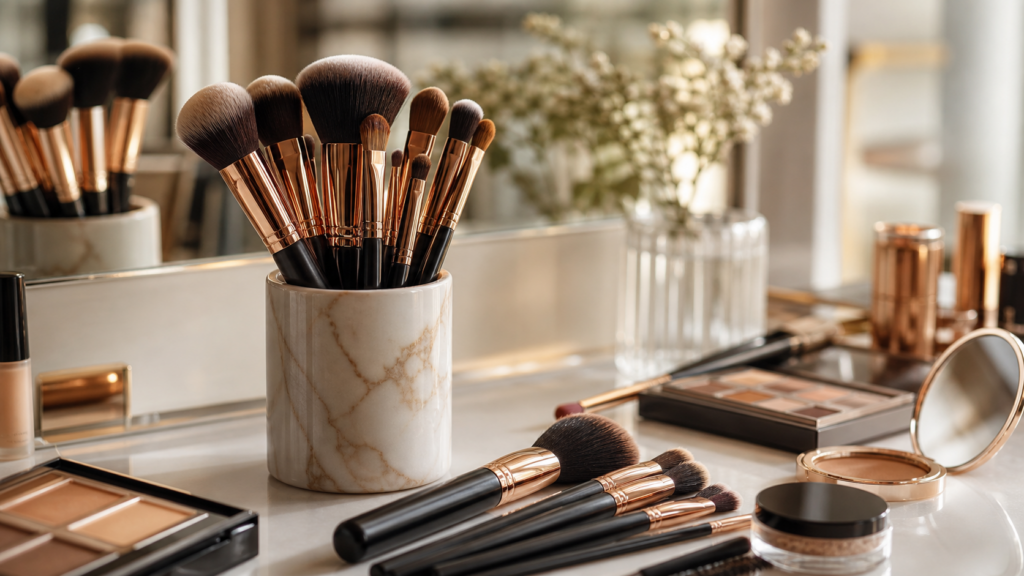
A beautiful makeup look is not only about choosing the right products. The tools used during application play an important role in creating smooth, blended, and professional-looking results. Makeup brushes help apply, blend, and shape cosmetic products with better control, allowing you to create everything from a natural everyday look to a glamorous makeup style.
Many people feel overwhelmed when they see large brush collections with different shapes and sizes. However, understanding the purpose of each brush makes the process much easier. You do not need dozens of tools to create a polished makeup look. A few high-quality brushes that match your routine can make a significant difference.
The right brush helps distribute products evenly, improves blending, and allows more precise application. Whether you are a beginner learning basic techniques or someone who enjoys advanced makeup styles, choosing suitable brushes can improve your overall beauty routine.
Why Makeup Brushes Are Important
Makeup brushes are designed to help apply cosmetic products accurately and evenly. Different brush shapes, densities, and bristle materials are created for specific purposes, such as applying foundation, blending eyeshadow, adding blush, or creating detailed looks.
Using the correct brush can help you:
- Apply makeup more smoothly
- Blend products naturally
- Control product coverage
- Create detailed looks
- Reduce uneven application
- Achieve a professional finish
Applying makeup with the wrong tool can sometimes create streaks, harsh lines, or uneven coverage. A good brush allows products to work better with your skin.
Understanding Different Types of Makeup Brushes
There are many types of brushes available, but they can generally be divided into three main categories:
- Face brushes
- Eye brushes
- Detail brushes
Each category includes different shapes designed for specific makeup steps.
Face Makeup Brushes and Their Uses
Face brushes are used for applying complexion products such as foundation, powder, blush, bronzer, and highlighter.
Foundation Brush
A foundation brush helps apply liquid or cream foundation evenly across the skin. These brushes usually have dense bristles that help blend products smoothly.
A foundation brush is useful for:
- Medium to full coverage makeup
- Blending liquid foundation
- Creating an even base
Flat foundation brushes provide precise application, while buffing brushes create a more blended finish.
For quick touch-ups, many people skip the brush entirely and reach for portable cushion foundation compacts that come with a built-in puff.
Powder Brush
A powder brush has soft, fluffy bristles designed to apply loose or pressed powder.
It helps:
- Set foundation
- Reduce excess shine
- Create a soft finish
A larger powder brush covers more surface area, making it ideal for quick application.
Blush Brush
A blush brush is designed to apply color to the cheeks. It is usually smaller than a powder brush and allows better control.
A good blush brush helps create:
- Natural-looking color
- Smooth blending
- Controlled application
Using light pressure helps build color gradually instead of applying too much product at once.
Contour Brush
Contour brushes are designed to add definition to areas such as cheekbones, jawline, and forehead.
They often feature:
- Angled bristles
- Medium density
- Precise shapes
A contour brush helps create shadows and dimension while keeping the makeup blended.
Highlighter Brush
A highlighter brush is smaller and more precise. It allows you to apply shimmer or glow products to specific areas.
Common application areas include:
- Cheekbones
- Nose bridge
- Brow bone
- Cupid’s bow
A soft tapered brush creates a natural glow without applying too much product.
Kabuki Brush
Kabuki brushes have dense, short bristles and are useful for applying powder, foundation, and mineral products.
They are popular because they provide:
- Easy blending
- Even coverage
- Smooth application
Kabuki brushes are especially useful for creating a polished complexion.
Eye Makeup Brushes and Their Uses
Eye brushes help create detailed and blended eye makeup looks. They allow better control when applying eyeshadow, eyeliner, and brow products.
Eyeshadow Brush
An eyeshadow brush is used to apply color to the eyelids. Flat eyeshadow brushes are excellent for packing pigment onto the lid.
They work well for:
- Powder eyeshadow
- Cream eyeshadow
- Shimmer shades
A flat brush provides stronger color payoff compared to a fluffy blending brush.
Blending Brush
A blending brush is one of the most important eye makeup tools. It softens harsh edges and creates smooth transitions between colors.
A fluffy blending brush helps:
- Mix eyeshadow shades
- Remove harsh lines
- Create a professional finish
Blending is often the key difference between simple and polished eye makeup.
Crease Brush
A crease brush is smaller and more controlled than a standard blending brush.
It helps apply darker shades into the crease area to add depth and dimension.
This brush is useful for:
- Smokey eye looks
- Defined eye makeup
- Detailed blending
Eyeliner Brush
An eyeliner brush allows precise application of gel, cream, or powder eyeliner.
It helps create:
- Thin lines
- Winged eyeliner
- Detailed eye designs
Angled eyeliner brushes can also be used for eyebrow products.
Brow Brush
A brow brush is commonly designed with an angled side for applying brow products and a spoolie side for blending.
It helps create:
- Defined eyebrows
- Natural-looking brows
- Controlled product placement
Lip and Detail Makeup Brushes
Small brushes provide precision for areas requiring careful application.
Lip Brush
A lip brush helps apply lipstick or lip products with more control.
Benefits include:
- Cleaner edges
- Even color application
- Better blending of lip shades
It is especially useful when creating detailed lip looks.
Concealer Brush
A concealer brush is small and precise. It helps apply concealer to areas that need extra coverage.
Common uses include:
- Under-eye correction
- Covering blemishes
- Applying cream products
Detail Brush
Detail brushes are small tools designed for precision work.
They can be used for:
- Inner corner highlights
- Small corrections
- Detailed eyeshadow work
- Creative makeup designs
Synthetic vs Natural Makeup Brushes
When choosing brushes, bristle material is an important consideration.
Synthetic Brushes
Synthetic brushes are made from artificial fibers. They are commonly used with liquid and cream products because they do not absorb as much product.
Advantages include:
- Easy cleaning
- Durable fibers
- Smooth application
- Suitable for cream formulas
Synthetic brushes are a popular choice for everyday makeup routines.
Natural Bristle Brushes
Natural brushes are made from animal hair and are often used for powder products.
They can provide:
- Soft blending
- Natural powder application
- Smooth distribution
The best choice depends on your preferences, makeup products, and application style.
How to Choose the Right Makeup Brushes
Selecting brushes does not have to be complicated. Focus on your personal makeup routine and choose tools that match your needs.
Consider Your Makeup Style
If you mainly wear foundation and powder, focus on essential face brushes.
If you enjoy eye makeup, invest more in blending and detail brushes.
Your collection should support the looks you create most often.
Look for Quality Materials
A good brush should feel comfortable and maintain its shape after use.
Important quality signs include:
- Soft bristles
- Strong handle construction
- Secure brush head
- Minimal shedding
Quality brushes often provide better results and last longer.
Choose Brushes Based on Products
Different formulas work better with different brush types.
For example:
- Liquid products often work well with synthetic brushes
- Powder products often work well with fluffy brushes
- Detailed work requires smaller brushes
Matching your brush with your product improves application.
Essential Makeup Brushes for Beginners
Beginners do not need a large collection. A small set of versatile brushes can handle most daily makeup needs.
A basic collection may include:
- Foundation brush
- Powder brush
- Blush brush
- Eyeshadow brush
- Blending brush
- Brow brush
- Concealer brush
These tools can help create a complete makeup routine without unnecessary complexity.
How to Clean Makeup Brushes Properly
Cleaning brushes regularly is important for maintaining hygiene and keeping them in good condition.
Dirty brushes can collect:
- Makeup residue
- Oils
- Dust
- Bacteria
A simple cleaning routine includes:
- Wet the bristles with water.
- Apply gentle cleanser.
- Massage the bristles carefully.
- Rinse until clean.
- Allow brushes to dry completely.
Avoid soaking the brush handle because moisture can weaken the connection between the handle and bristles.
How Often Should Makeup Brushes Be Replaced?
The lifespan of a brush depends on quality, usage, and maintenance.
Signs that a brush may need replacement include:
- Excessive shedding
- Damaged bristles
- Loss of shape
- Difficulty applying products evenly
Proper cleaning and storage can help extend the life of your brushes.
Common Makeup Brush Mistakes
Many makeup users make simple mistakes that affect their results.
Using One Brush for Everything
Different products require different tools. Using the same brush for every step can affect blending and color accuracy.
Not Cleaning Brushes Regularly
Dirty brushes can impact application quality and hygiene.
Applying Too Much Product
A brush should help build coverage gradually. Start with a small amount and add more when needed.
Choosing the Wrong Brush Shape
The wrong brush can make application harder. Selecting the correct shape improves control.
Tips for Better Makeup Application With Brushes
To get the best results:
- Use light pressure
- Blend patiently
- Clean brushes regularly
- Match brushes to products
- Replace damaged tools
- Store brushes properly
Small improvements in technique can make a noticeable difference.
Building a Professional Makeup Brush Collection
As your skills improve, you may want to add specialized brushes.
Advanced collections may include:
- Precision brushes
- Specialty blending brushes
- Multiple foundation brushes
- Creative detail tools
However, quality is more important than quantity. A carefully selected collection is more useful than owning many brushes you rarely use.
Conclusion
Choosing the right makeup brushes can completely improve your beauty routine by making application smoother, more controlled, and more professional. From foundation and powder brushes to detailed eye and lip tools, each brush has a specific purpose that helps create better results. Whether you are a beginner or an experienced makeup enthusiast, investing in quality brushes and learning how to use them properly can help you achieve beautiful looks with confidence.
FAQs
What makeup brushes do beginners need?
Beginners usually need a foundation brush, powder brush, blush brush, eyeshadow brush, blending brush, and brow brush to create most everyday makeup looks.
How often should makeup brushes be cleaned?
Makeup brushes should be cleaned regularly depending on how often they are used. Frequently used face brushes benefit from more frequent cleaning.
Are synthetic makeup brushes better than natural brushes?
Synthetic and natural brushes both have advantages. Synthetic brushes often work well with liquid products, while natural brushes are commonly used with powders.
Can one makeup brush be used for multiple products?
Yes, some versatile brushes can be used for multiple products, but using specialized brushes often provides better control and results.
What makes a good makeup brush?
A good makeup brush has soft bristles, strong construction, good shape retention, and provides smooth product application.
How do I store makeup brushes?
Store brushes upright in a clean container or in a dedicated brush holder to protect the bristles and keep them organized.
Why do makeup brushes affect makeup results?
Makeup brushes influence how products blend, spread, and appear on the skin. The right brush helps create a smoother and more polished finish.