
Choosing a metal roof manufacturer is a product decision and a project-risk decision. The supplier’s specifications, fabrication accuracy, technical support, and warranty terms can affect...
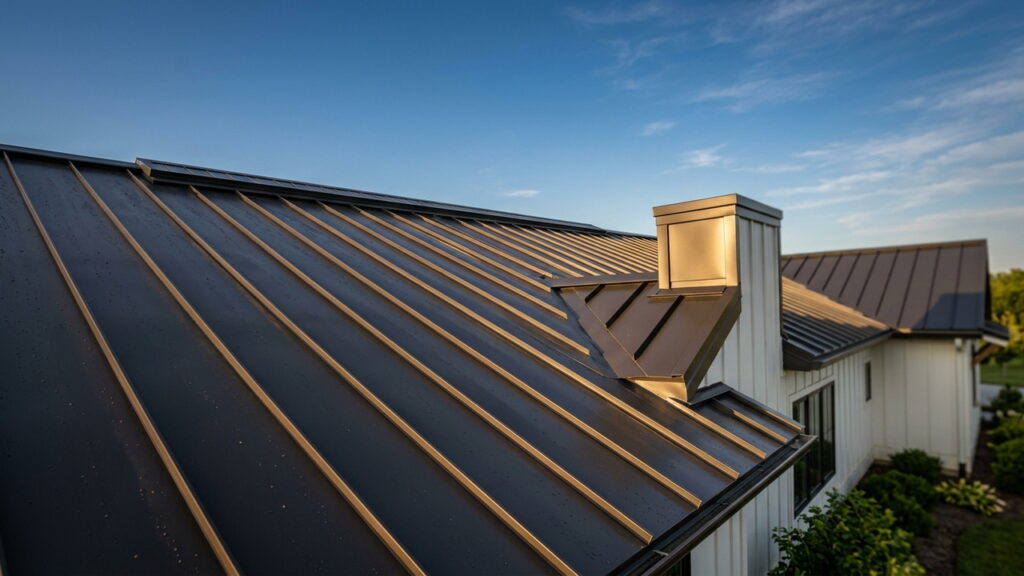
Choosing a metal roof manufacturer is a product decision and a project-risk decision. The supplier’s specifications, fabrication accuracy, technical support, and warranty terms can affect whether the roof system suits your building, budget, and local conditions.
A reliable metal roof manufacturer should explain what it makes, what its products are designed to do, and which details the installer must follow. This guide shows how to evaluate panels, documentation, pricing, warranties, and support before requesting a quote.
Quick Answer on Choosing a Metal Roof Manufacturer
A metal roof manufacturer produces or supplies metal roofing panels and related components. The right company for a project can provide clear product specifications, compatible accessories, installation guidance, relevant performance documentation, and written warranty terms.
Before choosing a metal roof manufacturer, confirm the exact roof profile, base metal, thickness, finish, panel dimensions, and required accessories. Compare quotes on the same specification, then check that the proposed roof system is suitable for the building and local code requirements.
Use this quick checklist when comparing options
- Identify the roof type, building use, and project location.
- Request technical data for the exact panel and finish.
- Confirm which flashings, fasteners, clips, and accessories are included.
- Ask for applicable test reports and installation instructions.
- Review warranty scope, exclusions, lead time, and technical support.
What a Metal Roof Manufacturer Actually Does
A metal roof manufacturer may form panels from metal coil, fabricate trim, produce roof accessories, or source some components from other suppliers. The word manufacturer does not always mean that every part of the system is made in one facility, so ask which products are made in-house and which are sourced.
Some companies focus on roll-forming standard profiles, while others offer custom lengths, colors, or project-specific fabrication.
A metal roof manufacturer should be able to explain its production process and identify the product range that matches your roof design.
The company may also provide product data, installation manuals, sample panels, and technical assistance. The depth of this support varies, so ask who will answer design or installation questions and whether that help is available during the project.
Manufacturer, Fabricator, Distributor, or Installer
These roles can overlap, but they are not identical. A manufacturer makes or specifies the roofing product, a fabricator shapes or prepares components, a distributor sells and delivers products, and a contractor installs the roof.
| Project role | Typical responsibility | What to confirm |
|---|---|---|
| Metal roof manufacturer | Produces or specifies panels and system components | Product details, testing, warranty, and technical support |
| Fabricator | Forms or prepares panels and trim | Dimensions, tolerances, and production process |
| Distributor | Quotes, stocks, or delivers roofing materials | Availability, delivery, and order accuracy |
| Roofing contractor | Designs or installs the roof assembly | Relevant experience, scope, and workmanship coverage |
| Ask each company to state its role in writing. If a metal roof manufacturer sells through a dealer network, confirm who handles orders, technical questions, warranty claims, and replacement parts. Clear responsibility helps prevent gaps when several businesses contribute to one project. |
Roof Systems a Metal Roof Manufacturer May Offer
The appropriate profile depends on the roof’s slope, structure, appearance, exposure, and project requirements. A metal roof manufacturer may offer several systems, but they are not interchangeable simply because they use similar-looking panels.
Standing Seam Panels
Standing seam panels have raised seams that join adjacent panels. Many systems use concealed clips, but attachment details vary by product. Ask the metal roof manufacturer for the approved clip, seam, substrate, and installation details for the exact profile.
Standing seam systems are often selected for a clean appearance and concealed fasteners. Their performance depends on the full roof assembly, including panel design, clips, underlayment, flashing, and correct installation. Request the manual rather than relying on a general description.
Exposed-Fastener Panels
Exposed-fastener panels are fixed through the panel with screws and sealing washers. They are used in many agricultural, commercial, and residential applications, subject to product design and local requirements.
Ask the metal roof manufacturer for the recommended fastener type, spacing, substrate, and installation procedure. Fastener placement and washer compression matter, and maintenance needs can differ from those of concealed-fastener systems.
Metal Shingles and Tiles
Metal shingles and tiles are shaped to resemble traditional roofing materials or create a distinctive pattern. The product may use different fastening and flashing details from long-panel systems.
Before selecting this type, ask the metal roof manufacturer how the system handles valleys, ridges, eaves, and penetrations. Check whether the published performance information applies to the exact shape and installation method.
Insulated Metal Panels
Insulated metal panels combine metal facings with an insulating core. These products are commonly specified as complete assemblies, with performance depending on panel joints, attachment, thickness, and project design.
A metal roof manufacturer offering insulated panels should provide information about thermal performance, fire properties, joint details, and approved applications. Confirm requirements with the project’s designer and building authority.
Match the System to the Building
A roof suitable for one building may not suit another. A metal roof manufacturer can provide product information, but the project team must account for roof geometry, drainage, structural support, insulation, ventilation, and local conditions.
Ask for a written recommendation tied to your plans and intended use. Avoid selecting a profile only because it looks attractive or is stocked nearby. Verify that the proposed system meets the design and code requirements for the specific project.
How to Evaluate Product Quality
Start with the technical specification, not the brochure description. A metal roof manufacturer should identify the material, thickness, coating, profile, and finish of the exact product being quoted.
Compare the complete specification across suppliers. Two panels can look alike while differing in base metal, coating, dimensions, or approved installation details. Ask for data sheets and samples when appearance or performance is important.
Base Metal and Thickness
Roofing products may be made from steel, aluminum, copper, zinc, or other metals. Each has different properties, costs, and compatibility considerations. Ask the metal roof manufacturer which material is proposed and whether it suits the building’s exposure and design.
For steel panels, request the stated base-metal thickness and coating information. Gauge numbers can be confusing because conventions and measurements vary. Comparing stated thickness in a consistent unit is more useful than comparing gauge alone.
The metal roof manufacturer should clarify whether a quoted thickness refers to the base metal or another measurement. Ask how the product handles cut edges, contact with other materials, and exposure to moisture or corrosive conditions.
Coating and Finish
Metal panels may have metallic coatings, painted finishes, or both. The right specification depends on the substrate, climate, appearance requirements, and product design. Ask for the finish system’s technical information rather than relying on a color name.
A metal roof manufacturer should explain available finishes and the care instructions for each. For painted products, ask what the finish warranty covers, how color variation is managed, and whether the warranty has exposure-related conditions or exclusions.
Color samples can look different under indoor lighting and natural daylight. Request a physical sample if color matching matters, and confirm the order’s finish name and code in writing before production.
Panel Profile and Complete System
Panel width, seam height, rib shape, and panel length affect appearance and installation. Ask the metal roof manufacturer for profile drawings and confirm whether the product can be made to the required dimensions.
A roof is more than its panels. Clips, fasteners, closures, underlayment, flashing, sealants, snow-retention devices, and gutters may all matter to the finished assembly. Confirm that the listed accessories are compatible with the selected profile.
Thermal movement can affect how a long metal panel is attached and detailed. A metal roof manufacturer should provide guidance for the system’s movement provisions, panel lengths, and fastening arrangement. The installer must follow the product details for the specific roof.
Manufacturing Quality and Production Capacity
Ask how the metal roof manufacturer checks product dimensions, finish, and order accuracy. Quality procedures can vary, so request an explanation of how materials are identified, how production is checked, and how a problem is handled.
Production capacity matters when a project has custom lengths, multiple profiles, or a fixed construction schedule. Ask about current lead times, minimum order quantities, production slots, and whether the quoted delivery date is confirmed or estimated.
For a larger project, confirm where the panels will be made and how they will be protected during storage and transport. A metal roof manufacturer should explain packaging, delivery access, unloading requirements, and what to do if materials arrive damaged.
Ask whether the company can provide replacement panels or matching components later. Availability depends on product lines, colors, and production schedules, but a clear answer can help with maintenance planning.
Testing, Certifications, and Technical Documents
Ask for documentation that applies to the exact roofing system, not a broad statement about the company. A metal roof manufacturer may provide product data, installation manuals, test reports, listings, or evaluation documents, depending on the product and market.
The relevant requirements depend on the building, location, and project specification. Documentation may address structural loading, wind uplift, water penetration, fire classification, or other performance criteria. Confirm which evidence the designer or local authority requires.
Some reports refer to standards such as ASTM E1592 for structural performance testing of sheet metal roof systems, ASTM E1646 for water penetration testing of exterior metal roof panel systems, UL 580 for uplift resistance of roof assemblies, or UL 790 for fire testing of roof coverings.
These examples are not a universal checklist. Ask the metal roof manufacturer which standards apply, what the report actually demonstrates, and whether it covers the proposed panel, clips, fasteners, substrate, span, and installation method.
A test result for one assembly should not automatically be treated as proof for a different configuration. Ask for the complete report or relevant listing details, and have the project designer assess whether it meets the requirements for your building.
Request Documents for the Exact Assembly
Request the product data sheet, profile drawing, installation manual, warranty, and applicable performance documents before ordering. A metal roof manufacturer should be able to identify the product model and explain any limits on how it can be used.
If the project has special requirements, ask for technical support early. It is easier to resolve questions about slope, spans, attachment, or detailing before panels are made than after materials arrive on site.
Design and Project Support
A helpful metal roof manufacturer can provide product-specific guidance, but it may not replace the work of an architect, engineer, or qualified roofing contractor. Confirm who is responsible for roof design, structural calculations, drainage, and code compliance.
Share the project details needed for a useful recommendation. These may include roof plans, slope, building use, location, substrate, insulation approach, and any special exposure. Ask the metal roof manufacturer to document assumptions behind its proposal.
Check whether technical assistance is available during installation. Ask who installers should contact if a detail differs from the manual or if site conditions change. Good communication can help resolve questions before they become costly delays.
Compare Quotes and the Full Project Cost
A low panel price does not necessarily mean a low installed cost. Compare the same product specification, profile, material thickness, finish, quantities, and accessories when reviewing quotes from each metal roof manufacturer.
Ask whether the quote includes flashings, clips, fasteners, closures, underlayment, delivery, and any custom fabrication. Labor, removal of existing roofing, insulation, structural work, and waste handling may be separate items.
| Quote item | Questions to ask |
|---|---|
| Panels | What profile, material, thickness, finish, and quantity are included? |
| Accessories | Are clips, fasteners, flashings, closures, and sealants included? |
| Delivery | What is the lead time, delivery method, and unloading requirement? |
| Installation | Is labor included, and who is responsible for workmanship? |
| Changes | How are revised quantities, delays, or damaged materials handled? |
| Ask the metal roof manufacturer or supplier to identify assumptions, exclusions, taxes, and quote expiration dates. Compare itemized proposals rather than relying on a single total, especially when one quote leaves out components included in another. | |
| Check the payment schedule and order-change terms before placing a deposit. Confirm whether custom panels can be returned or altered, and what happens if the site is not ready when the shipment arrives. |
Understand the Warranty and After-Sales Support
A metal roof manufacturer may offer separate warranties for the panel material, finish, or particular system features. These documents can have different coverage, conditions, and exclusions, so read each one rather than relying on a summary.
Ask who provides the warranty and who handles a claim. Confirm what evidence is required, how the claim is submitted, and whether installation by an approved contractor is a condition. Do not assume the panel warranty covers workmanship or the entire roof assembly.
Review the warranty for limits related to maintenance, storage, cut edges, contact with other materials, environmental exposure, and installation.
A metal roof manufacturer should explain terms that are unclear and provide the applicable document before purchase.
Ask about technical help, replacement parts, and product-line changes after installation. Support arrangements vary, but knowing where to direct questions can be valuable if a panel, flashing, or finish needs attention later.
10 Questions to Ask Before You Choose
A focused conversation can reveal whether a metal roof manufacturer understands the project and can supply the specified system. Ask for written answers where they affect product choice, installation, cost, or warranty.
- Which exact panel profile, metal, thickness, coating, and finish are included?
- Which accessories are designed for this panel system?
- What slope and installation conditions apply?
- Which test reports or listings cover the proposed assembly?
- How are panel movement, flashing, and drainage addressed?
- What is included in the quote, and what is excluded?
- What lead time and delivery arrangements should we plan for?
- Which warranty documents apply to the panels and finish?
- Who provides technical support during installation?
- How are damaged deliveries, shortages, and replacement parts handled?
The answers help compare each metal roof manufacturer on more than appearance and price. Keep the product documents and written quote together so the designer, contractor, and supplier can refer to the same specification.
Warning Signs When Comparing Suppliers
Be cautious when a metal roof manufacturer cannot identify the exact product being quoted or will not provide a data sheet, installation manual, or warranty. Vague language makes it difficult to compare products or confirm whether the proposed assembly suits the project.
Be wary of broad performance promises without supporting documents. Claims about wind, fire, corrosion resistance, or weather-tightness should be tied to an identifiable product and relevant evidence. Ask what configuration was tested and what conditions apply.
A quote may also be incomplete if it omits accessories, delivery, or installation responsibilities. Ask for a revised breakdown before committing, and get any verbal promises that affect the project confirmed in writing.
How to Select a Metal Roof Manufacturer Step by Step
Begin by defining the project. Record the building location, roof dimensions, intended use, preferred appearance, and any design or code requirements. This gives a metal roof manufacturer enough context to respond with a meaningful proposal.
Next, request comparable specifications from several suppliers. Ask for data sheets, samples, drawings, installation instructions, and warranty documents. Make sure every quote describes the same type of panel and scope.
Review technical fit before price.
Have the designer or qualified contractor check the proposed system’s materials, load information, slope limits, attachment, flashing, and compatibility with the roof structure.
Then verify the supply plan. Confirm production capacity, lead time, delivery access, unloading arrangements, packaging, and the process for resolving shortages or damage. Ask who will be your contact if the schedule changes.
Finally, document the decision. Save the selected metal roof manufacturer’s quote, product details, test documents, installation guide, and warranty. Share the same information with everyone responsible for design, ordering, and installation.
Installation, Maintenance, and Long-Term Planning
The roof system’s performance depends on correct installation as well as product selection. A metal roof manufacturer’s manual should be followed for panel handling, fastening, clips, sealants, flashings, and other details.
Choose an installer familiar with the specific profile and its instructions. Confirm who is responsible for workmanship, site safety, and coordination with other trades. If the installer proposes a detail that differs from the manual, ask the metal roof manufacturer for written guidance.
Maintenance needs vary by material, finish, location, and roof design. Follow the product instructions for inspections and cleaning, and check for debris, damaged flashing, loose components, or blocked drainage where access is safe.
Avoid pressure washing or using chemicals unless the manufacturer approves the method. Keep records of inspections and repairs, and contact the supplier or installer if a concern could affect the warranty.
Sustainability and Energy Claims
Metal roofing can be part of a building’s material and energy strategy, but claims should be checked for the specific product and project. Ask a metal roof manufacturer for environmental product declarations, recycled-content information, or other documentation if these details matter to your specification.
Reflective finishes may influence solar heat gain, but the result depends on climate, roof assembly, insulation, ventilation, and building use. Do not assume a particular panel will reduce energy bills without project-specific analysis.
FAQ’s
What does a metal roof manufacturer do?
A metal roof manufacturer produces or specifies roofing panels and may supply related components, product data, and installation guidance. Confirm which parts are made in-house and which are sourced.
How do I choose a metal roof manufacturer?
Compare product specifications, relevant documentation, accessories, lead times, warranties, and support. Ask for written quotes based on the same roof system.
What documents should a metal roof manufacturer provide?
Request product data, profile drawings, installation instructions, warranty terms, and applicable test reports or listings for the proposed assembly.
Does a metal roof manufacturer install the roof?
Some companies also install, but many sell through distributors or independent contractors. Confirm who is responsible for installation and workmanship.
What affects the cost of metal roofing?
Material, thickness, profile, finish, quantity, accessories, delivery, and installation all affect the total. Compare itemized quotes with matching specifications.
Are all metal roof warranties the same?
No. Coverage, exclusions, conditions, and claim procedures vary by product and provider. Read the actual warranty documents before ordering.
Conclusion
Choosing a metal roof manufacturer means checking more than the panel’s appearance or advertised price. Compare the exact materials, profile, finish, system components, technical evidence, delivery plan, and warranty terms for your project.
Ask clear questions and keep the answers in writing. When the supplier, designer, and installer are working from the same specifications, it is easier to select a suitable roof system and plan the work with fewer surprises.