
A permanent resident holds official legal status that allows indefinite residence and work rights in a host country while maintaining citizenship in their home nation....
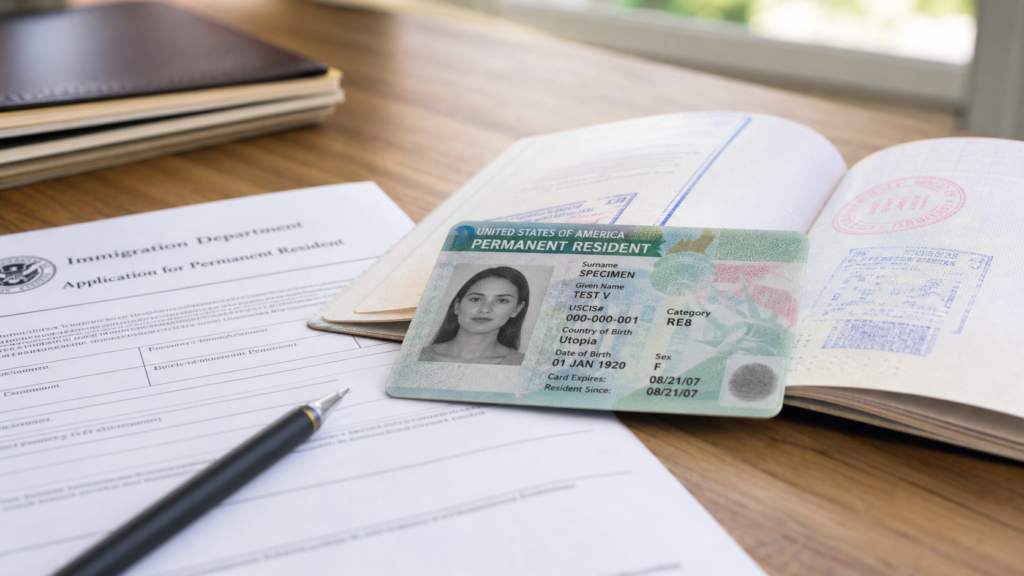
A permanent resident holds official legal status that allows indefinite residence and work rights in a host country while maintaining citizenship in their home nation. This immigration pathway provides significant advantages for families, skilled professionals, and investors seeking long-term stability without immediately relinquishing their original passport. Understanding the requirements, application procedures, and responsibilities associated with permanent resident status helps applicants navigate the process successfully and avoid costly delays.
What Permanent Resident Status Actually Means
Permanent resident status, commonly known as a Green Card in the United States, grants individuals the legal right to live and work permanently in the country. Unlike temporary visas, this status does not expire as long as certain conditions are met. Recipients enjoy most rights afforded to citizens, with a few important exceptions such as voting and certain government positions.
Immigration authorities in major destination countries maintain strict oversight of permanent resident programs to ensure compliance with national laws and economic priorities. Applicants must demonstrate eligibility through family sponsorship, employment offers, investment, or humanitarian grounds.
Primary Pathways to Becoming a Permanent Resident
Several established routes exist depending on individual circumstances and the target country. Family-based sponsorship remains one of the most common methods, where immediate relatives or certain extended family members petition on behalf of the applicant. Employment-based pathways typically require a job offer from a sponsoring employer and labor certification proving no qualified local workers are available.
Diversity visa lotteries, refugee or asylum programs, and investment-based options provide additional avenues. Each pathway carries unique documentation requirements, waiting periods, and approval standards that demand careful preparation.
Family Sponsorship Requirements
Immediate relatives of United States citizens face no numerical limits and generally experience shorter processing times. Sponsors must prove sufficient income to support the applicant at 125 percent of the federal poverty guidelines. Proper filing of Form I-130 initiates the process and establishes the legal relationship.
Employment-Based Options
These categories prioritize workers with advanced degrees, exceptional ability, or specialized skills. Employers file labor certification through the Department of Labor before submitting Form I-140. Current backlogs vary significantly by country of birth and preference category.
Key Benefits of Permanent Resident Status
Obtaining permanent resident status delivers both practical and psychological advantages. Authorized employment without visa restrictions allows greater career mobility and earning potential. Access to certain government benefits, including Social Security and Medicare after the required waiting period, provides additional security.
Permanent residents can sponsor certain family members for their own immigration applications. Travel flexibility exists although extended absences require careful planning to avoid appearing to abandon residency. Many individuals report increased sense of belonging and reduced anxiety about immigration status after approval.
Responsibilities and Limitations of Permanent Residents
Maintaining permanent resident status requires fulfilling specific obligations. Continuous residence remains essential. Prolonged absences without a reentry permit may trigger scrutiny upon return. Permanent residents must file income taxes worldwide in many jurisdictions and comply with all laws of the host country.
Notable limitations include inability to vote in federal elections and restricted access to certain public sector jobs. Failure to meet residency requirements or commission of serious crimes can result in revocation of status and possible removal proceedings.
Application Process and Documentation Requirements
The journey to permanent resident status involves multiple stages. Initial petition approval precedes adjustment of status or consular processing. Biometric appointments, medical examinations, and interviews form standard components of the procedure.
Accurate completion of official forms and organization of supporting evidence significantly improves approval chances. Many applicants benefit from consultation with accredited immigration representatives or attorneys familiar with current policies and processing trends.
The table below outlines major permanent resident pathways:
| Pathway | Typical Processing Time | Primary Requirement | Numerical Limits | Success Factors |
|---|---|---|---|---|
| Family Based | 12 to 24 months | Qualifying relative relationship | None for spouses | Strong documentation of relationship |
| Employment Based | 18 to 60 months | Job offer and labor certification | Yes | Advanced skills or advanced degree |
| Investment Based | 24 to 48 months | Substantial capital investment | Yes | Proven business plan and job creation |
| Diversity Visa Lottery | 12 to 18 months | Random selection and education | Yes | High school education or work experience |
Maintaining Permanent Resident Status Over Time
Avoiding common mistakes helps preserve status long term. Using a valid reentry permit for absences longer than one year prevents abandonment claims. Filing tax returns consistently and notifying immigration authorities of address changes within ten days remain mandatory responsibilities.
Many permanent residents eventually pursue naturalization after meeting residency and physical presence requirements. Understanding this progression allows strategic planning for eventual citizenship while enjoying the benefits of permanent resident status in the interim.
Common Challenges and How to Overcome Them
Backlogs, changing policies, and complex documentation create frequent obstacles. Staying informed through official government websites helps applicants anticipate shifts in processing priorities. Organizing records systematically and responding promptly to requests for evidence reduces unnecessary delays.
Professional guidance can prove valuable when navigating complicated cases involving previous immigration violations or criminal history. Early identification of potential issues allows time to gather supporting documentation or pursue available waivers.
Frequently Asked Questions
How long does it take to become a permanent resident?
Processing times vary from twelve months to several years depending on the pathway, country of origin, and current backlogs at immigration offices.
Can a permanent resident lose their status?
Yes. Extended absences, certain criminal convictions, or failure to maintain residency requirements can result in revocation of permanent resident status.
What is the difference between permanent resident and citizen?
A permanent resident may live and work indefinitely but cannot vote or hold certain public offices, while a citizen enjoys full political rights and protection from deportation.
Is it possible to travel internationally as a permanent resident?
Yes. However, trips longer than six months require careful documentation, and absences exceeding one year may need a reentry permit to protect status.
Does permanent resident status include healthcare benefits?
Eligibility for public healthcare programs typically begins after five years of residency, although private insurance options remain available immediately.
Can permanent residents sponsor family members for immigration?
Permanent residents may sponsor spouses and unmarried children, although processing times are generally longer than for United States citizens.
Conclusion
Achieving permanent resident status represents a significant milestone that provides stability, work authorization, and a clear pathway toward citizenship for many immigrants. Success depends on thorough preparation, accurate documentation, and adherence to evolving immigration requirements. By understanding available pathways and maintaining compliance with residency obligations, individuals can build secure futures while enjoying the benefits of legal permanent residence in their chosen country.