
Good personal care involves everyday habits that support hygiene, skin health, oral health, hair and scalp care, grooming, comfort, and overall wellbeing. An effective routine does not...
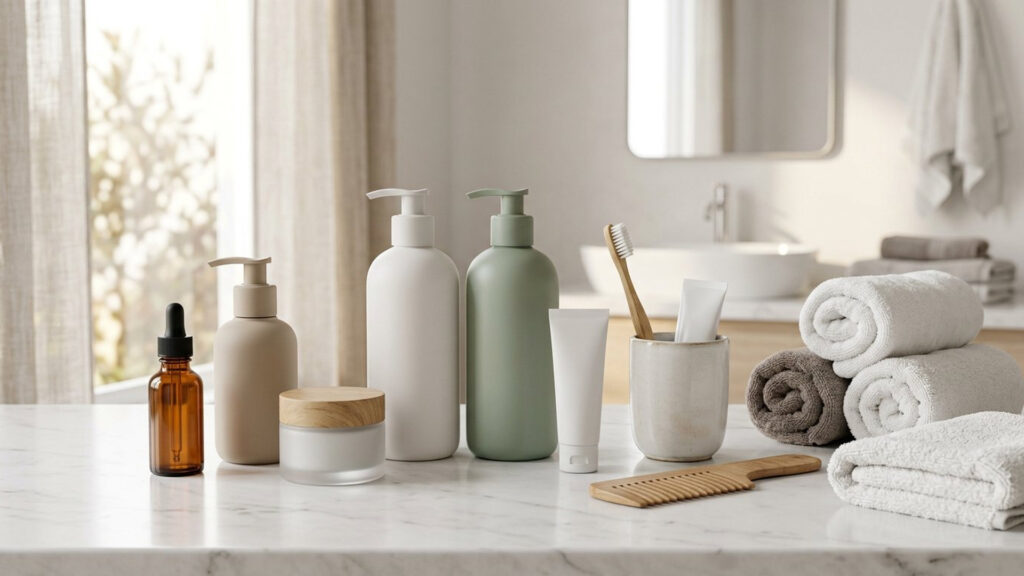
Good personal care involves everyday habits that support hygiene, skin health, oral health, hair and scalp care, grooming, comfort, and overall wellbeing. An effective routine does not need dozens of expensive products. Regular bathing according to individual needs, hand hygiene, dental care, appropriate skin protection, clean clothing, safe grooming practices, adequate sleep, and attention to changes in your body provide a practical foundation. Individual needs vary with age, health, skin type, climate, occupation, culture, and personal preferences.
The personal care industry offers an enormous selection of products, often accompanied by claims that can make simple routines seem unnecessarily complicated. More products do not automatically produce better outcomes.
A better approach is to understand what each routine is intended to accomplish and introduce products only when they serve a clear purpose.
What Is Personal Care?
Personal care refers to activities and products used to maintain cleanliness, grooming, comfort, and aspects of physical wellbeing.
It can encompass routines performed at home as well as professional services such as haircuts or selected skincare treatments.
Major categories include:
• Body hygiene
• Hand care
• Oral hygiene
• Skincare
• Hair and scalp care
• Nail care
• Shaving and grooming
• Menstrual hygiene
• Foot care
• Sun protection
• Sleep and general wellbeing habits
Personal care should complement appropriate healthcare rather than substitute for medical treatment when symptoms require professional attention.
Why Is Personal Care Important?
Daily care supports cleanliness and helps maintain healthy skin, teeth, hair, and nails.
It can also improve comfort and confidence while providing opportunities to notice physical changes early.
Personal Hygiene
Hygiene helps reduce accumulated sweat, oils, dirt, food residues, and microorganisms.
The goal is not to sterilize the body. Human skin naturally supports diverse microorganisms, many of which are normal components of the skin microbiome.
Preventive Care
Some everyday habits have important preventive roles.
Brushing with fluoride toothpaste, cleaning between teeth, protecting skin from excessive ultraviolet exposure, and washing hands at appropriate times can contribute to long term health.
Personal Care Is Individual
Someone with eczema has different skincare needs from a person with oily, acne prone skin.
Likewise, curly hair, straight hair, chemically treated hair, and different scalp conditions can require different care.
9 Personal Care Habits for Everyday Wellbeing
A sustainable routine should be straightforward enough to maintain consistently.
1. Maintain Regular Body Hygiene
Bathing or showering removes accumulated sweat, oil, dirt, and environmental residues.
Frequency depends on activity, climate, occupation, health, and personal preference.
Excessively hot water and aggressive cleansing can worsen dryness in some people.
Applying a rich moisturiser right after bathing helps lock water back into the skin, and many people use nourishing Goldie lotion for full-body hydration.
2. Practice Effective Hand Hygiene
Handwashing is particularly important before preparing or eating food and after using the toilet, handling certain contaminants, or when hands are visibly dirty.
Use appropriate public health guidance for situations involving infectious disease risk.
Protect Frequently Washed Hands
Repeated exposure to water, soap, sanitizers, or workplace chemicals can contribute to dry or irritated skin.
A suitable fragrance free moisturizer can help support the skin barrier for many people.
3. Build a Simple Skincare Routine
Basic skincare can involve cleansing, moisturizing, and sun protection.
Additional products should address specific needs.
A long routine containing numerous active ingredients is not inherently more effective.
4. Prioritize Oral Care
Oral hygiene helps prevent tooth decay and gum disease.
Regular brushing with fluoride toothpaste and cleaning between teeth are widely recommended foundations of dental care.
Routine dental examinations should follow individualized advice from a dental professional.
5. Care for Your Hair and Scalp
Hair washing frequency should reflect scalp oiliness, hair texture, activity, styling products, and individual preferences.
Persistent itching, scaling, sores, or substantial unexplained hair loss can warrant professional assessment.
6. Groom Safely
Razors, nail tools, tweezers, and other grooming equipment can damage skin when used incorrectly.
Keep personal tools clean, follow product instructions, and avoid sharing items that could become contaminated with blood or bodily fluids.
7. Protect Your Skin From UV Exposure
Ultraviolet radiation contributes to sunburn, premature skin aging, and skin cancer risk.
Sun protection can include shade, suitable clothing, hats, sunglasses, and broad spectrum sunscreen according to current dermatological and public health recommendations.
8. Support Sleep and Recovery
Personal wellbeing extends beyond cosmetics.
Regular sleep habits can support physical and psychological functioning.
Persistent insomnia, significant daytime sleepiness, or suspected sleep apnea deserves medical evaluation.
9. Pay Attention to Changes
Routine grooming provides an opportunity to notice new skin lesions, persistent rashes, unusual lumps, oral changes, nail abnormalities, or other symptoms.
Do not attempt to diagnose concerning changes from appearance alone.
Personal Care Routine for Skin
Skin forms an important protective barrier between the body and the external environment.
An effective routine should support that barrier rather than continually disrupting it.
Cleansing
Cleansers remove oils, sweat, makeup, sunscreen, and environmental residues.
People with dry or sensitive skin may prefer gentler formulations.
Moisturizing
Moisturizers can contain humectants, emollients, and occlusive ingredients.
These work in different ways to support hydration and reduce water loss.
Sunscreen
Select sunscreen appropriate for your jurisdiction and use it according to label instructions.
Reapplication is particularly important during prolonged outdoor exposure, swimming, or sweating.
Introduce Active Ingredients Carefully
Retinoids, exfoliating acids, benzoyl peroxide, and other active ingredients can provide benefits for specific concerns but can also irritate skin.
Introducing multiple strong products simultaneously makes it harder to identify what caused a reaction.
Personal Care for Different Skin Types
Skin type descriptions are useful starting points but are not medical diagnoses.
Dry Skin
Dry skin may feel tight, rough, flaky, or uncomfortable.
Gentle cleansing and regular moisturization can help.
Persistent severe dryness or cracking can be associated with dermatological or medical conditions.
Oily Skin
Oily skin produces more noticeable sebum.
Harshly stripping the skin is not necessarily helpful and can cause irritation.
Choose products labeled for the intended skin type and monitor individual response.
Sensitive Skin
People with sensitive skin may benefit from simple formulations and careful introduction of new products.
Fragrance can trigger irritation or allergic contact dermatitis in susceptible individuals.
Combination Skin
Different facial areas can behave differently.
It may be useful to vary product amount or treatment rather than applying intensive products uniformly.
Oral Personal Care
Healthy teeth and gums depend on regular cleaning and professional dental care when necessary.
Brushing Teeth
Brush thoroughly using fluoride toothpaste according to dental guidance appropriate to your age and circumstances.
Use a soft or appropriately recommended toothbrush and avoid excessively aggressive pressure.
Cleaning Between Teeth
Floss, interdental brushes, or other suitable devices can remove plaque from areas toothbrush bristles may not reach effectively.
A dentist or hygienist can recommend the most appropriate method.
Mouthwash
Mouthwash can complement oral hygiene for some individuals but generally should not be assumed to replace brushing and interdental cleaning.
Follow product and dental professional guidance.
Hair Care as Part of Personal Care
Healthy hair routines begin with the scalp.
Shampoo
Shampoo removes oils, sweat, dirt, and product accumulation.
Choose frequency and formulation according to scalp and hair needs.
Conditioner
Conditioning can reduce friction and improve manageability.
Concentrating conditioner on hair lengths rather than an oily scalp may work better for some people.
Heat Styling
Frequent high heat can damage hair fibers.
Use temperature settings and protective practices appropriate to the hair and styling tool.
Hair Loss
Some shedding is normal, but sudden, patchy, or persistent excessive hair loss has numerous potential causes.
A healthcare professional or dermatologist can assess significant changes.
Men’s Personal Care
Personal care principles are not fundamentally gender restricted.
People can build routines according to their skin, hair, health, grooming preferences, and lifestyle.
Shaving
Use appropriate lubrication and a clean, sharp razor.
Shaving in a way that minimizes repeated passes may reduce irritation for some people.
Beard Care
Regular cleansing and grooming can help maintain both beard hair and underlying skin.
Persistent redness, scaling, or painful bumps may require more specific care.
Women’s Personal Care
Women may have particular care needs associated with menstruation, pregnancy, menopause, or reproductive health, but individual requirements differ considerably.
Menstrual Hygiene
Use menstrual products according to manufacturer instructions and appropriate health guidance.
Wash hands before and after handling products.
Intimate Care
The vagina is self cleaning and generally does not require internal douching.
External vulval care often benefits from avoiding unnecessarily harsh or fragranced products, especially when irritation is present.
Persistent discharge, odor, itching, sores, pain, or bleeding outside expected patterns should be medically assessed.
Personal Care for Teenagers
Puberty can change skin oil production, sweating, body hair, and scalp characteristics.
Simple routines are generally easier to maintain.
Teenage Skincare
A basic routine can include gentle cleansing, suitable moisturizer, and sun protection.
Evidence based acne products can help mild acne, but persistent, painful, scarring, or psychologically distressing acne deserves medical attention.
Deodorant
Deodorants reduce or mask odor, while antiperspirants are designed to reduce sweating.
Products should be used according to their labels.
Personal Care for Older Adults
Aging can influence skin thickness, dryness, mobility, dental health, hair, nails, and self care ability.
Skin Care
Older skin may become drier and more fragile.
Gentle cleansing and regular moisturizing can improve comfort.
Mobility Considerations
Shower grab bars, appropriate seating, nonslip surfaces, and accessible product storage can make routines safer for people with mobility limitations.
An occupational therapist can provide individualized recommendations when daily activities become difficult.
Natural Personal Care Products
Natural is not a standardized synonym for safe, gentle, or effective.
Natural ingredients contain chemicals just as synthetic ingredients do.
Essential Oils
Essential oils can cause irritation, sensitization, or toxicity depending on the substance, concentration, route of exposure, and user.
They should not be applied indiscriminately.
Botanical Extracts
Plant extracts can provide useful cosmetic properties but may also cause allergic reactions.
Evaluate formulations based on evidence and individual tolerance rather than marketing language.
Personal Care Product Safety
Cosmetics and grooming products are intended for particular uses.
Follow their labels.
Patch Testing
A small preliminary application can sometimes help identify irritation before broader use, although it cannot rule out every allergic reaction.
People with significant allergies or dermatitis may need formal dermatological advice.
Avoid Sharing Certain Products
Razors, toothbrushes, eye cosmetics, and other personal items can transfer microorganisms or biological material.
Keep these items individual.
Check Expiry or Period After Opening Information
Some products become less stable or more vulnerable to contamination after opening.
Follow manufacturer storage and replacement instructions.
Personal Care and Fragrance
Fragrance appears in perfumes, shampoos, body washes, deodorants, lotions, and other products.
Fragrance Sensitivity
Some individuals develop irritation or allergic contact dermatitis involving fragrance ingredients.
Fragrance can also trigger symptoms in some people with particular sensitivities.
Fragrance Free vs Unscented
These labels do not always mean exactly the same thing.
An unscented product can potentially contain ingredients that mask odor, while fragrance free labeling depends on formulation and local definitions.
Review ingredient information when sensitivity matters.
Sustainable Personal Care
Environmental impact can involve packaging, formulation, water use, manufacturing, transportation, and product disposal.
Buy What You Will Use
Purchasing fewer suitable products can reduce both cost and waste.
Avoid building large routines around rapidly changing social media trends.
Refillable Products
Refill systems can reduce packaging in some circumstances.
Their actual environmental performance depends on materials, transport, reuse rates, and local waste infrastructure.
Recycling
Cosmetic containers can contain mixed materials that local programs may not accept.
Check municipal guidance rather than assuming a recycling symbol guarantees local collection.
How to Buy Personal Care Products
Avoid making purchasing decisions exclusively from influencer recommendations.
Read the Ingredient List
Ingredients help identify potential allergens, active substances, and product characteristics.
The list does not always reveal how a formulation will feel or perform, but it provides useful information.
Consider Evidence
For products claiming to treat a medical condition, determine whether they are actually regulated and supported for that purpose.
Cosmetic marketing should not be treated as medical evidence.
Start With One Product at a Time
Introducing products gradually makes it easier to identify what works and what causes irritation.
Personal Care on a Budget
Good hygiene does not require luxury products.
Prioritize Essentials
A practical routine might prioritize:
• Soap or suitable cleanser
• Toothbrush
• Fluoride toothpaste
• Basic moisturizer where needed
• Shampoo appropriate to your hair
• Deodorant or antiperspirant if desired
• Suitable sun protection
Additional products can be introduced according to specific needs.
Compare Cost per Use
A large inexpensive bottle can be poor value if the product causes irritation or goes unused.
Suitability matters alongside unit price.
Personal Care While Traveling
Travel changes climate, water, schedules, and available storage.
Keep the Routine Simple
Bring essential products in appropriate containers and follow transport security rules.
Protect Medications Separately
Prescription medicines should not be treated like ordinary cosmetic products.
Store and transport them according to pharmacy, manufacturer, and travel authority requirements.
Personal Care and Mental Wellbeing
Grooming routines can provide structure and comfort, but personal care should not be presented as a treatment for significant mental health conditions.
Routine Can Be Useful
Simple repeatable activities can make daily life feel more organized.
However, substantial deterioration in self care can sometimes accompany depression, physical illness, cognitive impairment, or other conditions.
Professional support can be appropriate when everyday functioning becomes difficult.
Common Personal Care Mistakes
More intensive care is not always better.
Common mistakes include:
• Overwashing skin
• Using very hot water repeatedly
• Applying too many active skincare products
• Ignoring sunscreen
• Sharing razors or toothbrushes
• Using expired cosmetics
• Aggressive ear cleaning
• Treating persistent symptoms cosmetically
• Assuming natural means hypoallergenic
• Following viral health claims without verification
Simple, evidence based habits are often more sustainable.
How to Build a Personal Care Routine
Begin with essential hygiene and gradually address specific concerns.
Morning Routine
Depending on individual needs, this can involve oral hygiene, washing, deodorant or antiperspirant, skincare, grooming, clean clothing, and sun protection.
Evening Routine
An evening routine can include removing makeup or sunscreen, cleansing as appropriate, moisturizing, oral hygiene, and preparing for sleep.
Consistency Over Complexity
A three step routine used regularly can provide more value than an elaborate routine that is uncomfortable, unaffordable, or difficult to maintain.
When Personal Care Needs Professional Support
Cosmetic and hygiene routines have limits.
Seek appropriate professional assessment for persistent or concerning symptoms.
Examples include:
• Unexplained skin changes
• Nonhealing wounds
• Severe rashes
• Persistent dental pain
• Bleeding gums
• Sudden hair loss
• New or changing suspicious skin lesions
• Persistent intimate symptoms
• Signs of infection
Early assessment can identify conditions that ordinary personal care products cannot address.
Frequently Asked Questions
What does personal care include?
Personal care includes hygiene, oral care, skincare, hair care, grooming, nail care, menstrual hygiene, sun protection, and other routines supporting everyday comfort and wellbeing.
What is a basic personal care routine?
A basic routine can include regular washing, hand hygiene, brushing and interdental cleaning, hair and scalp care, clean clothing, appropriate moisturizing, and sun protection.
How many skincare products do I need?
There is no required number. Many people can build an effective routine around gentle cleansing, moisturizing when needed, and appropriate sun protection before adding targeted products.
Are natural personal care products safer?
Not automatically. Natural ingredients can irritate skin or cause allergies. Safety depends on the specific substance, formulation, concentration, and individual.
How often should you shower?
There is no universal frequency. Climate, activity, skin condition, occupation, health, and personal preference influence how frequently washing is appropriate.
When should I see a professional about a personal care concern?
Seek professional advice when symptoms are severe, unexplained, persistent, worsening, recurrent, or accompanied by signs such as infection, significant pain, bleeding, or notable physical changes.
Conclusion
Personal care is most effective when it combines consistent hygiene, simple evidence based routines, safe product use, and attention to individual needs. Expensive or complicated routines are not automatically better, and products should address a clear purpose rather than follow every new trend. Skin, hair, oral health, grooming, sleep, and sun protection can all contribute to everyday wellbeing when managed appropriately. When persistent or unusual symptoms appear, professional healthcare assessment is more appropriate than relying solely on cosmetic or personal care products.