
Retail floor graphics serve as a highly effective silent salesperson in physical stores by capturing attention where customers naturally look while walking. These adhesive visuals...
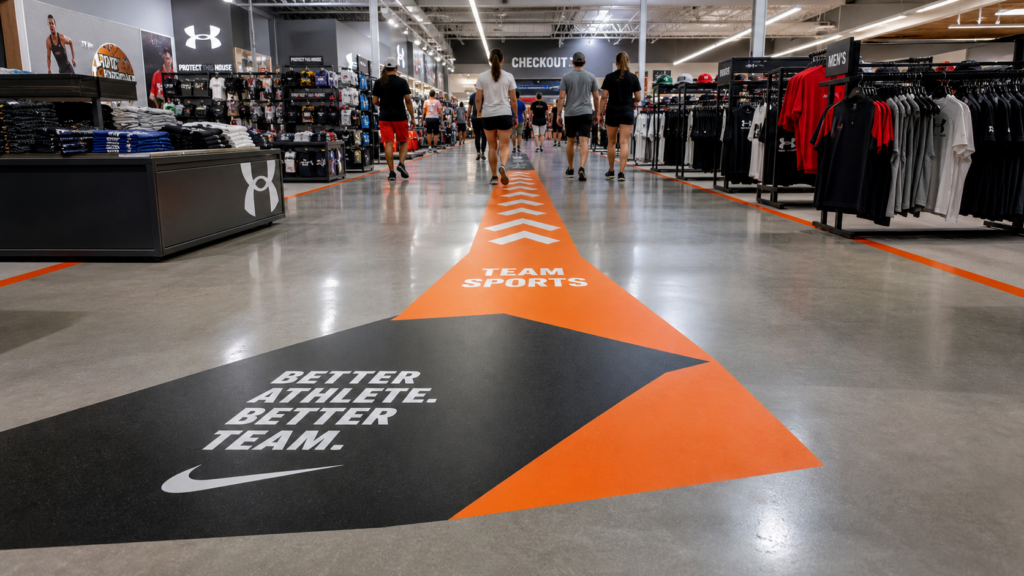
Retail floor graphics serve as a highly effective silent salesperson in physical stores by capturing attention where customers naturally look while walking. These adhesive visuals guide foot traffic, promote special offers, reinforce brand identity, and create memorable shopping experiences that support overall marketing objectives. This guide provides practical insights drawn from established retail design practices to help store owners and marketers select, implement, and maintain solutions that deliver measurable results.
Core Benefits of Quality Retail Floor Graphics
Retail floor graphics increase dwell time and influence purchasing decisions by delivering messages at the point of decision. Industry observations show they improve wayfinding in large spaces and reduce congestion in high traffic zones. When designed with clear contrast and simple messaging these graphics enhance perceived store organization and professionalism.
Types of Retail Floor Graphics
Several categories exist to match different retail environments and campaign durations.
Removable Vinyl Graphics
Removable vinyl options allow seasonal promotions or temporary campaigns without floor damage. These graphics feature low tack adhesives that maintain strong hold during use yet peel cleanly afterward making them practical for retailers who refresh messaging frequently.
Permanent Floor Decals
Permanent solutions suit long term branding initiatives. Constructed with high strength adhesives and durable top layers they withstand heavy foot traffic in supermarkets department stores and specialty shops while preserving color vibrancy and image clarity.
Anti Slip Safety Graphics
Safety focused retail floor graphics incorporate textured surfaces that meet slip resistance standards. These versions combine promotional elements with functional benefits particularly useful in grocery produce sections or entryways where moisture creates hazards.
Design Principles for Effective Retail Floor Graphics
Successful designs prioritize visibility from a distance and quick comprehension. Bold colors high contrast imagery and minimal text perform best because shoppers view them briefly while moving. Incorporate brand colors and logos consistently to strengthen recognition without overwhelming the message.
Simplicity remains essential. Effective graphics limit wording to short calls to action such as directional cues or limited time offers. Professional designers recommend testing mockups in actual store lighting conditions to confirm readability before final production.
Strategic Placement to Maximize Impact
Position retail floor graphics in key transition zones including entrances aisles near product categories and checkout approaches. Directional arrows combined with product imagery can lead customers toward higher margin departments. Avoid placement directly under shelving where visibility decreases.
Incorporate graphics into complete customer journey mapping. For example a series of coordinated visuals can create a storytelling path that builds brand narrative from store entry to purchase completion.
Materials and Installation Best Practices
Material selection directly affects durability and safety. Commercial grade vinyl with protective laminates resists scuffing and fading from daily cleaning. Professional installation ensures bubble free application and precise alignment especially for large format or multi piece designs.
Trained installers prepare floors thoroughly by removing dust oils and residues before application. This preparation step prevents premature lifting and maintains appearance over time. Retailers should schedule installation during low traffic hours to minimize disruption.
The following table compares common options:
| Type | Durability | Best Use Case | Removal Ease |
|---|---|---|---|
| Removable Vinyl | 3 to 6 months | Seasonal promotions | Excellent |
| Permanent Decals | 12 to 36 months | Brand reinforcement | Moderate |
| Anti Slip Safety | 6 to 18 months | High moisture areas | Good |
Maintenance Requirements for Long Term Performance
Regular maintenance preserves the effectiveness and appearance of retail floor graphics. Daily sweeping or vacuuming prevents dirt buildup that dulls colors. Weekly damp mopping with manufacturer approved cleaners removes scuffs without damaging adhesive bonds.
Inspect edges monthly for lifting and address issues promptly to prevent further peeling. In high traffic retail settings plan for replacement according to foot traffic volume rather than fixed calendars. Proper care extends visual impact and protects the original investment.
Measuring Success of Retail Floor Graphics
Track performance through several indicators including increased sales of featured products changes in traffic flow and customer feedback. Simple before and after comparisons of category sales can demonstrate lift attributable to well placed graphics. Integrate unique promotional codes printed on the graphics to enable direct response measurement.
Retailers who combine floor graphics with coordinated signage and staff training typically achieve stronger results than those relying on graphics alone.
Common Challenges and Solutions
Some retailers hesitate due to concerns about floor damage or slip risks. Selecting materials tested to industry safety standards eliminates these issues. Another challenge involves design visibility under varying store lighting. Working with experienced graphic producers who understand retail environments helps avoid costly revisions.
Budget constraints often lead to choosing lower grade materials that fail quickly. Investing in appropriate commercial grades proves more economical over time through reduced replacement frequency and sustained performance.
Frequently Asked Questions
How long do retail floor graphics typically last?
Durability ranges from three months for removable promotional graphics to three years for permanent installations depending on material quality traffic volume and maintenance routines.
Are retail floor graphics safe for customer areas?
Yes when products meet commercial slip resistance ratings and are installed on properly prepared surfaces they enhance rather than compromise safety.
What design elements work best for retail floor graphics?
High contrast simple imagery bold colors and concise text produce the strongest results because customers view them while walking through the store.
Can retail floor graphics be used on all floor surfaces?
Most vinyl graphics adhere well to concrete tile and sealed wood although testing on specialty surfaces such as polished stone is recommended before full rollout.
How should retail floor graphics be cleaned?
Sweep or vacuum daily and damp mop weekly with mild cleaners avoiding harsh chemicals that could degrade print quality or adhesive strength.
Do retail floor graphics really increase sales?
When strategically placed with clear messaging they draw attention to products and promotions contributing to higher conversion rates as part of a complete in store marketing approach.
Conclusion
Retail floor graphics represent a cost effective method to communicate directly with customers at the moment they move through a store. By selecting appropriate materials following sound design principles and maintaining consistent care retailers can create environments that guide shoppers enhance brand presence and support sales objectives. A thoughtful approach to these graphics contributes to more engaging shopping experiences and stronger bottom line performance across diverse retail formats.