
Planning a successful retreat requires more than just selecting a beautiful location. The environment where people gather can influence relaxation, creativity, connection, learning, and overall...
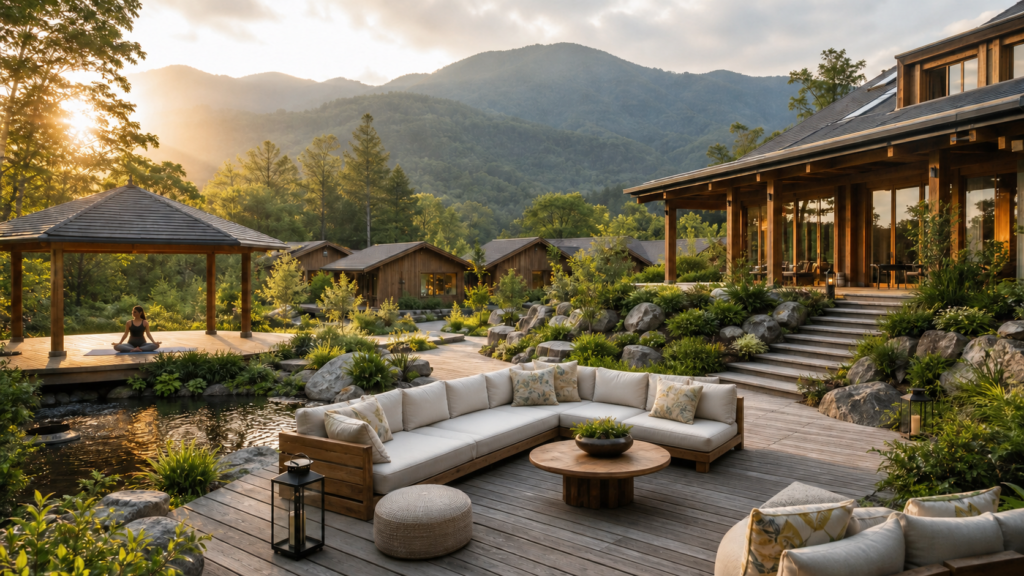
Planning a successful retreat requires more than just selecting a beautiful location. The environment where people gather can influence relaxation, creativity, connection, learning, and overall experience. Choosing the right retreat venues allows organizers to create meaningful experiences that match their goals, whether they are planning a wellness escape, corporate gathering, creative workshop, meditation program, or personal development retreat.
A retreat is designed to help people step away from their normal routines and focus on a specific purpose. Unlike a traditional vacation, retreats usually include structured activities, workshops, group sessions, wellness practices, or learning experiences. The venue becomes an important part of the experience because it creates the atmosphere where participants connect, reflect, and engage.
The right retreat venue should support the purpose of the event while providing comfort, accessibility, and useful facilities. A peaceful nature-based location may be perfect for meditation and wellness programs, while a modern facility with meeting spaces may work better for business teams and leadership retreats.
With many different options available, choosing the perfect venue can feel overwhelming. This guide explains what retreat venues are, the different types available, important features to consider, and practical tips for selecting the best location.
What Are Retreat Venues?
Retreat venues are dedicated spaces designed to host group experiences focused on relaxation, learning, connection, wellness, or personal growth. These locations can range from countryside estates and eco-lodges to luxury resorts, conference centers, villas, and purpose-built retreat facilities.
Unlike regular accommodation, retreat venues are usually designed to support activities beyond overnight stays. Many offer spaces for workshops, meditation, yoga, team discussions, outdoor activities, and group dining.
A suitable retreat venue often includes:
- Accommodation options
- Meeting or activity spaces
- Dining facilities
- Outdoor areas
- Wellness facilities
- Comfortable guest areas
- Support services
The goal is to create an environment where participants can fully engage with the retreat experience without unnecessary distractions.
Why Choosing the Right Retreat Venue Matters
The venue sets the tone for the entire retreat. A poorly chosen location can create challenges, while the right space can improve participation and create lasting memories.
Creates the Right Atmosphere
The surroundings influence how people feel and interact. A peaceful natural environment can encourage relaxation, while an inspiring creative space can improve focus and collaboration.
For example:
- A forest retreat can support mindfulness and reflection
- A beachfront venue can create relaxation and wellness experiences
- A modern conference venue can support business strategy sessions
The location should match the emotional goal of the retreat.
Improves Participant Experience
Comfort plays a major role in guest satisfaction. Participants are more likely to enjoy the retreat when they have:
- Comfortable accommodation
- Good food options
- Clean facilities
- Relaxing spaces
- Convenient activities
A well-organized venue reduces stress and allows attendees to focus on the purpose of the retreat.
Supports Activities and Programs
Different retreats require different facilities. A yoga retreat may need open spaces and peaceful surroundings, while a corporate retreat may require meeting rooms and technology support.
The venue should provide the necessary environment for planned activities.
Types of Retreat Venues
There are many different types of retreat venues available, each offering unique benefits.
Wellness Retreat Venues
Wellness retreat venues focus on improving physical and mental well-being. They are designed for activities such as yoga, meditation, relaxation, fitness programs, and healthy lifestyle experiences.
Common features include:
- Yoga spaces
- Spa facilities
- Nature surroundings
- Healthy dining options
- Meditation areas
- Walking trails
These venues are ideal for people looking to reduce stress, improve wellness, and reconnect with themselves.
Corporate Retreat Venues
Corporate retreat venues are designed for companies that want to improve teamwork, communication, and strategic planning.
They usually include:
- Meeting rooms
- Presentation equipment
- Private workspaces
- Team-building areas
- Comfortable accommodation
A good corporate retreat venue balances productivity with relaxation. Employees should have professional facilities during work sessions and enjoyable spaces for social activities.
Yoga Retreat Venues
Yoga retreat venues provide peaceful environments where participants can focus on physical movement, mindfulness, and relaxation.
Important features include:
- Spacious yoga studios
- Outdoor practice areas
- Quiet surroundings
- Healthy meal options
- Comfortable accommodation
Natural environments such as mountains, beaches, and forests are often popular choices for yoga retreats.
Meditation Retreat Venues
Meditation retreats require quiet and peaceful surroundings. These venues are usually designed to minimize distractions and encourage reflection.
Important elements include:
- Silent areas
- Nature views
- Comfortable meditation rooms
- Simple and calming designs
A peaceful atmosphere helps participants disconnect from daily stress.
Creative Retreat Venues
Creative retreats are designed for writers, artists, photographers, designers, and other creative professionals.
These venues often provide:
- Inspiring surroundings
- Private work areas
- Natural lighting
- Studio spaces
- Relaxing environments
A beautiful and inspiring location can encourage creativity and new ideas.
Luxury Retreat Venues
Luxury retreat venues focus on premium experiences and high levels of comfort.
They may include:
- Luxury accommodation
- Fine dining
- Spa treatments
- Private facilities
- Personalized services
These venues are suitable for executive retreats, exclusive wellness programs, and special group experiences.
Important Factors When Choosing Retreat Venues
Selecting the right venue requires careful planning. Several factors should be considered before making a decision.
Define Your Retreat Purpose
The first step is understanding the main goal of the retreat.
Ask:
- Is it focused on relaxation?
- Is it for business development?
- Is it educational?
- Is it wellness-based?
- Is it a creative experience?
The purpose determines the type of venue you need.
Consider Group Size
The number of participants affects venue selection.
Small groups may prefer:
- Private villas
- Boutique hotels
- Intimate retreat centers
Large groups may require:
- Conference facilities
- Multiple accommodation options
- Larger activity spaces
Always choose a venue that comfortably fits your expected number of guests.
Location and Accessibility
The location should be convenient for participants while matching the retreat theme.
Consider:
- Travel distance
- Transportation options
- Nearby attractions
- Safety
- Surrounding environment
A remote location may provide peace and privacy, but accessibility should still be considered.
Accommodation Quality
Comfortable accommodation is essential because participants spend several days at the venue.
Check:
- Room quality
- Privacy options
- Cleanliness
- Sleeping arrangements
- Available facilities
Good rest improves participation and overall experience.
Food and Catering Options
Food is an important part of any retreat.
Consider:
- Dietary requirements
- Healthy meal options
- Group dining spaces
- Meal timing flexibility
For wellness retreats especially, nutrition can become an important part of the program.
Activity Spaces
The venue should have suitable areas for planned activities.
Examples include:
- Meeting rooms
- Outdoor spaces
- Yoga decks
- Workshops areas
- Recreation facilities
A flexible layout allows organizers to create better experiences.
Benefits of Hosting a Retreat at a Dedicated Venue
Better Focus and Productivity
A dedicated retreat environment removes everyday distractions and helps participants focus on the main objectives.
Stronger Connections
Shared experiences outside normal routines help people build stronger relationships.
This is especially valuable for:
- Corporate teams
- Leadership groups
- Communities
Improved Creativity
A new environment can inspire fresh thinking and encourage innovative ideas.
Memorable Experiences
The right venue creates an experience that participants remember long after the retreat ends.
Common Mistakes When Selecting Retreat Venues
Choosing Based Only on Appearance
A beautiful location is important, but functionality matters too.
A venue should also provide:
- Proper facilities
- Comfortable accommodation
- Suitable spaces
Ignoring Budget Details
Always consider additional costs such as:
- Catering
- Transportation
- Equipment
- Activities
- Service fees
Not Checking Facilities
Before booking, confirm that the venue has everything required for your program.
Selecting the Wrong Location
A venue that does not match the retreat purpose can reduce participant satisfaction.
Tips for Planning a Successful Retreat
Visit the Venue Before Booking
Photos can be helpful, but visiting the location provides a better understanding of the space.
Create a Detailed Schedule
Plan activities, meals, breaks, and free time carefully.
Communicate Clearly With the Venue Team
Discuss:
- Requirements
- Timelines
- Guest expectations
- Special requests
Think About Participant Comfort
Small details can make a big difference, including seating arrangements, relaxation spaces, and accessibility.
How to Find the Perfect Retreat Venue
Finding the right venue starts with understanding your priorities.
Create a checklist including:
- Retreat purpose
- Number of guests
- Preferred location
- Required facilities
- Budget
- Accommodation needs
- Activities
Compare different options and choose the venue that provides the best balance between experience, comfort, and practicality.
Conclusion
Choosing the right retreat venue is one of the most important steps in creating a successful and memorable retreat experience. The ideal location should match the purpose of the event while providing comfort, suitable facilities, and an environment that encourages connection and growth. Whether planning a wellness escape, corporate gathering, creative workshop, or personal development program, carefully selected retreat venues can transform a simple gathering into a meaningful experience. By considering location, accommodation, activities, and participant needs, organizers can create retreats that deliver lasting value.
FAQs
What are retreat venues used for?
Retreat venues are used for wellness programs, corporate gatherings, meditation sessions, creative workshops, leadership events, and personal development experiences.
How do I choose the right retreat venue?
Choose a venue based on your retreat purpose, group size, location, facilities, budget, and participant requirements.
What facilities should retreat venues have?
Important facilities include accommodation, activity spaces, dining areas, meeting rooms, outdoor spaces, and wellness facilities depending on the retreat type.
Are retreat venues suitable for corporate events?
Yes, many retreat venues are designed for corporate teams and include meeting spaces, team-building areas, and accommodation options.
What makes a good wellness retreat venue?
A good wellness retreat venue usually offers peaceful surroundings, comfortable accommodation, healthy food options, and spaces for activities like yoga and meditation.
How far in advance should I book retreat venues?
It is recommended to book early, especially for popular locations and seasonal retreat periods.
Can small groups use retreat venues?
Yes, many venues offer options for small groups, private gatherings, and intimate experiences.
Why is location important when selecting retreat venues?
The location affects accessibility, atmosphere, participant comfort, and the overall success of the retreat experience.