
Hard rock, fractured formations, abrasive geology and restricted work areas can turn drilling into a major productivity constraint on construction projects. Experienced rock drilling tools...
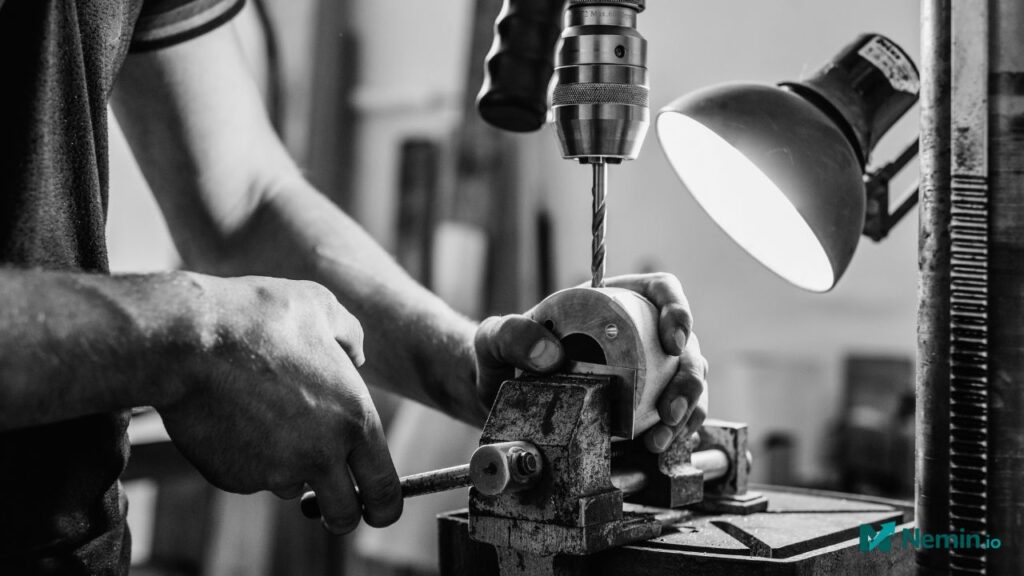
Hard rock, fractured formations, abrasive geology and restricted work areas can turn drilling into a major productivity constraint on construction projects. Experienced rock drilling tools manufacturers develop drill bits, rods, shank adapters, couplings and related components for specific drilling systems and ground conditions. Selecting compatible tooling can influence penetration, hole quality, changeover frequency, equipment utilization and the amount of unplanned interruption experienced by drilling crews.
Tooling alone cannot make a difficult site productive. Geological conditions, drilling method, rig capability, operator technique, air or flushing arrangements, maintenance and safety procedures all influence performance. Contractors therefore gain the most value from rock drilling tools manufacturers when tool selection is based on real site information and performance is measured over the complete life of the consumable rather than purchase price alone.
Why Rock Drilling Tools Manufacturers Matter on Difficult Sites
Rock drilling places repeated mechanical and abrasive demands on consumable components.
Depending on the system, energy needs to travel through the drill string and reach the cutting or impact interface efficiently. Components also need to withstand wear while maintaining the geometry required to create the intended hole.
Rock drilling tools manufacturers influence this performance through material selection, heat treatment, component geometry, manufacturing tolerances and quality control.
For contractors, consistency matters. A tool that performs exceptionally in one hole but fails unpredictably in another creates uncertainty for scheduling and cost forecasting.
Reliable tooling should therefore be evaluated using field data across representative conditions.
Contractors should document tool life, penetration, failure modes and downtime to understand which options actually produce value.
What Do Rock Drilling Tools Manufacturers Produce
The term rock drilling tooling covers multiple product categories.
Exact products differ among manufacturers because top-hammer, down-the-hole and other drilling systems have different requirements.
Common product families include:
- Button bits
- Threaded drill bits
- Tapered drill bits
- Drill rods
- Extension rods
- Shank adapters
- Couplings
- DTH hammers
- DTH drill bits
- Casing-system components
- Integral drill steels
- Reaming tools
- Selected accessories and maintenance tools
Rock drilling tools manufacturers should provide compatibility information for their products.
Thread design, diameter, rig, hammer and drilling method all need to be considered before placing an order.
A component that appears physically similar to an existing tool should not be assumed to be interchangeable.
7 Powerful Ways Rock Drilling Tools Manufacturers Support Productivity
Productivity is broader than drilling speed. Contractors need to consider usable tool life, hole quality, downtime, labor, fuel or energy consumption and the effect of drilling on downstream work.
1. Rock Drilling Tools Manufacturers Match Bits to Ground Conditions
Rock is not one consistent material.
Compressive strength, abrasivity, fracture patterns, mineral composition and weathering can all influence drilling performance.
Rock drilling tools manufacturers may offer different bit designs and carbide configurations for different conditions.
A tool optimized for one formation may perform less effectively in another.
Contractors should provide manufacturers or suppliers with useful geological information where available.
Questions can include:
- What rock types are present?
- How abrasive is the formation?
- Is the rock competent or heavily fractured?
- Does geology vary significantly across the site?
- What hole diameter and depth are required?
- Which drilling method and machine are being used?
- What failures have occurred with current tooling?
A recommendation based on these factors is more useful than selecting a bit solely from diameter.
2. Rock Drilling Tools Manufacturers Improve Drill-String Compatibility
The drill string functions as a system.
Bits, rods, couplings and shank adapters interact with the drilling machine and one another.
Poorly matched components can contribute to accelerated wear, energy loss or connection problems.
Rock drilling tools manufacturers can provide specifications intended to maintain compatible interfaces across the system.
This is particularly important when contractors purchase consumables from multiple sources.
Saving money on one component is not worthwhile if mismatched geometry damages more expensive parts elsewhere in the drill string.
Before changing brands or product families, verify cross-compatibility and inspect how existing components have worn.
3. Better Tooling Can Reduce Unplanned Downtime
A drilling rig generates value when it is performing productive work.
Time spent replacing unexpectedly failed tools, retrieving broken components or waiting for replacement consumables affects project output.
Quality-focused rock drilling tools manufacturers attempt to deliver predictable performance through material control and consistent production processes.
No manufacturer can eliminate tool failures under every condition.
Misuse, incorrect operating parameters, geology and worn equipment can all contribute to problems.
Contractors should distinguish ordinary end-of-life wear from abnormal failure.
Repeated breakage in the same location often deserves root-cause investigation rather than simply ordering more replacement tools.
4. Rock Drilling Tools Manufacturers Can Support Better Hole Quality
A hole needs to meet the project’s functional requirements, not simply reach depth quickly.
Diameter, straightness and location can influence blasting, anchoring, foundation work or other downstream activities.
Worn or unsuitable tooling can contribute to inconsistent drilling results.
Rock drilling tools manufacturers can help contractors select appropriate bit and drill-string configurations for the required application.
Hole deviation has multiple possible causes, including geology, equipment setup, drilling method and operator technique.
Tooling is therefore one contributor rather than the only variable.
Where accurate alignment is critical, drilling procedures and equipment should be designed accordingly.
5. Rock Drilling Tools Manufacturers Help Manage Wear
Consumable wear is unavoidable during rock drilling.
The objective is to use tools efficiently while replacing or servicing them before excessive deterioration creates secondary problems.
Rock drilling tools manufacturers can provide guidance on wear limits, inspection and sharpening where applicable.
Operators should know what normal wear looks like.
Consistent inspections can reveal button wear, damaged threads, cracks, erosion or other conditions requiring attention.
Running a tool far beyond recommended wear limits may appear to save consumables in the short term while reducing drilling performance or damaging other components.
6. Rock Drilling Tools Manufacturers Can Provide Technical Support
The value of a supplier becomes particularly visible when site performance changes.
Technical support can help teams investigate whether the issue is related to tooling, machine condition, operating settings, geology or another factor.
Rock drilling tools manufacturers with experienced field support may assist with trial programs and wear analysis.
A controlled field trial can compare alternative tools under reasonably similar conditions.
Measure several indicators rather than simply drilling speed.
Useful trial data can include:
- Metres or feet drilled per tool
- Penetration rate
- Tool-change frequency
- Failure type
- Hole quality
- Rig downtime
- Consumable cost per drilled unit
- Operator observations
This provides a more complete basis for purchasing decisions.
7. Reliable Rock Drilling Tools Manufacturers Improve Supply Planning
The best-performing bit has limited value if it is unavailable when the site needs replacements.
Supply reliability should therefore be part of tool selection.
Rock drilling tools manufacturers and distributors need to support appropriate inventory, delivery and product traceability for the contractor’s requirements.
Construction sites should also establish their own consumable inventory levels.
Holding too little stock can cause downtime. Holding excessive inventory ties up capital and may leave the company with obsolete tools after equipment changes.
Usage history can help procurement teams establish realistic reorder points.
Understanding Common Rock Drilling Systems
Tool selection begins with the drilling method.
Top-hammer and down-the-hole drilling deliver impact energy differently and use different consumable configurations.
Other drilling techniques may be required for specialized ground or project conditions.
| Drilling method | Basic principle | Typical tooling considerations |
|---|---|---|
| Top hammer | Impact originates near the rig and travels through the drill string | Shank, rod, coupling and bit compatibility |
| Down-the-hole | Hammer operates near the bottom of the hole | DTH hammer and bit matching |
| Rotary drilling | Rotation and feed drive cutting action | Bit type and formation suitability |
| Casing systems | Drilling progresses with casing support | Ground conditions and system compatibility |
This is a simplified comparison. Equipment manufacturers and qualified drilling professionals should determine the appropriate method for the project.
Top-Hammer Tools From Rock Drilling Tools Manufacturers
Top-hammer systems transmit percussion energy from the drifter through the shank and drill steel toward the bit.
As hole depth increases, the condition of each connection can influence system performance.
Rock drilling tools manufacturers produce rods, couplings, shanks and bits engineered for compatible thread systems.
Regular thread inspection is important.
Damaged or badly worn connections can affect other components.
Operators should also follow appropriate lubrication and handling practices where required by the equipment and tooling manufacturers.
Top-hammer systems can be highly productive in appropriate applications, but tooling and machine settings need to reflect hole dimensions and geology.
DTH Products From Rock Drilling Tools Manufacturers
Down-the-hole drilling places the hammer closer to the drill bit.
Compressed air commonly powers the hammer while also assisting with hole cleaning in many systems.
Rock drilling tools manufacturers supply DTH hammers and compatible bits in configurations suited to selected hole sizes and operating requirements.
Air supply can be critical.
A compressor needs to meet the requirements of the selected hammer and drilling conditions.
Insufficient air can affect both hammer operation and removal of cuttings.
Before changing DTH equipment, evaluate the entire rig, compressor and drill-string combination rather than considering the bit independently.
Choosing the Correct Rock Drill Bit
A rock bit is a consumable cutting or impact interface, but choosing one involves more than selecting diameter.
Bit face design, button arrangement, carbide geometry and flushing configuration can vary.
Rock drilling tools manufacturers typically provide product guidance explaining intended applications.
The contractor should compare these recommendations with actual site geology.
A successful selection process considers:
- Drilling system
- Hole diameter
- Hole depth
- Rock strength
- Abrasivity
- Fracturing
- Desired hole quality
- Flushing method
- Rig capability
- Previous tool performance
Field testing remains valuable when geology is variable or a project will consume substantial tooling.
Button Bit Design and Site Performance
Button bits use carbide inserts to interact with the rock.
Button shape and placement can influence how a bit performs and wears under particular conditions.
Rock drilling tools manufacturers may offer spherical, ballistic or other insert profiles depending on the product family.
There is no universal button design that delivers maximum performance in every formation.
Aggressive geometry may behave differently in hard abrasive rock than in another type of formation.
Contractors should avoid making procurement decisions from isolated product claims.
Performance needs to be assessed using relevant site conditions and complete tool-life data.
Drill Rods and Their Effect on Productivity
Drill rods transmit forces through the drill string and endure repeated stress during operation.
Straightness, material properties and thread condition are therefore important.
Rock drilling tools manufacturers use specific steel and heat-treatment processes according to their product designs.
Rods should be inspected regularly for unusual wear, cracks, bending or thread damage.
Safe inspection and discard criteria should follow manufacturer guidance.
Rod handling matters too.
Dropping, dragging or contaminating connections can shorten useful life.
Storage systems that protect threads and keep tool strings organized can improve site discipline with little additional complexity.
Shank Adapters and Couplings
Shank adapters connect the drilling machine to the drill string in relevant top-hammer systems.
Couplings join suitable drill rods.
These components experience significant repetitive loads and wear.
Rock drilling tools manufacturers provide designs matched to defined connection systems.
Mixing badly worn and new components can sometimes produce uneven contact and accelerated deterioration.
Contractors should inspect the entire string rather than replacing only the component that looks worst.
Premature coupling or shank wear may also indicate machine alignment, lubrication or operational problems.
Repeated symptoms deserve technical investigation.
Tool Wear and Cost per Metre Drilled
Purchase price alone provides an incomplete view of drilling economics.
Suppose one bit costs less but requires frequent replacement while another has a higher initial price and drills substantially more material under equivalent conditions.
Cost per drilled metre or foot can provide a better comparison.
A basic consumable calculation can consider total tooling cost divided by productive drilling achieved.
A more complete model can also incorporate downtime and labor.
| Performance factor | Why it matters |
|---|---|
| Purchase price | Determines initial consumable cost |
| Total metres drilled | Indicates usable output |
| Penetration rate | Influences production time |
| Changeover time | Creates non-drilling time |
| Failure frequency | Can create unpredictable delays |
| Secondary damage | May increase total tooling expense |
| Hole quality | Affects downstream project work |
Rock drilling tools manufacturers should be compared on total operating value rather than unit price alone.
How Sharpening Affects Rock Drilling Tools
Selected button bits can require regrinding or sharpening as wear develops, subject to manufacturer recommendations.
Waiting until carbide is excessively worn can make restoration more difficult and may affect drilling performance.
Overgrinding is not desirable either.
Rock drilling tools manufacturers should provide guidance on appropriate maintenance and discard criteria for applicable products.
Crews need suitable tools and training when maintenance is performed on site.
Grinding can create dust, particles, noise and other hazards.
Follow manufacturer safety instructions and relevant occupational safety requirements.
Improving Penetration Rate Without Damaging Tools
High penetration is attractive because it appears to translate directly into productivity.
Operating too aggressively can create excessive wear or damage.
Drill parameters need to suit equipment, tooling and formation.
Rock drilling tools manufacturers may provide recommended operating ranges or technical support.
Operators should monitor machine behaviour and flushing effectiveness rather than simply maximizing every setting.
The productive goal is sustainable drilling speed.
A short-lived increase in penetration that causes frequent tool changes can reduce overall shift output.
Measure productivity over hours or shifts, not only during the fastest individual hole.
Flushing and Hole Cleaning
Rock cuttings need to be removed from the cutting face and hole.
Poor flushing can contribute to regrinding of cuttings, heat and inefficient drilling.
The method depends on the drilling system and project.
Air, water or other approved arrangements may be used according to equipment and application requirements.
Rock drilling tools manufacturers design flushing passages as part of bit performance.
Blocked or damaged passages can reduce effectiveness.
Operators should inspect tools and monitor changes in drilling response.
Alterations to flushing arrangements should follow equipment guidance rather than improvised modifications.
Rock Drilling Tools Manufacturers and Abrasive Formations
Abrasive rock can accelerate wear on bits and drill strings.
Sites with high consumable costs should document wear patterns carefully.
Rock drilling tools manufacturers may recommend carbide grades or tool geometries intended for particular abrasive conditions.
Contractors should compare those recommendations through site trials.
A slower-wearing tool is not automatically more productive if penetration becomes unacceptably slow.
Likewise, a fast tool that fails prematurely may not offer good value.
The preferred solution balances drilling rate, tool life and operational reliability.
Challenging Fractured Rock Conditions
Fractured formations can make hole stability and drilling behaviour less predictable.
Bits may encounter changing resistance, cavities or loose material.
The appropriate drilling system depends on geology and project purpose.
Rock drilling tools manufacturers can advise on compatible consumables, but geotechnical and drilling professionals should determine broader construction methodology where conditions are complex.
In unstable ground, casing systems or other specialized methods may be required.
Trying to solve a ground-stability problem solely by changing a conventional bit can create unnecessary tool consumption without addressing the underlying issue.
Using Rock Drilling Tools on Foundation Projects
Rock drilling can support anchors, foundations, micropiles, excavation and other civil or structural applications.
These projects may require specific hole geometry and quality.
Tooling choices therefore need to reflect more than production speed.
Rock drilling tools manufacturers can provide compatible components, while project engineers establish design and acceptance requirements.
Construction teams should maintain records where the project specification requires them.
Depth, location, drilling observations and other information can be important for quality control.
Production goals should never override engineering requirements.
Rock Drilling Tools Manufacturers and Quarry Applications
Quarry and production drilling often involves repeatable patterns and substantial consumable usage.
This creates excellent conditions for measuring tooling performance.
Operators can compare bit life, penetration and downtime over many holes.
Rock drilling tools manufacturers may conduct product trials with quarry teams to optimize consumable selection.
Consistency in test conditions remains important.
Comparing one bit in highly fractured rock with another in competent rock does not create a fair trial.
Larger datasets can help smooth some of these geological differences and reveal longer-term performance trends.
Improving Construction Site Productivity Beyond Tool Choice
A premium drill bit cannot compensate for poor site planning.
Drilling crews need access, fuel or power, consumables, maintenance support and accurate drilling locations.
Productivity can decline when the rig repeatedly moves around other trades or waits for survey information.
Improvement should therefore include the complete workflow.
Contractors can examine:
- Rig utilization
- Average drilling rate
- Tool-change duration
- Setup time
- Equipment movement
- Consumable availability
- Compressor performance
- Maintenance downtime
- Survey delays
- Crew communication
- Shift planning
Rock drilling tools manufacturers influence several of these areas, but project management controls the overall system.
Safety When Using Rock Drilling Tools
Rock drilling involves serious hazards, including moving machinery, high-pressure systems, noise, dust, flying material and heavy components.
Tool inspection and replacement should follow safe shutdown and isolation procedures.
Workers need appropriate training and personal protective equipment for the task.
Respirable crystalline silica is a particularly important hazard where drilling disturbs silica-containing rock.
In the United States, OSHA requirements govern occupational exposure and controls. Other jurisdictions have their own standards.
Rock drilling tools manufacturers can provide product instructions, but site employers remain responsible for appropriate safety management.
Engineering controls, work practices and respiratory protection need to follow applicable requirements.
Dust Control and Drilling Productivity
Dust control is not merely an environmental consideration.
Excessive dust can affect worker exposure, visibility, equipment and housekeeping.
Appropriate drilling systems may use water, dust collection or other engineered controls.
The correct approach depends on equipment and conditions.
Rock drilling tools manufacturers should be consulted regarding compatibility between tooling and the selected flushing or dust-control approach.
Never disable safety systems to increase short-term drilling speed.
A productivity strategy that depends on unacceptable worker exposure is not legitimate productivity improvement.
Inventory Management for Rock Drilling Consumables
Consumables need to be available before the current tools reach end of life.
Procurement teams can use average usage rates and supplier lead times to establish reorder points.
Keep additional contingency for unusually abrasive sections or supply delays where appropriate.
Rock drilling tools manufacturers or distributors may offer stock programs depending on the commercial relationship.
Site storage also matters.
Protect threads, carbide surfaces and other critical components from inappropriate handling and contamination.
Label different thread systems or sizes clearly.
Preventing the wrong component from reaching the rig can save valuable time and reduce the risk of connection damage.
How to Compare Rock Drilling Tools Manufacturers
Manufacturer selection should include technical and commercial criteria.
A low purchase price is useful only when products provide reliable overall performance.
A contractor can compare:
| Selection area | What to evaluate |
|---|---|
| Product range | Compatibility with rigs and applications |
| Manufacturing quality | Consistency and traceability |
| Tool life | Field performance in relevant geology |
| Technical support | Troubleshooting and site assistance |
| Availability | Lead times and local inventory |
| Documentation | Specifications and safe-use guidance |
| Field trials | Willingness to validate performance |
| Total cost | Cost per productive unit drilled |
| Warranty process | Handling of suspected defects |
Rock drilling tools manufacturers should be able to explain where their products are intended to operate and what conditions can reduce performance.
Questions to Ask Rock Drilling Tools Manufacturers
Technical discussions are more productive when contractors provide actual drilling information.
Useful questions include:
- Which tool is designed for our rock formation?
- Is it compatible with our rig and hammer?
- Which thread system is required?
- What wear pattern should operators expect?
- When should a bit be sharpened or replaced?
- What inspection criteria apply to rods and couplings?
- Which operating parameters affect tool life?
- What flushing requirements apply?
- Can you support an onsite trial?
- How should trial performance be measured?
- What inventory is available locally?
- How are suspected manufacturing defects evaluated?
- What technical documentation is supplied?
Detailed answers can help distinguish engineering support from generic sales claims.
Red Flags When Choosing a Tool Manufacturer
Be cautious of universal claims that one bit will outperform every competitor in every rock condition.
Geology makes such statements difficult to justify.
Another warning sign is poor compatibility documentation.
Rock drilling tools manufacturers should be able to identify which systems their products fit.
Extremely low pricing with no information about material quality, heat treatment, traceability or support deserves investigation.
Lack of reliable supply can also outweigh an attractive price.
Finally, avoid adopting an unfamiliar tool across an entire fleet without suitable testing.
A controlled field trial can reveal issues before they affect several projects.
Using Field Trials to Select Better Tools
A good trial begins with a defined baseline.
Record the performance of current tooling under representative conditions.
Then introduce the proposed alternative without changing unnecessary variables.
Track output over enough drilling to produce meaningful information.
A trial report can include:
- Tool identification
- Rig and hammer
- Hole diameter
- Hole depth
- Formation description
- Total drilling achieved
- Operating hours
- Penetration data
- Tool changes
- Wear observations
- Failures
- Downtime
- Final consumable cost per drilled unit
Rock drilling tools manufacturers can assist, but contractors should retain their own records.
Independent data makes future procurement decisions more defensible.
Building a Long-Term Tooling Strategy
The best tooling program is not a sequence of emergency purchases.
Standardize compatible tool families where doing so makes operational sense.
Train operators to inspect wear and report unusual failures.
Track consumption by rig, operator, project or geology where practical.
Rock drilling tools manufacturers can then use this information during technical reviews.
Patterns may emerge that are invisible from individual purchase orders.
One rig might consume rods unusually quickly. A particular formation could shorten button life dramatically. One operating practice might consistently improve tool utilization.
These insights help convert consumables from an uncontrolled expense into a measurable production variable.
FAQ’s
What do rock drilling tools manufacturers produce
They can manufacture drill bits, rods, couplings, shank adapters, DTH hammers, integral steels and other consumables used in rock drilling systems.
How do I choose between rock drilling tools manufacturers
Compare equipment compatibility, relevant field performance, tool life, technical support, product availability, documentation and total cost per productive unit drilled.
Does a more expensive rock drill bit last longer
Not necessarily. Tool life depends on product design, geology, machine settings, handling and maintenance, so representative field testing provides better evidence.
Why does rock drilling tool wear happen quickly
Abrasive formations, incorrect tool selection, poor flushing, excessive operating parameters, damaged connections or equipment problems can contribute to accelerated wear.
Should rock drill bits be sharpened
Some button bits may benefit from regrinding according to manufacturer guidance. Appropriate timing, equipment and safety procedures are important.
Can rock drilling tools manufacturers improve site productivity
Suitable tooling and technical support can reduce selected drilling inefficiencies, but overall productivity also depends on geology, equipment, operators, maintenance and project planning.
Conclusion
Rock drilling tools manufacturers can play an important role in productivity on challenging construction sites by supplying compatible bits, rods, couplings, shanks and drilling systems suited to the application. The strongest results come from matching tooling to real geology and equipment rather than selecting consumables from price or drilling diameter alone. Penetration rate matters, but predictable tool life, hole quality and reduced downtime can be equally important to total project performance.
Contractors should evaluate rock drilling tools manufacturers through documented field performance, technical support, supply reliability and total cost per drilled unit. Consistent inspection, appropriate maintenance, safe operating practices and accurate consumable records can then extend the value of the selected tools. When purchasing decisions are based on measurable production data rather than isolated claims, drilling teams have a stronger foundation for improving performance in hard, abrasive and unpredictable site conditions.