
The single dose coffee grinder workflow has become essential for specialty coffee enthusiasts and professionals seeking maximum freshness and flavor control. By grinding only the...
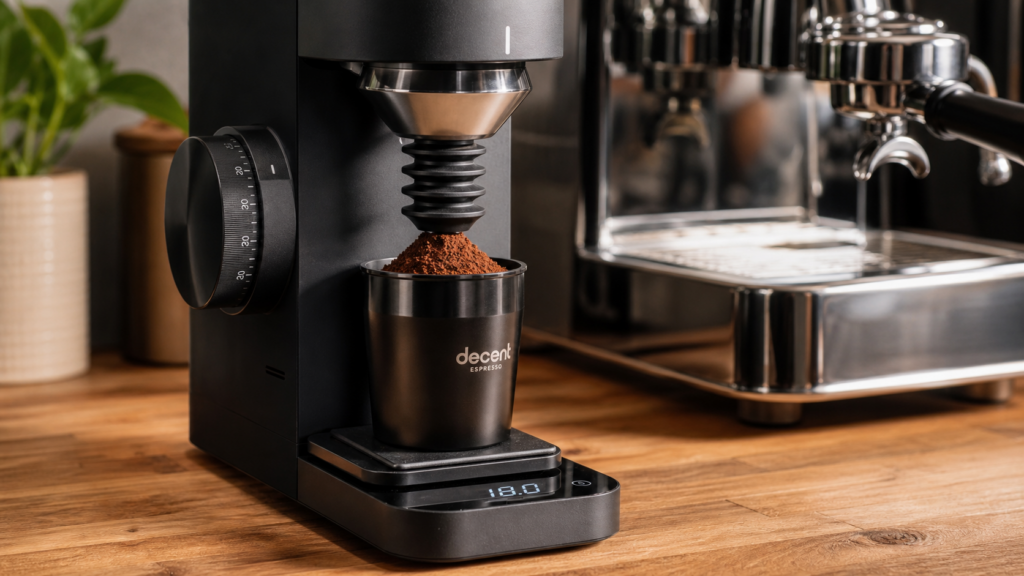
The single dose coffee grinder workflow has become essential for specialty coffee enthusiasts and professionals seeking maximum freshness and flavor control. By grinding only the exact amount needed for each brew, this method eliminates stale grounds and allows precise adjustments for different coffee origins and brewing methods. This article provides a structured, practical overview of the complete process based on established coffee preparation principles.
Understanding Single Dose Grinding Principles
Single dose grinding focuses on preparing one specific dose of whole beans immediately before brewing. This contrasts with traditional methods that grind larger batches in advance. The approach preserves volatile compounds that contribute to aroma and taste while enabling tailored grind settings for espresso, pour over, or immersion brewing.
The workflow integrates bean selection, precise weighing, grinding, distribution, and brewing in a logical sequence that minimizes variables. Consistency emerges from repeatable steps supported by quality equipment and attention to detail.
Essential Equipment for an Effective Workflow
A dedicated single dose grinder with low retention burrs forms the foundation. Models featuring flat or conical burrs designed for minimal holdup ensure nearly all grounds exit the chamber. A high precision scale accurate to 0.1 gram or better supports exact dosing. Additional tools include a dosing cup, distribution device, tamper, and brewing equipment matched to the chosen method.
Quality scales, mats, and organizers improve efficiency and reduce errors during repetitive tasks. Maintaining this equipment according to manufacturer specifications preserves performance and supports long term accuracy.
Step by Step Single Dose Coffee Grinder Workflow
The core workflow consists of repeatable actions that experienced users complete in under two minutes once familiar.
Bean Selection and Initial Weighing
Begin by selecting freshly roasted beans appropriate for the brewing method. Weigh whole beans slightly above the target dose to account for grinder retention. For a 18 gram espresso shot, many users start with 18.5 to 19 grams. Record the exact input weight to refine future calculations and achieve output consistency.
Grinding Process and Retention Management
Transfer the weighed beans into a clean, dry grinder hopper or dosing cup. Grind directly into the portafilter, dosing cup, or filter holder while using the chosen grind setting. Single dose grinders with bellows or manual purging mechanisms help expel remaining grounds. Brush any residue from the exit chute to maintain accuracy across consecutive preparations.
Distribution and Leveling Techniques
Even distribution prevents channeling during brewing. Use a distribution tool or gentle shaking followed by leveling to create a uniform bed of grounds. For espresso, a calibrated tamper then applies consistent pressure. Proper technique at this stage significantly influences extraction quality and flavor balance.
Brewing and Data Recording
Proceed immediately to brewing while noting key parameters including brew time, yield, and tasting notes. This documentation allows systematic refinement of grind size, dose, or temperature on subsequent attempts. The immediate transition from grinding to brewing maximizes freshness and captures optimal flavor compounds.
Optimizing Your Single Dose Coffee Grinder Workflow
Consistency improves through environmental awareness and technique refinement. Maintain stable ambient temperature and humidity to reduce static electricity that can cause grounds to cling. Regular burr alignment checks and cleaning prevent drift in particle size distribution.
Advanced users experiment with workflow variations such as grinding into a chilled vessel for espresso or using single dose specific accessories that reduce static. Tracking data over multiple sessions reveals patterns that lead to repeatable excellence across different coffees.
The table below outlines a typical optimized workflow timeline:
| Step | Approximate Duration | Key Objective | Common Tools |
|---|---|---|---|
| Bean Weighing | 15 seconds | Accurate input measurement | Precision scale |
| Grinding | 25 seconds | Fresh particle size production | Single dose grinder |
| Distribution and Leveling | 20 seconds | Uniform bed preparation | Distribution tool, tamper |
| Brewing and Recording | 30 to 180 seconds | Data driven refinement | Scale, timer, brewing device |
Common Challenges and Practical Solutions
Static electricity frequently disrupts single dose workflows by causing grounds to scatter. Solutions include using anti static devices, lightly misting beans with water before grinding, or selecting grinders engineered for reduced charge buildup. Retention issues are addressed by selecting low retention models and implementing a routine purge step between uses.
Inconsistent particle size often results from dull burrs or improper calibration. Scheduling regular maintenance and documenting settings for each coffee type helps maintain quality. These adjustments become intuitive with deliberate practice and systematic observation.
Maintenance Practices That Support Long Term Performance
Daily cleaning of the grinder chute and dosing area prevents oil buildup that affects flavor. Weekly deep cleaning of removable components using manufacturer approved methods preserves burr sharpness and grinding efficiency. Periodic inspection of burr alignment and replacement according to usage volume ensures continued consistency.
Proper maintenance extends equipment life and protects the flavor integrity that makes the single dose coffee grinder workflow worthwhile. Users who establish routine care schedules report fewer adjustments and more predictable results over time.
Advanced Techniques for Experienced Users
Seasoned practitioners incorporate refractometer readings to quantify extraction and refine workflows based on measurable dissolved solids. Some integrate electronic scales with applications that automatically calculate dose ratios and record historical data. These tools complement rather than replace foundational sensory evaluation and manual technique.
Workflow customization for specific origins or roast levels further enhances results. Light roasted coffees may benefit from slightly finer settings and slower pours while darker roasts often perform better with adjusted distribution methods. Such refinements demonstrate the flexibility of a well developed single dose approach.
Frequently Asked Questions
What is the main advantage of a single dose coffee grinder workflow?
It delivers maximum freshness by grinding only what is needed for each brew, reducing waste and preserving delicate flavor compounds.
How much coffee should I weigh for a single dose workflow?
Most users weigh 15 to 20 grams for espresso and 18 to 30 grams for filter coffee, adjusting based on specific recipe and equipment.
Do I need special equipment for an effective single dose coffee grinder workflow?
A low retention grinder, precise scale, and distribution tools are recommended to achieve consistent dosing and minimal waste.
How often should I clean my grinder in a single dose workflow?
Daily brushing of the chute and weekly deep cleaning maintain flavor purity and grinding consistency.
Can the single dose coffee grinder workflow be used for both espresso and pour over?
Yes. The same basic steps apply with adjustments to grind size, dose, and brewing parameters for each method.
Is the single dose coffee grinder workflow suitable for beginners?
It is accessible with practice although beginners benefit from starting with forgiving filter recipes before advancing to espresso.
Conclusion
A well executed single dose coffee grinder workflow offers coffee enthusiasts and professionals reliable control over freshness, flavor, and consistency. By following structured steps, maintaining equipment, and recording observations, users can achieve cafe quality results at home or in commercial settings. The method rewards attention to detail while remaining adaptable to different coffees and brewing preferences, supporting continued improvement in every cup.